How To Dispose Of Old Circular Saw Blades? [With 8 Reuse Tips]
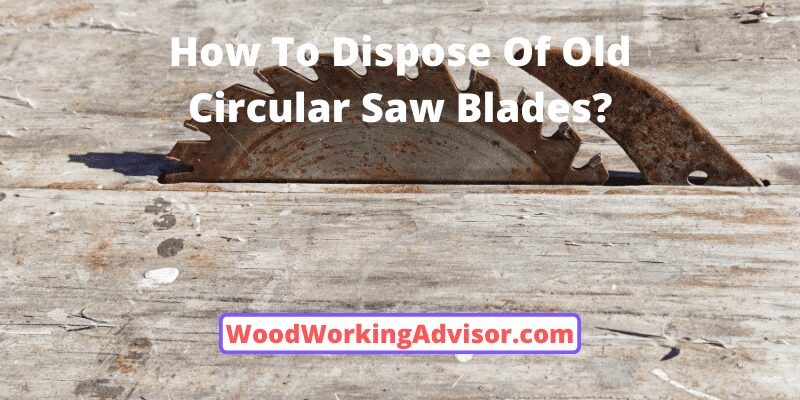
Toss an old circular saw blade in the household trash and you risk a nasty cut for a garbage worker, a pet, or a curious kid — most municipalities actually classify bare metal blades as hazardous waste that needs to go to a scrap recycler or hardware store drop-off, not the bin. The safest route is to fully detach the blade from the saw first, wrap the teeth, then either recycle it as scrap metal or repurpose it into a small shop project. Below are the three safe removal methods, what old carbide blades are actually worth as scrap, and eight practical ways to reuse one instead of throwing it away.
Quick Answer: Unplug the saw, wear cut-resistant gloves, use the manufacturer’s arbor wrench (or a standard wrench/pliers as a backup) to remove the arbor nut, then wrap the blade’s teeth before handling. From there, drop it at a scrap metal recycler that accepts carbide (not all do), donate it to a school shop program, or repurpose it into a garden weed cutter, knife blank, or wall clock.
3 Safe Ways To Remove and Dispose Of Old Circular Saw Blades
All three methods below assume the saw is unplugged and the battery is removed first. Pick whichever matches the tools you actually have on hand.
Method 1: Remove The Blade With a Wrench and Screwdriver
This is the standard, manufacturer-recommended way to remove a circular saw blade safely.
Step 1: Unlock the Blade Guard
Pull back the retractable blade guard (the spring-loaded shutter) and lock it open so the full blade and arbor nut are exposed.
Step 2: Brace the Blade With a Scrap Wood Block
Wedge a solid scrap wood block against the blade’s teeth to stop it from spinning while you loosen the arbor nut. This keeps both hands free for the wrench instead of holding the blade steady.
Step 3: Loosen the Arbor Nut
Fit the manufacturer’s arbor wrench (or a correctly sized standard wrench) onto the arbor nut and turn counter-clockwise — most saw arbors use standard right-hand threads. Once the nut and outer washer come off, lift the old blade straight out, wrap the teeth in an old rag or cardboard sleeve, and set it aside for disposal or reuse.
Method 2: Free a Rusted or Seized Blade With a Hammer
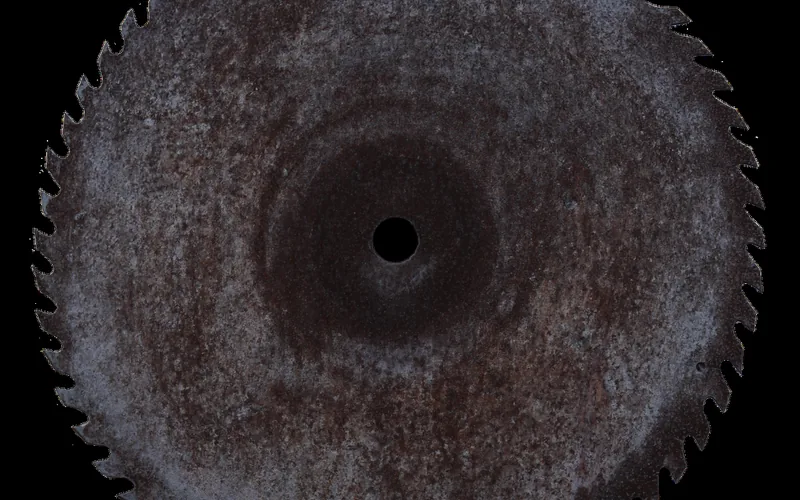
If the blade has seized up from rust or dust buildup and won’t budge with a wrench alone, this approach adds controlled impact to break it loose.
Step 1: Lock the Arbor Nut With a Wrench
Fit a wrench onto the arbor nut just as in Method 1, and hold it firmly in the loosening direction.
Step 2: Add Penetrating Oil If It’s Rust-Seized
If the nut won’t move at all, apply a few drops of penetrating oil around the threads and let it sit for 5-10 minutes before trying again.
Step 3: Tap the Wrench Handle With a Hammer
With the wrench still seated on the nut, give the wrench handle (not the blade or saw base) a few sharp taps with a hammer to break the nut loose. Once it starts turning, finish removing it by hand and lift the blade out.
Method 3: Remove the Blade With Pliers (No Arbor Wrench)
Use this only if the manufacturer’s arbor wrench is lost or unavailable — it works, but it’s slower and has more risk of rounding off the nut than the dedicated wrench.
Step 1: Unplug the Saw Completely
Disconnect the saw from the power outlet or remove the battery pack entirely before touching the blade.
Step 2: Brace the Blade, Wearing Cut-Resistant Gloves
Put on cut-resistant gloves before touching the blade edge, and wedge a wood block against it to stop it spinning.
Step 3: Grip and Turn the Arbor Nut With Pliers
Clamp locking pliers onto the arbor nut and turn counter-clockwise to loosen it. Once free, remove the nut and washer by hand, lift the blade out, and wrap the teeth before setting it aside.
What Is a Used Circular Saw Blade Actually Worth as Scrap?
Most circular saw blades sold today are carbide-tipped, and tungsten carbide scrap sells for roughly $5 to $12 per pound at specialized metal recyclers — noticeably more than plain steel scrap. The catch: many general scrapyards don’t accept carbide at all, since it has to be separated from the steel blade body and processed differently. Calling ahead to a recycler that specifically lists “carbide” or “tungsten carbide” among what they buy will save a wasted trip, and grinding or knocking the carbide tips off the steel body beforehand (where practical) generally gets a better price than turning in the whole blade intact.
If no local recycler takes carbide, a hardware store, school shop program, or community makerspace will often take old blades for free rather than see them land in a landfill.
Recommended: Protect Your Hands During Blade Removal
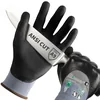 |
Schwer A9 Cut-Resistant Work Gloves (ANSI A9) The article above recommends wearing gloves before ever touching a blade edge — these are rated for exactly that kind of handling. Check on Amazon |
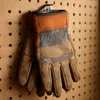 Husqvarna Functional Saw Protection Gloves Check on Amazon |
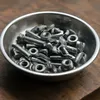 GRIP Magnetic Parts Tray For holding the arbor nut/washer during removal Check on Amazon |
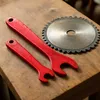 Universal Arbor Wrench Set Backup if the manufacturer wrench is lost Check on Amazon |
8 Ways to Reuse an Old Circular Saw Blade
Once the blade is safely removed, here are eight practical (and a few just-for-fun) ways to give it a second life instead of scrapping it.
Tip 1: Recycle It as Scrap Metal
If reuse isn’t appealing, recycling is the most responsible default. Check whether your city’s blue-bin program accepts bare metal blades directly, and if not, look for a scrap recycler nearby — see the carbide-value section above before you go.
Tip 2: Get It Professionally Re-Sharpened
A dull blade isn’t necessarily a dead blade. Most saw shops and hardware stores offer carbide re-sharpening for a fraction of the cost of a new blade, and a re-sharpened blade performs close to new for most home shop tasks.
Tip 3: Turn It Into a Knife Blank
Plenty of hobbyists reshape old blades into knives — but the blade’s steel matters a lot here. See the FAQ below on which blade types actually work for this.
Tip 4: Make a Garden Weed Cutter
Cut the blade in half with a metal-cutting disc, weld or bolt each half to a handle, and re-sharpen the curved edge. The result is a sturdy hoe-style weed cutter that holds up well to rocky garden soil.
Tip 5: Craft Jewelry or Ornaments
Smaller offcuts from a jigsaw or angle grinder can be shaped into pendants, earrings, or keychains, then polished on a bench sander for a finished look.
Tip 6: Reshape It Into a Small Hatchet Head
A thick, high-carbon steel blade can be ground and re-tempered into a small hatchet or froe head for light kindling work — a blacksmithing project, not a weekend one, but a satisfying use for a blade that’s otherwise scrap.
Tip 7: Build a Workshop Wall Clock
Dull the teeth with a sander first for safety, mark hour numbers with a permanent marker, then mount an inexpensive battery clock mechanism through the arbor hole. It’s a quick, sturdy shop-themed clock.
Tip 8: Paint It or Donate It to a School Shop Program
A painted saw blade makes simple rustic wall decor. If that’s not your style, school woodshop classes and community makerspaces are often glad to take old blades off your hands for student projects.
5 Mistakes to Avoid When Disposing of Old Circular Saw Blades
These are the mistakes most likely to cause an injury or a damaged blade during removal — avoid every one of them.
1. Don’t Keep Your Finger on the Trigger While Carrying the Saw
Resting a finger on the trigger while moving the saw risks an accidental start. Carry it by the body or handle, away from the trigger entirely.
2. Never Touch the Blade’s Teeth With a Bare Hand
Always wear cut-resistant gloves before touching any part of the blade’s edge — even a “dull” old blade can still cut skin easily.
3. Don’t Force the Blade Off If It’s Stuck
If the blade won’t come free easily, don’t yank or pry it hard — that risks cracking the blade or bending the arbor. Use penetrating oil and controlled taps instead (see Method 2 above).
4. Don’t Hit the Arbor Nut Hard With a Hammer
Tap the wrench handle gently to break a seized nut loose — striking the nut or blade directly and hard can crack the blade or damage the arbor threads.
5. Don’t Skip the Manufacturer’s Arbor Wrench If You Have It
The manufacturer’s arbor wrench is sized exactly for that saw’s nut and is the safest option. Only fall back to a standard wrench or pliers (Method 3) if it’s genuinely unavailable.
Frequently Asked Questions
Where should you dispose of an old circular saw blade?
Take it to a scrap metal recycler that accepts carbide, or drop it off at a hardware store, school shop program, or community makerspace. Avoid regular household trash — bare blade teeth are a real injury risk for waste handlers.
How long does a circular saw blade actually last?
A carbide-tipped blade used regularly in a home shop typically lasts anywhere from several months to a couple of years before it needs replacing or re-sharpening, depending on the material being cut (plywood and MDF dull a blade faster than solid hardwood) and how often it’s used.
Can you sell old circular saw blades for scrap?
Yes — tungsten carbide scrap typically sells for $5-$12 per pound at recyclers who specifically buy carbide, which is more than plain steel scrap brings. Not every scrapyard accepts it, so call ahead to a specialized metal recycler rather than a general scrapyard.
Can you make a knife from a circular saw blade?
It depends on the blade type. Carbide-tipped blade bodies are made from a relatively soft steel that won’t properly harden during heat treatment, which makes them a poor choice for a knife edge. A plain high-carbon steel blade, however, can be shaped and heat-treated into a working knife — do a spark test first to confirm it’s carbon steel, and keep the metal cool with water while grinding to avoid overheating and ruining the temper.
Can old circular saw blades be sharpened again?
Yes. A file works for light touch-ups on a slightly dull blade, but for a carbide-tipped blade that’s genuinely worn, a professional sharpening service using a diamond wheel grinder will get much closer to factory-sharp than hand-filing can.
Final Thoughts
Disposing of an old circular saw blade safely just takes a few extra minutes: remove it carefully, wrap the teeth, and either recycle it as scrap (carbide is worth checking on) or turn it into one of the projects above. Skipping straight to the trash isn’t just wasteful — in many areas, loose blade disposal is against local waste rules, and it’s a real cut risk for whoever handles the bin next.
Sponsored / affiliate links. As an Amazon Associate I earn from qualifying purchases. I may earn additional commission from eligible campaigns.