How to Drill Hardened Steel: Best Local Bits and Tools
Drilling into hardened steel can seem tough when you’re just starting. It’s a common challenge because hardened steel is meant to be strong and resist wear, making it hard to penetrate with regular tools. But don’t worry, with the right approach, it’s totally doable.
This guide will walk you through How to Drill Hardened Steel: Best Local Bits and Tools in a simple, step-by-step way so you can get the job done right.
Choosing the Right Drill Bits for Hardened Steel
Drilling into hardened steel requires special drill bits. Standard drill bits made for softer metals or wood will quickly become dull, overheat, and fail. The key is to select bits specifically designed for hard materials. These bits have properties that allow them to cut through tough metals without breaking or losing their edge too fast. It’s important to understand what makes these bits different and why they are essential for success.
We’ll explore the types of bits that work best and what to look for when buying them locally to ensure you have the right tool for the job. This section will cover the materials, coatings, and designs that make a drill bit suitable for hardened steel, helping you make informed choices at your local hardware store.
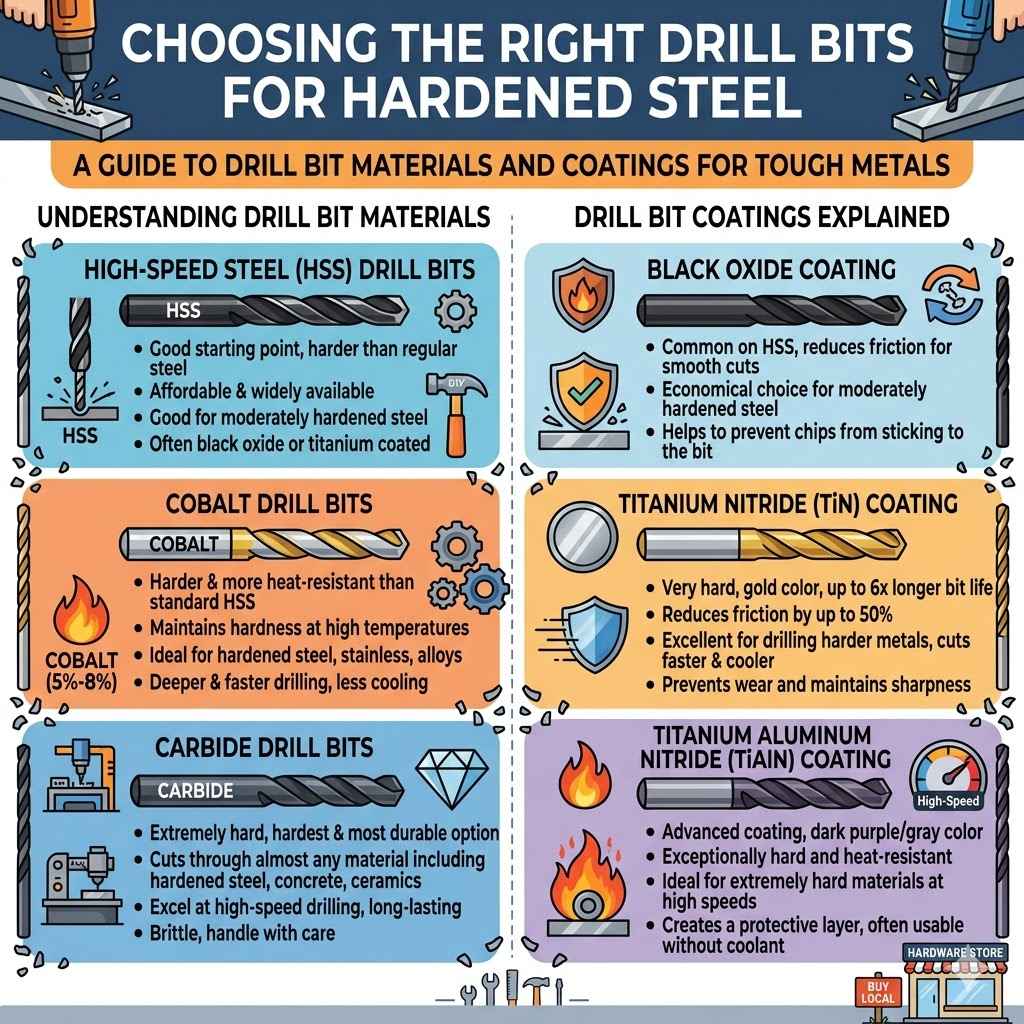
Understanding Different Drill Bit Materials
The material a drill bit is made from is the most critical factor when drilling hardened steel. Regular steel bits just won’t cut it. You need something much harder and more heat-resistant. Let’s look at the common materials that make drill bits suitable for tough jobs.
- High-Speed Steel (HSS) Drill Bits
High-speed steel is a type of tool steel that is used to make drill bits and cutting tools. It’s much harder than regular steel and can withstand higher temperatures. This makes HSS bits a good starting point for drilling hardened steel, especially if it’s only moderately hardened. HSS bits are widely available and relatively affordable compared to more specialized options. They are often found in black oxide or titanium coatings, which further enhance their durability and cutting ability. For many DIY tasks involving hardened steel, a good quality HSS bit is often sufficient. - Cobalt Drill Bits
Cobalt drill bits are made from high-speed steel that has been alloyed with cobalt. Typically, they contain about 5% to 8% cobalt. This addition makes the bits significantly harder and more heat-resistant than standard HSS bits. Cobalt bits can maintain their hardness at higher temperatures, which is crucial when drilling into very hard metals. This means they can drill deeper and faster without needing frequent cooling. They are ideal for drilling through hardened steel, stainless steel, and other tough alloys. Cobalt bits are often gold or silver in color, depending on the specific alloy and manufacturing process. - Carbide Drill Bits
Tungsten carbide is an extremely hard compound that is harder than steel. Drill bits made from solid carbide or carbide-tipped are the hardest and most durable option available. These bits can cut through almost any material, including hardened steel, concrete, and ceramics. Carbide bits are brittle, so they need to be used with care, but they excel at high-speed drilling and can last a very long time when used correctly. They are often used in industrial settings but are also available for serious DIYers. For the toughest hardened steel applications, carbide is often the best choice.
Drill Bit Coatings Explained
Beyond the base material, coatings on drill bits can dramatically improve their performance, especially when drilling hard metals. These coatings add a layer of protection and enhance cutting efficiency. They help reduce friction, dissipate heat, and increase the bit’s lifespan. Choosing the right coating can make the difference between a bit that lasts for a few holes and one that can handle a significant amount of work.
- Black Oxide Coating
Black oxide is a common coating applied to HSS drill bits. It’s created through a chemical process that converts the surface of the steel into magnetite. This coating provides some corrosion resistance and reduces friction, allowing the bit to cut more smoothly. Black oxide bits are more durable and last longer than uncoated HSS bits, especially when drilling metals like steel. They are a good economical choice for general-purpose drilling of moderately hardened steel. The coating also helps to keep chips from sticking to the bit. - Titanium Nitride (TiN) Coating
Titanium nitride is a very hard, gold-colored coating that is significantly more durable than black oxide. It can reduce friction by up to 50% and increase drill bit life by up to six times. TiN coatings help bits cut faster and cooler, making them excellent for drilling harder metals. The hard surface of the TiN coating helps to prevent wear and maintain the sharpness of the bit. TiN-coated bits are a popular choice for drilling steel, cast iron, and even some harder alloys. Their distinctive gold color makes them easy to spot. - Titanium Aluminum Nitride (TiAlN) Coating
Titanium aluminum nitride is an even more advanced coating than TiN. It’s a dark purple or gray color and is exceptionally hard and heat-resistant. TiAlN coatings are ideal for drilling extremely hard materials at high speeds. They create a protective layer that performs well even at very high temperatures, which are common when drilling hardened steel. This makes them suitable for demanding industrial applications. TiAlN-coated bits can often be used without coolant, although using coolant still extends their life.
Essential Tools and Equipment for Drilling Hardened Steel
Beyond having the correct drill bits, several other tools and pieces of equipment are vital for successfully and safely drilling hardened steel. The right setup ensures you can control the drilling process, manage heat, and protect yourself. Using inadequate tools can lead to frustration, damaged materials, and even injury. This section covers the must-have items that will complement your hardened steel drill bits and make your project go smoothly.
Drill Types and Power Considerations
The type of drill you use plays a significant role in your ability to drill through hardened steel. A standard, lightweight cordless drill might struggle or overheat. You need a drill with enough power and torque to maintain a steady speed under load.
- Corded Drills
For drilling hardened steel, a corded drill often provides more consistent power and torque than a battery-powered one. Look for drills with a higher amperage rating (around 7-10 amps) or a powerful motor. Corded drills don’t suffer from battery drain, meaning their performance remains steady throughout the drilling process. Many corded drills also have variable speed settings and a clutch, which are essential for controlling the drill. - Hammer Drills and Impact Drivers
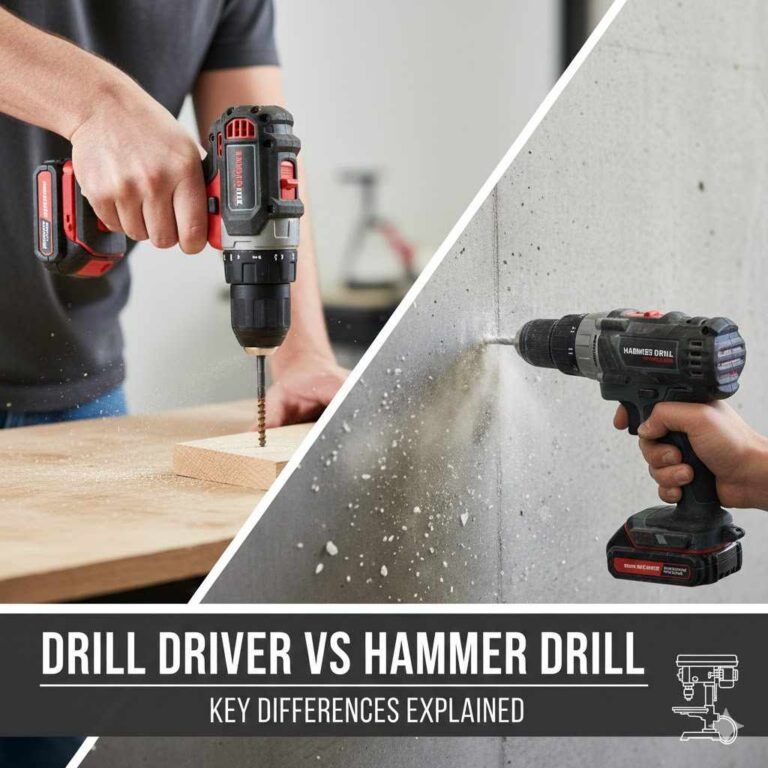
While hammer drills have a hammering action for masonry, their powerful rotation can be useful for drilling metal. However, ensure the hammering action is turned off when drilling metal to avoid damaging the bit or the workpiece. Impact drivers are generally not recommended for drilling hard metal as their primary action is rotational impact, which is too aggressive for precise metal drilling and can easily break bits. They are better suited for driving screws. - Drill Presses
For maximum precision and control, a drill press is highly recommended. A drill press holds the workpiece securely and provides a stable, consistent downward force. This allows for precise depth control and perfectly straight holes. Drill presses also allow for slower speed settings, which are often beneficial when drilling very hard materials. The stability of a drill press is invaluable when working with hardened steel, reducing the risk of the bit wandering or the workpiece moving.
Coolant and Lubricants
Heat is the enemy when drilling hardened steel. It can quickly dull your drill bit, cause it to break, and even damage the workpiece by altering its temper. Using a coolant or lubricant is crucial to keep the bit and the metal cool.
- Cutting Fluid
A dedicated cutting fluid or lubricant is essential. These fluids are designed to reduce friction and heat generated during the drilling process. They also help to clear away metal chips, preventing them from clogging the flutes of the drill bit. There are many types available, from general-purpose cutting oils to specialized fluids for specific metals. Applying it directly to the drill bit and the point of contact will significantly extend the life of your bit and improve the quality of the hole. - Water or Soluble Oils
For some less demanding applications, water can provide some cooling, but it offers little lubrication. Soluble oils are a type of cutting fluid that can be mixed with water. They provide both cooling and lubrication, making them a versatile choice for many metalworking tasks. The concentration of the oil in the water can be adjusted depending on the hardness of the metal and the drilling speed. Always follow the manufacturer’s instructions for mixing and application.
Safety Gear and Workpiece Securing
Safety is paramount when working with power tools and hard materials. The forces involved in drilling hardened steel can be considerable, and metal chips can be sharp and fly at high speeds.
- Safety Glasses
Always wear safety glasses or a face shield. Metal shavings and chips can be ejected at high velocity, and even small fragments can cause serious eye injury. Ensure your eyewear meets safety standards and fits properly to provide full coverage. - Gloves
Wear sturdy work gloves to protect your hands from sharp edges and hot metal. However, be cautious when wearing gloves around rotating machinery; ensure they are not loose enough to get caught in the drill. - Workpiece Clamping
Never try to hold a small workpiece by hand while drilling hardened steel. Use clamps, a vise, or other secure methods to hold the workpiece firmly to your workbench or drill press table. This prevents the workpiece from spinning, which can cause injury or damage. A securely clamped workpiece also ensures a more accurate and controlled drilling operation.
The Step-By-Step Process for Drilling Hardened Steel
Successfully drilling hardened steel involves a careful, methodical approach. It’s not a process to rush. Following these steps will help you achieve clean, accurate holes while minimizing the risk of damaging your tools or your workpiece. This guide breaks down the process into manageable actions, from preparation to finishing the hole.
Preparation and Setup
Before you even start the drill, thorough preparation is key. This stage ensures that everything is ready and you have a clear plan. A few minutes spent here can save hours of frustration later.
- Mark the Hole Location
Use a center punch to create a small dimple or mark at the exact center of where you want to drill. This dimple will guide the tip of your drill bit, preventing it from wandering when you start drilling. A sharp center punch and a firm tap with a hammer will create a precise starting point. - Secure the Workpiece
Use clamps or a vise to firmly secure the hardened steel workpiece to your workbench or drill press table. Ensure it cannot move or vibrate during drilling. This is critical for safety and for drilling a straight hole. Double-check that the clamps are tight and positioned so they don’t interfere with the drill bit’s path. - Select the Correct Drill Bit and Speed
Choose a drill bit specifically designed for hardened steel, such as a cobalt or carbide bit, and ensure it is sharp. Set your drill to a slow speed setting. For most hardened steel, speeds between 200 and 500 RPM are ideal. Higher speeds generate excessive heat, which is detrimental. A drill press offers the best control for setting and maintaining these slower speeds.
The Drilling Process
With your preparation complete, you can begin the actual drilling. This is where the technique matters most to manage heat and pressure.
- Apply Lubricant
Apply a generous amount of cutting fluid or lubricant to the point where you will be drilling. You’ll need to reapply this periodically throughout the drilling process. A small dam made of grease or clay around the hole can help to keep the lubricant in place. - Start Drilling Slowly
Begin drilling at a very slow speed. Apply steady, consistent pressure. Let the drill bit do the work; don’t force it. If you are using a corded drill, you may need to apply significant pressure. With a drill press, the weight of the press head can assist, but you still need to apply controlled downward force. - Clear Chips and Reapply Lubricant Frequently
Every few seconds (or after each rotation or two), lift the drill bit out of the hole to clear away metal chips. Reapply your cutting fluid. This step is crucial for preventing the bit from overheating and for ensuring the chips don’t jam the flutes. This “pecking” action also allows the lubricant to penetrate the hole. - Maintain Steady Pressure
Continue to apply steady, consistent pressure. Avoid jerky movements. If the drill bit begins to bind, ease up on the pressure slightly but continue rotating. For deep holes, you may need to retract the bit more frequently to clear chips and cool the bit. - Drill Through the Material
Once you have drilled through the hardened steel, continue the process until the bit is clear of the material. This ensures a clean exit from the hole. Slowly retract the drill bit while it is still spinning at a slow speed.
Finishing and Troubleshooting
Even with careful steps, you might encounter minor issues. Here’s how to handle them and ensure a good result.
- De-burring the Hole
After drilling, there may be a sharp burr around the edge of the hole. Use a deburring tool or a countersink bit at a very shallow angle to remove this burr for a clean finish. - What If the Bit Breaks
If your drill bit breaks, stop immediately. Do not try to drill further. You may need to use a bolt extractor or a Dremel tool with a grinding bit to carefully remove the broken piece. This is why using the correct bit, speed, and lubrication is so important. - Overheating Signs
If you see smoke or smell burning, stop immediately. This indicates overheating. Let the bit and workpiece cool down completely before attempting to drill again. Reassess your speed, pressure, and lubrication. You may need a better quality bit or more efficient cooling.
Where to Find the Best Local Bits and Tools
Finding the right tools locally is important for quick access and expert advice. Many local hardware stores and specialized metalworking shops can provide the necessary items. Knowing where to look can save you time and ensure you get quality products. This section offers guidance on where to shop for your hardened steel drilling needs.
Local Hardware Stores
Your neighborhood hardware store is often the first place to check. They typically carry a range of drill bits, lubricants, and safety gear suitable for DIY projects.
- Selection of HSS and Cobalt Bits
Most well-stocked hardware stores will have a decent selection of High-Speed Steel (HSS) and cobalt drill bits. You’ll likely find them in various sizes and sets. Look for brands known for quality, as even within HSS, there can be significant differences in durability. - Basic Lubricants and Safety Gear
You can also find essential cutting fluids, lubricants, safety glasses, and work gloves at most hardware stores. These are fundamental items for any drilling job, especially on hard materials. - Expert Advice
The staff at a good local hardware store can sometimes offer helpful advice, especially if you describe your project. They can guide you towards appropriate bits or lubricants if you are unsure.
Specialty Metalworking and Tool Shops
For more demanding tasks or when you need the highest quality tools, specialty shops are the best resource. These stores cater to professionals and serious hobbyists.
- Carbide and High-Performance Bits
These shops are your best bet for finding premium drill bits, including solid carbide bits and bits with advanced coatings like TiAlN. They will carry brands that are recognized for their durability and performance in tough applications. - Industrial-Grade Lubricants and Coolants
Specialty stores offer a wider range of lubricants and cutting fluids, including those specifically formulated for drilling hardened steel and other difficult metals. They may also have coolant systems or specialized applicators. - Professional Advice and Tools
The employees in these shops are often experienced machinists or metalworkers themselves. They can provide detailed, expert advice on the best tools for your specific project, including drill presses, vises, and other essential equipment.
Online Retailers
While not strictly “local,” online retailers offer vast selections and competitive pricing, making them a convenient option if local stores are limited.
- Wide Range of Options
Online stores provide access to virtually every type of drill bit and accessory imaginable. You can easily compare brands, materials, coatings, and prices from numerous manufacturers. - Customer Reviews
Reading customer reviews can be very helpful in identifying high-performing bits and tools for drilling hardened steel. Look for feedback from users who have tackled similar projects. - Convenience
Ordering tools online means they are delivered directly to your door, saving you trips to the store. However, this means you can’t physically inspect the tools before buying or get immediate expert advice.
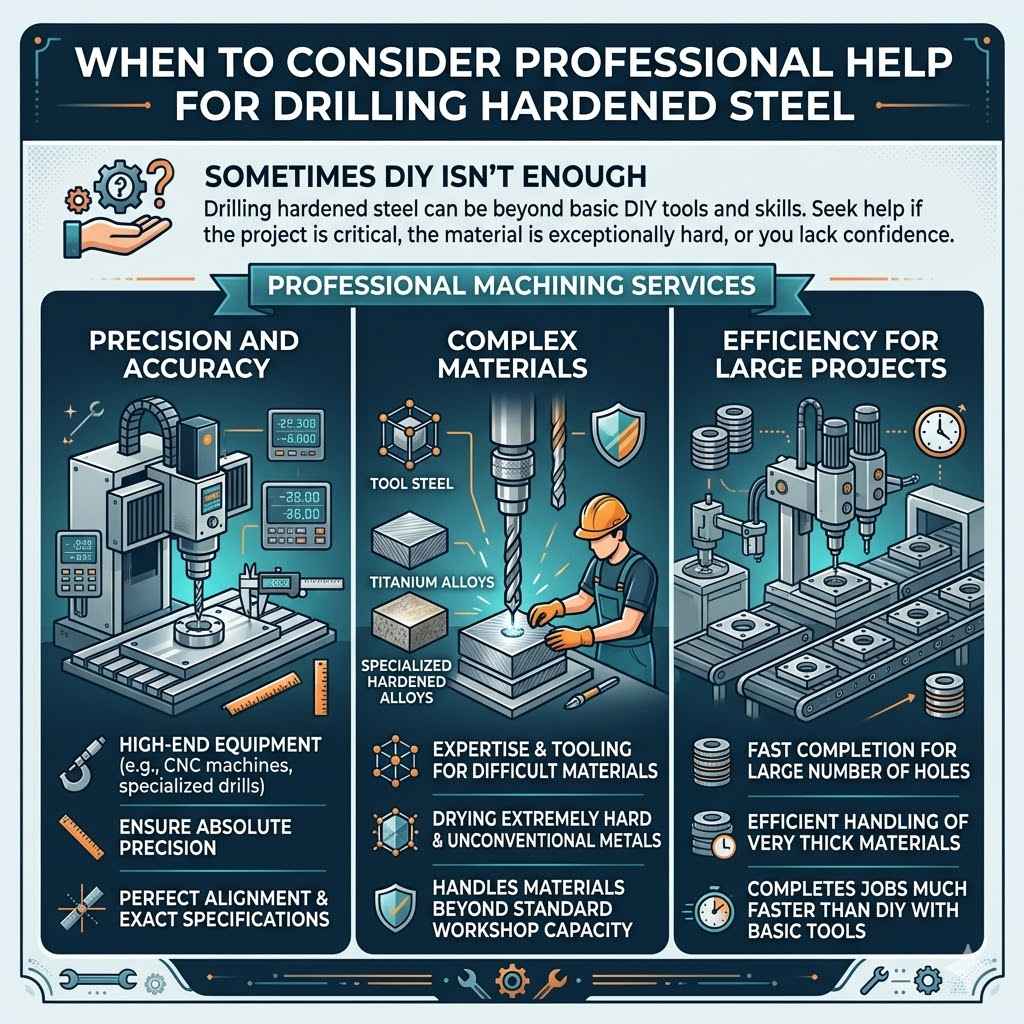
When to Consider Professional Help
Sometimes, drilling hardened steel might be beyond the scope of basic DIY tools and skills. If the project is critical, the material is exceptionally hard, or you lack the confidence, seeking professional help is a wise decision.
Professional Machining Services
If you need precise holes, multiple holes, or are working with very valuable or critical components, professional machinists are equipped to handle the job.
- Precision and Accuracy
Machining services use high-end equipment like CNC machines and specialized drills that ensure absolute precision and accuracy. They can create holes to exact specifications with perfect alignment. - Complex Materials
Professionals have the expertise and tooling to drill through materials that are extremely difficult or impossible for a standard workshop, such as tool steel, titanium alloys, or specialized hardened alloys. - Efficiency for Large Projects
If you have a large number of holes to drill or very thick material, professional services can complete the job much faster and more efficiently than you could with basic tools.
Frequently Asked Questions
Question: What is the hardest type of drill bit for hardened steel
Answer: Carbide drill bits are generally considered the hardest and most durable for drilling hardened steel, although they can be brittle and require careful handling.
Question: Can I use a regular drill for hardened steel
Answer: A powerful corded drill is recommended. While a cordless drill might work for very small holes, it often lacks the consistent power and torque needed for consistent results with hardened steel.
Question: How often should I reapply lubricant when drilling hardened steel
Answer: You should reapply lubricant frequently, ideally every few seconds or after every rotation or two, especially when drilling deeper holes. This helps manage heat and clear chips.
Question: What happens if hardened steel gets too hot
Answer: Overheating can dull or break your drill bit, damage the workpiece by altering its temper, and reduce the overall effectiveness of the drilling process.
Question: Is it okay to use a hammer drill on hardened steel
Answer: You can use the rotational function of a hammer drill, but ensure the hammer action is turned OFF. The hammering can damage the bit or workpiece when drilling metal.
Summary
Drilling hardened steel is manageable with the right approach. Choosing high-quality drill bits like cobalt or carbide, using appropriate coatings, and employing essential tools like a powerful drill and lubricants are key. Remember to secure your workpiece, use safety gear, and apply steady pressure with slow speeds. Following these steps ensures success.