Hammer Drill vs Drill: What Actually Changes (and When to Use Each)
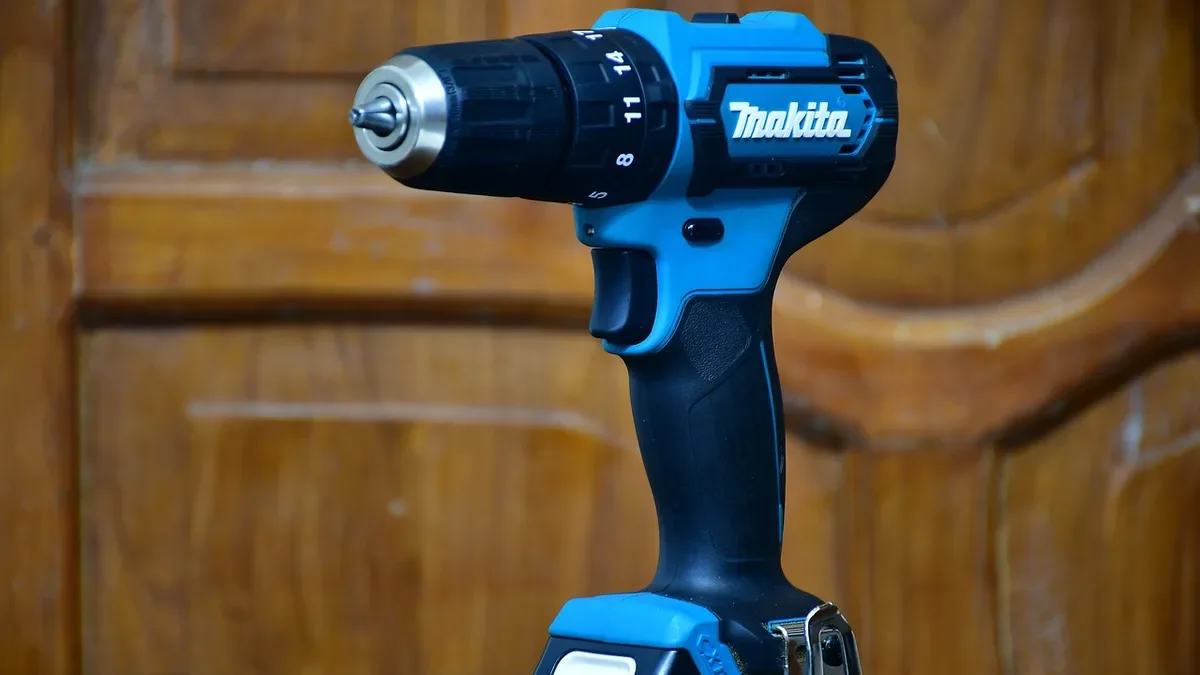
A hammer drill is a regular drill with an extra mode: a collar that adds a rapid in-and-out tapping to the spinning bit. In wood, metal and drywall you leave that mode off and the two tools behave the same. In brick, block and concrete, the tapping is what lets a carbide bit make progress instead of just polishing the surface.
So the real question is not which tool is stronger, but whether you ever drill masonry. This guide shows what the hammer mechanism does, the one mistake that ruins holes in wood, which bit and mode to use for each material, and exact drill sizes for common concrete screws.
Hammer Drill vs Drill: The Short Answer
Best One-Drill Pick for Wood and Masonry
 |
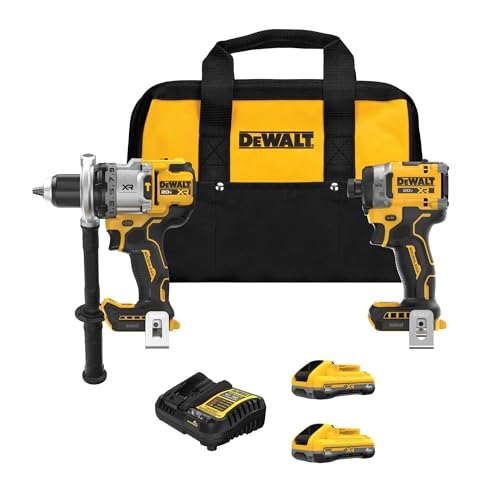
DEWALT 20V MAX XR 1/2 in. Brushless Hammer Drill Kit (DCD806H1): $279 A hammer drill/driver with a hammer mode you can leave off for wood, so one tool covers the shop and the occasional masonry anchor.
|
If you only work with wood, drywall and metal, a drill/driver is all you need. If you also bolt workbenches, shelving or tool stands to a garage slab or brick wall, a hammer drill/driver gives you both tools in one body for a modest price bump. Everything else in this article is detail on that one decision.
How Each Tool Works
The standard drill/driver
A drill/driver spins a bit. The motor drives a gearbox, the gearbox turns the chuck, and a clutch ring lets the tool slip at a set torque so screws stop before they strip or sink too far. That is all it does, and it does it well in wood, plastics, drywall and thin metal. Your best results come from a sharp bit, moderate feed pressure and a speed matched to the bit size: slower for large bits and metal, faster for small holes in wood.
The hammer drill
A hammer drill adds a pair of toothed rings, one fixed to the housing and one that rotates with the spindle. When you select hammer mode, they ride over each other and push the chuck forward and back tens of thousands of times a minute. Cordless 20V models commonly list somewhere around 30,000 to 38,000 blows per minute. Each blow is tiny, but together they crumble the material at the bit tip while the flutes carry the dust out.
This is a different animal from an SDS rotary hammer. A rotary hammer uses a piston to deliver far fewer but much heavier blows, measured in joules, which is why it is the tool for big holes and long runs in concrete. Our comparison of a hammer drill vs rotary hammer covers where that line sits. For the inner workings in more depth, see how a hammer drill works.
Side-by-Side Comparison
| Feature | Standard drill/driver | Hammer drill/driver |
|---|---|---|
| Motion at the bit | Rotation only | Rotation, plus optional forward tapping |
| Mode collar | Usually drill and screw-drive (clutch) | Drill, hammer, and screw-drive (clutch) |
| Best materials | Wood, drywall, plastic, thin metal | Everything a drill does, plus brick, block, mortar and concrete |
| Bit type in masonry | Not recommended | Carbide-tipped masonry bits |
| Practical masonry limit | Very slow even with a masonry bit | Small to medium holes; roughly up to 1/2 in. is comfortable, larger favors SDS |
| Chuck | Keyless, usually 3/8 in. or 1/2 in. | Keyless, usually 1/2 in.; round-shank bits only |
| Price | Lower | Somewhat higher on the same battery platform |
| Weight and length | Lighter and shorter | Slightly heavier and longer because of the hammer mechanism |
The Hammer Mode Myth That Ruins Holes in Wood
A common assumption is that a hammer drill is simply a more powerful drill, so it must drill wood faster too. It does not. In drill mode the torque and speed are unchanged. In hammer mode the extra tapping works against wood: it shatters fibers around the hole, makes the bit chatter and wander, and can turn a clean 1/4 in. hole into a ragged, oversized one, especially with brad-point bits that rely on a precise tip.
Two habits fix this. Before you pull the trigger, look at the mode collar and confirm the drill icon is selected. And put a strip of tape or a marker dot on the drill setting so it is easy to spot, since the hammer icon is easy to leave selected after a masonry job.
Which Mode and Which Bit for Each Material
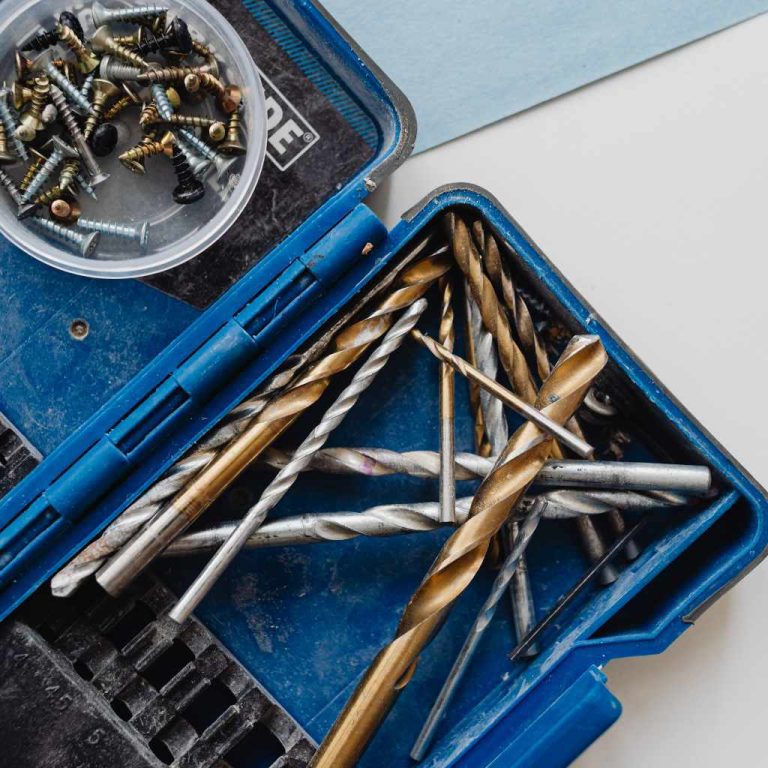
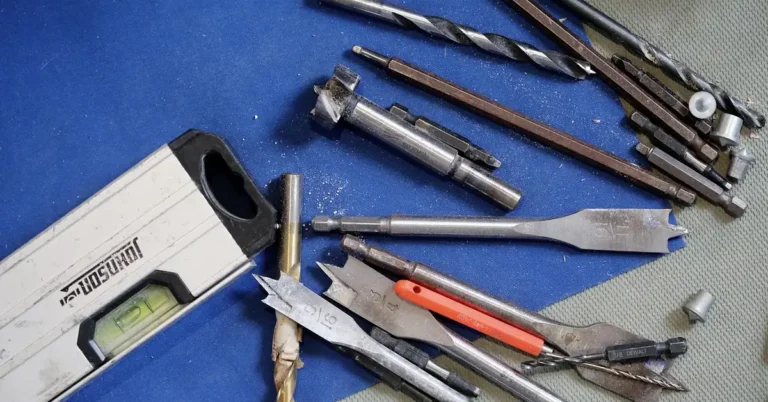
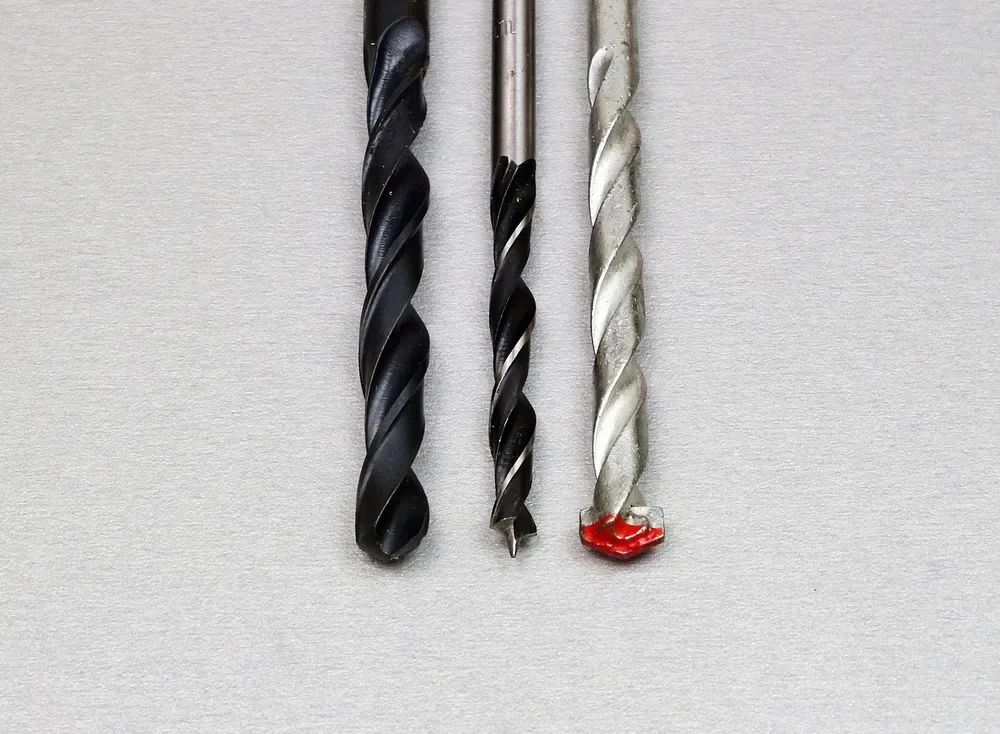
The bit matters as much as the drill. A masonry bit has a hard carbide tip brazed on a steel body and is meant to be used with the hammer engaged. A wood or metal bit is not. Use this as a quick reference.
| Material | Mode | Bit | Notes |
|---|---|---|---|
| Softwood, hardwood, plywood | Drill only | Brad-point or twist | Hammer off; back the workpiece to prevent blowout |
| Drywall and plaster | Drill only | Twist or spade | Hammer off; hammer mode crumbles the surface |
| Steel and other metal | Drill only, low speed | HSS or cobalt twist | Use cutting oil; hammer mode dulls the bit |
| Ceramic or porcelain tile | Drill only for the glaze | Carbide tile bit | Switch to hammer only after the tile is through, and only for the masonry behind it |
| Brick, block and mortar joints | Hammer drill | Carbide-tipped masonry bit | Mortar joints are softer than brick and are the easier target for small anchors |
| Poured concrete | Hammer drill | Carbide-tipped masonry bit | Clear dust from the hole often; rebar will stop a masonry bit |
For drilling into concrete when you do not own a hammer drill, see our guide on drilling concrete without a hammer drill, and our answer to whether a hammer drill can be used as a regular drill.
Drilling Concrete Safely and Accurately
Concrete work is where a hammer drill earns its place in a woodworking shop, mostly for anchoring a workbench, a lumber rack or a dust collector to a slab. These sizes are for Tapcon-style concrete screws, which are the most common way to fasten wood to concrete:
| Screw diameter | Carbide bit size | Hole depth |
|---|---|---|
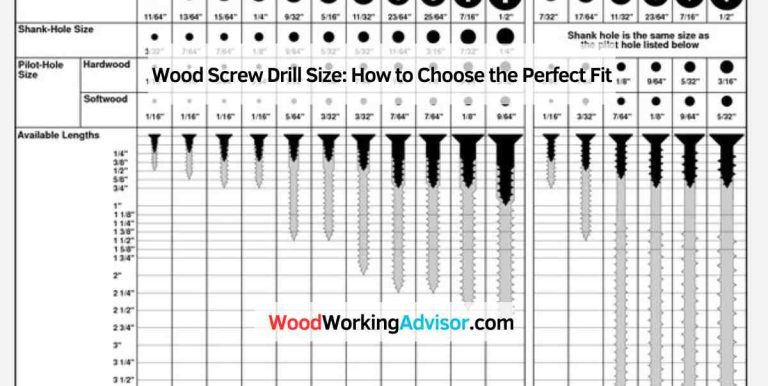
| 3/16 in. | 5/32 in. | At least 1/4 in. deeper than the screw embedment |
| 1/4 in. | 3/16 in. | At least 1/4 in. deeper than the screw embedment |
The extra depth gives the dust somewhere to go. If the hole is only as deep as the screw, packed dust stops the screw short and it will not seat. A small shop vacuum held at the hole while you drill, or a blow-out with a straw or bulb between passes, makes a real difference.
- Protect your lungs. Drilling concrete, brick and block releases respirable crystalline silica dust, a recognized lung hazard. Wear a properly fitted N95 or better respirator, use a vacuum or dust shroud, and keep the dust out of living areas.
- Protect your eyes and ears. Wear safety glasses, and hearing protection for longer runs.
- Check what is behind the surface. Use a stud or metal detector before drilling walls, and stay clear of known electrical, gas and plumbing runs.
- Use the side handle if your drill has one. A bit that binds in rebar will twist the tool hard against your wrist.
Which One Should a Woodworker Buy?
Buy the plain drill/driver if your work never leaves wood, plywood and drywall. It is lighter, cheaper, and you will never be tempted by the wrong mode. Buy the hammer drill/driver if you have a concrete slab or brick where you want to mount shop fixtures, since the same tool then handles pilot holes in a workbench top in the morning and Tapcon anchors in the floor in the afternoon.
If you are also choosing between a drill and an impact driver for driving long screws, our impact driver vs hammer drill comparison and our DeWalt drill vs impact driver guide explain how those tools differ. Impact drivers use a 1/4 in. hex collet and add rotational impacts instead of forward hammering, so they are not a substitute for a hammer drill in masonry.
Frequently Asked Questions
Can I use a hammer drill for regular drilling jobs?
Yes. Turn the mode collar to the plain drill setting and it behaves like an ordinary drill/driver. The hammer action only engages when you select it.
Is a hammer drill too powerful for wood?
Not if the hammer mode is off. Torque and speed are the same in drill mode. Problems only start when hammer mode is left on, which tears wood fibers and can make the bit wander.
What is the difference in cost between a hammer drill and a standard drill?
Within the same brand and battery platform a hammer drill/driver usually costs somewhat more than the plain drill/driver. On Amazon in late September 2026, DeWalt’s compact 20V hammer drill listed around $141 as a bare tool, and hammer drill kits with a battery and charger listed from about $235 to $279.
Do I need a hammer drill if I only plan to hang pictures?
No. Pictures on drywall or wood studs need only a normal drill. A hammer drill starts to pay off when you are anchoring into brick, block or concrete.
Can a hammer drill drive screws?
Yes. In drill mode with the clutch set, most hammer drills drive screws exactly like a drill/driver. Do not use hammer mode for driving screws.
Wrap Up
A hammer drill is a drill with an optional hammering mode. Keep that mode off for wood, metal and drywall, switch it on with a carbide masonry bit for brick and concrete, and match your anchor to the right bit size. If masonry is on your project list, a hammer drill/driver is the one tool to buy. If not, a standard drill/driver is all you need.
Sponsored / affiliate links. As an Amazon Associate I earn from qualifying purchases. I may earn additional commission from eligible campaigns.