How to Find Where Termites are Coming from: Expert Tips
Are you tired of finding mysterious piles of wood dust around your home? Or perhaps you’ve noticed some unusual hollow spots in your wooden furniture?
These could be signs that termites have invaded your space. If you’re worried about these pesky intruders, you’re not alone. Termites can cause significant damage before you even realize they’re there. But don’t worry, you’re in the right place. In this guide, you’ll discover simple yet effective ways to track down where these unwelcome guests are sneaking in from.
By the end, you’ll feel empowered and ready to protect your home from further damage. Let’s get started on solving this mystery together!
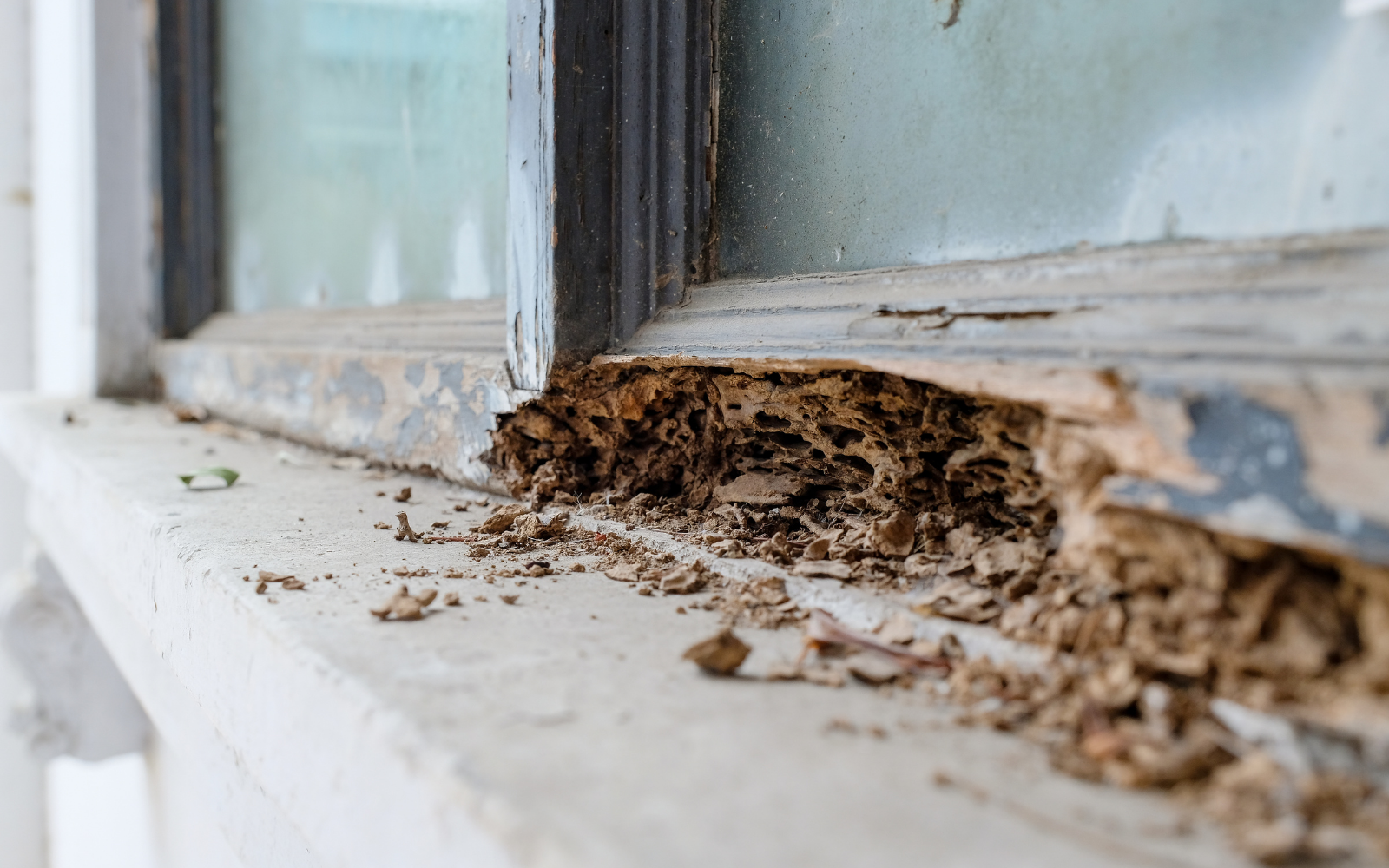
Credit: www.orkincanada.ca
Signs Of Termite Infestation
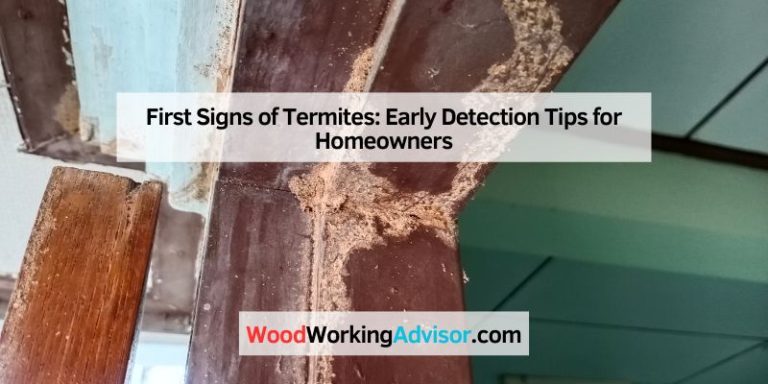
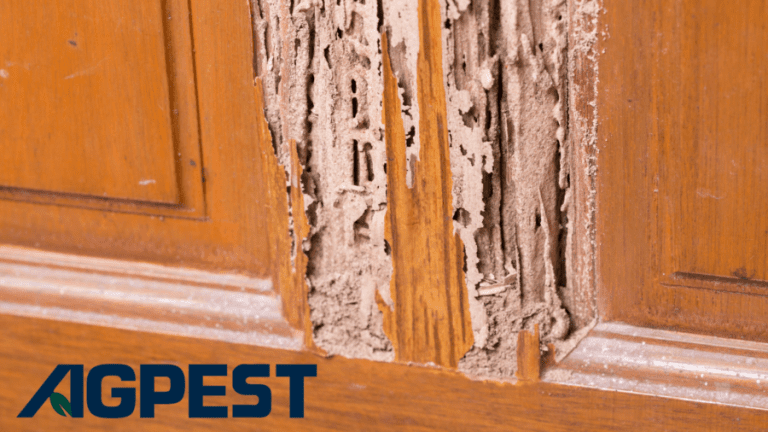
Wood damage is a strong sign of termites. Check wooden furniture and floors. Termites eat wood from inside. This causes hollows and cracks. Paint bubbles can also show termite damage. Walls and ceilings might look uneven. Termites can harm books and paper too.
Termites build mud tubes to travel. These are small tunnels made of soil. Look around walls and foundations. Mud tubes are thin like pencils. They protect termites from the sun and air. They connect the colony to food sources. Break a tube to check for termites.
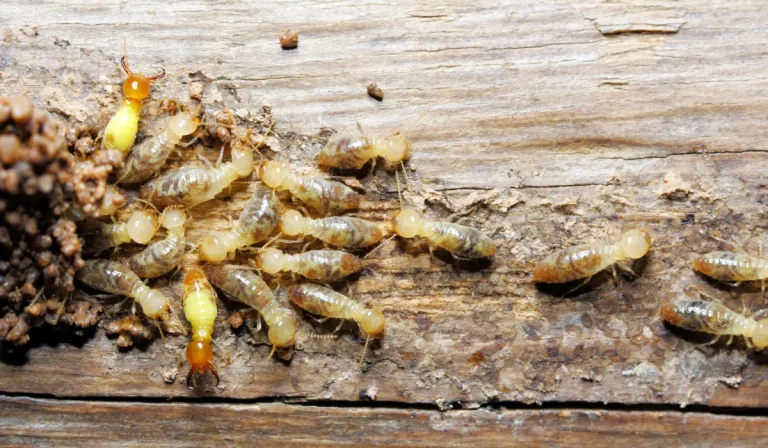
Wings are left behind when termites swarm. These are found near windows and doors. Termites lose wings after flying. Wings are similar to fish scales. Swarmers are young termites starting new colonies. Finding wings means termites are nearby.

Credit: www.mercurynews.com
Common Entry Points
Termites often enter through cracks in foundations. These cracks are small but dangerous. They make it easy for termites to slip inside. Regular checks are important. Seal any visible cracks to keep termites out.
Termites love wood touching soil. This contact makes it simple for them to climb up. Avoid direct contact between wood and soil. Use barriers to keep them away. Ensure wood structures are elevated from the ground.
Gaps around pipes and wires are common entry points. These gaps allow termites easy access. Seal these gaps with caulk or foam. Regular inspections help find new gaps. Keeping utilities sealed deters termite entry.
Environmental Factors
Termites love wet places. Water leaks help them thrive. Broken pipes, leaky roofs, and clogged gutters are common problems. Check them often to avoid termite invasion. Even small puddles attract these pests.
Termites feast on wood. Old wood piles are their favorites. Keep wood far from your house. Clean up debris quickly. Termites hide in leaf litter and branches. Regular cleaning keeps them away.
Poor landscaping invites termites. Overgrown plants near walls are risky. Trim plants often. Mulch retains moisture. Termites love it. Use stones or gravel instead. Proper landscaping protects your home.
Inspection Techniques
Hiring a professional can be very helpful. They know where to look for termites. Professionals use special tools and have lots of experience. They check cracks and crevices in your house. They even look in hidden places you might miss. Their knowledge helps them find termites quickly.
You can try to find termites with simple tools. A flashlight helps you see in dark spaces. A screwdriver is useful for checking wood. Tap wood with the screwdriver to hear if it’s hollow. A magnifying glass helps you see small details. These tools can help you find signs of termites.
Thermal imaging is a special way to find termites. This tool shows heat patterns. Termites make heat when they move. The camera sees this heat. You can find termites even behind walls. It’s a smart way to see what your eyes can’t. Thermal imaging makes termite searching much easier.
Preventive Measures
Check your home often for signs of termites. Look for small holes in wood. Examine walls and floors for cracks. Repair any damage quickly. Keep wood piles away from your house. Trim plants near walls. These steps make it hard for termites to hide. Regular checks help catch problems early.
Termites love moist places. Fix leaking pipes and gutters. Use a dehumidifier in damp areas. Ventilate basements and crawl spaces. Water should drain away from your home. Check air conditioning units for leaks. Dry soil around the house is best. Moisture attracts termites. Keep everything dry and clean.
Create barriers to stop termites. Use chemical treatments around the house. Apply special sprays and solutions. Some barriers are physical, like metal or sand. These stop termites from entering. Consult experts for effective solutions. Barrier treatments are important in termite prevention. They protect homes and properties.
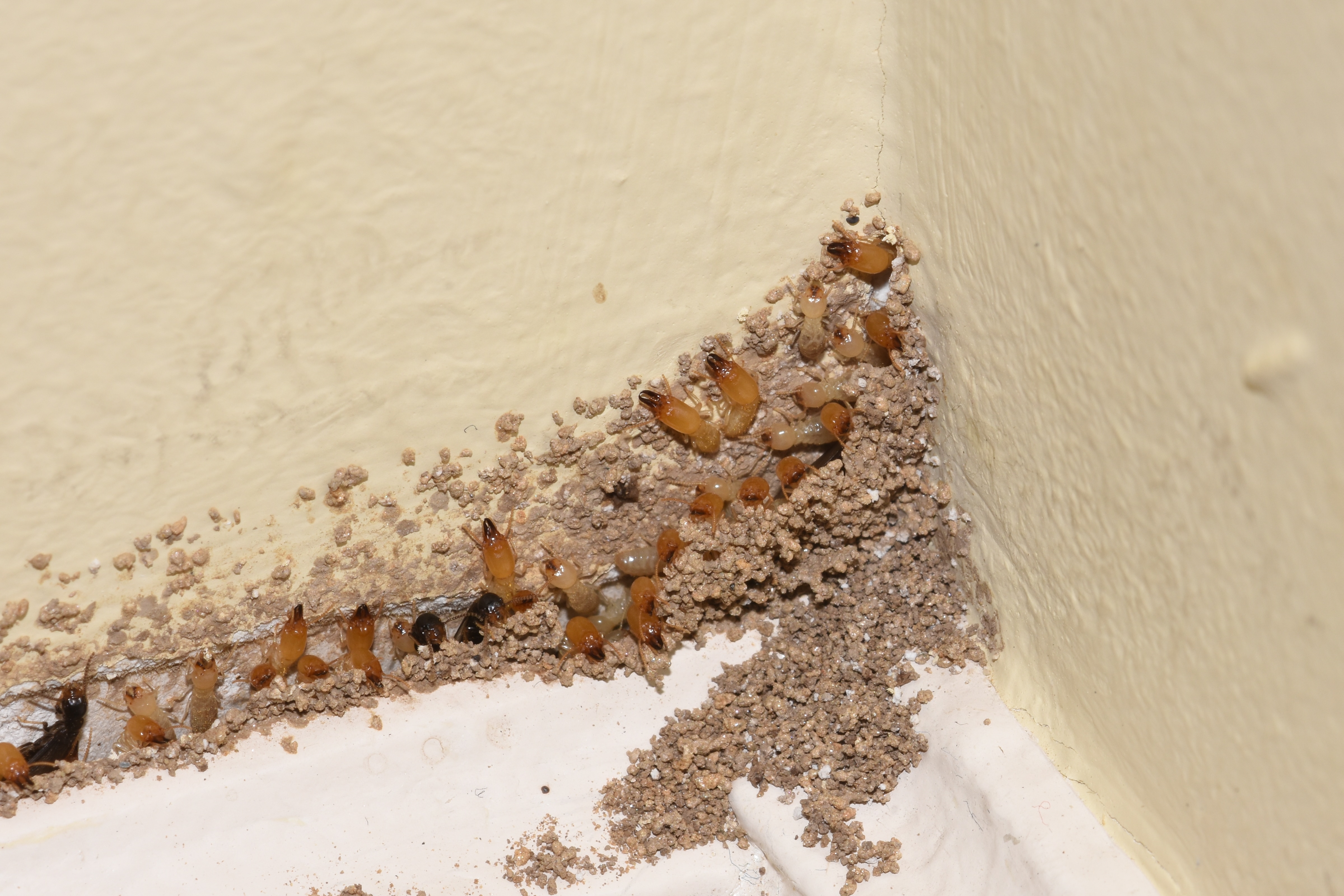
Credit: thepestrangers.com
Hiring A Professional
Sometimes, termites can be hard to find. You might see damaged wood or mud tunnels. These are signs of termites. They can hide in walls or floors. If you see these signs, it is time to call for help. A professional can find where termites come from. They know how to check your house. They use special tools to find termites.
Choose a service that knows a lot about termites. Ask friends for advice. Check online reviews. Make sure they have a license. This means they are trained and certified. Good services explain their process. They also tell you about costs. Always ask questions if you are unsure.
Services offer different treatments for termites. Some use chemicals. Others use natural methods. Ask which one is best for your home. Some treatments take longer. Others are quick. A good service will explain each option. They help you choose the right one. The goal is to keep your home safe from termites.
Frequently Asked Questions
How To Find The Source Of Termites?
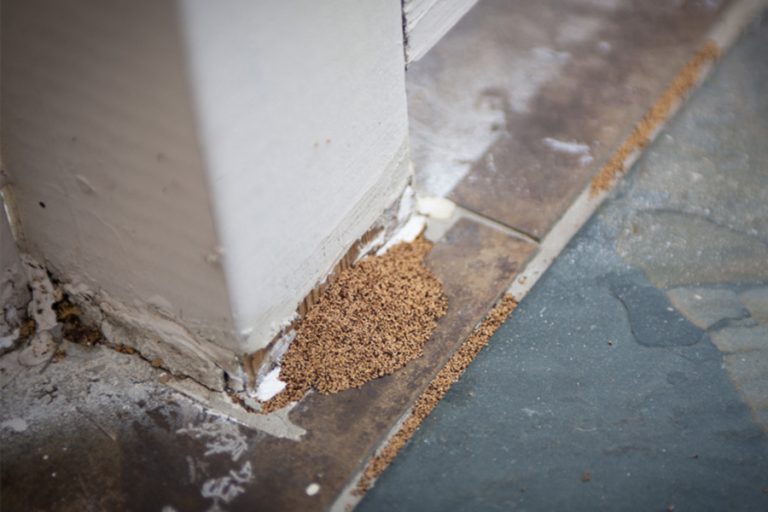
Inspect wooden structures for hollow sounds. Check for mud tubes along walls and foundations. Look for discarded wings near windows. Use a flashlight to spot frass, which resembles sawdust. Identify moisture-damaged areas, as termites are attracted to damp wood. Consider hiring a professional for a thorough inspection.
How Do You Find Where Flying Termites Are Coming From?
Inspect areas with wood damage and moisture. Check foundations, crawl spaces, and walls for swarms or mud tubes. Listen for clicking sounds inside walls, indicating nests. Examine windowsills and doors for discarded wings. Hire a pest professional for thorough inspection and treatment.
How To Find The Nest Of Termites?
Locate termite nests by inspecting wood for mud tubes, hollow sounds, or visible damage. Check damp areas. Look for discarded wings near windows or doors. Use a flashlight to examine crawl spaces and basements. Contact professionals if you find signs of infestation for thorough inspection and treatment.
How Do You Tell If Termites Are In Your Walls?
Spot termite signs by checking for hollow-sounding walls, mud tubes, or discolored drywall. Look for small holes, peeling paint, or faint tapping sounds. Termite droppings resemble small wood pellets, often found near infested areas. Regular inspections help identify infestations early, ensuring timely treatment and minimizing damage.
Conclusion
Finding termite entry points can protect your home. Start with a thorough inspection. Look for mud tubes and wood damage. Check around windows, doors, and foundations. Use a flashlight for dark areas. Pay attention to moisture spots. Fix any leaks promptly.
Regularly clean and declutter your space. Prevention is key to avoiding infestation. Professional help is available if needed. Early detection saves time and money. Keep your home safe and termite-free with these simple steps. Stay vigilant and protect your investment.
A little effort goes a long way in maintaining a healthy home environment.