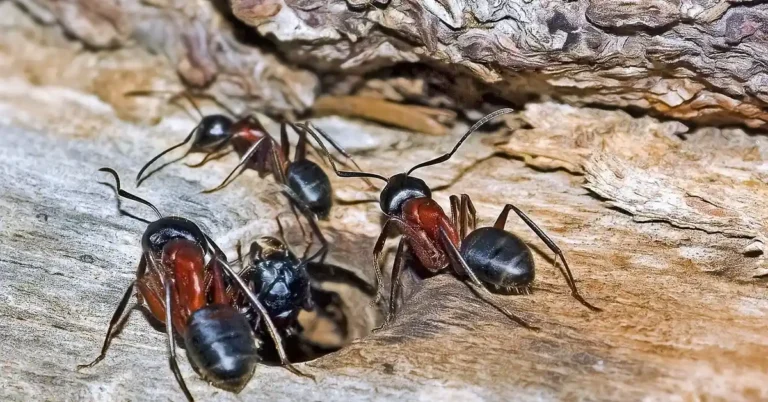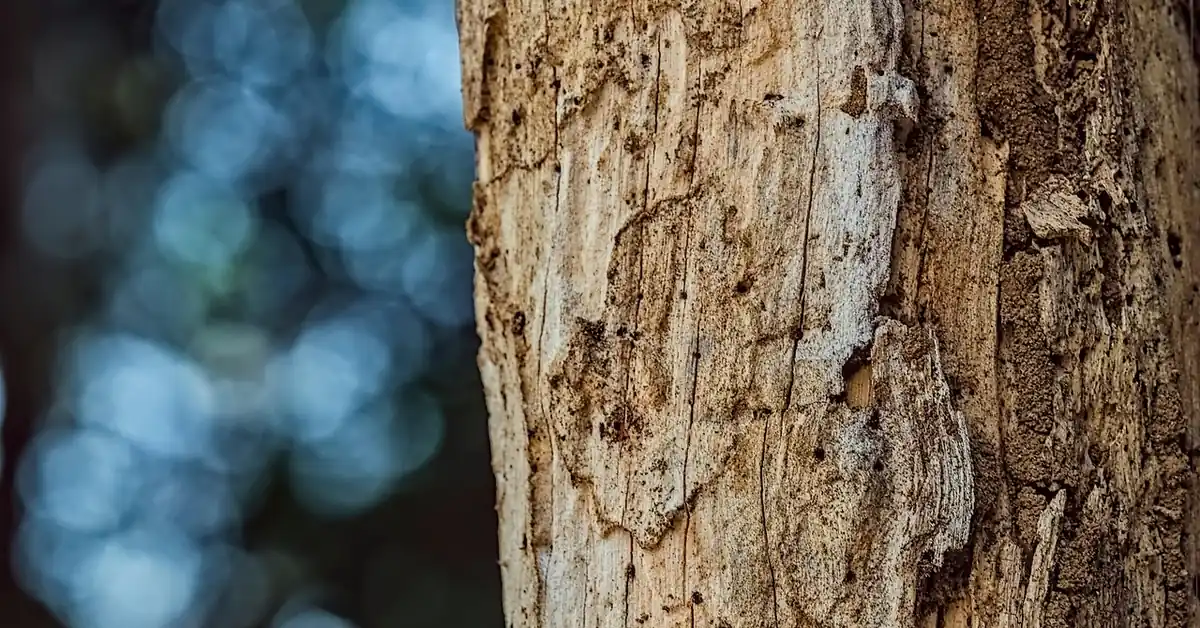
Mud Tubes on a Wall: Termites or Mud Daubers? (How to Tell)
Mud tubes on a wall usually mean subterranean termites, not mud dauber wasps — termite tubes run about 1/4 to 1 inch wide and climb from soil to wood, while dauber nests cluster under eaves. Left alone, an active colony can hollow out framing and sill plates within a few years. This guide covers how to identify mud tubes, tell them apart from dauber nests, and confirm whether a tube is still active.
Insert your Affiliate Disclosure reusable block here.
What Is a Mud Tube?
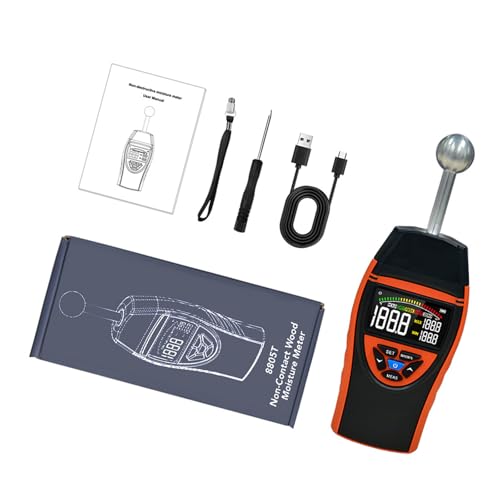
Best Moisture Meter Pick
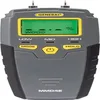
General Tools MMD4E Moisture Meter – $37.70
Checks wood, drywall, and framing near a suspect mud tube for the elevated moisture that draws subterranean termites in the first place — the same moisture-control step this guide recommends before you call a professional.
- Best for: Checking sill plates and framing near a foundation for termite-friendly moisture
- Why we picked it: Reads both wood and building materials, with a clear low/medium/high scale
- Main drawback: Pins leave small holes, so it’s not ideal for finished surfaces
Compare more moisture meter options
 Option 1 Klein Tools ET140 Pinless – $49.97
|
 Option 2 Mecurate Pin Type Meter – $27.99
|
 Option 3 TopTes TS-630 Meter – $29.99
|
As an Amazon Associate we earn from qualifying purchases.
A mud tube is a pencil-width tunnel that subterranean termites build from soil, chewed wood, and saliva. It shields the worker termites from light, dry air, and predators while they travel between the underground colony and a wood food source. Tubes feel gritty and crumbly when touched, and they usually run in a fairly straight vertical line up a foundation, pier, or wall. This falls under general termite prevention and control, since spotting a tube early is what makes early treatment possible.
What Mud Tubes Look Like
Working tubes are 1/4 to 1 inch wide, light to dark brown, and solid-looking on the outside but hollow when snapped open. According to NC State Extension, tube diameter tends to track colony size — a mature colony builds noticeably wider tubes than a young one. You’ll typically find them on foundation walls, floor joists, sill plates, crawl space piers, and occasionally hanging from subflooring or ceilings.
Why Termites Build Them
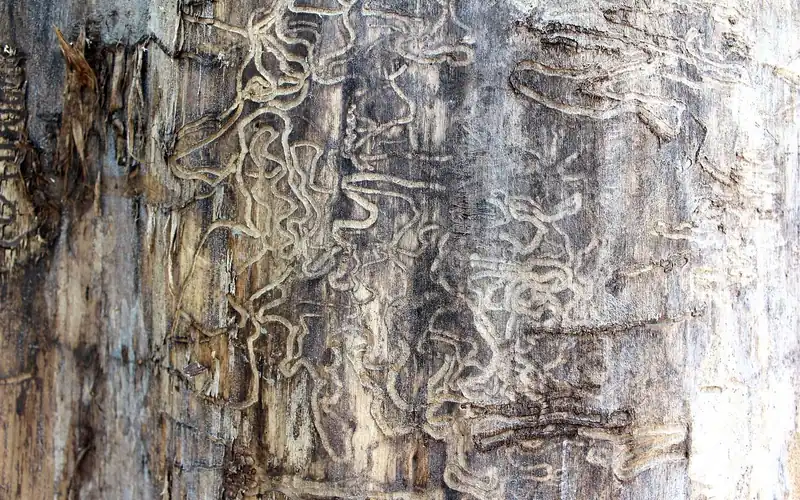
Subterranean termites dehydrate quickly outside soil, so a mud tube is essentially a portable, moist highway. It keeps them hidden from ants, birds, and sunlight while they commute between the colony and whatever wood they’re feeding on — framing, trim, flooring, or furniture in direct or near contact with the tube.
Mud Tubes vs. Mud Dauber Nests: How to Tell Them Apart
Not every muddy structure on a wall is a termite problem. Mud dauber wasps build their own tube-shaped nests, and homeowners regularly mistake one for the other. The two look similar at a glance but differ in shape, location, and behavior.
| Feature | Termite Mud Tube | Mud Dauber Nest |
|---|---|---|
| Shape | Thin, branching lines climbing vertically from the ground | Clustered cylindrical cells, side by side |
| Width | About 1/4″ to 1″ | Roughly 3/4″ per tube, in a bundled group |
| Location | Foundation walls, piers, framing — always connects to soil | Eaves, window frames, sheltered wall corners — never touches soil |
| What’s inside | Hollow, live termites if active | A single wasp larva per cell, no colony |
The simplest test: does the tube touch the ground? Termite tubes always connect back to soil because the colony lives underground. A mud dauber nest is built entirely above grade and is never attached to the soil line.
“Tubes that run from the soil to wood are a good way to help you realize they’re coming.”
— Maxcy Nolan, Entomologist, University of Georgia Extension Service
Types of Termite Mud Tubes
Pest control research identifies four functional types of tubes, and knowing which one you’re looking at tells you how serious the situation is.
- Working (utility) tubes: The main travel route between the colony and an active food source. Sturdy, 1/4″–1″ wide, usually along foundations and joists.
- Exploratory tubes: Thin, fragile, and branching. Termites build these while scouting for new wood — they often dead-end without reaching food.
- Swarm tubes: Wider, short tubes built near an exit point so winged reproductives (swarmers) can leave the colony to start new nests.
- Drop tubes: Thin tubes that hang down from an overhead wood source, like a subfloor or joist, back toward the ground.
How to Tell If a Mud Tube Is Still Active
Old, abandoned tubes are dry, crumbly, and often broken in several places with no repair. An active tube is intact and gets rebuilt fast when disturbed. Here’s how to check:
- Break a small section in the middle: Snap off about an inch of the tube without destroying the whole structure.
- Mark the spot and date it: Use a pencil or piece of tape near the break so you can check the same location later.
- Wait 2–3 days: Don’t touch the area again during this window.
- Re-check the break: If the gap has been patched with fresh mud, the colony is active and still using that route.
- Check a second tube if possible: One repaired tube is enough to confirm activity, but checking a second helps gauge how widespread the colony is.
An unrepaired break after a week doesn’t guarantee you’re termite-free — the colony may simply be using a different route. Pair this test with a professional inspection before assuming the problem is gone.
Where Mud Tubes Show Up in a Home
Check these spots first, since they’re where wood sits closest to soil or moisture:
- Exterior foundation walls, especially where siding or brick veneer meets the ground
- Crawl space piers, floor joists, and the underside of subflooring
- Sill plates — the wood that sits directly on top of the foundation
- Basement walls and support columns
- Cracks in concrete slabs, expansion joints, and utility penetrations
A pin-type or pinless moisture meter helps confirm whether a suspect area is holding the dampness termites need, even before you spot a visible tube. It’s a fast first check before pulling out a flashlight and screwdriver for a full inspection.
Preventing New Mud Tubes
Moisture Control
- Fix plumbing leaks quickly — a small drip under a sink or slab is enough to draw termites over months.
- Keep gutters and downspouts clear and pointed away from the foundation.
- Maintain an 6-inch gap between soil or mulch and any wood siding, trim, or framing.
Physical and Chemical Barriers
- Physical barriers: Stainless steel mesh or graded-sand barriers installed under slabs during construction block tunneling.
- Liquid termiticide barriers: A licensed applicator treats the soil around the foundation perimeter to stop termites from crossing.
- Bait stations: In-ground stations let foraging termites carry a slow-acting bait back to the colony.
If termites already reached untreated framing or trim before you spotted the tubes, see our guide on how to kill termites already in wood for injection and borate treatment options, or how to treat reclaimed or salvaged wood before it goes into a new project.
Mud Tubes vs. Full Termite Damage: When to Call a Professional
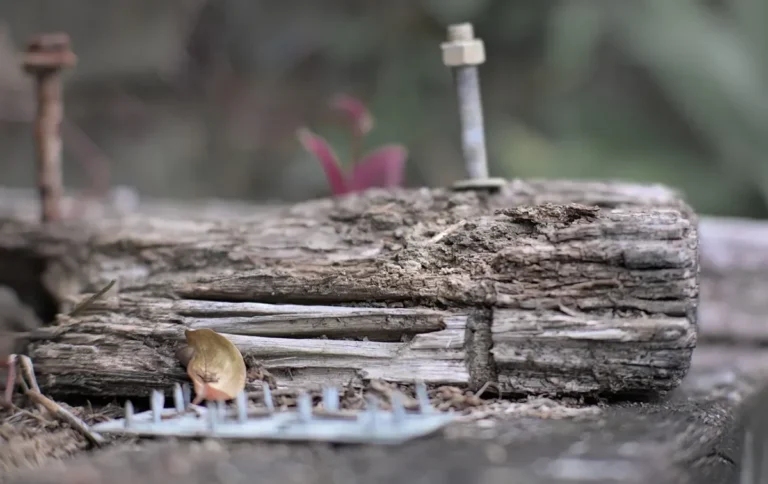
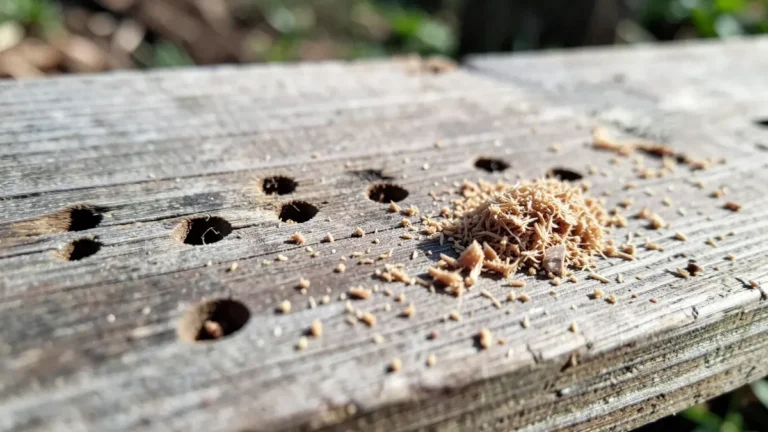
A mud tube tells you termites are traveling through an area — it doesn’t tell you how much wood they’ve already eaten. For that, check the wood itself: hollow-sounding framing, sagging floors, and bubbling paint are separate warning signs covered in our guide to what termite damage looks like on wood. If you find active mud tubes plus any of those signs, or the infestation keeps returning after treatment, bring in a licensed pest control professional rather than relying on DIY barriers alone.
According to the U.S. EPA, termites cause billions of dollars in structural damage across the country every year, and property owners spend over $2 billion annually just to treat and repair the damage — which is why catching an active mud tube early is worth the extra ten minutes of inspection.
Frequently Asked Questions
What are the mud tubes in my walls?
They’re almost always subterranean termite shelter tubes — pencil-width tunnels made of soil, chewed wood, and saliva that termites build to travel safely from the soil to a wood food source while staying moist and hidden.
What insects leave mud tubes?
Subterranean termites build the pencil-thin, vertical mud tubes most homeowners find on foundations and walls. Mud dauber wasps build a visually similar but distinct structure — clustered cylindrical nest cells, usually under eaves or in sheltered corners, that never connect to the soil.
Should I remove termite mud tubes?
Leave at least one tube intact until a pest control professional has inspected it, since an active tube helps confirm the infestation and target treatment. After treatment is complete, tubes can be scraped off — removing them alone doesn’t get rid of the colony.
What are the mud tubes hanging from the ceiling?
These are drop tubes — termites build them downward from an overhead wood source, like a subfloor or joist, back toward the ground or another surface. They’re a sign of an active colony working from above, not just from the foundation up.
Can I test a mud tube myself to see if it’s active?
Yes. Break a small section in the middle of the tube, mark the spot, and check back in 2 to 3 days. If the break has been patched with fresh mud, termites are still actively using that tube.
Conclusion
Mud tubes on a wall are the clearest visible sign of subterranean termite activity, but not every muddy tunnel is a termite problem — check the width, the branching pattern, and whether it connects to soil before assuming the worst. A quick break-test tells you whether the tube is still active, and a moisture check around the area helps you catch the next one before it starts. When in doubt, or when tubes keep coming back, bring in a licensed professional rather than guessing.
Sponsored / affiliate links. As an Amazon Associate I earn from qualifying purchases. I may earn additional commission from eligible campaigns.