How to Get Paint Off Wood Cabinets: Safe Methods by Material
Citrus stripper, a heat gun, or plain vinegar will get paint off solid wood cabinets, but a heat gun can blister laminate or MDF doors in seconds, so the right method depends on what’s under the paint. Using the wrong one wastes a stripper can or ruins a cabinet door outright. This guide covers which method fits your cabinet material, plus step-by-step paint stripping and finishing.
Quick Answer
Scrape off loose paint with a plastic putty knife, then apply a citrus-based stripper or use a heat gun held 2-3 inches away at a slight angle — safe for solid wood only. On laminate or MDF cabinets, skip the heat gun and use vinegar or a gentle stripper instead, then finish with 220-grit sandpaper.
Is Your Cabinet Solid Wood, MDF, or Laminate? (Check This First)
Best Paint Stripper Pick
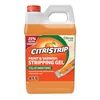
Citristrip Stripping Gel, 40 oz
A citrus-based gel that clings to vertical cabinet doors and softens multiple layers of paint without the fumes of a solvent stripper.
- Best for: Solid wood and MDF cabinet doors with multiple paint layers
- Why we picked it: Low-odor formula works indoors and clings to vertical surfaces instead of dripping
- Main drawback: Needs 45 minutes to an hour of dwell time to fully soften thick paint
Compare more paint-removal tools
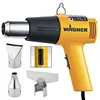 Option 1 Wagner HT1000 Dual-Temp Heat Gun
|
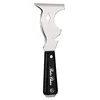 Option 2 Bates 10-in-1 Painter’s Scraper
|
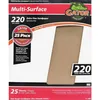 Option 3 Gator 220-Grit Sanding Sheets (25-pack)
|
As an Amazon Associate we earn from qualifying purchases.
The paint will come off any of these materials, but the method that’s safe changes depending on what’s underneath. Solid wood can take heat and aggressive scraping; MDF, laminate, and veneer cannot — a heat gun can bubble the laminate surface or soften the glue holding an MDF panel together, and heavy sanding can cut straight through a veneer layer that’s often under 1/32 inch thick.
| Cabinet Material | Safe Methods | Avoid | Why |
|---|---|---|---|
| Solid wood (oak, pine, maple) | Heat gun, citrus stripper, sanding, vinegar | — | Solid grain tolerates heat and light scratches |
| MDF (painted, no laminate) | Citrus stripper, vinegar, light sanding | Heat gun on high, pressure washer | Heat softens the resin binding the fibers; water can swell the panel |
| Laminate / thermofoil | Citrus stripper (short dwell), vinegar | Heat gun, aggressive sanding | Heat bubbles or peels the laminate layer off the substrate |
| Veneer | Citrus stripper (light coat), vinegar | Heat gun, pressure washer, heavy sanding | Veneer is often under 1/32″ thick and sands or scorches through fast |
Not sure which you have? Solid wood shows consistent grain on the edges of the door; MDF edges look smooth and uniform with no grain at all; laminate has a thin, slightly glossy surface layer you can sometimes lift at a corner or seam with a fingernail.
Removing paint from wood cabinets can be done with chemical strippers, a heat gun, or vinegar, and each has trade-offs worth knowing before you start — see our full guide to removing paint from wood for methods that also work on trim and furniture, not just cabinets.
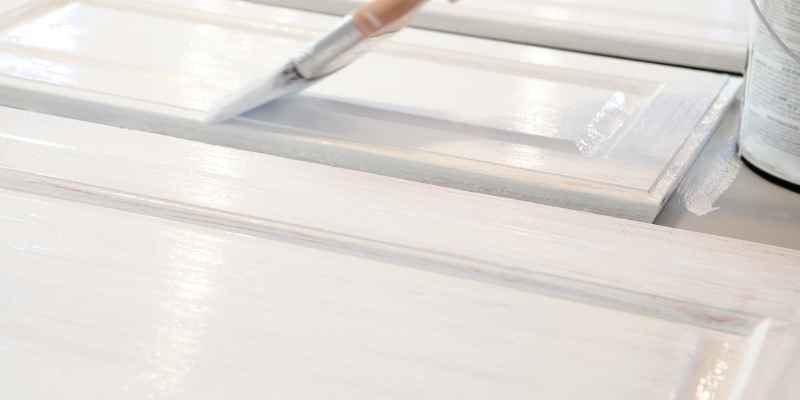
How to Remove Dried Paint From Wood Cabinets
Dried paint comes off wood cabinets by gently scraping, softening it with a damp rag or heat, then finishing with fine sandpaper. Vinegar works on solid wood but can dull or discolor a hardwood finish, so test it on an inconspicuous spot first.
Gently Scraping Up Dried Paint
Start with a plastic scraper or putty knife rather than metal — metal edges gouge wood even when you’re careful. Work in the direction of the grain and stop once most of the loose paint is off; a soft-bristle brush handles what’s left embedded in the grain.
Using a Damp Rag Over Dried Paint
Hold a damp rag against stubborn dried paint for a few minutes to soften it, then rub it off. Repeat as needed — this is the gentlest option and the safest one to try first on laminate or MDF doors.
Applying Heat to Dried Paint
On solid wood only, hold a heat gun a few inches from the paint until it softens, then lift it with a scraper. Keep the gun moving — lingering in one spot scorches the wood or, on doors that have both solid wood and laminate accents, blisters the laminate before the wood even browns. Be cautious not to hold the heat gun too close or too long at one spot.
“We hold the heat gun about 2-3 inches from the surface at a slight angle and keep it moving constantly — stopping in one spot for even a few extra seconds is long enough to leave a scorch mark on pine that’s already had the paint softened off it.”
Using Solvent for Remaining Dried Paint
If scraping, rag, and heat don’t fully clear it, a solvent handles what’s left. Spot-test on an inconspicuous area of the wood cabinet first to confirm it won’t damage the finish, then apply it to the dried paint, let it sit a few minutes, and wipe it off with a rag.
Finishing With Fine-Grit Sandpaper
Once the paint is off, sand with 150-220 grit sandpaper in the direction of the grain to smooth out roughness and lift any leftover residue. Wipe the area with a damp cloth and let it fully dry before refinishing.
Watch a heat-gun-and-scraper method in action:
How to Strip Paint With a Chemical Stripper (Step by Step)
Chemical stripper is the most reliable way to get multiple layers of paint off wood cabinets without power tools. Follow these steps in order:
- Remove the hardware: Unscrew knobs, pulls, and hinges and set them aside in a labeled container so the stripper doesn’t damage or discolor the metal.
- Test the stripper: Apply a small amount to an inconspicuous spot and follow the label’s dwell time — most citrus-based strippers need 45 minutes to an hour under plastic wrap to fully soften multiple layers.
- Apply the stripper: Coat the painted surface generously and keep it saturated so it doesn’t dry out before it finishes working; oil-based paint often needs a second coat to fully lift.
- Scrape and sand: Once the paint bubbles, lift it with a plastic scraper, then finish with 150-220 grit sandpaper in the direction of the grain and wipe clean with a rag.
📊 Most citrus-based paint strippers need 45 minutes to an hour of dwell time under plastic wrap to fully soften several layers of paint. — Source: typical citrus paint-stripper product label instructions
Wear gloves and a mask, and work in a ventilated area even with a low-odor citrus stripper. If the stripper damages the wood or finish during your test spot, switch to vinegar or a gentler product instead. A metal cleaner also works well on the hardware you set aside in step one.
Removing Paint With Vinegar
Vinegar is a safe, low-cost option that works on solid wood, laminate, and MDF cabinets alike — it’s gentler than heat or solvent, though slower.
Checking for Damage
Before applying vinegar, check the cabinet for existing damage or scratches that could get worse during scrubbing.
Applying and Scrubbing
Mix equal parts water and white vinegar, dampen a rag with it, and press the rag against the painted area for at least 30 minutes (do this in sections on larger surfaces). Once the paint softens, scrub gently with a soft-bristled brush — a metal brush will scratch the surface.
Vinegar is effective on wood, metal, plastic, and concrete, but its acidity can dull wax, stone, or some hardwood finishes — see our dedicated breakdown of whether vinegar removes paint from wood for the finishes it’s safe on.
Final Cleaning
Wipe away any remaining vinegar solution with a clean, damp rag, then use a wood cleaner to leave the surface ready for a fresh coat of paint or finish.
Pressure Washing Cabinets (Solid Wood Only)
Pressure washing strips paint fast on solid wood cabinets, but skip it on MDF or laminate — the water pressure can swell the panel core or lift the laminate at the seams.
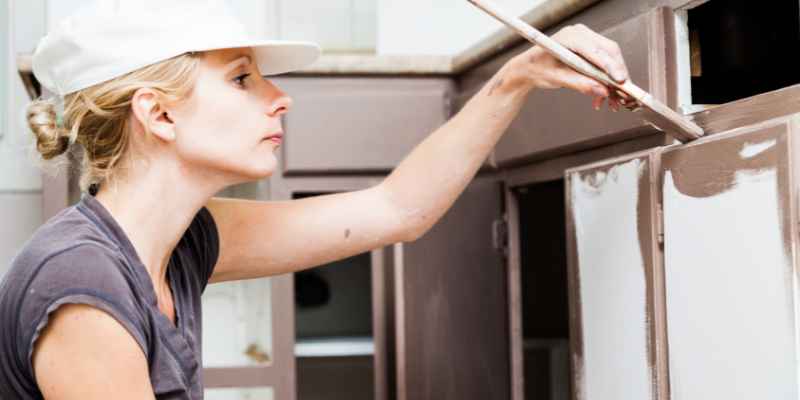
Clear the area of nearby furniture and cover any exposed electrical outlets. Wear eye protection, gloves, and a mask, then work with the wand held 2-3 inches from the surface, moving along the grain from top to bottom in overlapping strokes. Avoid lingering on one spot, and use the lowest pressure setting that still lifts the paint.
Once the paint is off, rinse away any remaining detergent and let the cabinets dry fully before applying a new finish.
Frequently Asked Questions on How to Get Paint off Wood Cabinets
How do you remove dried paint from wood cabinets?
Scrape up the loose paint with a plastic scraper, soften what’s left with a damp rag or heat (solid wood only), then use a solvent for stubborn residue and finish with 150-220 grit sandpaper. Vinegar also works, but avoid it on wax, stone, or some hardwood finishes.
Does vinegar remove paint from wood?
Yes — vinegar removes paint from wood, metal, plastic, and concrete, and it’s safe to use on laminate and MDF cabinets, unlike a heat gun. Its acidity can still dull wax, stone, or certain hardwood finishes, so test an inconspicuous spot first.
Can you pressure wash paint off cabinets?
Yes, but only on solid wood. Pressure washing works well on solid wood, metal, and concrete, but the water pressure can swell MDF or lift laminate at the seams. Peeling or flaking paint should be scraped off before pressure washing.
Is it better to strip or sand kitchen cabinets?
Stripping fully removes the old finish and works best for multiple paint layers; sanding is faster for one or two layers and doubles as surface prep for the next coat. The condition of the cabinets and how many layers of paint they have should decide which one you use.
Can you use a heat gun on laminate cabinets?
No — a heat gun can bubble or peel laminate and thermofoil surfaces, and it can also soften the glue bonding an MDF panel underneath. Use a citrus-based stripper or a vinegar-and-water solution on laminate or MDF cabinets instead, and save the heat gun for solid wood.
What’s the fastest way to remove paint from wood cabinets?
A heat gun is usually fastest on solid wood — it softens paint in seconds so you can scrape it off directly. On laminate, MDF, or veneer, a citrus stripper works faster than sanding and is safer than heat, though it needs 45 minutes to an hour of dwell time to fully soften multiple layers.
Conclusion
Removing paint from wood cabinets comes down to matching the method to the material: solid wood tolerates heat, aggressive scraping, and even a pressure washer, while MDF, laminate, and veneer need the gentler approach of a citrus stripper or vinegar. Take your time on the test spot before committing to a full application, and you’ll avoid the scorch marks and blistered laminate that come from rushing.
Once the surface is clean, check our broader guide to removing paint from wood for finishing tips, or head to what to put over painted cabinets to prevent chipping once you’ve repainted. If you’re working on trim instead of cabinet doors, our trim-specific guide covers the same idea with different tools, and painted veneer furniture has its own considerations covered in our veneer painting guide. For paint prep and material choices in general, see the full paints hub.
Sponsored / affiliate links. As an Amazon Associate I earn from qualifying purchases. I may earn additional commission from eligible campaigns.
 Sunmight Scuff Pads for Paint Prep Retail Pack 6" x 9" - Maroon 80100R - Aluminum Oxide - Surface Prep & Sanding Cloth - Abrasive Hand Pads for Auto, Marine, Aerospace- 3 Very Fine Sanding Sheets
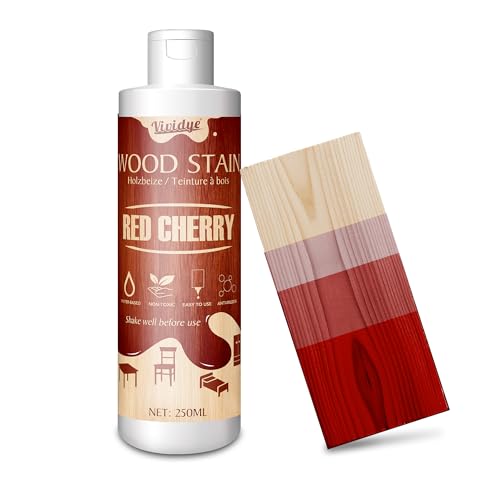 Wood Stain, 8.5oz/250ml Water Based Wood Stain for Indoor and Outdoor Furniture, Cabinet, Door, Trim and More - Fast Drying, Low Odor&Non-Toxic, Easy to Apply, Multiple Finishes (Red Cherry)