What Is a Paint Stripper Wash? (Uses, Steps & Safe Picks)
A paint stripper wash is a residue-removal liquid — usually mineral spirits, TSP, or a product like Klean-Strip After Wash — used to lift leftover stripper film from wood, metal, or masonry, since plain water alone won’t neutralize it. Skipping it is the top reason new stain, paint, or topcoat fails to bond evenly. This guide covers cleanup steps, the EPA’s 2019 methylene-chloride ban, and which current products (Citristrip, Dumond Smart Strip) are safe.
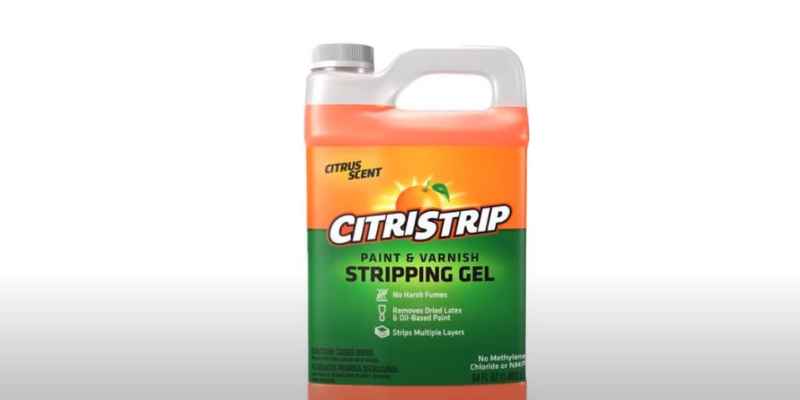
What Is Paint Stripper Wash?
Best Paint Stripper Wash Pick
Citristrip Paint & Varnish Stripping Gel
Non-NMP, no methylene chloride; removes 5 layers of dried latex paint in under an hour and stays wet up to 24 hours. 1 qt. runs about $13.98.
- Best for: Multi-layer paint and varnish on wood, metal, or masonry
- Why we picked it: Citrus-based gel clings to vertical surfaces and needs no methylene chloride or NMP
- Main drawback: Slower-acting than solvent-based strippers on thick multi-coat jobs
Compare more paint stripper wash options
 Option 1 Heavy-Duty Stripper Residue & Grease Remover
|
 Option 2 Dumond Smart Strip Advanced
|
 Option 3 Max Strip Citrus Paint Stripper Gel, 1 Qt
|
As an Amazon Associate we earn from qualifying purchases.
Paint stripper wash is a cleaning solution that neutralizes and removes leftover chemical residue after paint stripping. It is applied to wood, metal, or masonry once the paint stripper itself has been scraped off, and it evaporates without leaving a film — unlike plain water, which can raise wood grain or leave the surface still tacky with unreacted stripper.
Paint Stripper Wash Definition:
A paint stripper wash is a mild solvent or cleaning solution used after chemical paint stripping to neutralize residual stripper chemicals and remove leftover film from the surface. Most formulas are gentler than the stripper itself and are safe for antiques, veneer, and fine furniture when used as directed.
Why Is Paint Stripper Wash Necessary?
Chemical paint strippers remove old paint, but they also leave behind a thin film of reacted solvent and paint residue. Left untreated, that residue can prevent new stain, paint, or topcoat from bonding properly — you’ll often see spotty absorption or a tacky surface. A paint stripper wash neutralizes and lifts that film before refinishing.
Common Types of Paint Stripper Wash:
— Mineral spirits: A petroleum-based solvent commonly used to remove remaining residue after paint stripping; effective on oil and grease left behind.
— TSP (trisodium phosphate): A strong, alkaline-based cleaner that cuts through stubborn stains and grime after stripping.
— Water and baking soda: A homemade alternative — mix water and baking soda in a pot and heat it, dip painted metal items in, then scrape and rinse.
— Dedicated stripper-wash products: Klean-Strip Paint Stripper After Wash and Back to Nature After Wash are purpose-built, pad-applied washes that evaporate without residue.
Quick Answer
Yes — paint stripper wash and mineral spirits are related but not identical. Mineral spirits are a general solvent; a dedicated stripper wash is formulated specifically to neutralize stripper chemicals without raising wood grain or loosening veneer, which is why most manufacturers (Klean-Strip, Sunnyside) recommend their own wash over plain mineral spirits for antiques and fine furniture.
Is Methylene Chloride Banned in Paint Strippers? (EPA 2019 Ruling)
Yes. Since November 22, 2019, the EPA has banned the manufacture, processing, and retail distribution of methylene chloride (dichloromethane) in all paint and coating removers sold to consumers — the chemical is linked to fatal fume exposure and long-term cancer risk. In 2024, the EPA finalized a broader rule phasing down most remaining industrial and commercial uses of methylene chloride as well.
📊 The EPA’s consumer-sale ban on methylene chloride paint strippers has been in effect since November 22, 2019, with a 2024 rule extending phase-down requirements to most industrial and commercial uses — Source: US EPA, Final Rule on Methylene Chloride
Every product covered in this guide’s picks below — Citristrip, Klean-Strip After Wash, Dumond Smart Strip Advanced, and Sunnyside Back to Nature — is formulated without methylene chloride or NMP (N-Methyl-2-pyrrolidone), the two solvents most associated with acute chemical hazards in older stripper formulas. If you’re buying a stripper or wash today, check the label for “non-methylene chloride” or “non-NMP” — reputable current brands state this explicitly.
How To Use Paint Stripper Wash?
Preparing The Surface
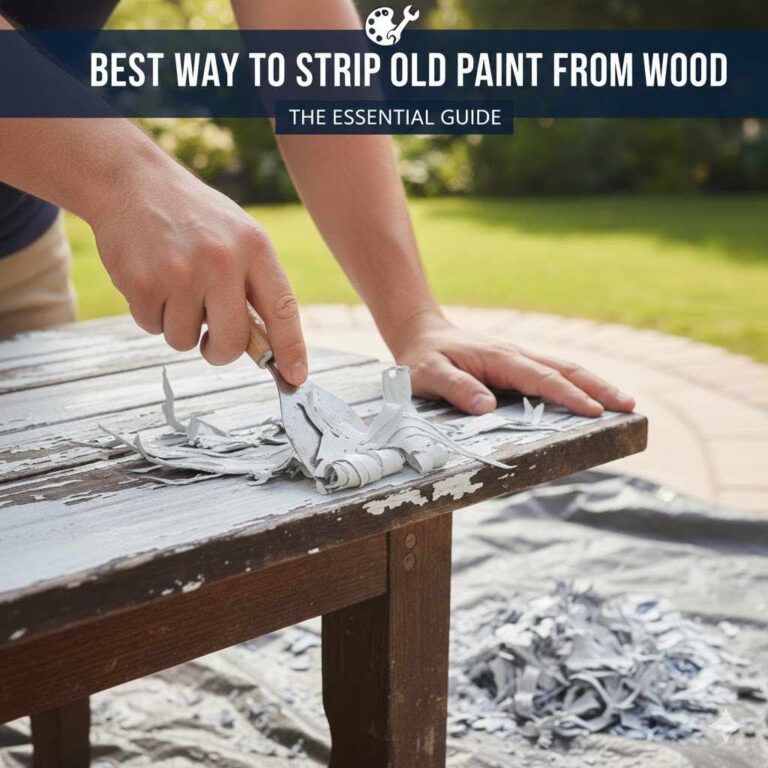
Finish the paint-stripping step first — apply your chemical stripper, let it dwell per the label, then scrape away the softened paint. Wear chemical-resistant gloves and eye protection through this entire process.
Applying The Paint Stripper Wash
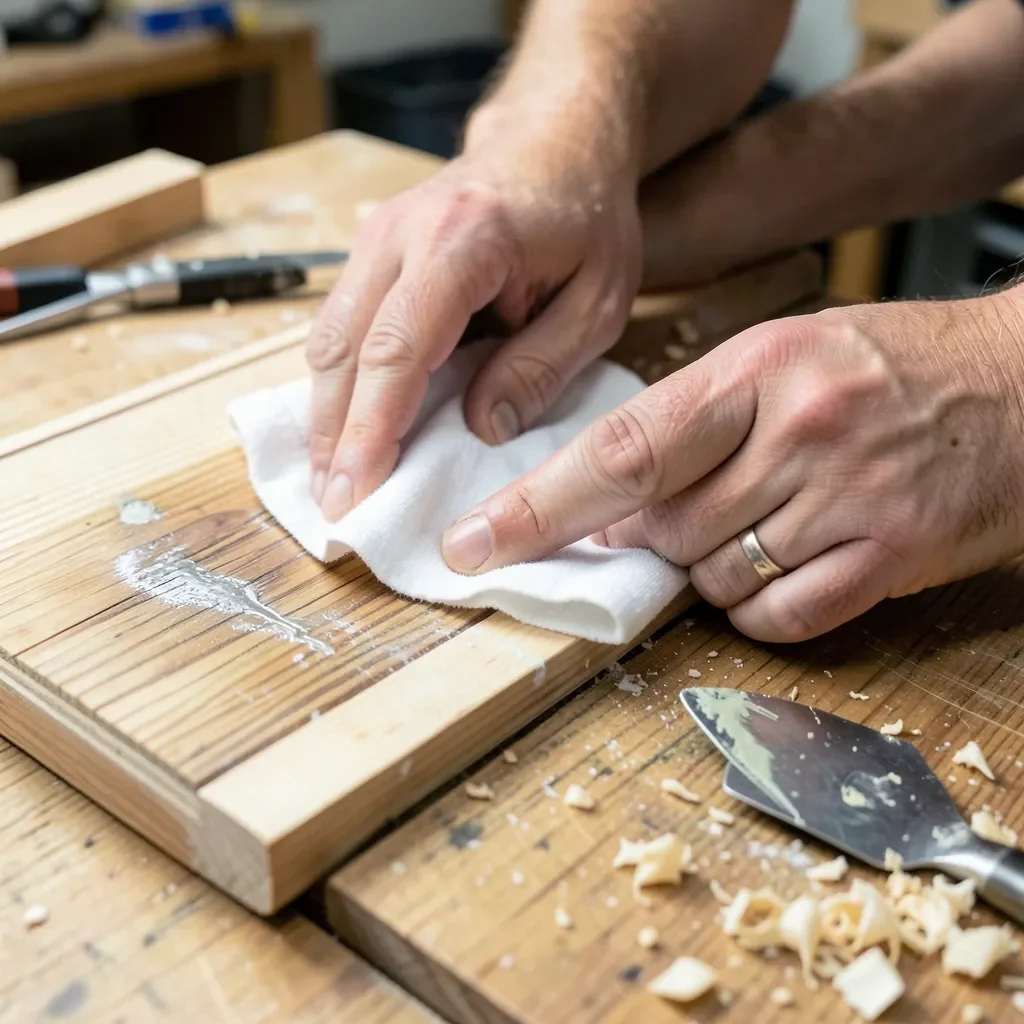
Apply the stripper wash with a clean pad or abrasive scrub pad, working with the wood grain. Let it sit briefly per the label, then wipe.
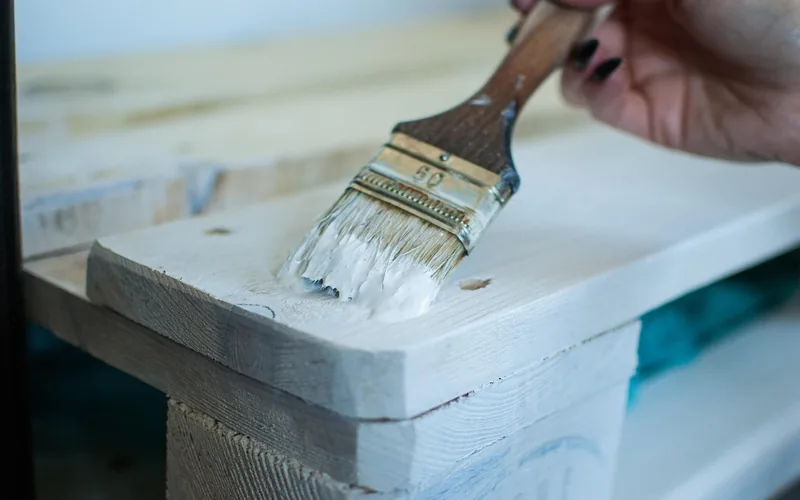
Removing The Paint Stripper Residue
Scrub gently in the direction of the wood grain to lift the last of the residue without gouging softened fibers. Change pads once one gets saturated — reusing a loaded pad just redeposits residue.
Cleaning And Rinsing
If the label allows a water rinse, rinse and let the surface dry fully — usually 24 hours — before sanding or refinishing. If the stripper wash warns against water, use a second dry-pad wipe instead.
Comparison Of Paint Stripper Wash And Mineral Spirits
What Is Mineral Spirits?
Mineral spirits are a petroleum-derived solvent used broadly for thinning oil paints, cleaning brushes, and degreasing surfaces. They’re less targeted than a dedicated paint stripper wash but are cheaper and more widely available.
| Factor | Paint Stripper Wash | Mineral Spirits |
|---|---|---|
| Formulated for | Neutralizing stripper residue specifically | General solvent/degreaser |
| Effect on wood grain | Won’t raise grain or loosen veneer | Can raise grain with heavy use |
| Best for | Antiques, fine furniture, post-stripping cleanup | General cleanup, brush cleaning, degreasing |
| Cost | Moderate ($10–$36/quart depending on brand) | Low ($8–$15/quart) |
When To Use Paint Stripper Wash Over Mineral Spirits?
Use a dedicated paint stripper wash on antiques, veneer, or fine furniture where raising the grain or loosening glue joints is a real risk. Mineral spirits are fine for everyday projects on solid wood, metal, or masonry where a gentler formula isn’t essential.
Benefits Of Using Paint Stripper Wash Over Mineral Spirits
Paint stripper wash is purpose-built to counteract the specific chemicals left by a stripper, so it typically neutralizes residue faster and more completely than a general solvent, without the grain-raising or joint-loosening risk of heavier mineral-spirits use.
Best Paint Stripper Wash
Overview of the Top Paint Stripper Washes
The four products below cover the range from citrus-based gel strippers to dedicated after-wash cleaners — every one is confirmed methylene-chloride-free and NMP-free by its manufacturer as of 2026.
Citristrip Paint and Varnish Stripper
Citristrip’s biodegradable, citrus-scented gel is non-corrosive and formulated without NMP or methylene chloride. It removes five layers of dried latex paint in under an hour and stays workable for up to 24 hours, so multi-layer jobs can be stripped in a single application. A 1-quart container runs about $13.98; the half-gallon size is about $24.48.
Klean-Strip Paint Stripper After Wash
This is a dedicated after-wash, not a paint stripper itself — it’s designed specifically for the residue-removal step covered earlier in this guide. Applied with a pad, it evaporates quickly without leaving residue and is gentle enough for fine furniture and antiques. Note: its label carries a California Prop 65 warning for ethylbenzene, cumene, and methanol, so use it in a well-ventilated area.
Dumond Smart Strip Advanced
Smart Strip Advanced is a non-caustic gel that strips up to 15 layers of acrylic, latex, oil, or water-based paint in one application, indoors or out. It contains no methylene chloride or NMP.
“Introduced in 2006, Smart Strip Advanced has taken a crucial role in major restoration projects on historic buildings and landmarks… The Eiffel Tower in Paris, the US Capitol Building in Washington, D.C., and even the famous Hollywood sign in California have all been restored using Smart Strip Advanced.”
— Dumond Chemicals, manufacturer product page
Sunnyside Corporation Back to Nature Multi-Strip Advanced Paint Remover
Made from biodegradable, low-odor ingredients with no methylene chloride, NMP, or caustic, this remover strips up to 15 layers of oil- or water-based paint and varnish — and unlike most competitors, it can also handle two-part epoxy and urethane coatings. Pair it with Back to Nature After Wash for the residue-removal step.
How To Clean Up After Paint Stripping?
Removing the Paint Stripper Residue
Apply your chosen stripper wash with a clean pad, working with the grain, then wipe away the loosened residue before it dries back onto the surface.
Cleaning and Rinsing the Surface
If the product label allows it, rinse with water and wipe dry. If it warns against water, use a second dry-pad pass instead, then let the surface air out in a ventilated space.
Drying and Sanding
Let the surface dry fully — typically 24 hours — before a light sanding pass to smooth any raised grain. Confirm the wood feels dry and residue-free before applying any new stain or finish.
DIY Paint Stripper Wash
If you’d rather skip a store-bought wash, a homemade version works for light residue on solid wood or metal — though it won’t match a dedicated product’s gentleness on antiques or veneer. See our full homemade paint stripper guide for eco-friendly stripping options too.
Ingredients Required
- 1 quart of water
- 1/4 cup baking soda
- A pot for heating
- Scraper and clean rags
Steps to Make Homemade Paint Stripper Wash
- Heat the solution: Combine the water and baking soda in a pot and bring to a boil.
- Add the piece: Submerge small hardware or metal items and remove from heat.
- Scrape: Scrape away the loosened paint once cooled enough to handle safely.
- Rinse: Wipe with a rag soaked in mineral spirits or vinegar to remove any final residue.
Tips for Using Homemade Paint Stripper Wash
This method works best on small metal hardware, not large wood surfaces — the boiling step isn’t practical for furniture. For wood, stick with a pad-applied commercial wash or mineral spirits.
Safety Precautions For Using Paint Stripper Wash
Wearing Protective Clothing And Eyewear
Wear chemical-resistant gloves and safety glasses any time you handle a paint stripper or stripper wash — even “safer” citrus and biodegradable formulas can irritate skin and eyes on contact.
Using Paint Stripper Wash In A Well-ventilated Area
Work outdoors or with windows open and a fan running. This matters even with non-methylene-chloride products — several, including Klean-Strip After Wash, still carry Prop 65 warnings for other solvents like ethylbenzene and cumene.
Preventing Fire Hazards
Keep solvent-soaked rags away from open flame and heat sources, and store them in a sealed metal container until disposal — oily rags can self-ignite if balled up and left to dry.
Proper Disposal Of Used Paint Stripper Wash
Never pour stripper wash or residue down a drain. Let solvent-soaked rags dry outdoors away from flammables, then dispose of both rags and any leftover product at a local household hazardous waste facility.
Frequently Asked Questions On What Is A Paint Stripper Wash
How Do You Make Homemade Paint Stripping Wash?
To make a homemade paint stripping wash, boil one quart of water with a quarter cup of baking soda, submerge small metal hardware, remove from heat, and scrape away the softened paint. For wood or residue removal, use vinegar or mineral spirits instead — the boiling method isn’t practical on furniture-sized pieces.
What Removes Residue After Stripping Paint?
Mineral spirits, a dedicated stripper wash like Klean-Strip After Wash, or a rag dampened with vinegar all remove leftover stripper residue from wood, metal, or masonry. Choose a dedicated wash for antiques or veneer, since it won’t raise the grain the way heavy mineral-spirits use can.
What Does Stripping Paint Do?
Stripping paint chemically breaks down the paint’s bond to the surface so it can be scraped off, exposing bare wood, metal, or masonry underneath. It leaves behind a residue that must be neutralized with a stripper wash before any new finish is applied.
What Is Paint Stripper Wash?
Paint stripper wash is a liquid — mineral spirits, TSP, or a dedicated after-wash product — used to neutralize and remove leftover chemical residue once paint has been chemically stripped, so the surface is clean and ready for a new finish.
Is Methylene Chloride Banned in Paint Strippers?
Yes. The EPA has banned methylene chloride in all consumer paint and coating removers since November 22, 2019, due to fatal fume-exposure risk. Current products like Citristrip, Dumond Smart Strip Advanced, and Sunnyside Back to Nature are formulated without it or NMP.
Whichever wash you choose, the goal is the same: a clean, residue-free surface for your next coat. If you’re working on a specific piece, see our guides on stripping a wood deck or stripping furniture for surface-specific steps.
Sponsored / affiliate links. As an Amazon Associate I earn from qualifying purchases. I may earn additional commission from eligible campaigns.
 Sunmight Scuff Pads for Paint Prep Retail Pack 6" x 9" - Maroon 80100R - Aluminum Oxide - Surface Prep & Sanding Cloth - Abrasive Hand Pads for Auto, Marine, Aerospace- 3 Very Fine Sanding Sheets
 Wood Stain, 8.5oz/250ml Water Based Wood Stain for Indoor and Outdoor Furniture, Cabinet, Door, Trim and More - Fast Drying, Low Odor&Non-Toxic, Easy to Apply, Multiple Finishes (Red Cherry)