How to Get Rid of Wood Smoke Smell in a House (Not With Ozone)
Wood smoke smell lingers because smoke particles bond to fabric fibers, drywall, and HVAC ducts, not just the air — opening windows only clears what’s airborne. Left untreated, trapped soot can trigger headaches and respiratory irritation for weeks, per EPA data on wood smoke exposure. This guide covers ventilation, fabric and surface cleanup, HVAC cleaning, natural odor absorbers, and why the EPA warns against ozone generators as a fix.
This is different from the sharper, tarry smell of freshly burning wood itself — that scent comes from the fire; this guide is about clearing what stays behind once the fire is out.
Work through these six steps in order for the fastest results:
- Cross-ventilate the house: Open windows on opposite sides of the house and run fans for 15 to 20 minutes to pull smoke out through cross-ventilation, not just a single open window.
- Wash smoke-exposed fabrics: Launder curtains, bedding, and clothing with a cup of white vinegar added to the rinse cycle, since fabric fibers trap smoke particles worse than any other surface.
- HEPA-vacuum and deodorize soft surfaces: HEPA-vacuum upholstery and carpet, sprinkle on baking soda, let it sit at least 8 hours (up to 48 for stubborn odor), then vacuum it up.
- Wipe down walls and swap the HVAC filter: Wipe walls and ceilings with an ammonia or glycol-based cleaner and replace the HVAC filter, since a dirty filter recirculates trapped smoke particles.
- Set out charcoal or baking soda absorbers: Place bowls of activated charcoal, baking soda, or coffee grounds in affected rooms for several days — skip ozone generators (see the EPA warning below).
- Schedule a chimney inspection: Book an annual chimney inspection per NFPA 211 so a certified sweep can clear creosote at the actual smoke source before it reaches your living space.
Step 1: Air Out Your Home
Best HEPA Air Purifier Pick
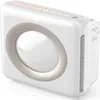
Coway Airmega HEPA Air Purifier – $168.99
Covers up to 1,748 sq ft, which is enough for open-plan living rooms where a wood stove or fireplace sits — the exact “Get an Air Purifier” step this guide recommends for filtering smoke particles the vacuum and vinegar wipe-downs can’t reach.
- Best for: Whole-room smoke and odor filtering after a fire in the fireplace or wood stove
- Why we picked it: True HEPA filtration rated for smoke, without the ozone byproduct this guide warns against
- Main drawback: Replacement filters add an ongoing cost every few months
Compare more air purifier options
 Option 1 PuroAir 240 HEPA Purifier – $159.99
|
 Option 2 Levoit HEPA Air Purifier – $119.99
|
 Option 3 Fulminare H13 Air Purifier – $25.99
|
As an Amazon Associate we earn from qualifying purchases.
Airing out your home is the fastest way to clear the smoke that’s still floating in the air — it won’t touch odor trapped in fabric or drywall, but it’s the right first move before anything else.
Open Windows and Doors
Open windows and doors on opposite sides of your home so air can cross-ventilate instead of just drifting near one opening. This clears the smell from every room faster than a single open window.
Use Fans to Circulate Fresh Air
Place fans near the open windows to pull fresh air through and push smoky air out. Running fans for 15 to 20 minutes alongside open windows noticeably speeds up how fast the smell clears.
Get an Air Purifier
A true HEPA air purifier filters out the fine smoke particles that ventilation alone leaves behind, especially in a room with a wood stove or fireplace. Choose one rated for smoke, not just dust and pollen.
Step 2: Clean Your Fabrics
Smoke odor clings to fabric more stubbornly than to any hard surface in your home, so this step matters even after the air itself smells clear.
Wash and Dry Clothing
Wash smoke-exposed clothing with a cup of white vinegar added to the rinse cycle, or a detergent that contains activated charcoal. Hang items outside to dry when you can — sunlight and fresh air finish the job the washer starts.
Clean Upholstery
Vacuum upholstered furniture thoroughly with a HEPA-filter vacuum, then wipe it down with a fabric cleanser, testing an inconspicuous spot first so you don’t damage the color or finish.
Wash Drapes and Curtains
Take down curtains and drapes and wash them on a delicate cycle with a cup of white vinegar in the rinse. Dry them outside if possible before rehanging.
If the odor on your furniture is from cigarettes rather than a wood fire, the cleaning steps differ slightly — see our separate guide on removing cigarette smoke from wood furniture.
Some guides suggest running an ozone generator alongside these steps to speed things up. Don’t — see why below.
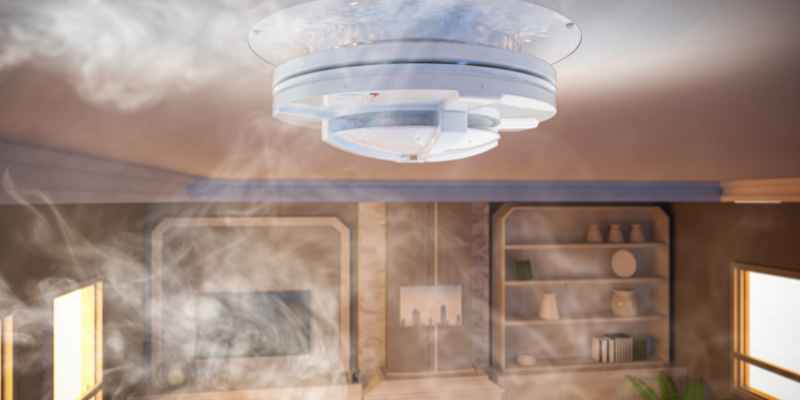
📊 Ozone generators marketed as smoke-odor air cleaners can push indoor ozone above 0.3 ppm — the same level as a stage-one smog alert — while barely touching odor at concentrations considered safe to breathe. Source: U.S. EPA, Ozone Generators Sold as Air Cleaners, 2026
Step 3: Clean Your Walls and Surfaces
Walls, floors, and hard surfaces absorb smoke residue too, and they need their own cleaning pass after the fabrics are done.
Clean Walls and Ceilings with Ammonia or Glycol-Based Cleaners
Mix an ammonia or glycol-based cleaner according to the label and wipe walls and ceilings with a damp sponge, without saturating the surface. Both cleaner types break down smoke residue effectively.
Clean Hardwood Floors with White Vinegar and Water
Mix white vinegar and water in equal parts and damp-mop hardwood floors, avoiding excess water on the surface. White vinegar is a natural deodorizer that lifts smoke smell without damaging the finish.
Clean Carpets and Rugs with a HEPA Vacuum
HEPA-vacuum carpets and rugs to remove loose particles, sprinkle on baking soda, let it sit for 30 minutes to absorb odor, then vacuum again. For persistent smell, a professional carpet cleaning finishes the job.
Step 4: Clean Your HVAC System
Your HVAC system recirculates whatever it’s carrying, including trapped smoke particles, so cleaning it is what stops the smell from coming back every time the system runs.
Change Your Air Filter
Replace a dirty HVAC filter with a high-efficiency filter rated to capture smoke particles. A clogged filter also makes the system work harder, which raises energy bills on top of recirculating the odor.
Clean Your Ducts and Vents
Dust, dirt, and smoke residue accumulate in ducts and vents over time. If you’re not confident cleaning them yourself, a professional duct cleaning prevents damage to the system while clearing the odor source.
Get Your HVAC System Serviced by a Professional
A professional service confirms the system is running correctly and catches problems before they get bigger, which protects both your indoor air quality and the HVAC system’s lifespan. It’s also a good time to check your carbon monoxide detectors — see our guide on whether burning wood creates carbon monoxide for the warning signs an HVAC or chimney inspection won’t always catch.
Step 5: Deodorize with Natural Methods
Once the air, fabrics, and HVAC system are handled, these natural absorbers mop up whatever smell is left.
Use Activated Charcoal
Activated charcoal absorbs odor molecules rather than masking them. Place small perforated pouches around a room instead of one large bowl so the coverage is more even.
Try Vinegar Bowls
Set out bowls of white vinegar in affected rooms for several days, or wipe furniture, washable walls, and floors with a vinegar-dampened cloth. Repeat until the smell is gone.
Place Bowls of Baking Soda or Coffee Grounds
Baking soda and coffee grounds both absorb and neutralize smoke odor. Keep bowls out of reach of pets and kids, and leave them for several days until the smell is no longer detectable.
Step 6: Chimney Care and Other Tips
The steps above clean up smoke that’s already inside your home. This step deals with the source, so the smell doesn’t keep coming back.
Clean and Maintain Your Chimney
Creosote buildup from unseasoned wood or restricted airflow is a leading cause of both chimney fires and lingering smoke odor. NFPA 211, the national fire code for chimneys and vents, calls for an inspection at least once a year, with cleaning whenever deposits are found.
“It is wise to have your chimneys checked annually by a CSIA Certified Chimney Sweep and swept or repaired as needed.”
Use Deodorizing Products Made for Smoke Odor
If smell persists after the steps above, a smoke-odor-specific deodorizing product or a HEPA air purifier (see the pick above) can finish the job. Follow the label instructions and safety guidelines.
The wood species you burn also affects how much smoke and creosote build up in the first place — see our guides on burning cedar in a fireplace and our full wood-burning safety collection for lower-smoke options and burn practices that cut down on odor before it starts.
A Few More Tips
- Wash curtains, bedding, and clothing again if the smell returns after a second fire.
- Keep using baking soda, vinegar, or coffee grounds on furniture and carpet between deep cleans.
- Ask about odor-blocking primers if you repaint walls near the fireplace.
- Get the HVAC system inspected on the same schedule as the chimney.
If the smell persists after all of this, a professional smoke-damage restoration service can find and treat sources a DIY cleanup can miss.

Frequently Asked Questions About Wood Smoke Smell
How Do You Get Wood Burning Smell Out of Your House?
Clean and repair your chimney, use a fireplace deodorant, wipe surfaces with vinegar, absorb the smell with activated charcoal, and run an air purifier. Bowls of activated charcoal, kitty litter, baking soda, or coffee grounds also help absorb what’s left.
How Long Does Wood Smoke Smell Last?
It depends on ventilation, fire size, wood type, and burn time, but the smell typically lasts a few hours up to a few days. Opening windows, running an air purifier, and using activated charcoal, vinegar, or baking soda speed up removal.
What Neutralizes Wood Smoke in the House?
Bowls of activated charcoal, kitty litter, baking soda, or coffee grounds absorb lingering smell. Wiping furniture, walls, and floors with white vinegar or running an air purifier also helps, along with regular chimney cleaning to stop new odor at the source.
How Do You Deodorize Wood Smoke?
Cover furniture with baking soda and leave it on for several hours so it can absorb odor from deep in the surface. Bowls of activated charcoal, kitty litter, baking soda, or coffee grounds placed around the room work the same way.
Is It Safe to Use an Ozone Generator to Remove Smoke Smell?
No. The EPA and California Air Resources Board warn that ozone generators marketed as air cleaners can push indoor ozone above levels considered safe to breathe, while doing little to remove smoke odor at safe concentrations. Use activated charcoal, baking soda, or a HEPA air purifier instead — none of them produce ozone as a byproduct.
Conclusion
Getting rid of wood smoke smell takes more than opening a window — it means clearing the air, cleaning fabrics and surfaces, servicing the HVAC system, and stopping new smoke at the chimney.
Work through the six steps above in order, skip the ozone generator, and keep your chimney on an annual inspection schedule so the smell doesn’t come back with the next fire.
Sponsored / affiliate links. As an Amazon Associate I earn from qualifying purchases. I may earn additional commission from eligible campaigns.