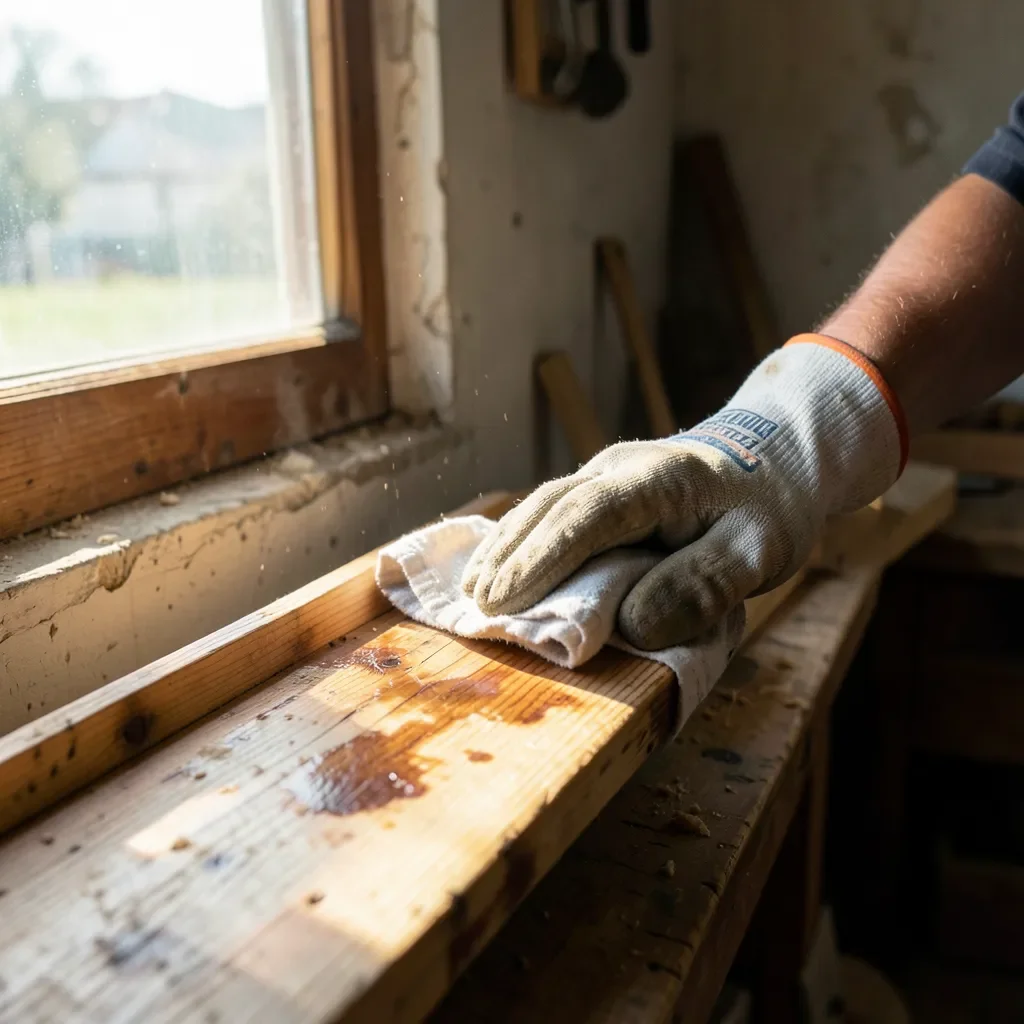
How to Get Rid of Wood Stain Smell (Gone in 24-72 Hours)
Water-based wood stain smell clears in 24-48 hours with good airflow, but oil-based stain can take 24-72 hours for the strong odor to fade — and its solvents can keep off-gassing faintly for weeks after that. Ventilation matters more than any additive. This guide covers what actually speeds it up, and why the smell lingers longer with oil-based stains than water-based ones.
How Long Wood Stain Smell Actually Lasts
Best Odor Absorber for Freshly Stained Wood
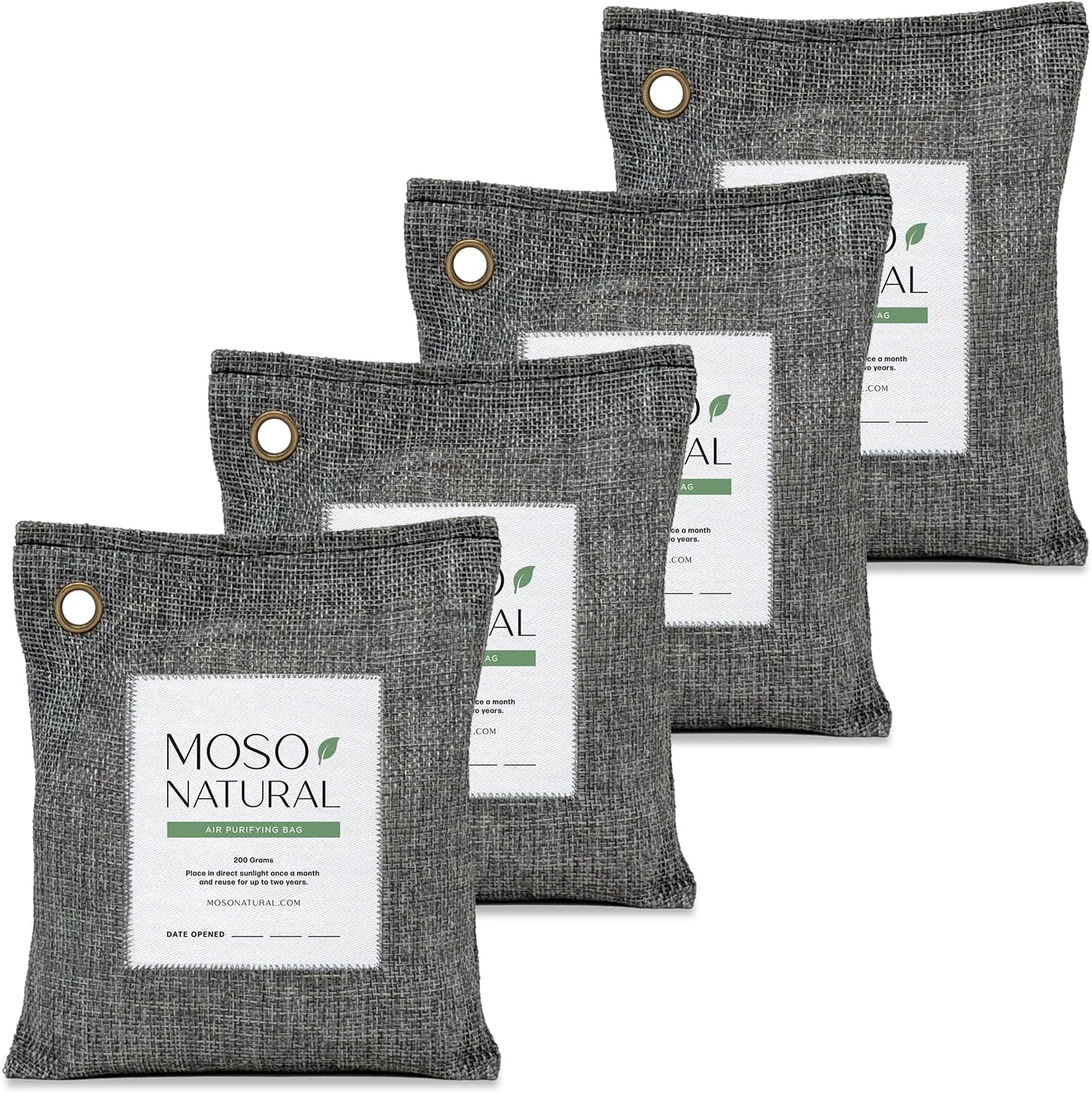 |
Moso Natural Air Purifying Bag, 200g Bamboo Charcoal (4 Pack) – $39.95 This is the same activated-charcoal principle this guide recommends below — pre-made bags placed near a freshly stained piece work the same way as loose charcoal, without needing a mesh bag or container of your own.
|
The strong smell right after staining comes from volatile organic compounds (VOCs) in the solvents, resins, and pigments evaporating out of the stain as it dries — see our guide to drying stain faster for ways to shorten that window. Water-based and zero-VOC stains off-gas fast and are usually undetectable within 24-48 hours. Oil-based stains carry more solvent, so the strong smell takes 24-72 hours to fade — and low-level off-gassing can continue for weeks at concentrations too faint to notice in a ventilated room.
📊 Zero-VOC and water-based stains typically clear within 24-48 hours; oil-based stains take 24-72 hours for the strong smell, with trace off-gassing possible for weeks. — Source: ECOS Paints, 2026
Speed Up the Smell With Ventilation First
Cross-ventilation — opening windows on opposite sides of the room, plus a fan pointed outward — clears fumes faster than any additive on its own. If you’re staining indoors, run this setup the entire time the piece is drying, not just afterward.

Choosing a Lower-Odor Stain Next Time
Water-based and zero-VOC stains are the easiest way to shorten this whole process before it even starts — our interior wood stain guide covers which formulas run lowest-odor. They cost slightly more per can than standard oil-based stains, but the odor window drops from days to hours, which matters a lot for an indoor project.
Odor-Absorbing Methods That Actually Help
These work alongside ventilation, not instead of it — none of them remove VOCs from a sealed room the way fresh air does.
- Vinegar solution: Mix equal parts water and white distilled vinegar in a spray bottle and mist nearby surfaces (not the wet stain itself). Vinegar neutralizes odor compounds as it evaporates.
- Baking soda: Set open bowls of baking soda near the piece, or sprinkle it on nearby fabric surfaces. It absorbs odor passively over several hours.
- Activated charcoal: Place charcoal in a breathable bag or open container near the stained item. It keeps absorbing odor for weeks and can be recharged in sunlight.
 ” loading=”lazy”/>
Safety Notes While the Smell Is Still Strong
Wood stain fumes can irritate eyes, nose, and throat, and prolonged exposure in a poorly ventilated space can cause headaches or dizziness. Wear a respirator rated for organic vapors during the staining itself, not just after, and keep windows open the entire time the piece is drying — the same setup covered in our wood finishing guide — not only once you notice the smell fading.
Frequently Asked Questions
How long does it take for wood stain smell to go away?
Water-based and zero-VOC stains usually clear in 24-48 hours with good ventilation. Oil-based stains take longer — 24-72 hours for the strong smell to fade, though trace solvent off-gassing can continue at low, mostly undetectable levels for weeks.
How do you neutralize the smell of wood stain?
Sprinkle baking soda near the stained piece or wipe nearby surfaces with a 50/50 water-and-vinegar solution using white distilled vinegar. Both are natural odor neutralizers that work alongside ventilation, not instead of it.
Are wood stain fumes harmful?
Yes, in enough concentration. The volatile organic compounds (VOCs) in stain solvents can irritate eyes, nose, and throat, and cause headaches or dizziness with prolonged exposure in a poorly ventilated space. Open windows and use a fan or respirator for extended staining sessions.
Does a low-VOC or water-based stain really smell less?
Yes — water-based and zero-VOC stains off-gas noticeably faster and weaker than oil-based stains, often clearing within a day or two. Oil-based stains contain more solvent and can keep releasing faint fumes for weeks after the strong smell is gone.
What actually gets rid of wood stain smell fastest?
Cross-ventilation is the single biggest factor — open windows on opposite sides of the room plus a fan pointed outward clears fumes faster than any additive alone. Baking soda, vinegar, and activated charcoal all help absorb what’s left in the air once ventilation is already running.
Conclusion
Ventilation does more work than any additive — cross-breeze airflow plus a fan clears most of the smell within the timeframes above, and vinegar, baking soda, or activated charcoal mop up what’s left in the air. Choosing a water-based or zero-VOC stain next time cuts the whole waiting period from days down to hours.
Sponsored / affiliate links. As an Amazon Associate I earn from qualifying purchases. I may earn additional commission from eligible campaigns.
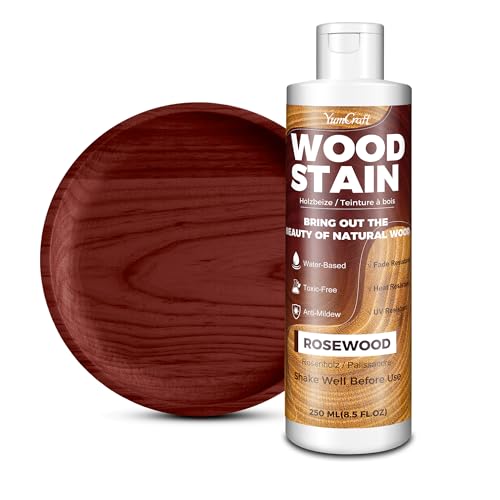 Water Based Wood Stain 8.5oz/250ml, Matte Fast Drying Stain & Varnish, Low Odor Non-Toxic Indoor Outdoor Wood Paint for Furniture, Cabinet, Door, Window, Wardrobe, Paneling, Trim & Multiple Finishes
 SamaN Interior Water Based Wood Stain - Natural Stain for Furniture, Moldings, Wood Paneling, Cabinets (Cherry TEW-113-12, 12 oz)