How to Dry Wood Stain Faster: Airflow, Safe Heat & Fast-Dry Stain
To dry wood stain faster, wipe off the excess, apply thin coats, hold the room near 70 to 80°F and keep air moving across the surface. Dry times on a can assume 70°F and about 50% humidity, so a cold or damp shop is the usual culprit. This guide ranks each speed-up method and covers the part most guides skip: why heaters and solvent vapors are a fire risk.
What Actually Makes Stain Dry Faster
Best Fast-Dry Stain Pick | |
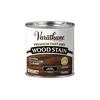 |
Varathane Premium Fast Dry Wood Stain, $9.54 An oil-based interior stain that the maker rates at about 1 hour to dry to the touch, the quickest fix for the drying-time problem this guide covers before you touch a fan or heater.
|
As an Amazon Associate we earn from qualifying purchases. | |
Stain dries by evaporation (water or solvent leaving the wood) and, for oil-based products, by slow oxidation of the oils. Anything that helps the liquid leave faster, or leaves less liquid on the surface to begin with, shortens the wait. Here is how the common methods compare. For the baseline times by stain type, see our guide on how long oil-based stain takes to dry.
| Method | What it changes | Works best on | Limit or risk |
|---|---|---|---|
| Wipe off excess, thin coats | Leaves less liquid to evaporate | Every stain type | Biggest single gain; costs nothing |
| Moving air across the piece | Carries evaporated solvent or water away | Water-based and oil-based | Aim across the surface, not straight at it, or dust lands in the finish |
| Warmer room, 70-80F | Matches the conditions the label times assume | Every stain type | Cold rooms run longer than the label; very high heat is a skin-over and fire problem |
| Lower humidity (dehumidifier) | Lets the air absorb more moisture | Water-based especially | Needs a closed room; empty the tank |
| Fast-dry formula | Faster-evaporating solvent system | Furniture, trim, cabinets | Still solvent-based; follow the cure time |
| Heat gun or hair dryer | Local heat on a small patch | Water-based only, low heat | Not for solvent stain; scorches and skins over |
| Drying agent in the can | Speeds oxidation of oil-based stain | Oil-based only, if the maker allows | Only per the label; do not improvise |
The first three rows cost nothing and carry no fire risk, so start there. Heat is the lever people reach for first and the one that deserves the most care, which is why it gets its own section below.
Start With the Stain Itself: Wipe Off and Go Thin
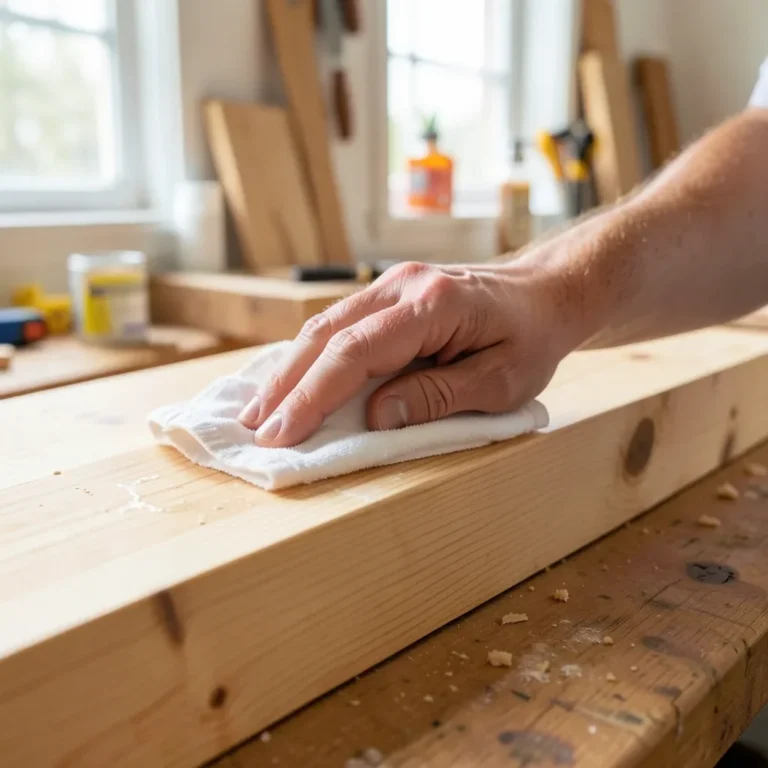
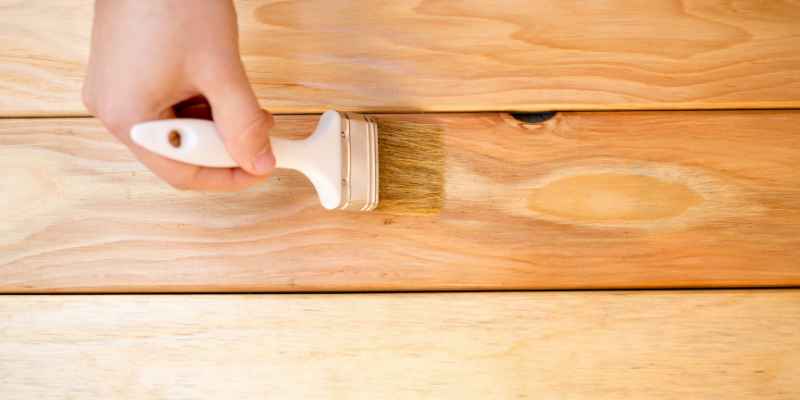
Most stain that stays tacky for days was never absorbed. It sat on the surface in a film, and a film dries far more slowly than stain soaked into the pores. Follow the label’s wipe-off window, then wipe once more with a clean, lint-free cloth. Two thin coats dry faster in total than one heavy coat, and they give more even color.
Prep that shortens the wait
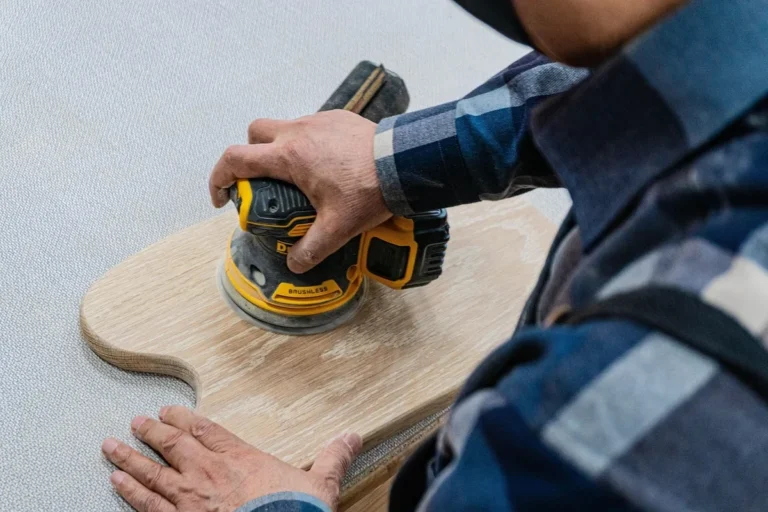
- Sand evenly with the grain (see how to tell the direction of wood grain); rough patches soak up extra stain and hold it longer.
- Vacuum the dust, then let any damp wipe-down dry fully before staining. Moisture already in the wood has to leave before the stain can.
- On blotch-prone softwoods like pine, a pre-stain conditioner controls absorption so you use less stain overall.
- Stain a test piece first and time it in your own shop, because your conditions, not the can, set the real number.
Airflow, Warmth and Humidity: The Safe Levers
Manufacturers test dry times at set conditions. The Varathane label for its fast-dry stain, for example, gives its 1-hour recoat time at 70 to 80°F and 50% relative humidity and notes that cooler temperatures need more time. Getting your space closer to those conditions is the safest way to speed up any stain.
Move air across the piece
Open a window and run a fan so air moves across the surface rather than blowing straight onto the wet stain. Exhaust air out of the room instead of recirculating it. This is the same airflow that helps you clear wood stain smell from the room.
Lower the humidity
Damp air holds less additional moisture, so evaporation slows. In a basement or garage, a dehumidifier running for a few hours before you start does more than any amount of added heat. Avoid staining on rainy or muggy days if you can choose.
Warm the room, the wood and the can before you start
Bring the piece and the stain into a room around 70 to 80°F ahead of time, so the wood is warm when the stain goes on. Warming beforehand matters because of the safety point in the next section: you want the room warm before solvent vapors exist, not while they do.
Heaters, Heat Guns and Solvent Vapors: The Fire-Safety Part
Most guides tell you to add heat and stop there. With water-based stain that is fine. With oil-based and other solvent-based stain it can start a fire. The Minwax Wood Finish label states plainly: “Contents are COMBUSTIBLE. Keep away from heat and open flame.”
Why vapors near the floor matter
The US Consumer Product Safety Commission has documented how flammable vapors heavier than air settle along the floor and can be drawn into the burner area of a gas water heater, where the pilot light ignites them. That finding concerned gasoline and similar liquids, but the same logic is why you should treat any gas water heater, furnace or pilot-lit appliance in a garage or basement as an ignition source when you are brushing on solvent-based stain.
Practical rules for heating a stain job
- Never use a propane, kerosene or other open-flame heater anywhere near solvent stain.
- Heat the room first, then switch the heater off (and unplug it) before opening the can.
- Do not use a heat gun or hair dryer on oil-based stain. Both are heat sources and the vapors are combustible. They are also a poor fit technically, because heat on the surface can skin the stain over while the layer below stays wet.
- If you stain near a gas appliance, finish elsewhere or ventilate heavily and keep the area clear of vapors.
- Keep a window open while the stain dries, not just while you apply it.
These rules are a cautious reading of the labels and the CPSC finding, not a published standard for staining specifically. When in doubt, the slower, cooler dry is the safer one.
Oil-soaked rags can ignite on their own
Drying speed has a second fire risk: the rags. The Minwax label says rags, steel wool and sanding residue soaked with its stain “may spontaneously catch fire if improperly discarded” and to place them in a sealed, water-filled metal container. Do not leave them crumpled in a heap or in the trash overnight.
Using a Fast-Dry Stain Instead of Fighting a Slow One
If you regularly need a same-day turnaround, switching products solves more than any gadget. A fast-dry oil-based stain is formulated to evaporate quicker, so you reach the touch-dry point in about an hour on the maker’s label, versus the long wait of a regular oil-based stain. Whichever you pick, a fast touch-dry time is not a fast cure: wait the label’s cure time before topcoating, and see how long to let stain dry before polyurethane for the exact timing.
Drying Out Wood Before You Stain It
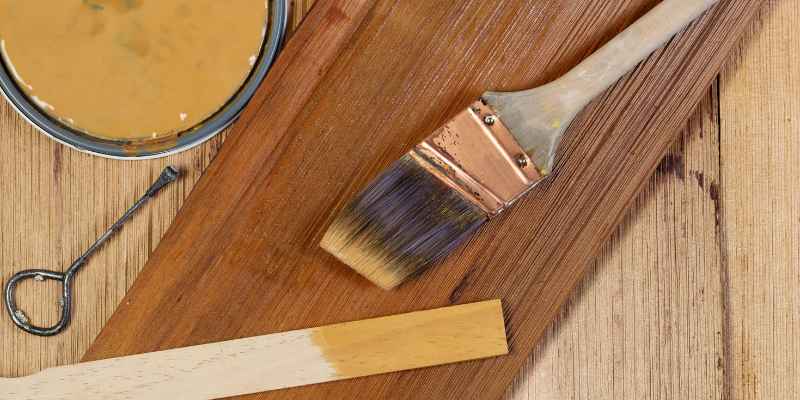
A related problem is wood that is too wet to take stain at all, such as a deck after rain or lumber stored outside. Stain cannot penetrate damp wood, and trapped moisture is a common reason finishes fail. Let the wood dry in open air with good airflow, check it with a moisture meter, and compare the reading to the maximum moisture content printed on your stain’s label. If water damage is the cause, see how to fix water-damaged wood first.
Why Is My Wood Stain Still Tacky After 24 Hours?
- Excess stain was not wiped off. Wipe again with a clean cloth right away; this is the most common cause.
- The room is too cold or humid. Move the piece somewhere warm with moving air, and allow another day.
- The coat was too thick. Add airflow and wait rather than adding heat, which can trap wet stain under a skinned surface.
- The stain is old or contaminated. If it is still tacky after 48 hours of good conditions, the can itself is the problem.
Frequently Asked Questions on Drying Wood Stain Faster
How can I speed up the drying time of wood stain?
Wipe off all excess stain, apply thin coats, keep the room around 70 to 80F, and move air across the surface with a fan or an open window. In a humid space, run a dehumidifier too. If you stain often, a fast-dry formula such as Varathane Premium Fast Dry cuts the wait at the source.
Can you use a heat gun or hair dryer to dry wood stain faster?
Only on water-based stain, on low heat, kept moving 6 to 8 inches from the wood. Do not use them on oil-based or other solvent-based stain: the vapors are combustible and a heat gun or hair dryer is a source of heat and sparks. Concentrated heat can also skin the surface over while the stain underneath stays wet.
Is it safe to use a space heater to dry oil-based stain?
Not while solvent vapors are in the air. Oil-based stain labels warn that the contents are combustible and to keep them away from heat and open flame. Warm the room before you start, switch the heater off before opening the can, ventilate while you work, and keep any gas appliance pilot light well away from the work area.
Can you add something to stain to make it dry faster?
Some oil-based stains can be sped up with a metallic drier, but only if the stain maker says it is compatible, and only in the amount the product instructs. Never mix thinner or drier into a stain at random. Water-based stain should not be modified at all; use airflow and lower humidity instead.
Why is my wood stain still tacky after 24 hours?
Usually the stain was left to sit on the surface instead of being wiped off, the coat was too thick, or the room is cold and humid. Wipe the surface with a clean cloth, move the piece somewhere warm with moving air, and allow more time. If it is still tacky after 48 hours, the stain itself may be old or contaminated.
Conclusion
The fastest safe path to dry stain is less stain on the surface, more moving air, a warm and dry room, and, for repeat jobs, a fast-dry formula. Keep heaters and heat tools away from solvent stain, and dispose of rags in water. Browse our wood stain guides for help choosing a product.
Sponsored / affiliate links. As an Amazon Associate I earn from qualifying purchases. I may earn additional commission from eligible campaigns.