How to Remove Water Rings From Wood: Is Yours White or Dark?
A white water ring is moisture trapped in the finish and often fixable in minutes. A dark ring means water reached the wood and needs bleaching and a spot refinish. Your ring’s color, the finish on top and the source of the water pick the fix. This guide covers a three-test diagnosis, ring-by-ring fixes for cups, hot mugs and plant pots, and when to refinish.
Want the wider picture on keeping furniture in shape? See our guide to wood cleaning, repair & protection.
Understanding Water Rings On Wood
Best White Ring Remover Pick
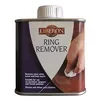 |
LIBERON Furniture Ring Remover ($24.95) Built for the white, in-the-finish ring that the diagnosis tables below describe. It will not touch a dark ring that has reached the wood.
|
As an Amazon Associate we earn from qualifying purchases.
Most advice online jumps straight to mayonnaise or toothpaste. The problem is that those tricks only work on one of the two ring types, and nothing tells you which type you have. Refinisher Bob Flexner explains in Popular Woodworking that a white ring happens when water enters a deteriorated, porous finish, dissolves impurities and leaves voids as it dries, and those voids disrupt how light passes through the finish.
That is why a white ring can vanish in one rub while a dark ring ignores everything you throw at it. They are two different problems that happen to look alike from across the room.
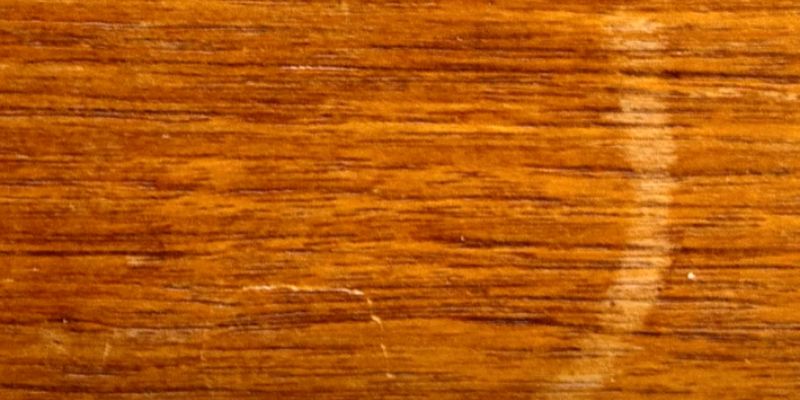
White Water Ring vs Dark Water Ring: What’s the Difference?
Not all water rings on wood are the same. Identifying the type of water ring you have determines which removal method will work:
| Type | Appearance | Cause | Difficulty to Remove |
|---|---|---|---|
| White water ring | Milky white or cloudy circle | Moisture trapped in the finish (surface-level) | Easy: most home remedies work |
| Dark water ring | Dark brown or black stain | Water penetrated past the finish into the wood grain | Harder: may need sanding or refinishing |
A white water ring sits in the finish layer. A dark water ring has gone into the wood. Popular Woodworking notes that black marks form when water gets into the wood through a finish and combines with metal residue, which stains the wood itself. That chemistry is why a dark ring cannot be buffed or heated away.
The 3-Test Diagnosis: Pick Your Fix in Two Minutes
Before you reach for anything, run these three checks. They take two minutes and stop you from using a white-ring trick on a dark ring, or a solvent on a finish it will ruin.
Test 1: What color is the ring?
White or gray haze means the problem is in the finish. Brown or black means it is in the wood. If the ring has a pale center and a dark outline, treat it as dark, because the dark part is the deeper damage.
Test 2: What finish is on the wood?
In a hidden spot, such as under the table edge, dab a little denatured alcohol and see if the finish softens. Shellac redissolves in denatured alcohol and lacquer redissolves in lacquer thinner. If neither softens it, the finish is most likely varnish or a water-based finish. Flexner also warns that catalyzed varnish is extremely resistant to removal methods, so a very hard, factory-baked finish may refuse every fix in this guide.
Test 3: How deep is the damage?
Run a fingertip lightly across the ring and the area around it. Rough, flaking or crazed finish means the finish itself has failed, and no polish will repair it. A smooth finish with a hazy ring is the best case.
| Test result | What it means | Do this next |
|---|---|---|
| White haze, smooth finish | Moisture in a healthy finish | Gentle heat, a ring remover or a mild abrasive |
| White haze, shellac or lacquer | Solvent-sensitive finish | A barely damp alcohol pad (shellac) or lacquer retarder |
| White haze, crazed or rough finish | Finish has deteriorated | Abrade and recoat the area |
| Dark or black ring | Water and metal or tannin reacted in the wood | Oxalic acid bleach, then spot refinish |
| Nothing softens, nothing lifts | Probably catalyzed or very hard varnish | Strip and refinish the top |
Match the Fix to the Source of the Ring
Where the ring came from tells you which type to expect before you test. Use this table as a starting guess, then confirm with the three tests above.
| Source | Ring you will probably see | Why | First move |
|---|---|---|---|
| Sweating cold glass | White, usually fresh | Condensation sits briefly on the surface and works into the finish | Low heat or a ring remover |
| Hot mug or plate | White heat ring | Heat and trapped steam cloud the finish. Flexner calls heat marks hard to remove | Try the white-ring fixes, but expect to abrade |
| Plant pot or saucer | Dark, often with a thick outline | Water sits for days or weeks and reaches the wood | Skip the home remedies and plan on bleaching |
| Wet cloth or spill left overnight | White, or dark if the finish was already worn | Long contact time beats a thin finish | Run the 3 tests first |
| Bar top or counter with heavy use | Many overlapping rings | Repeated exposure, and often a harder finish | Judge the whole top, not one ring |
Plant pots are the sneaky one. A cup is gone in minutes, but a saucer holds water against the same patch for days, so a pot ring is far more likely to be the dark kind. That is a judgment from how the damage forms, not a lab result, so still run the color test.
How To Get Water Rings Out With Home Remedies
Home remedies are worth trying on a white ring that passed the tests above. They work in two ways: oils and petroleum jelly sit in the finish and hide the haze, while mild abrasives like non-gel toothpaste and baking soda paste wear down the damaged top layer. Flexner calls abrading the most surefire way to remove a watermark, which tells you what the remedies are really doing.
For full step-by-step instructions, use our iron and mayonnaise walkthrough or the nine-method guide for water stains on tables. We keep the method lists there so this page can stay focused on choosing between them.

The abrasive trap
Toothpaste and baking soda are abrasives, not magic. On a thick film finish a few light passes are fine, but on a thin or worn finish you can cut straight through to bare wood and leave a dull patch that looks worse than the ring. Rub with the grain, use a soft cloth, check often and stop the moment the haze fades.
Why alcohol is not a universal fix
Alcohol-based tricks only suit shellac and sometimes lacquer. Flexner’s advice is to pad denatured alcohol onto shellac on a drier day, to use lacquer retarder or thinner on lacquer, and to abrade old varnish or water-based finishes. Using alcohol on varnish does nothing, and too much on shellac removes the finish.
If the haze looks more like a milky cloud over the whole surface than a ring, that is probably blush or wax buildup rather than a water ring. Our guide to removing white stains from wood covers those cases.
Dark Water Rings: When Bleaching Is the Right Call
A dark ring means stain in the wood, so you have to remove the finish over the ring and bleach the wood itself. The standard bleach for iron-and-tannin staining is oxalic acid. Popular Woodworking describes dissolving oxalic acid crystals in hot water, brushing the solution on, letting it dry, then washing the crystals off with water and repeating if needed.
Dark rings can need 2 to 3 oxalic acid applications, with full drying between each. Source: Popular Woodworking, How To Repair Water-Damaged Wood
Oxalic acid is a real chemical hazard. Product safety guidance calls for chemical-resistant gloves, safety goggles and a well-ventilated space, and because it comes as a crystal, avoid breathing the dust when you mix it. Apply the solution across the whole panel or board, not just the ring, so the color evens out. After rinsing and drying, you must refinish the spot. Our guide to removing water marks by finish type walks through the full bleaching sequence.
When to Refinish Instead of Repairing One Ring
Spot repair is the right call for one or two white rings on a healthy finish. Refinishing the whole top wins when one of these is true:
- The finish is crazed, rough or flaking, so any fix will fail again within months.
- You have many rings of both types, because fixing them one by one leaves a patchwork of different sheens.
- Nothing in the solvent test softens the finish, which points to a catalyzed finish that has to be stripped.
- A dark ring has been bleached and the wood still looks light or blotchy, since the area needs stain or toner matched before the clear coat.
Flexner notes that abrading to remove a mark can mean rubbing out the entire surface to bring the sheen back to a uniform level. A small, shiny-new patch on a satin tabletop is its own kind of ring, so plan for sheen matching before you start sanding.
Preventing Future Water Rings
Prevention is cheaper than any of the repairs above, and it takes four habits:
- Put a coaster under every cold glass and a trivet under every hot dish or mug.
- Lift plant pots off the wood. Use a saucer that is wider than the pot, and check it for leaks.
- Wipe spills right away. The sooner water leaves the finish, the less chance it has to get in.
- Keep the finish in good shape with regular cleaning and waxing, since a worn finish is what lets water in.
Frequently Asked Questions About Water Rings on Wood
Why do water rings turn white on wood?
Water gets into a porous or aging finish, dissolves impurities and leaves tiny voids as it dries. Those voids scatter light, so the finish looks milky or gray even though the wood underneath is fine. The ring is in the finish layer, not the wood.
How can you tell if a water ring is in the finish or in the wood?
Look at the color. A white or gray haze is in the finish. A dark brown or black ring means water reached the wood itself. Dark rings do not respond to heat, oils or toothpaste and usually need oxalic acid bleaching and a spot refinish.
How do you find out what finish is on a table before treating a ring?
Test a hidden spot. Shellac redissolves in denatured alcohol and lacquer redissolves in lacquer thinner. If neither softens the finish, it is most likely varnish or a water-based finish. That result decides whether alcohol is safe or whether you should abrade instead.
Can you use denatured alcohol on a water ring?
Only on shellac, and gently. A pad barely dampened with denatured alcohol can blend a ring in shellac, but alcohol dissolves shellac, so a heavy hand strips the finish. On lacquer the results vary, and on varnish or water-based finishes it will not help.
Will a water ring go away on its own?
Sometimes a fresh white haze fades as the trapped moisture evaporates, similar to blush in lacquer that can clear overnight. Rings that have turned dark, or that sit in a crazed, deteriorated finish, will not fade and will keep getting worse if water keeps reaching them.
Conclusion
Water rings are not one problem with many cures. They are two problems, one in the finish and one in the wood, and the right fix depends on telling them apart. Check the color, test the finish, judge the damage, then pick the gentlest method that suits what you found.
When the diagnosis says the finish is failing or the ring is dark, stop experimenting with kitchen products and move to bleaching or refinishing. Always try each method on a hidden spot first.
Sponsored / affiliate links. As an Amazon Associate I earn from qualifying purchases. I may earn additional commission from eligible campaigns.