How to Get Wood Out of a Hole Saw: 5 Ways That Work
The fastest way to get wood out of a hole saw is to drive a 4-inch screw into the stuck plug until it bottoms out and pops free — pliers alone often spin against the smooth-cut wood without gripping it. Forcing it with a screwdriver or hammer can bend the saw’s teeth or crack the arbor. This guide ranks all five removal methods by speed and risk, plus the dedicated plug-extractor tool and how to stop the jam for good.
[Insert your Affiliate Disclosure reusable block here]
What You’ll Need
Best Ejection-Slot Hole Saw Pick
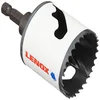
LENOX Tools Hole Saw with Arbor, Speed Slot, 2-Inch
A staircase-cut cup that lets the plug fall loose on its own instead of wedging tight.
- Best for: replacing a problem hole saw with one designed not to trap plugs
- Why we picked it: the Speed Slot staircase design targets the exact failure point this article is about
- Main drawback: sold as a single 2-inch saw, not a full size kit
Compare more hole saw options
 Option 1 Pissente Self-Ejecting Hole Saw Mandrel
|
 Option 2 KATA 25-Piece Hole Saw Kit
|
 Option 3 KATA 8-Piece Hole Saw Kit
|
As an Amazon Associate we earn from qualifying purchases.
Before you try any method below, gather these — most of them are already in a basic drilling and hardware toolbox.
- A wood screw about 1 inch longer than the plug is thick, plus a drill or screwdriver to drive it
- A flathead screwdriver (long-handled works best for leverage)
- Pliers with a firm grip
- A rubber mallet (not a steel hammer — it’s less likely to bend the saw’s collar)
- Pipe grips and a small vise, for a severely stuck collar
- Wax, paraffin, or a light lubricant to prevent the next jam
- Safety glasses and gloves
Method 1: The Screw Trick (Fastest, Try This First)
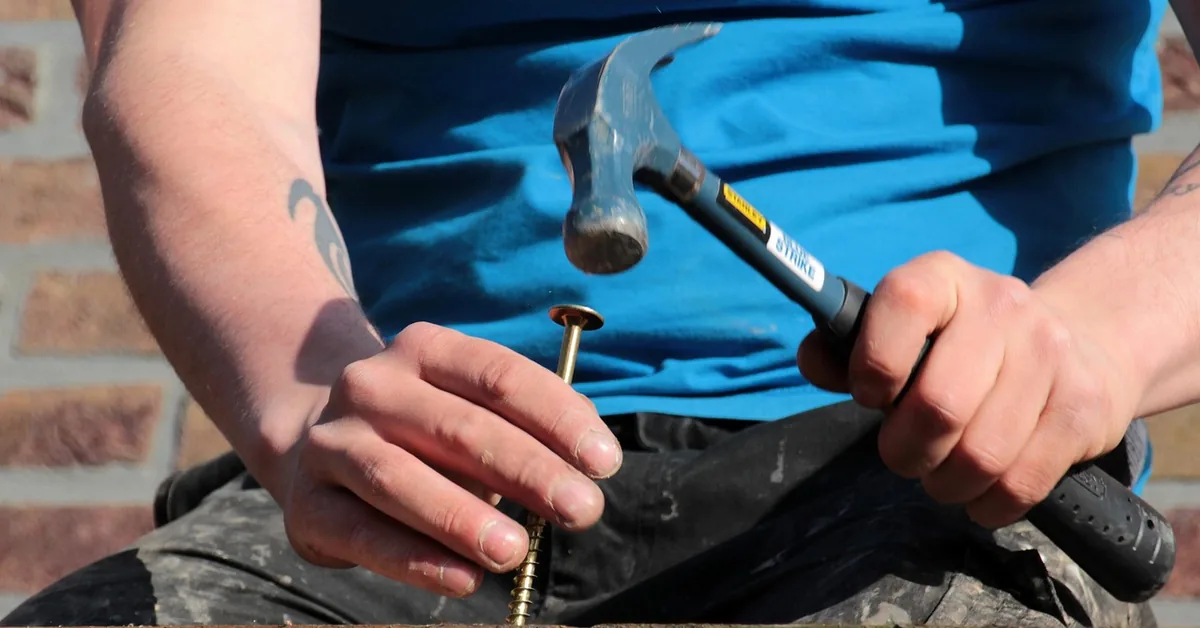
Driving a screw into the trapped plug is faster and more reliable than prying with a screwdriver, because the screw’s threads grip the wood instead of sliding across it. Fine Homebuilding and Woodworkers Journal have both published this as their go-to fix, and it works on almost any plug diameter.
“…the plug will be forced upward and spin into your waiting hand.”
- Center a screw over the plug: Find roughly the middle of the wood plug still trapped inside the hole saw’s cup.
- Drive the screw in: Using a drill or a hand screwdriver, drive a wood screw about 1 inch longer than the plug’s thickness straight down into the center of it.
- Keep going until it bottoms out: Continue driving until the screw’s tip presses firmly against the hole saw’s base plate — you’ll feel the resistance change.
- Catch the plug: The last turn or two lifts the plug up and out; it will spin free into your waiting hand.
This works because the screw has nowhere left to go once it hits the base plate — the plug is what gets pushed instead. It’s the same principle a properly attached hole saw relies on for a clean cut in the first place: solid, centered pressure instead of a glancing force.
Method 2: Pry It Out Through the Ejection Slots
Most hole saws have one or two rectangular slots cut into the side of the cup, just above the teeth. These exist specifically so you can reach a screwdriver in behind the plug.
- Find the ejection slot: Look for a narrow rectangular opening in the side wall of the hole saw cup.
- Insert the screwdriver: Slide a flathead screwdriver through the slot and under the edge of the trapped plug.
- Pry from the fulcrum: Use the hole saw’s own rim as a fulcrum and apply downward pressure on the screwdriver’s handle to lever the plug up.
- Reposition and repeat: If the plug doesn’t move, try prying from a different angle around the slot rather than forcing harder in one spot.
This is the method most manufacturers show in the instructions that come with a new hole saw drill bit, and it works well on shallow cuts. On deep plugs it’s slower than the screw trick because you’re prying in small increments instead of pushing straight through.
Method 3: Switch to a Self-Ejecting Mandrel or Speed-Slot Saw
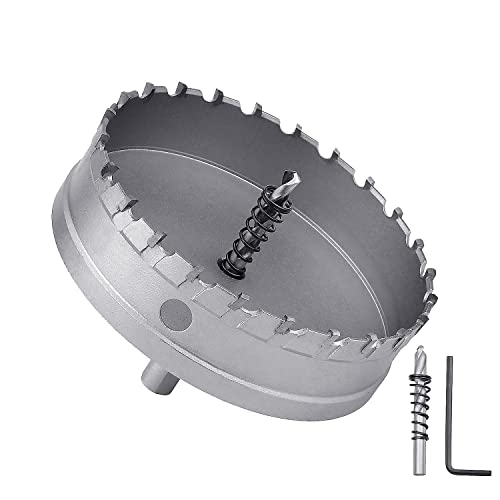
If you’re clearing plugs by hand every single cut, the actual fix isn’t a better prying technique — it’s a hole saw or arbored mandrel built to eject the plug automatically. A self-ejecting mandrel uses a spring that compresses while you drill and pushes the plug out the moment you pull the saw free. Hole saws with a “speed slot” or staircase-cut cup do something similar without any spring — the stepped opening gives the plug room to fall loose on its own.
Method 4: Pliers and Twist
Pliers work reliably on shallow cuts in softwood, where enough of the plug sticks up past the rim to get a grip on. On deeper cuts the plug sits flush with the teeth and pliers have nothing to grab, which is why this method fails more often than the screw trick.
- Grip the exposed wood: Clamp a pair of pliers firmly onto whatever part of the plug sticks up above the saw’s rim.
- Twist first: Rotate the pliers to break the plug free from the sides of the cup before pulling straight up.
- Pull with steady pressure: Once it loosens, pull it out in one controlled motion rather than yanking.
Wear gloves for this one — a plug that suddenly breaks free can send your hand into the saw’s teeth.
When the Plug Won’t Budge: Severely Stuck Cases
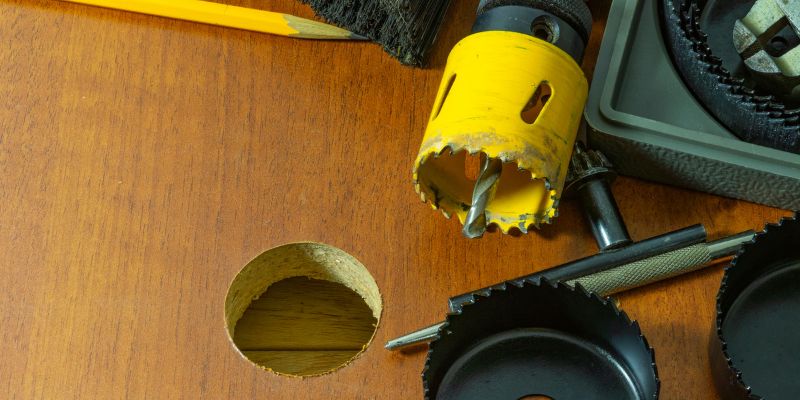
Occasionally the plug — or the whole hole saw cup — is jammed onto the arbor so tight that none of the methods above move it. This is more common with resinous or wet wood, where sap or moisture effectively glues the wood to the metal.
- Tap the rim: With the drill off and unplugged, position the hole saw on a stable surface and tap the outside of the cup with a rubber mallet, working around the circumference rather than hammering one spot repeatedly.
- Grip the collar with pipe grips: If the collar itself is stuck to the arbor, clamp the hole saw in a vise and use pipe grips on the collar for extra leverage, turning steadily rather than jerking.
- Recheck after each attempt: Stop and inspect the teeth for damage after tapping or gripping — a bent tooth means the saw needs straightening or replacing before its next use.
Treat this as a last resort. A steel hammer or excessive force here is what actually damages hole saws — not the screw trick, which puts pressure on the wood plug instead of the metal cup.
Which Method Is Fastest? A Side-by-Side Comparison
None of the individual tips published elsewhere compare all five methods side by side — most cover just one. Here’s how they actually stack up:
| Method | Tools Needed | Speed | Risk of Damage |
|---|---|---|---|
| Screw trick | Wood screw + drill | ~10 seconds | Low |
| Screwdriver through ejection slot | Flathead screwdriver | 15-30 seconds | Low-medium |
| Self-ejecting mandrel / Speed Slot saw | None — built in | Instant | None |
| Pliers and twist | Pliers | 30-60 seconds | Medium |
| Mallet tap + pipe grips (severely stuck) | Rubber mallet, pipe grips, vise | 1-5 minutes | High — last resort only |
How to Stop Wood From Getting Stuck in a Hole Saw Again
A stuck wood plug is a friction problem — the freshly cut wood swells slightly and grips the inside wall of the cup as it’s cut. Reducing that friction before it happens is more reliable than any removal trick after the fact.
- Lubricate the cup: Rub a candle stub, paste wax, or a light spray lubricant on the inside of the hole saw before cutting.
- Clear debris as you go: Pull the saw back briefly every 20 to 30 seconds while it’s still spinning to let sawdust clear, instead of letting it pack tight around the plug.
- Ease off the pressure: Let the teeth do the cutting. Forcing the saw generates heat, and heat makes the wood swell more, which is what wedges the plug tighter.
- Slow down on thick or hard material: Thicker boards and dense hardwoods trap more sawdust around the plug than thin softwood does.
- Use a pilot hole: Guiding the saw with a pilot hole keeps the cut straight, which reduces the sideways binding that packs debris tighter around the plug.
If you’re cutting the same size hole repeatedly — say, a run of recessed lights through a wood ceiling — a self-ejecting mandrel (Method 3 above) removes this problem entirely instead of managing it cut by cut.
Safety Precautions
- Power off first: Unplug the drill or remove the battery before touching the hole saw’s teeth.
- Wear gloves and glasses: A plug that breaks free suddenly can nick a bare hand on the teeth; glasses protect against flying debris.
- Secure the workpiece: Clamp the board to a bench or hold it in a vise so it can’t shift while you’re prying or tapping.
Frequently Asked Questions
What’s the Fastest Way to Get a Stuck Wood Plug Out?
Driving a screw into the plug until it bottoms out and pops free is the fastest method — it usually takes about 10 seconds and works on nearly any plug size, unlike pliers, which need enough exposed wood to grip.
Why Does Wood Get Stuck in a Hole Saw in the First Place?
Yes, it’s a friction and swelling problem: the freshly cut wood grips the inside wall of the cup as it’s cut, and packed sawdust or heat buildup makes the fit even tighter. Lubricating the cup and clearing debris while cutting prevents most jams.
How Do You Remove Wood From Inside a Hole Saw Bit?
Use a screw driven into the plug’s center, or pry it out through the side ejection slots with a screwdriver, then clear the remaining debris with a brush or compressed air. See the hole saw bit comparison for how this differs from a Forstner bit, which doesn’t trap a plug at all.
How Do You Get a Wood Circle Out of a Hole Saw?
Drive a screw into the center of the circle until it bottoms out and lifts the disc free, or gently tap the saw’s sides with a rubber mallet to loosen it before pulling it out with pliers.
How Do You Keep Wood From Getting Stuck in a Hole Saw?
Lubricate the cup with wax or a light spray before cutting, clear sawdust every 20 to 30 seconds, ease off pressure so the teeth do the work, and slow down on thick or hard material. Switching to a self-ejecting mandrel removes the problem permanently.
What if the Wood Plug Still Won’t Come Out?
No single method works every time on a severely stuck plug — if the screw trick and prying both fail, clamp the saw in a vise and work the collar loose with pipe grips, tapping the rim with a rubber mallet between attempts, and inspect the teeth for damage afterward.
Conclusion
The screw trick beats pliers and hammering for one simple reason: it grips the wood by its threads instead of relying on friction. Keep a spare screw in your drill case, and if you’re clearing plugs on every single cut, a self-ejecting mandrel pays for itself the first afternoon you use it.
Sponsored / affiliate links. As an Amazon Associate I earn from qualifying purchases. I may earn additional commission from eligible campaigns.