How to Maintain Acacia Wood: The Complete Care Guide
Acacia wood’s natural oils give it real water resistance, but “naturally resistant” isn’t the same as “maintenance-free” — skip the upkeep and even good acacia will dry out, gray, or start hairline-cracking within a season or two. The right routine depends on what you own: a cutting board in daily use needs oil every 2–4 weeks, indoor furniture needs it every 3–4 months, and outdoor pieces need it 2–3 times a year. Below is the actual schedule, the cleaning steps that won’t strip the wood, and a 10-second test that tells you exactly when it’s time to re-oil.
Acacia Wood Maintenance Schedule at a Glance
Before the how-to, here’s the frequency that actually matters — most acacia care advice online skips straight to “oil it regularly” without saying how often for which piece:
| Acacia item | Clean | Oil / condition |
|---|---|---|
| Cutting board / bowl / utensils (daily use) | After each use, hand wash only | Every 2–4 weeks |
| Indoor furniture (tables, shelving) | Weekly dusting, monthly damp wipe | Every 3–4 months |
| Outdoor furniture | Monthly hose-rinse + wipe | 2–3 times a year (spring, midsummer, fall) |
Best All-Purpose Acacia Wood Oil
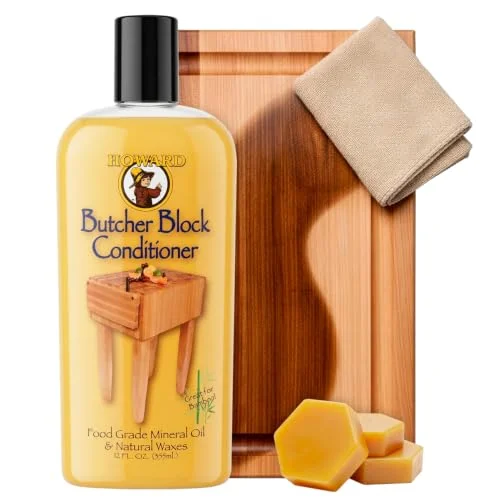 |
Howard Butcher Block Conditioner, 12 oz – $9.18 A food-grade mineral oil and beeswax blend that works on cutting boards, bowls, and general acacia furniture alike — one bottle covers most of the schedule above.
|
Why the Schedule Changes by Piece
The gap between “every 2 weeks” and “2-3 times a year” above isn’t arbitrary — it comes down to what’s actually pulling moisture out of the wood. A cutting board loses oil to hot water and dish soap every time it’s washed, so it needs frequent, light reapplication. Indoor furniture mostly loses moisture slowly to dry indoor air and the occasional dusting, so quarterly is enough. Outdoor furniture faces both UV breakdown of the wood’s surface fibers and repeated wet/dry cycling from rain and dew, which is a harsher combination than either a kitchen or a living room throws at it — that’s why it needs the most frequent attention of the three, even though it’s handled the least.
How to Clean Acacia Wood
Cleaning is where most damage actually starts — not from use, but from the wrong products. Bleach, ammonia, acetone, and mineral spirits all strip the natural oils that give acacia its water resistance in the first place, which is exactly what you don’t want to remove.
- Wipe up spills immediately — acacia resists water short-term, but standing liquid will still soak in and stain over time.
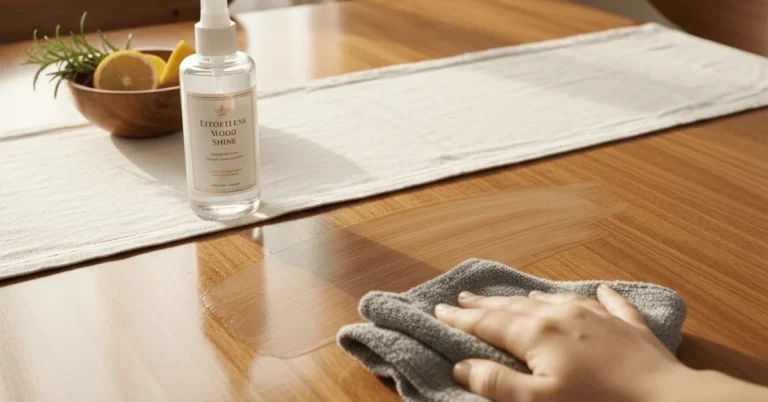
- For everyday cleaning, use a soft cloth or sponge with warm water and a few drops of mild dish soap, wiping with the grain.
- Never soak acacia in water and never put it in the dishwasher — the heat and prolonged saturation cause warping and surface cracking that oiling can’t fully reverse.
- Dry thoroughly with a towel after washing; don’t let a cutting board or bowl air-dry lying flat, stand it upright so both sides dry evenly.
- Keep pieces out of direct sunlight and away from heat vents, both of which pull moisture out of the wood faster than normal use does.
Oiling Acacia Wood: How Often and With What
Acacia’s tight grain holds some natural oil, but it’s not nearly enough on its own for long-term protection — that’s the part of the “durable, low-maintenance wood” marketing that gets left out. Reapplying oil restores what daily use, sunlight, and washing gradually remove.
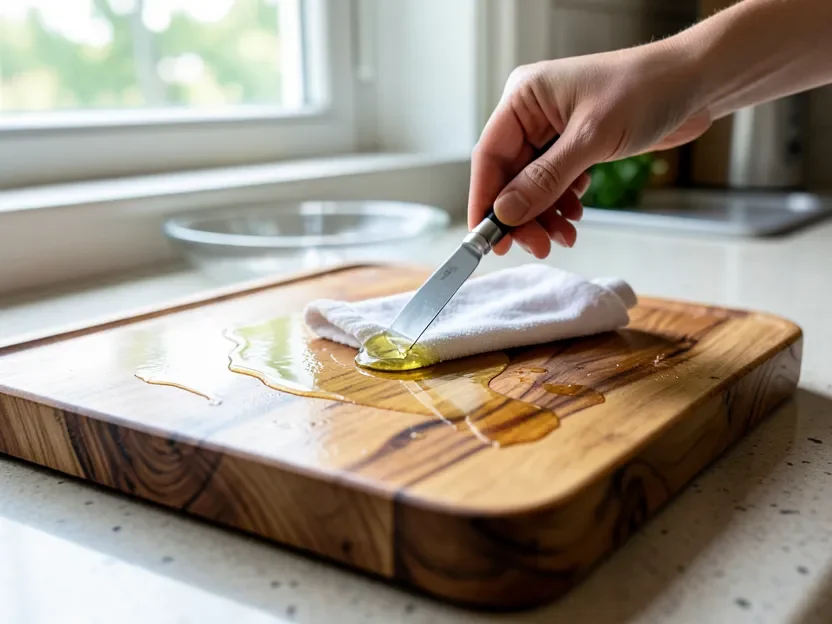
For cutting boards, bowls, and utensils: use a food-grade mineral oil, beeswax blend, or coconut oil. Apply a generous coat with a clean cloth, let it soak in for a few hours (overnight is better for a board that’s gone dry), then wipe off any excess that hasn’t absorbed. Boards used daily need this every 2–4 weeks; boards used a few times a week can stretch to every 6 weeks.
For indoor furniture: a furniture wax or oil every 3–4 months is usually enough, since indoor pieces aren’t fighting sun and rain. If your acacia is also used for food prep, like a serving board or bowl that doubles as decor, stick to a food-safe oil rather than a furniture-specific finish.
For outdoor furniture: plan on 2–3 oilings a year with a teak oil or a sealer rated for acacia specifically. Outdoor acacia is doing the most work of any piece you own — full sun bleaches and dries the surface, rain cycles the wood between wet and dry, and both speed up graying if you skip the schedule. If you own acacia patio furniture specifically, our guide to acacia outdoor furniture care compared to teak goes deeper on the oil-frequency difference between the two woods.
The Water-Bead Test: How to Know When It’s Time to Re-Oil
You don’t have to guess or oil on a rigid calendar — the wood itself tells you. Sprinkle a few drops of water on the surface:
- Water beads up and sits on the surface: the finish is still doing its job, no need to oil yet.
- Water soaks in within a few seconds, or the wood looks dry/dull: it’s time to re-oil, regardless of when you last did it.
This test matters more than the calendar dates above because actual conditions — how often a board is washed, how much sun a table gets — vary piece to piece. Use the schedule as a baseline and the water test to double-check it.
Common Acacia Wood Problems and How to Fix Them
Graying or fading: this is UV exposure breaking down the wood’s surface lignin, most common on outdoor pieces. A light sanding with fine-grit (220–320) sandpaper followed by a fresh oil coat usually restores the color; for furniture that’s gone gray, our guide on how long acacia lasts outside covers what’s cosmetic versus what’s a real structural concern.
Scratches and scuffs: light surface scratches usually buff out with a cloth and a fresh coat of oil. Deeper scratches need a light sand with the grain before oiling; a matching touch-up pen can hide anything that’s still visible after that.
Grease or food stains on a cutting board: sprinkle coarse salt on the stain, scrub gently with half a lemon, rinse, dry, and re-oil once fully dry. Skip dish soap for a set-in oil stain — it won’t lift grease that’s already soaked into the grain.
Mold or dark spots: usually a sign the wood stayed damp too long, often from air-drying flat or storing in a humid spot. Wipe with a diluted white vinegar solution (never bleach, which is too harsh for the wood and unsafe on anything food-contact), dry completely, and let it air out before oiling again.
Acacia Wood Care Mistakes to Avoid
- Assuming “water-resistant” means “maintenance-free.” Acacia’s natural oils slow water absorption, they don’t stop it long-term the way teak’s much higher natural oil content does. Our breakdown of acacia’s actual water resistance has the full comparison.
- Using furniture polish on food-contact pieces. Standard furniture polish and some sealers aren’t food-safe — keep cutting boards, bowls, and utensils on food-grade mineral oil or beeswax only.
- Letting a board sit wet in the sink. Even a few hours of standing water is enough to start warping thinner pieces.
- Oiling over dirt or grime. Always clean and fully dry the piece before oiling — sealing in dust or residue just traps it under the new coat.
- Skipping outdoor pieces in winter. Acacia furniture left outside through freeze-thaw cycles without a fall oiling is the single most common cause of the deep surface cracks people mistake for a manufacturing defect.
Frequently Asked Questions About Acacia Wood Maintenance
How often should you oil acacia wood?
It depends on the piece: cutting boards and bowls in daily use need oil every 2–4 weeks, indoor furniture every 3–4 months, and outdoor furniture 2–3 times a year. The water-bead test (sprinkle water on the surface — if it soaks in fast, it’s time) is a more reliable check than any fixed calendar.
Is acacia wood low-maintenance?
It’s lower-maintenance than many woods thanks to its natural oil content, but it’s not maintenance-free. Skipping regular oiling still leads to drying, graying, and surface cracking within a season or two, especially outdoors.
Can you use olive oil or vegetable oil on acacia wood?
No — cooking oils like olive or vegetable oil go rancid and turn sticky or smelly over time. Use a food-grade mineral oil, beeswax blend, or coconut oil instead, which won’t spoil.
What’s the best way to clean acacia wood?
Warm water with a few drops of mild dish soap on a soft cloth, wiped with the grain, then dried thoroughly with a towel. Avoid bleach, ammonia, acetone, and mineral spirits, and never soak acacia or run it through a dishwasher.
Bottom Line
Acacia wood rewards a small, consistent routine more than it needs an occasional deep restoration: clean with mild soap and water, oil on the schedule above (or whenever the water-bead test says it’s time), and keep it away from soaking water and direct heat. Do that and acacia furniture, cutting boards, and outdoor pieces alike hold their color and grain for years instead of needing to be sanded back or replaced.
Sponsored / affiliate links. As an Amazon Associate I earn from qualifying purchases. I may earn additional commission from eligible campaigns.