How to Make a Wooden Box With Hand Tools (Box Joint Sizes Inside)
You can make a wooden box with hand tools alone – a hand saw, chisel, mallet, and block plane – no table saw or router required. Cut the box-joint fingers the wrong width, though, and the corners gap or split under glue-up stress. This guide covers cutting accurate box joints by hand, choosing wood by real cost and workability, correct Titebond clamp times, and sizing a lid that will not stick when humidity swings 4 percent.
Gathering Your Materials
Gathering your materials is the first step. Pick the wood by what you can actually cut cleanly by hand and what the box needs to survive – a jewelry box has different demands than a tool chest.
Choosing The Right Wood
Softwoods like pine cut fast with a hand saw and cost the least, but they dent easily and show every mallet slip. Hardwoods like oak and poplar take a cleaner box-joint edge and hold a finish better, at a real cost difference per board foot. Compare wood types in more detail before you buy.
| Wood | Typical Cost | Hand-Tool Workability | Best For |
|---|---|---|---|
| Pine | $3–$4 / board ft | Cuts and chisels easily; soft, dents under a mallet slip | Painted boxes, practice pieces |
| Poplar | $4–$5 / board ft | Moderate hardness; holds a crisp box-joint edge | Stained or painted boxes |
| Oak | $7–$9 / board ft | Hard on hand tools but takes the cleanest joint line | Heirloom or display boxes |
| Birch plywood | $5–$6 / board ft equivalent | Stable, minimal wood movement, but edges show plies | Beginners avoiding seasonal warping |
Essential Tools And Supplies
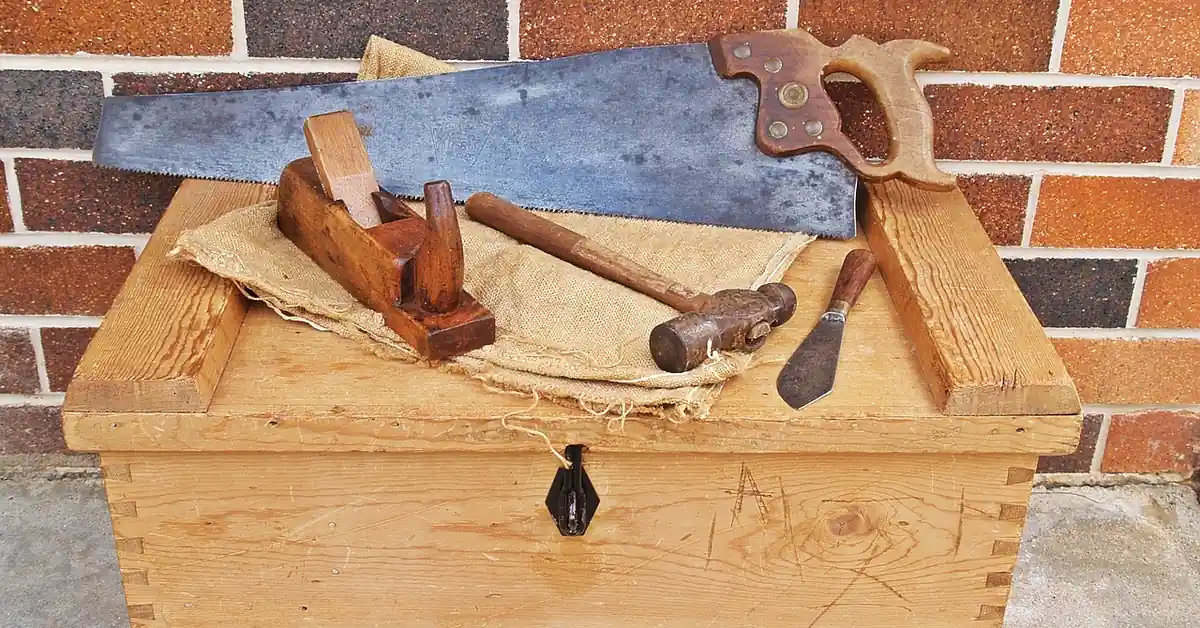
For a hand-tool build you need a panel or dovetail saw, a set of chisels, a mallet, a block plane, sandpaper, wood glue, clamps, a marking gauge, and a pencil. No table saw or router is required for a basic box – a circular saw still works if you have one and want faster straight cuts on larger panels. Wear safety glasses whenever you chisel or saw.
Best Wood Glue Pick For Box Joints
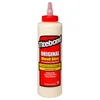 |
Titebond Original Wood Glue, 16 oz – $5.49 A PVA glue that sets fast enough for a box-joint glue-up but stays open long enough to check corners are square before it grabs – matches the 24-hour before-stress clamp schedule this guide follows.
|
As an Amazon Associate we earn from qualifying purchases.
Designing Your Box
Designing your box before you cut anything catches size mistakes on paper instead of in wood.
Determining Size And Purpose
Measure the items the box needs to hold, then add roughly half an inch of clearance per side so nothing binds once the finish is on.
Sketching Your Plan
Sketch the box with real dimensions on paper, including side thickness, before you touch a saw. This is also when you pick the joint – see the box joint spacing below, since the finger layout has to match your sketch, not the other way around.
Cutting The Wood
Measuring And Marking
Mark every cut line with a marking gauge, not just a pencil – a scored line gives the saw a groove to track and keeps the box joint fingers from wandering off-square.
Using A Saw Safely
Clamp the board to a bench hook, keep your off-hand well clear of the blade path, and let the saw’s weight do the cutting instead of forcing it – forcing a hand saw is what causes it to wander off the line.
Box Joint Finger Width And Spacing
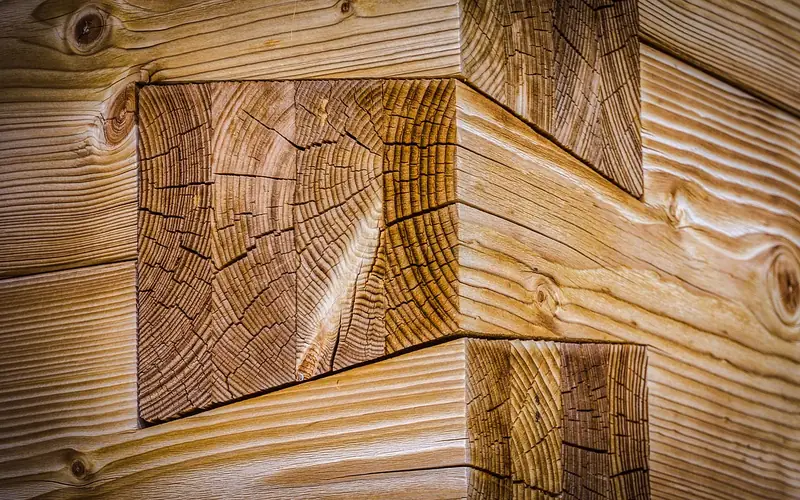
A box joint is a corner joint made of interlocking rectangular fingers cut into the ends of both boards, glued together for a large gluing surface. The finger width should match your stock’s thickness for a symmetrical look – on 3/8-inch side stock, cut 3/8-inch fingers. Side stock between 1/4 and 1/2 inch thick works for most small boxes; 5/16 to 3/8 inch is the easiest range to cut cleanly by hand. See how mortise and tenon joinery compares if you want a different corner option for a lidded box. Prefer to skip box joints entirely? Our nail-free joinery guide ranks dovetails, rabbets, and miters by strength and difficulty.
Assembling The Box
Joining The Sides
Dry-fit all four corners before any glue touches the wood – a box joint that needs force to seat dry will crack a finger once clamped. Apply glue to every finger face, then clamp.
Attaching The Bottom
Glue the bottom panel into a rabbet or groove rather than face-nailing it flat – a captured bottom can move with humidity without splitting the sides.
Finishing Touches
Sanding For Smoothness
Plane the joints flush first with a block plane, then sand through 120, 180, and 220 grit. Planing removes far more material per stroke than sanding, so it saves real time on box joints proud of the surface.
Applying Finish Or Paint
Wipe-on oil finishes suit hand-cut boxes best since there’s no spray equipment involved – two or three thin coats, scuffed lightly between coats, beat one thick coat every time. See more finish options and dry times if you want a film finish instead.
“We cut our box joints slightly proud on purpose, then plane them flush after the glue cures – trying to land every finger perfectly flush straight off the saw is how beginners end up with gaps.”
Adding A Lid
A lid that fits snugly in July can bind shut by January if you cut it dead-tight to the opening in solid wood.
Leave that much clearance around a solid-wood lid, or use plywood for the lid panel if you want to skip the calculation – plywood’s cross-grain layers barely move at all. Once the box and lid are cut, add a handle or knob to the lid for easy lifting.
Hinge Installation
Chisel the hinge mortise a hair shallower than the hinge leaf thickness, then pare it down in small passes until the leaf sits flush – removing too much at once is the most common hand-tool hinge mistake.
Creating A Snug Fit
If a hingeless lid needs to simply rest in place, start tight and ease the fit back with a sanding block or block plane a shaving at a time rather than guessing at the gap up front.
Customizing Your Box
Decorative Elements
Chip carving, a routed edge profile, or a contrasting wood species inlay all work well on a box joint corner since the end grain is already on display.
Functional Add-ons
A felt or fabric liner protects contents like jewelry or tools from scratching against bare wood – see our step-by-step felt-lining guide for the full process.
Maintenance And Care
Cleaning Tips
Dust with a dry or barely-damp cloth. Standing water on an oil-finished box will leave a ring, the same as on furniture.
Long-term Preservation
Keep a wood box away from direct heating vents and direct sun – both accelerate the humidity swings that cause the lid-fit problem covered above. Re-oil an oil-finished box once a year to keep the wood from drying out.
Want more project ideas once this one is done? Browse our full library of woodworking projects.
Frequently Asked Questions
How Do You Make A Wooden Box?
Measure and cut the side pieces, cut box-joint or rabbet corners, dry-fit the pieces, glue and clamp the corners, then sand and finish once the glue has cured for 24 hours. Attach hinges and a lid last if the box needs one.
What Tools Do I Need To Make A Wooden Box?
A hand saw, chisels, a mallet, a marking gauge, sandpaper or a block plane, wood glue, and clamps cover a basic hand-tool build. A drill and screwdriver help if you are using hinges and hardware instead of glue alone.
What Type Of Wood Is Best For Making A Wooden Box?
Pine and poplar are the easiest and cheapest woods to cut by hand for a first box. Oak and other hardwoods cost more and dull tools faster but hold a cleaner box-joint line and a better finish for a display piece.
How Long Does It Take To Make A Wooden Box?
A simple hand-tool box takes roughly 4 to 8 hours of shop time spread across cutting, glue-up, and finishing, plus 24 hours of glue cure time before you can safely handle or stress the joints.
Do You Need Power Tools To Make A Wooden Box?
No. A hand saw, chisels, and a block plane can cut, join, and smooth a small box without a table saw or router, though a circular saw speeds up long straight cuts on larger panels if you have one.
How Wide Should Box Joint Fingers Be?
Match the finger width to your side stock’s thickness for a symmetrical joint. On 5/16 to 3/8-inch stock, cut fingers the same 5/16 to 3/8 inch width for the strongest, most even-looking corners.
Conclusion
A wooden box built entirely with hand tools comes down to three things: fingers cut to match your stock thickness, glue given its full 24-hour cure before any stress, and clearance left for a solid-wood lid to move with the seasons. Get those three right and the rest – finish, hardware, decoration – is just preference.
Sponsored / affiliate links. As an Amazon Associate I earn from qualifying purchases. I may earn additional commission from eligible campaigns.