How to Paint a Glass Table Top That Won’t Chip or Peel
Glass table tops take paint best when you clean, prime, and coat the underside rather than the top — the glass itself then shields the paint from scratches and spills. Painting the top surface directly leaves the finish exposed to daily wear and can chip within months. This guide covers back-painting versus front-painting, which paints actually hold up (gloss enamel vs. chalk paint vs. tempera), and how long to wait before using the table again.
Back-Painting vs. Front-Painting: Which Lasts Longer?
Best Glass Table Top Paint Pick
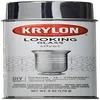
Krylon Looking Glass Silver-Like Spray Paint – $13.48
Sprays directly on the reverse side of clear glass for a reflective, mirror-like finish that’s dry to the touch in about 15 minutes — the exact back-painting approach this guide recommends for durability.
- Best for: Back-painting a clear glass table top for a reflective, silver-mirror look
- Why we picked it: It’s a one-step formula made specifically for spraying the underside of clear glass, matching the back-painting method this guide covers
- Main drawback: Silver/mirror finish only — for solid colors you need a different paint
Compare more glass paint options
 Option 1 Rust-Oleum Painter’s Touch 2X Gloss Black – $5.99
|
 Option 2 Rust-Oleum Chalked Ultra Matte Linen White – $10.99
|
 Option 3 Rust-Oleum Painter’s Touch 2X Gloss Clear – $5.98
|
As an Amazon Associate we earn from qualifying purchases.
Back-painting means applying paint to the underside of the glass, so you see the color through the clear top layer while the glass itself protects the paint from scratches, spills, and cleaning wipes. Front-painting means coating the top surface directly, which touches plates, cups, and cleaning cloths every day. Most painted glass tables that hold up for years use the back-painting method.
| Method | Durability | Best For |
|---|---|---|
| Back-painting (underside) | High — glass protects the paint layer | Dining and coffee tables that see daily use |
| Front-painting (top surface) | Low-moderate — needs gloss/semigloss enamel and a topcoat | Decorative or low-traffic accent tables |
| Front-painting + polyurethane topcoat | Moderate — topcoat slows peeling | Outdoor patio tables exposed to weather |
Preparation: Cleaning, Masking, and Priming
Preparation determines whether the paint lasts one season or several years. Clean the glass with a glass cleaner and lint-free cloth, working the edges and corners where residue collects — any leftover dust or oil under the paint causes peeling. Let the glass dry completely before moving on; painting over even light moisture traps it under the coat.
If the glass is set into a wood or metal table base, mask off the frame and edges with painter’s tape before you start, and lay newspaper or a drop cloth underneath to catch overspray. Once masked, apply a thin, even coat of glass-bonding primer and let it cure fully — skipping primer is the most common reason spray paint scrapes off a glass tabletop within weeks.
Choosing the Right Paint for Glass
Not every paint product bonds to glass equally well. Acrylic enamel is the most durable option for a tabletop — it’s a water-based formula that won’t yellow over time, and a gloss or semigloss finish dries harder than flat paint because it carries more binder relative to pigment. For outdoor tables that face temperature swings, a metallic spray labeled for glass and multi-surface use holds up better than an indoor-only formula. Tempera or poster paint looks striking but peels off when scratched or washed, so treat it as a temporary or seasonal look rather than a permanent finish.
Whichever paint you choose, apply it in thin coats, holding a spray can 6–12 inches from the glass and building up color gradually rather than in one heavy pass — thick coats run, drip, and take far longer to cure evenly.
How to Back-Paint a Glass Table Top (Step by Step)
- Clean the underside: Wipe the bottom of the glass with glass cleaner and a lint-free cloth, then let it dry fully.
- Mask the edges: Apply painter’s tape along the rim so overspray doesn’t reach the table base or the top surface.
- Prime the glass: Spray a thin, even coat of glass-bonding primer and let it dry per the label before adding color.
- Apply the paint: Spray or brush thin coats of acrylic enamel 6–12 inches from the surface, letting each coat dry before the next.
- Add a protective seal: Once the final coat is dry to the touch, apply a thin layer of clear polyurethane over the paint to slow peeling.
- Cure before use: Let the table sit undisturbed — see cure times below — before setting anything on it or wiping the surface.
How Long Does Painted Glass Need to Cure?
Dry time and cure time are not the same thing. Most spray paints feel dry to the touch in 20–30 minutes, but that’s only the surface. The paint underneath is still soft and easy to scratch or dent until it fully cures.
📊 Painted glass typically needs 24–72 hours to cure before light handling, and about a full week before regular tabletop use — Source: Krylon Glass Coffee Table Project Guide
“Let the paint completely dry for 48 hours before reassembling the coffee table.”
Setting dishes, drinks, or cleaning cloths on the glass before it fully cures is the most common reason a fresh paint job scuffs or dents within the first week.
Glass Table Top Makeover Ideas
Once you’ve settled on a technique, here are a few directions that work well on a glass tabletop:
- Striped coffee table top: Mask off stripes with painter’s tape before spraying so each color stays crisp.
- Glossy black restoration: Lightly scuff the glass with fine sandpaper for extra grip, then back-paint in gloss black for a modern, opaque look.
- Painted outdoor table: Use a paint rated for outdoor and glass use, and add a weather-resistant topcoat so it survives sun and rain.
- Marbled effect: Drop two or three complementary colors onto the wet surface and swirl lightly with a brush before it sets.
- Bold layered finishes: Multi-surface craft paints made for glass and metal let you build texture and metallic accents in layers.
What to Do With an Old Glass Table Top You Don’t Want to Paint
If painting isn’t the right fix for a particular table, you don’t have to throw it away. Check with your local recycling center first — tabletop glass is tempered or laminated, so it often isn’t accepted alongside regular glass recycling. Selling it locally, repurposing the panel into a mosaic or garden divider, or donating it to a school art program or thrift store are all realistic alternatives to landfill.
Frequently Asked Questions
Can I paint a glass top table?
Yes. Clean the glass thoroughly, apply a glass-bonding primer, and use acrylic enamel or a paint labeled for glass. Back-painting the underside gives the most durable result because the glass protects the finish from daily wear.
Should I paint the top or the underside of the glass?
The underside. Back-painting protects the paint layer behind the glass itself, so it resists scratches from plates, cups, and cleaning. Front-painting the top surface exposes the finish directly to daily wear and chips faster.
How long does painted glass take to cure before I can use the table?
Most spray paints are dry to the touch in 20–30 minutes, but full cure takes 24–72 hours, and up to a week for regular daily use. Using the table too soon is the most common cause of scuffed or dented paint.
What can I do with an old glass table top?
Instead of discarding it, consider selling it locally, repurposing it into a mosaic or garden panel, or donating it to a thrift store or school art program. Tempered tabletop glass often isn’t accepted by standard glass recycling, so check locally before assuming it can be recycled.
What paint should I avoid for a glass table top?
Avoid tempera or poster paint for a permanent finish — it looks vivid initially but peels off easily when scratched or washed, so it only works as a temporary or seasonal look unless it’s sealed on the underside of the glass.
Conclusion
Back-painting the underside with a gloss acrylic enamel, over a proper primer, is what makes a painted glass table top hold up for years instead of months. Clean and mask thoroughly, apply thin coats, and give the finish the full 24–72 hour cure — longer if the table sees daily use — before putting it back into service.
Sponsored / affiliate links. As an Amazon Associate I earn from qualifying purchases. I may earn additional commission from eligible campaigns.