How to Paint Hardwood Floors: 3 Paint Types and Stencil Ideas
Painting hardwood floors means sanding the surface first, priming it, then applying an oil-based, latex, or epoxy floor paint made for foot traffic, not regular wall paint. Skip the prep and the finish can peel or chip within months of normal use. This guide covers paint-type selection, prepping and priming, brushing and rolling technique, stencil and taped geometric designs, and sealing for durability.
Choosing The Right Paint
Best Pick For Painting Hardwood Floors
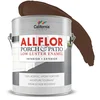
California Paints ALLFLOR Porch & Patio Floor Enamel, Saddle Brown, 1 Gallon – $49.99
This guide flags epoxy paint as the most durable choice for high-traffic floors — ALLFLOR is an epoxy-fortified acrylic enamel made specifically for floors, not a wall paint pressed into service.
- Best for: A durable, epoxy-fortified enamel for high-traffic hallways and rooms
- Why we picked it: Matches this guide’s note that epoxy-modified paint holds up best under foot traffic, and it’s rated for floors, not walls
- Main drawback: Saddle Brown limits you if you want the lighter, modern look this guide also covers
Compare more floor paint & prep supplies
 Option 1 INSL-X Stix Acrylic Bonding Primer, 1 Quart – $25.40
|
 Option 2 Varathane Satin Water-Based Polyurethane, 1 Gal – $86.47
|
 Option 3 ScotchBlue Painter’s Tape, 2 Inch – $5.99
|
As an Amazon Associate we earn from qualifying purchases.
When it comes to painting hardwood floors, the first crucial step is choosing the right paint. Let’s explore the key factors to consider when selecting a paint for your hardwood floors.
Selecting The Appropriate Type
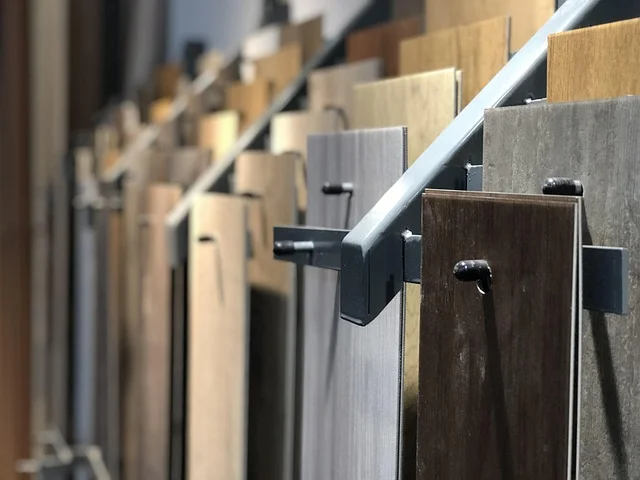
- Oil-based paints: Durable and great for high-traffic areas.
- Latex paints: Fast-drying and easy to clean up with water.
- Epoxy paints: Provides a highly durable finish but requires proper ventilation.
Considerations For Color And Finish
When deciding on the color and finish for your hardwood floors, keep the following in mind:
- Color: Choose a hue that complements the overall aesthetic of the room — see our hardwood floor paint colors guide for shade-by-shade picks.
- Finish: Opt for a matte finish for a more natural look or a gloss finish for added durability.
With these guidelines in mind, selecting the right paint for your hardwood floors will ensure a stunning and long-lasting result — see our full guide to the best paint for wood floors for more picks.
Preparing The Surface
Before painting hardwood floors, preparing the surface is crucial.
Cleaning And Sanding
1. Sweep the floor to remove dust and debris.
2. Clean with a damp mop using a wood floor cleaner.
3. Sand the floor with a drum sander to create a smooth surface.
Priming The Hardwood
1. Apply a wood primer to enhance paint adhesion.
2. Use a paint roller to evenly prime the entire floor.
Applying The Paint
Applying the paint to your hardwood floors is a crucial step in the process of reviving and rejuvenating them. It’s essential to prepare the surface, choose the appropriate tools, and follow the right techniques to ensure a professional, long-lasting finish.
Techniques For Brushing And Rolling
When it comes to applying paint to hardwood floors, utilizing the right techniques for brushing and rolling is essential. Carefully prepare the floor by sanding it down and ensuring it is completely free of dust and debris. Use a high-quality brush or roller specifically designed for floor painting. Apply long, even strokes, and blend the edges as you go to avoid visible lines.
Tips For Achieving A Smooth Finish
For a smooth finish, start by using a high-quality primer to ensure the paint adheres properly to the floor. Apply each coat of paint evenly and thoroughly, allowing sufficient drying time between each coat. Avoid overworking the paint and maintain a consistent direction to minimize streaks. Finally, seal the paint with a clear, protective finish to add durability and ensure the longevity of your beautifully painted hardwood floors.
Adding Creative Touches
Incorporating Stencils Or Patterns
If you want to add intricate designs to your hardwood floors without the hassle of freehand painting, stencils are the perfect solution. Whether you prefer geometric shapes, floral patterns, or intricate motifs, stencils allow you to achieve professional-looking results with ease. Here’s how you can incorporate stencils or patterns into your painted hardwood floors:
- Start by selecting a stencil or pattern that complements your existing decor. Bold designs can create a dramatic impact, while more subtle patterns can add a hint of elegance.
- Prepare your hardwood floors by cleaning them thoroughly and allowing them to dry completely.
- Secure the stencil onto the floor using painter’s tape, ensuring it doesn’t shift during the painting process.
- Using a small brush or a foam roller, gently dab the paint onto the stencil, ensuring even coverage. Be careful not to apply too much pressure, as it can cause the paint to bleed.
- Once you’ve completed the stencil, carefully remove it and allow the design to dry completely before applying a protective sealant.
Using Tape For Geometric Designs
If you’re interested in adding clean lines and modern geometric designs to your painted hardwood floors, utilizing tape is a simple yet effective technique. Follow these steps to achieve precise and eye-catching geometric patterns:
- Clean and prepare your hardwood floors by sanding and removing any dust or debris.
- Select the type of geometric design you want to create. Options could include chevron patterns, stripes, or even a herringbone design.
- Use painter’s tape to mark off the areas where you want your geometric design to be. Ensure each piece of tape is perfectly aligned and firmly pressed down to prevent paint bleeding.
- Apply the paint within the taped-off sections, using a brush or roller for even coverage. Allow each coat to dry before applying additional coats.
- Once the paint is dry, carefully remove the tape to reveal your pristine geometric design.
- Finish off your newly painted hardwood floors by applying a clear protective sealant to ensure its longevity.
Protecting Your Masterpiece
Learn how to paint hardwood floors to protect and beautify your space. Follow our step-by-step guide to achieve a professional finish and durable results. With the right tools and techniques, you can transform your hardwood floors into a stunning masterpiece.
Choosing The Right Sealant
One of the most important steps in protecting your painted hardwood floors is choosing the right sealant. The sealant acts as a protective barrier, shielding your masterpiece from scratches, stains, and general wear and tear.
There are several types of sealants available, but it is crucial to pick one that is specifically designed for hardwood floors. Look for sealants that are durable, easy to clean, and provide a good amount of shine without being too slippery.
Here are some popular options to consider:
- Polyurethane: A commonly used sealant that offers excellent protection and a high-gloss finish. It is available in both oil-based and water-based variants, with the latter being more environmentally friendly.
- Acrylic: Another popular choice, acrylic sealants form a hard protective layer that is resistant to scuffs and spills. They are quick-drying and offer a satin or matte finish.
- Wax: If you prefer a more traditional approach, wax sealant can be a good choice. It provides a natural-looking finish and is easy to maintain. However, it may require more frequent reapplication compared to other sealants.
Before applying the sealant, make sure to thoroughly clean and prepare the painted surface. Remove any dust, debris, or wax residue to ensure maximum adhesion.
Caring For Painted Hardwood Floors
Once you have successfully protected your painted hardwood floors with the right sealant, it is essential to know how to properly care for them to maintain their beauty and longevity.
Follow these guidelines to ensure your painted hardwood floors stay in top condition:
- Regular Cleaning: Dust and sweep your floors frequently to remove any abrasive particles that may cause scratches. Use a microfiber mop or a soft-bristle broom for gentle cleaning.
- Avoid Excessive Moisture: While most sealants provide some level of water resistance, it is still important to wipe up spills immediately to prevent any potential damage. Avoid excessive moisture and never wet mop your painted hardwood floors.
- Use Furniture Protectors: Place felt pads or furniture sliders under the legs of your furniture to prevent them from scratching or denting the floor surface when moved.
- Minimize Direct Sunlight: Prolonged exposure to sunlight can cause the paint on your hardwood floors to fade. Use curtains or blinds to reduce direct sunlight and protect your masterpiece.
- Periodic Maintenance: Over time, your painted hardwood floors may develop slight wear in high-traffic areas. Consider periodically applying a fresh coat of sealant to protect the underlying paint and keep your floors looking vibrant.
By following these simple care tips, you can extend the life of your painted hardwood floors and keep them looking stunning for years to come.
Frequently Asked Questions For How To Paint Hardwood Floors
What Kind Of Paint Do You Use On Hardwood Floors?
For hardwood floors, use floor paint recommended for high-traffic areas. Opt for durable, water-based acrylic or oil-based paint.
Is Painting Wood Floors A Good Idea?
Painting wood floors can be a good idea as it can provide a fresh look, protect the wood, and is cost-effective. However, it’s important to properly prepare and prime the wood for the best results.
Can I Paint Wood Floors Without Sanding Them?
Yes, you can paint wood floors without sanding them using specific types of primer and paint designed for this purpose. It’s essential to clean the floors thoroughly and use the right products for adhesion. Ensure to follow proper preparation and application techniques for best results.
What Are The Best Colors To Paint Hardwood Floors?
The best colors to paint hardwood floors vary based on personal preference and the desired aesthetic. Popular options include shades of gray, white, and beige for a modern and neutral look. Additionally, dark colors like deep brown or black can create a dramatic and elegant ambiance.
Ultimately, choose a color that complements your existing decor and suits your personal style.
Conclusion
In closing, painting hardwood floors can be a creative and cost-effective way to transform any space. By following the proper steps and using high-quality materials, you can achieve a beautiful and durable finish that enhances the overall look and feel of your home.
With the right preparation and attention to detail, you can enjoy stunning, painted hardwood floors for years to come.
Sponsored / affiliate links. As an Amazon Associate I earn from qualifying purchases. I may earn additional commission from eligible campaigns.