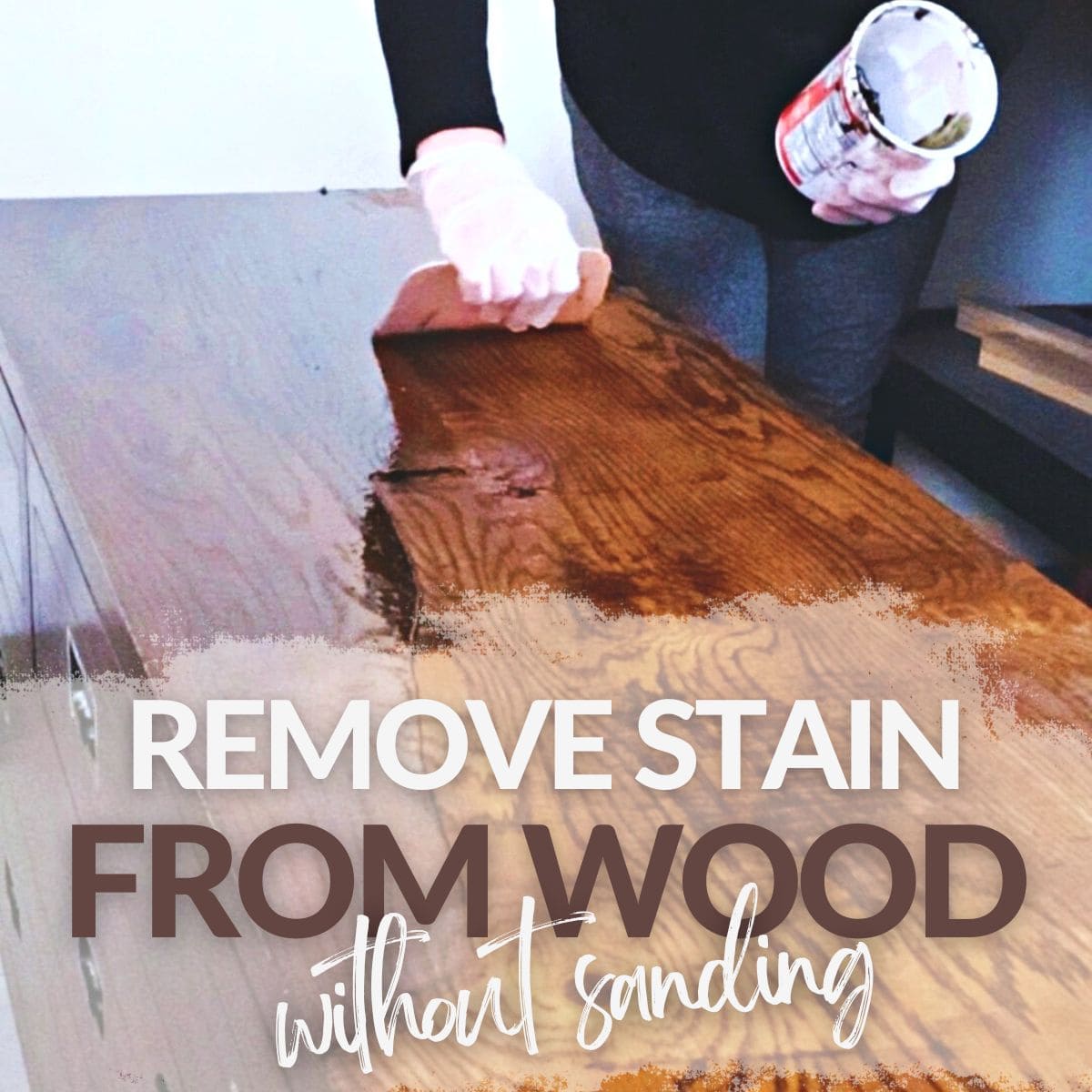
How to Remove Polyurethane from Wood: Keep Stain Intact
Are you facing the challenge of removing polyurethane from wood while preserving its beautiful stain? You’re not alone.
Many homeowners and DIY enthusiasts find themselves in a tricky situation when dealing with wood surfaces coated in polyurethane. You want to maintain the wood’s rich, stained appearance but need to strip away that glossy layer. The good news is, you can achieve this without compromising the stain beneath.
Imagine restoring your wood furniture or floors to their original charm without having to reapply the stain. It’s possible, and it’s easier than you think. In this guide, we’ll reveal effective methods to safely remove polyurethane, helping you save time and effort. You’ll discover simple techniques and tips that can transform your wood surfaces and breathe new life into your home décor. Curious to learn how? Keep reading, and unlock the secrets to preserving your wood’s natural beauty.

Credit: www.reddit.com
Preparation And Safety Measures
Get all the tools before you begin. You’ll need a scraper, sandpaper, and a chemical stripper. A brush and cloth are also important. Always have a bucket of water nearby.
Open all windows and doors. This keeps fresh air coming in. Use a fan if possible. Fresh air helps you breathe better and stay safe.
Always wear gloves and goggles. They keep your hands and eyes safe. Put on a mask to avoid breathing bad air. Don’t forget to wear old clothes. They might get dirty or damaged.
Understanding Polyurethane And Wood Stains
Polyurethane is a strong finish. It protects wood from scratches and water. It is often shiny and smooth. This finish lasts for a long time. It can turn yellow as it ages. Removing polyurethane is tricky. It sticks well to wood surfaces. It needs special tools and care.
Wood stains change the color of wood. They soak into the wood fibers. This creates a deep and rich tone. Stains come in many colors. They are used to show wood’s natural beauty. Stains can be light or dark. They do not protect wood like polyurethane. Stains need a finish on top to last longer.
Choosing The Right Removal Method
Removing polyurethane from wood while keeping the stain intact requires gentle techniques. Opt for products like denatured alcohol or a mild stripper. These methods help preserve the wood’s stained appearance while effectively removing the finish.
Chemical Strippers
Chemical strippers can help remove polyurethane from wood. They work fast and are very effective. Always wear gloves and safety glasses. Keep the area well-ventilated. Apply the stripper with a brush. Wait for the chemical to soften the finish. Use a plastic scraper to lift off the softened finish. Be careful not to damage the wood. Check the label for specific instructions. Different brands may have different guidelines.
Manual Sanding Techniques
Sanding is a safe method to remove polyurethane. Use sandpaper with fine grit. Start with gentle pressure. Sand along the wood grain. This helps avoid scratches. Change to finer grit as needed. This smooths the wood surface. Sanding takes time but is effective. It also keeps the wood stain intact. Always check your progress.
Heat Gun Applications
A heat gun can soften polyurethane. Hold it a few inches away. Move it slowly over the surface. The heat will soften the finish. Use a scraper to remove the softened polyurethane. Avoid overheating to prevent wood damage. Keep a safe distance from the wood. Practice on a small area first. This ensures you get the technique right. Always follow safety precautions.
Chemical Stripper Application
Choose a stripper that is gentle on wood. Look for one that does not harm the stain. Ensure it is safe for indoor use. The label should say non-toxic. This keeps you and the wood safe.
Wear gloves to protect your hands. Use a brush to apply the stripper. Spread it evenly on the wood. Let it sit for the time on the label. The polyurethane will start to bubble. This means it’s working.
Use a damp cloth to wipe the stripper. Make sure no residue is left. Rinse the cloth often in clean water. This will help neutralize the stripper. Let the wood dry completely before touching it again.
Sanding Techniques For Polyurethane Removal
Choosing the right sandpaper is crucial. Start with a medium-grit sandpaper, like 120-grit. This removes the polyurethane without hurting the wood. Finer grits like 220-grit help smooth the surface. Always check the sandpaper for wear. Replace it if it gets dull.
Begin sanding gently. Move the sandpaper along the wood grain. Avoid circular motions. This keeps the wood surface even. Check progress often. Vacuum the dust regularly to see the wood better. Continue until the polyurethane is gone.
Keep the wood stain safe. Do not sand too hard. Light sanding removes only the polyurethane. Focus on even pressure. This avoids damage to the stain. Test a small area first. Ensure the stain stays intact.

Credit: www.reddit.com
Using Heat To Remove Polyurethane
Always wear protective gear. Use gloves to protect your hands. Wear goggles for your eyes. Make sure the room has good ventilation. Keep a fire extinguishernearby. Safety comes first.
Hold the heat gun at a safe distance. Move it slowly over the polyurethane. Keep the gun moving to heat evenly. Watch the surface closely. Do not overheat. This helps in removing the polyurethane effectively.
Use low heat settings on the gun. High heat can damage the stain. Test a small area first. Be gentle to preserve the wood’s original stain. Work in small sections. This ensures the stain stays intact.
Assessing And Repairing Wood Surface
Removing polyurethane from wood while keeping the stain intact involves careful sanding and chemical strippers. Begin with gentle sanding to loosen the finish, then apply a suitable stripper to dissolve the polyurethane. Wipe away the residue, ensuring the stain remains untouched for a refreshed look.
Checking For Residue
Start by checking for any leftover polyurethaneon the wood. Use a damp cloth to gently wipe the surface. Look closely to find any shiny spots or sticky areas. Residuemay cause problems later. If you find any, clean it carefully. Use a soft sponge to avoid scratches. Avoid harsh chemicals. They can damage the wood. Warm water works best. Check again after cleaning. Make sure no residue is left.
Repairing Surface Imperfections
Identify any imperfectionslike dents or scratches. These can affect the wood’s appearance. Sand the surface gently. Use fine-grit sandpaper for smooth results. Work in small circles. This ensures even sanding. Fill deeper dents with wood filler. Choose a filler that matches the wood color. Let it dry completely. Sand again for a smooth finish. Inspect the surface carefully. Make sure it looks even and clean.
Reapplying Polyurethane
Removing polyurethane from wood while keeping the stain intact is possible. Use a chemical stripper to gently dissolve the polyurethane layer. Carefully wipe away the residue, ensuring the stain remains undisturbed beneath.
Choosing The Right Finish
Pick a finish that matches the old one. This keeps the look the same. Some finishes are shiny, while others are matte. Consider what you like best. Also, think about the wood type. Some finishes work better on certain woods. Test a small area first. Make sure the new finish looks good.
Application Techniques
Use a brush or cloth to apply the polyurethane. A brush can give a smooth look. A cloth can help with thin layers. Always go with the wood grain. This helps the finish look even. Apply in thin layers. Thick layers can look bad. Let each layer dry before adding more.
Ensuring Even Coverage
Check for areas you missed. Use a light to see better. Touch up any spots if needed. Keep the room dust-free. Dust can stick to wet polyurethane. This makes it look rough. Be patient. Let each coat dry fully. This keeps the finish smooth and neat.
Maintaining The Wood Finish
Dust the wood often. Use a soft cloth. This keeps the wood clean. Avoid using wet rags. Water can harm the wood. Apply a gentle cleaner. Choose one that is safe for wood finishes. Test in a small area first. Ensure no damage occurs. Regular cleaning helps maintain the wood’s shine. It keeps the finish looking new.
Check the wood surface regularly. Look for scratches or damage. Fix small scratches quickly. Use a wood repair pen. This keeps the wood finish looking smooth. Make sure the polyurethane coat is intact. If you see peeling, it may need attention. Regular inspection helps in early detection.

Credit: pineandpoplar.com
Frequently Asked Questions
How Can I Remove Polyurethane Without Affecting Stain?
To remove polyurethane without damaging the stain, use a gentle solvent like denatured alcohol. Apply it with a soft cloth, carefully rubbing the surface. This approach helps in removing the polyurethane while preserving the underlying stain. Always test the solvent on a small, hidden area first.
What Household Items Can Remove Polyurethane?
Household items like vinegar and baking soda can help in removing polyurethane. Mix vinegar with warm water and gently scrub the area. Alternatively, create a paste with baking soda and water, applying it with a soft cloth. These methods are eco-friendly and minimize damage to the stain.
Is Sanding Necessary To Remove Polyurethane?
Sanding is not always necessary to remove polyurethane. Chemical strippers or solvents can effectively remove the finish without sanding. Use these methods to avoid altering the stain underneath. However, if the polyurethane is thick or stubborn, light sanding might be required for complete removal.
Can I Use A Heat Gun To Remove Polyurethane?
A heat gun can be used to remove polyurethane, but caution is needed. Use the heat gun on low settings and gently scrape off the softened polyurethane. Be careful not to scorch the wood or affect the stain. This method is effective but requires precision and patience.
Conclusion
Removing polyurethane from wood can be simple with the right steps. Always start with gentle methods to protect the stain. Use products like denatured alcohol for effective results. Sanding lightly can help without damaging the wood. Testing a small area first ensures you won’t harm the finish.
Patience is key throughout the process. Safety should be a priority, so work in a well-ventilated space. By following these tips, you can maintain the beauty of your wood. Enjoy your restored furniture with its natural stain intact.