Where to Buy Wood Ash Near Me: Real Prices and Free Sources
Short answer: you can buy wood ash at farm supply stores, some garden centers, and online on Amazon, Etsy and eBay, but online it is surprisingly expensive, about $8.75 to $17 per pound in the listings we checked in October 2026. A typical vegetable bed needs only a pound or two a year, so buying a small bag makes sense for a raised bed. For anything bigger, free ash from a clean-burning local source is the better deal. This guide shows the real prices, how much you need, where to find ash near you, and which ash to refuse.
What Wood Ash Costs Online (Prices Checked October 2026)
|
Best Bagged Hardwood Ash
As an Amazon Associate we earn from qualifying purchases. |
Most pages on this topic quote a single price range and move on. We pulled live Amazon listings through the Amazon product API on October 5, 2026 and divided each price by the weight in the title, because the price per pound is the number that matters. Prices change daily, so treat this as a snapshot rather than a promise.
| Listing (hardwood ash) | Size | Price | Per pound |
|---|---|---|---|
| Pure Hardwood Ash, double sifted | 8 lb | $69.99 | $8.75 |
| Garden Ash with natural charcoal bits | 3.5 lb | $31.98 | $9.14 |
| Live Oak Wood Ash | 5 lb | $64.99 | $13.00 |
| Live Oak Wood Ash | 2 lb | $30.99 | $15.50 |
| Tennessee Sifted Wood Ash (Seven Springs Farm) | 2 lb | $33.98 | $16.99 |
| Pure Hardwood Ash, double sifted | 1 lb | $24.95 | $24.95 |
The pattern is clear: the bigger the bag, the lower the per-pound price, and anything under a pound is a poor deal. The older rule of thumb that a 4 lb bag costs $10 to $20 does not match what these sellers charge now. Shipping weight is part of the cost, which is why sellers price ash like a specialty product.
How Much Wood Ash You Actually Need
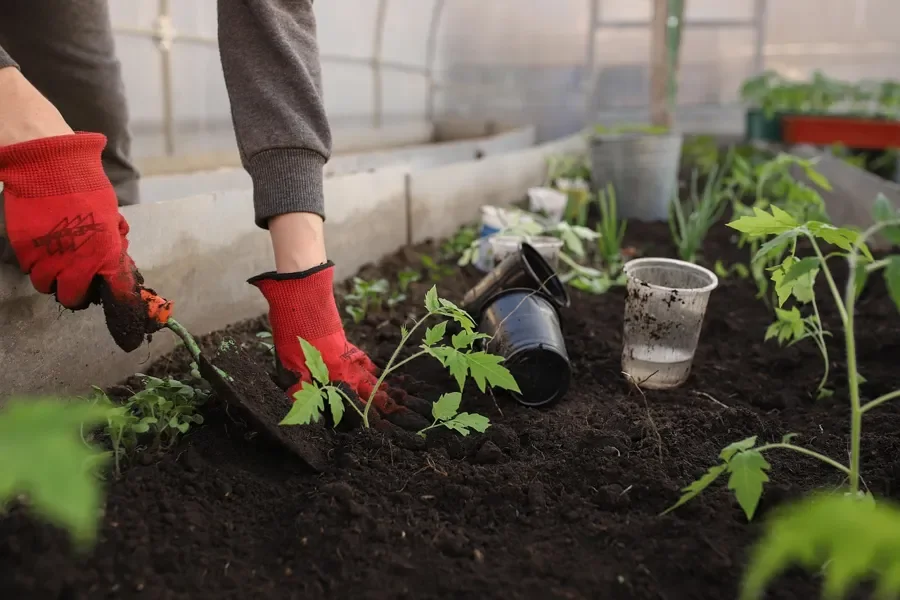
Before you pick a source, work out the quantity. University extension guidance puts the ceiling at about 20 pounds of ash per 1,000 square feet per year, roughly one 5-gallon bucket, applied in winter or early spring and worked into the top 2 to 4 inches of soil (see the Iowa State Extension guide). The University of Vermont gives a similar 15 to 20 pounds. Scaled down, that is a small amount for a home bed, and the cost column shows what it would run at the cheapest online rate we found ($8.75 per pound).
| Garden size | Maximum ash per year | Cost at $8.75 per lb |
|---|---|---|
| 4 x 8 ft raised bed (32 sq ft) | 0.64 lb | $5.60 |
| 100 sq ft | 2 lb | $17.50 |
| 200 sq ft | 4 lb | $35.00 |
| 500 sq ft | 10 lb | $87.50 |
| 1,000 sq ft | 20 lb | $175.00 |
These are ceilings, not targets. Apply ash only if a soil test says your pH is below the range your plants like. If the pH is already 7.0 or higher, extension services say to skip it entirely. The math also explains the buying advice: one raised bed costs a few dollars of ash, but a full garden is a $175 purchase online that a neighbor with a woodstove may hand you for free.
Where to Get Wood Ash Near You
Neighbors and Community Groups
Anyone who heats with wood has more ash than they can use. Post a short request in a neighborhood app or a free-sharing group and ask what they burn. You want seasoned firewood only, with no trash, painted scrap or charcoal briquettes in the stove. Bring your own lidded metal bucket and take only ash that is completely cold.
Farm Supply Stores and Garden Centers
Feed and farm supply chains and independent garden centers are the most likely retail shops to carry bagged ash, often in the soil amendment aisle or sold as a chicken dust-bath product. Stock varies a lot by store and season, so call before you drive. Check the label for the wood type and any additives.
Farms, Orchards and Sugarhouses
Farms and orchards that heat with wood, and maple sugarhouses that boil sap over a wood fire, produce hardwood ash in volume. Many will let you haul it away if you ask. Ask what they burn, and decline anything from a burn pile that mixed in plastic, treated lumber or household trash.
Wood-Fired Restaurants and Campgrounds
Wood-fired pizza ovens, barbecue restaurants and some campgrounds empty ash regularly. Ask the manager what wood and fire starters they use. Barbecue joints that use charcoal or lighter fluid are not a good source.
Your Own Woodpile or Workshop
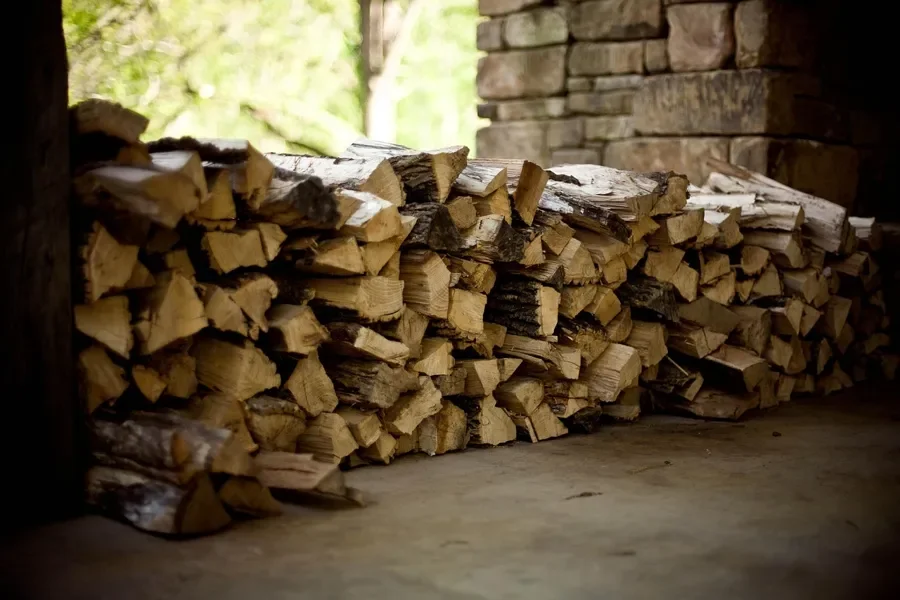
If you burn firewood at home, you already have the source. If you burn scrap from woodworking, only burn solid, untreated, unfinished lumber. Plywood, MDF and particleboard contain glues and resins, and pressure-treated or painted offcuts can carry metals and chemicals, so those scraps should never go in the stove if the ash is headed for a garden. See our guide on whether burning treated wood is dangerous.
Which Wood Ash to Refuse
Free ash is only a bargain when it is clean. Extension sources agree on the exclusions:
- Treated, painted or glued wood: can contain toxic contaminants and heavy metals.
- Coal and charcoal briquettes: include additives and are not natural wood ash.
- Pellet stove and bonfire ash: the University of Vermont advises against using it in the garden.
- Ash with plastic, oil or trash mixed in: if you can see it, skip the whole batch.
- Ash that is still warm: hot coals can hide inside a cold-looking pile. Store it in a metal container with a lid, away from the house and anything flammable, until it is fully cold.
Wood Ash Is Mostly Lime, Not Fertilizer
The biggest misconception we see when people shop for ash is treating it like all-purpose fertilizer. Per Iowa State Extension, typical wood ash contains about 5 to 8 percent potash, up to 20 percent calcium and about 1 percent phosphate, which works out to a fertilizer analysis near 0-1-3. It has no meaningful nitrogen. Its real job is raising soil pH. Its calcium carbonate equivalent runs from about 25 to 59 percent, while agricultural lime is 90 to 95 percent, so you need roughly 2 to 4 times more ash by volume to get the same pH change as lime.
That has two practical consequences. First, if your soil pH is fine, ash adds potassium you may not need and pushes pH the wrong way. Second, extension guidance warns that higher pH makes potato scab worse and that acid-loving plants such as blueberries, azaleas and rhododendrons should be kept away from ash. For plant-specific advice read our list of what plants like wood ash and our answer on how wood ash helps plants. If you want to compost it, keep ash to about 5 percent of the pile by volume, as covered in putting wood ash in compost.
Buying Checklist
- Test your soil pH first. Buy ash only if you need to raise it.
- Choose a seller that names the wood type and states no treated wood, glue or paint.
- Compare price per pound, not the headline price.
- For more than about 10 pounds, try a free local source before paying shipping.
- Wear gloves, a mask and eye protection when spreading, and moisten the soil first to cut dust.
Shopping for a specific use? We also cover buying wood ash on Amazon, where to buy wood ash for chickens, how to make wood ash tea, and how to make lye from wood ash.
Frequently Asked Questions
Where can I buy wood ash near me?
Start with farm supply stores and garden centers, then check Etsy and eBay sellers in your state. For larger amounts, free ash from neighbors, orchards, sugarhouses and wood-fired kitchens is easier and cheaper, as long as it came from clean, untreated wood. Call ahead, because retail stock varies by store.
How much does wood ash cost?
On Amazon in October 2026, bagged hardwood ash ran from about $8.75 per pound for an 8 lb bag to $15-$17 per pound for 2 lb bags. Local sources such as neighbors and orchards are often free.
Is wood ash good for every garden?
No. Wood ash raises soil pH and acts mostly like weak lime. Skip it on acid-loving plants such as blueberries, azaleas and rhododendrons, and do not apply it if your soil pH is already above 7.0.
How much wood ash can I put on a garden?
Extension guidance is no more than about 20 pounds per 1,000 square feet per year, roughly one 5-gallon bucket, applied in winter or early spring and worked into the top few inches of soil.
Which wood ash should I never use?
Never use ash from treated, painted or glued wood, coal, charcoal briquettes or trash. Extension services also advise against ash from pellet stoves and bonfires because of possible contaminants.
Bottom Line
Buy a small bag online if you only need a pound or two for a raised bed or containers, and compare price per pound. For a full garden, find a clean local source such as a neighbor, orchard or sugarhouse, confirm the wood was untreated, and test your soil before you spread anything.
Sources: Iowa State University Extension and University of Vermont Extension. Amazon prices were retrieved through the Amazon product API on October 5, 2026.
Sponsored / affiliate links. As an Amazon Associate I earn from qualifying purchases. I may earn additional commission from eligible campaigns.