How to Repaint Metal Outdoor Furniture Like a Pro
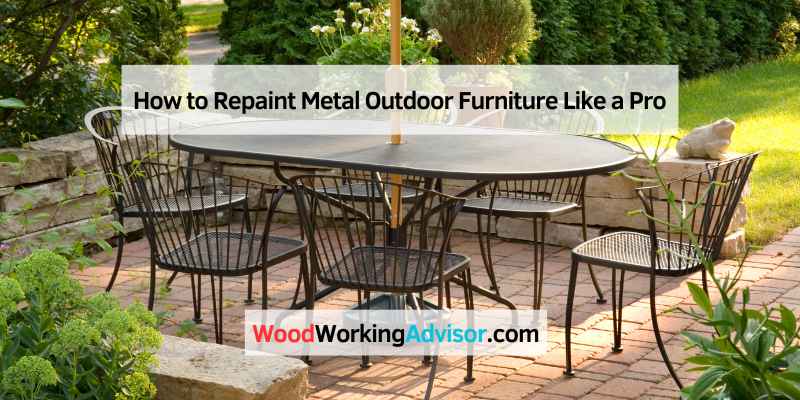
To repaint metal outdoor furniture, start by cleaning the surface thoroughly and removing any rust or old paint. Next, apply a metal primer followed by your chosen outdoor paint for a durable finish.
Outdoor metal furniture can endure harsh weather, leading to wear and tear over time. Repainting not only rejuvenates its appearance but also protects it from rust and deterioration. Before diving into the project, gather your materials: a wire brush, sandpaper, primer, and paint suitable for metal surfaces.
Proper preparation is crucial for achieving a smooth, long-lasting finish. This guide will walk you through the essential steps to ensure your furniture looks great and withstands the elements. With the right techniques, you can enjoy your outdoor space in style.
Preparation Is Key
Gathering your materials is essential for a successful repainting project. Start with a good quality metal primer and paint. A wire brush will help remove rust and old paint. Abrasive paper is needed to smooth rough areas. Don’t forget cleaning supplies to prepare the surface.
Safety is crucial. Always wear protective gear like gloves and goggles. A mask protects against paint fumes. Ensure you work in a well-ventilated area. This keeps you safe from harmful chemicals.
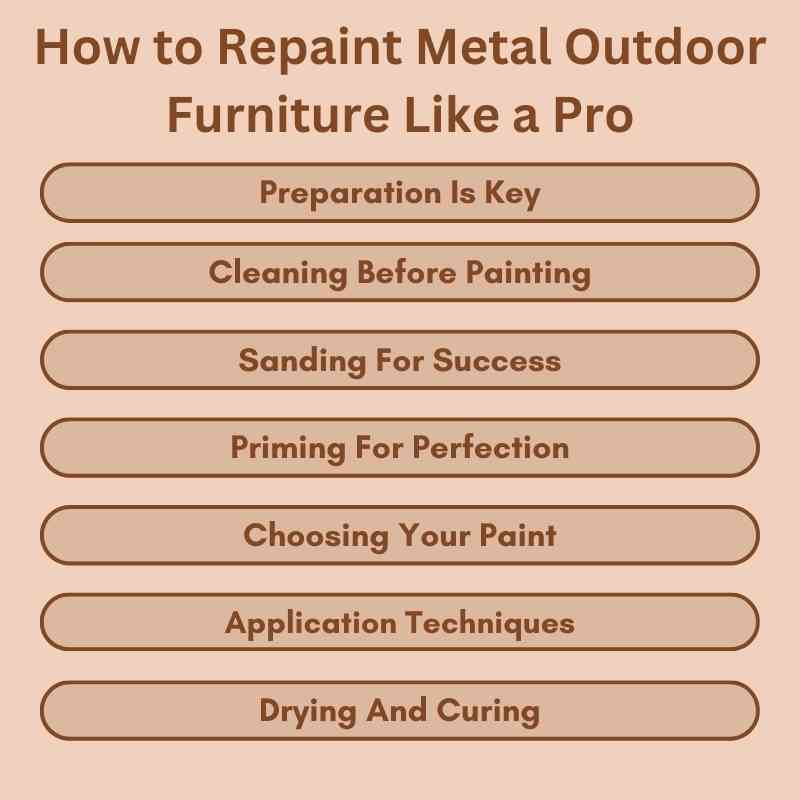
Cleaning Before Painting
Start by removing rust and old paint from the metal surface. Use a wire brush to scrape off loose rust. For stubborn spots, consider abrasive paper to smooth rough areas. This prepares the surface for painting.
Next, focus on cleaning and degreasing the furniture. Mix a solution of water and mild detergent. Use a sponge to wipe down the entire surface. This step helps remove dirt, grease, and any leftover paint particles.
After cleaning, rinse with clean water to eliminate soap residue. Allow the furniture to dry completely before proceeding with painting. Proper preparation ensures a smooth and lasting finish.
Sanding For Success
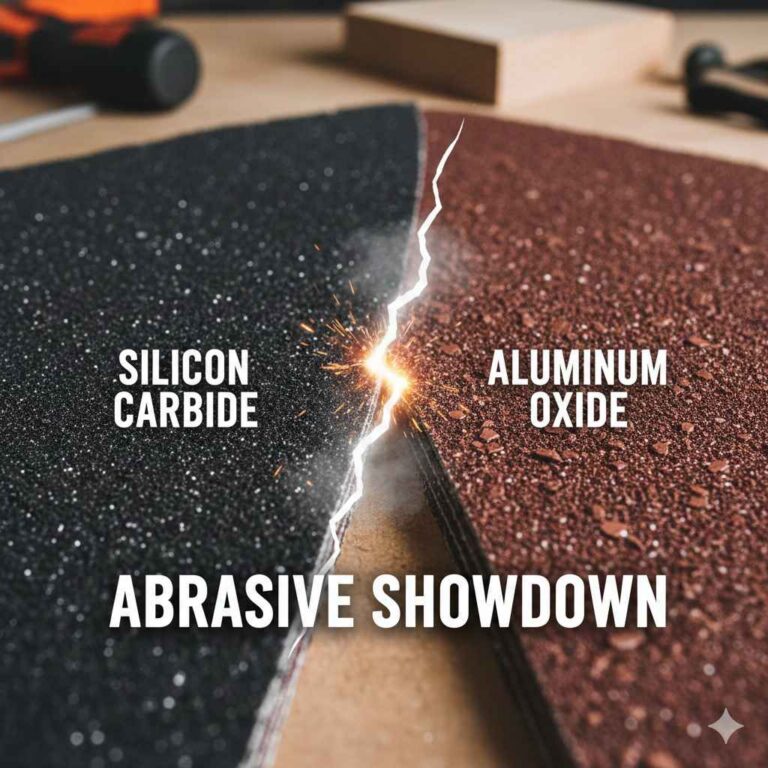
Choosing the right sandpaper is crucial for a successful repainting job. Start with coarse sandpaper (60-80 grit) to remove old paint and rust. This helps create a rough surface for better paint adhesion. After that, switch to medium grit (120-150) for smoothing out imperfections. Finally, finish with fine grit (220) for a super smooth surface.
Use a sanding block or an electric sander for even results. Be sure to sand in the direction of the metal grain. This prevents scratches and enhances the final look. Don’t forget to wear a mask and goggles to protect yourself from dust and debris.
Priming For Perfection
Choosing the right primer is essential for a successful repaint. Look for a primer made specifically for metal surfaces. It helps the paint adhere better and protects against rust. Alkyd primers work well for outdoor use. They provide excellent coverage and durability.
For even coverage, apply the primer in thin layers. Use a spray can or a brush for application. Ensure each coat dries completely before adding the next one. This helps avoid drips and runs. Aim for two to three coats for the best results. Always work in a well-ventilated area for safety.
Choosing Your Paint
Choosing the right paint is essential for metal outdoor furniture. Acrylic paint dries quickly and is easy to clean. It also offers a wide range of colors. On the downside, it may not be as durable as other options.
Alkyd (oil-based) paint provides a tough finish. This paint is resistant to chipping and fading. However, it takes longer to dry and requires more cleanup efforts. Consider your specific needs when selecting paint.
| Type of Paint | Pros | Cons |
|---|---|---|
| Acrylic | Quick drying, easy to clean, many colors | Less durable |
| Alkyd | Tough finish, resistant to chipping | Longer drying time, harder cleanup |
Choosing the right color and finish can greatly enhance your furniture’s appearance. Consider both matte and gloss options based on your style. Bright colors can make a bold statement, while neutral tones offer elegance.
Application Techniques
Spray painting can create a smooth, even finish on metal furniture. Choose high-quality spray paint made for metal surfaces. Hold the can 12 inches away from the furniture. This distance helps avoid drips and runs. Use a sweeping motion to cover all areas. Start and stop the spray off the edge to prevent heavy spots.
Brush and roller methods are also effective. Use a high-quality brush for corners and detailed areas. A roller can cover larger surfaces quickly. Select paint that suits metal, like acrylic or alkyd. Apply thin coats for best results. Allow each coat to dry before adding more. This practice avoids peeling and ensures a durable finish.
Drying And Curing
For optimal drying of metal outdoor furniture, ensure good air circulation. Place the furniture in a well-ventilated area away from direct sunlight. This helps the paint to dry evenly.
Humidity levels should be low to speed up the drying process. Aim for a temperature between 65°F and 85°F. Avoid painting on rainy days.
After painting, wait at least 24 to 48 hours before using the furniture. This allows the paint to cure properly. Always check for a hard surface before sitting or placing items on it.
Maintenance And Care
Routine cleaning is essential for maintaining metal outdoor furniture. Use a soft cloth or sponge and a mixture of mild soap and water. Rinse thoroughly to remove soap residue. Avoid harsh chemicals that can damage the finish. Regular cleaning helps prevent rust and keeps the furniture looking fresh.
Touching up chips and scratches is important for durability. First, clean the affected area with soap and water. Allow it to dry completely. Use a metal primer to cover the area. Once dry, apply a matching metal paint. This protects the metal and keeps it looking new.
Frequently Asked Questions
What Paint To Use On Outside Metal Furniture?
Use a high-quality acrylic or alkyd (oil-based) paint for outdoor metal furniture. Ensure the paint is rust-resistant and suitable for exterior use. Always apply a primer first to enhance adhesion and durability. This will help protect your furniture from the elements.
Do You Need To Sand Metal Furniture Before Painting?
Yes, sanding metal furniture before painting is essential. It creates a rough surface for better paint adhesion. Sanding removes rust, old paint, and impurities. This process helps prevent peeling and ensures a smoother finish. Always clean the surface after sanding for optimal results.
Can You Paint Over Outdoor Metal?
Yes, you can paint over outdoor metal. Start by cleaning the surface and removing rust. Use a suitable primer and high-quality paint designed for metal. Ensure proper application for durability and a smooth finish.
How Do You Clean Outdoor Metal Furniture Before Painting?
To clean outdoor metal furniture before painting, start by removing loose rust and old paint with a wire brush. Use a bleach and water solution to eliminate mildew. Rinse thoroughly to eliminate all cleaning agents. Allow the furniture to dry completely before applying primer.
Conclusion
Revamping your metal outdoor furniture can breathe new life into your space. By following the steps outlined, you can ensure a durable and attractive finish. Regular maintenance will keep your furniture looking fresh and extend its lifespan. Enjoy your beautifully painted pieces and the inviting atmosphere they create!