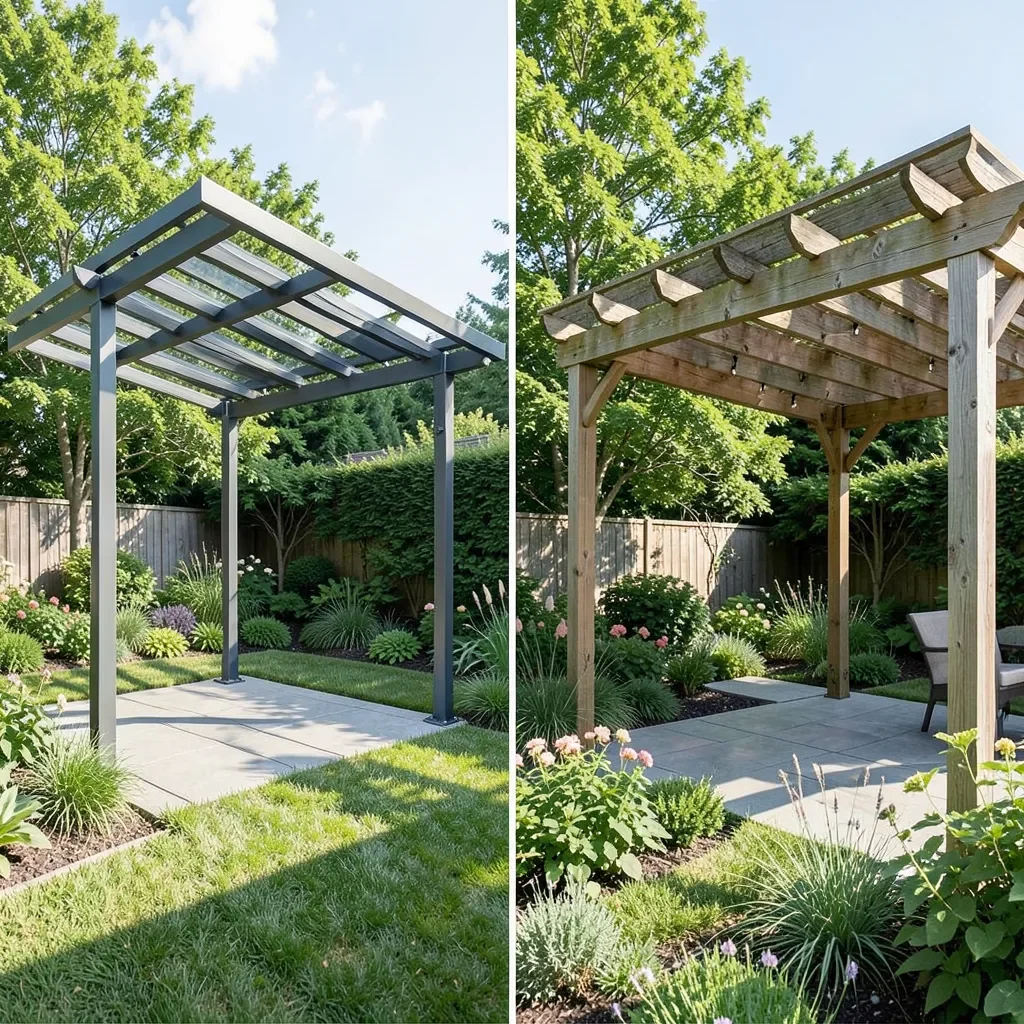
Metal vs. Wood Pergola: Real Lifespans by Material (Years)
Aluminum and steel pergolas typically outlast wood by a wide margin — 20 to 30-plus years with almost no upkeep, versus 10 to 15 years for pressure-treated pine that needs resealing every 2 to 3 years. Cedar and redwood split the difference at 15 to 25 years thanks to natural rot resistance. This guide breaks down real lifespan numbers by material, what upkeep each one actually takes, and which upfront cost makes more sense over a 20-year span.
Real Lifespan by Material: Metal vs. Wood Pergolas
Best Wood Pergola Sealer Pick
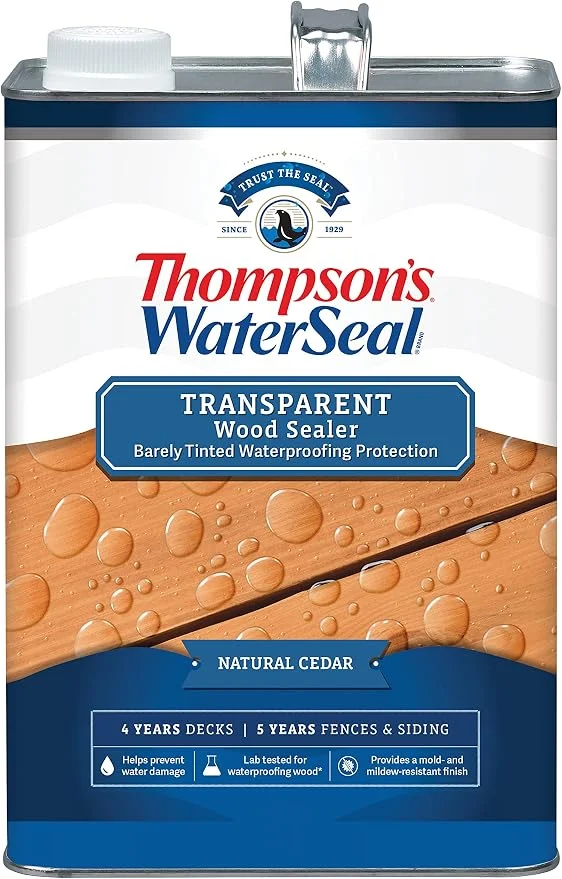 |
Thompson’s WaterSeal Transparent Wood Sealer (Natural Cedar) – $29.94 If you go with wood, plan on resealing every 2 to 3 years to hit the lifespan numbers above. This semi-transparent cedar-tone sealer is rated for up to 4 years of protection on decks and 5 years on fences and siding — close to what a pergola sees, since it’s also fully weather-exposed.
|
The material decides more than looks — it decides how many years you get before replacement, and how much work happens in between. Here’s how the common options actually compare.
| Material | Typical Lifespan | Maintenance Interval | Upfront Cost |
|---|---|---|---|
| Aluminum / steel | 20–30+ years | Occasional cleaning only | Higher |
| Cedar or redwood | 15–25 years | Reseal every 2–3 years | Mid-range |
| Pressure-treated pine | 10–15 years | Reseal every 2–3 years | Lower |
Aluminum’s resistance to corrosion, rot, and insect damage is what stretches its lifespan so far past wood — a well-built aluminum pergola can outlast two full generations of pressure-treated pine while costing far less in cumulative upkeep, even though the initial purchase price is higher.
Metal Pergolas: Strength, Style, and Upkeep
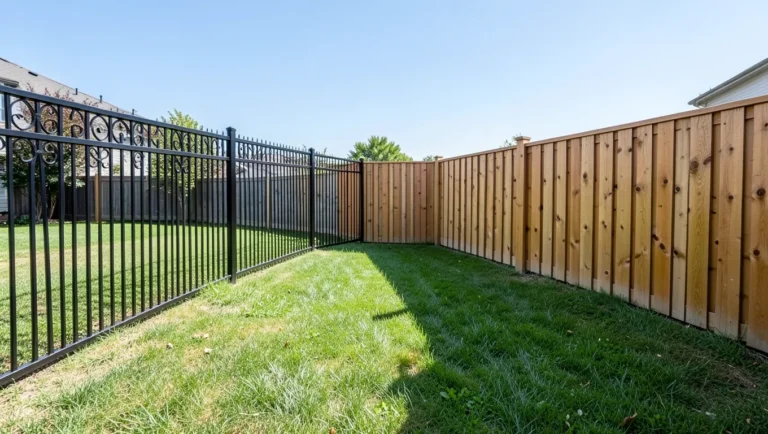
Aluminum, steel, and wrought iron are all resistant to wind, rain, rot, and insects in a way wood structurally cannot match. That durability is why metal pergolas need essentially no protective maintenance — no sealing, no staining, just occasional cleaning to keep the finish looking fresh.
Where Metal Actually Wins
- Lowest lifetime maintenance: no resealing schedule to track or fall behind on.
- Faster installation: most metal pergolas ship as pre-fabricated kits designed for DIY assembly.
- Heat and weather performance: many finishes reflect solar heat rather than absorbing it, which can keep the space underneath cooler in summer.
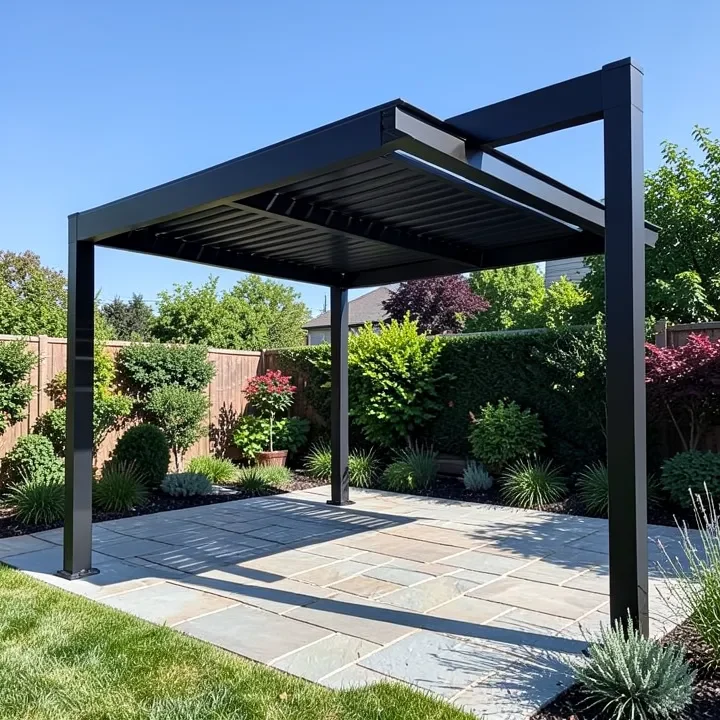
The trade-off is upfront cost and a more industrial look by default — though most manufacturers now offer wood-grain powder coatings that soften the aesthetic without giving up any of the low-maintenance advantage.
Wood Pergolas: Warmth, Character, and Real Maintenance Costs
Wood’s appeal is straightforward: natural grain, a warm look no powder-coated metal fully replicates, and the ability to cut, shape, and finish it however you want. The cost of that appeal is a maintenance schedule metal simply doesn’t have.
What Wood Actually Requires
- Annual cleaning to clear debris and surface mildew before it sets in.
- Resealing or restaining every 2 to 3 years — skip this and you’ll see the lifespan numbers above drop fast.
- Periodic inspection for insect damage or soft, rotting spots, especially at ground contact points.
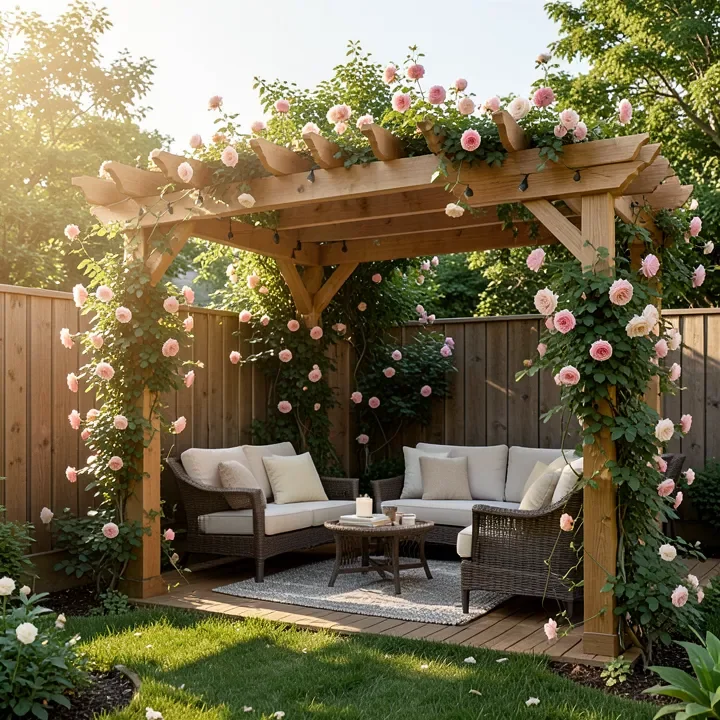
Species matters more than people expect: pressure-treated pine is the cheapest option but tops out around 10 to 15 years, while cedar and redwood’s natural oils push that closer to 15 to 25 years for a moderate cost increase.
For the full material breakdown when you’re also weighing a deck instead of a pergola, see our guide on brown vs. green pressure-treated wood. And if rot resistance is the deciding factor either way, our guide to preventing cedar rot covers the maintenance side in more depth.
Frequently Asked Questions
Is a metal pergola better than a wood one?
It depends on your priorities. Metal pergolas are more durable and need far less maintenance over time, while wood pergolas offer a natural look and more design customization. Climate, budget, and how much upkeep you’re willing to do all factor into the right answer.
How long does a metal pergola last?
A well-built aluminum or steel pergola commonly lasts 20 to 30 years or more, since the material resists rot, insects, and warping outright. Proper installation and occasional cleaning are usually all it needs to hit that range.
Do wooden pergolas require a lot of maintenance?
Yes. Expect to clean a wood pergola annually and reseal or restain it every 2 to 3 years to protect it from sun and moisture. Skipping that schedule is the single biggest reason wood pergolas fall short of their 10-25 year potential.
Can I install a metal pergola myself?
Many metal pergolas ship as pre-fabricated kits with bolt-together hardware, which makes DIY installation realistic for most homeowners. Wood pergolas, by contrast, usually call for actual carpentry experience and structural fastening.
Are metal pergolas more expensive than wood pergolas?
Usually yes, upfront — metal kits often cost more to buy than an equivalent wood build, especially with custom finishes. Over a 20-year span, though, wood’s recurring resealing costs can close or even flip that gap, since aluminum needs almost nothing after installation.
How long does pressure-treated pine actually last as a pergola?
Pressure-treated pine typically runs 10 to 15 years with consistent sealing on schedule. Cedar and redwood, which resist rot naturally, extend that range to roughly 15 to 25 years even with the same maintenance routine.
Final Thoughts
The honest answer is that metal wins on lifetime cost and effort, and wood wins on look and feel. Aluminum’s 20-to-30-plus-year run with almost no upkeep makes it the lower-hassle, and often lower-lifetime-cost, choice once you factor in wood’s recurring resealing bill. Cedar and redwood are the middle ground if you want real wood without pressure-treated pine’s shorter 10-to-15-year ceiling. Whichever you pick, the maintenance schedule — not the material’s initial price tag — is what actually determines how long it lasts.
Sponsored / affiliate links. As an Amazon Associate I earn from qualifying purchases. I may earn additional commission from eligible campaigns.