How to Seal Outdoor Wood Furniture for Long-Lasting Protection
Many people wonder How to Seal Outdoor Wood Furniture for Long-Lasting Protection because wood outside faces tough weather. Rain, sun, and snow can make wood look old and worn out fast. Beginners might find it tricky, thinking it’s a hard job.
But it’s really quite simple with a few easy steps. This guide will show you just how simple it is to keep your furniture looking great for years to come. We will walk you through everything you need to know.
Why Sealing Outdoor Wood Furniture Matters
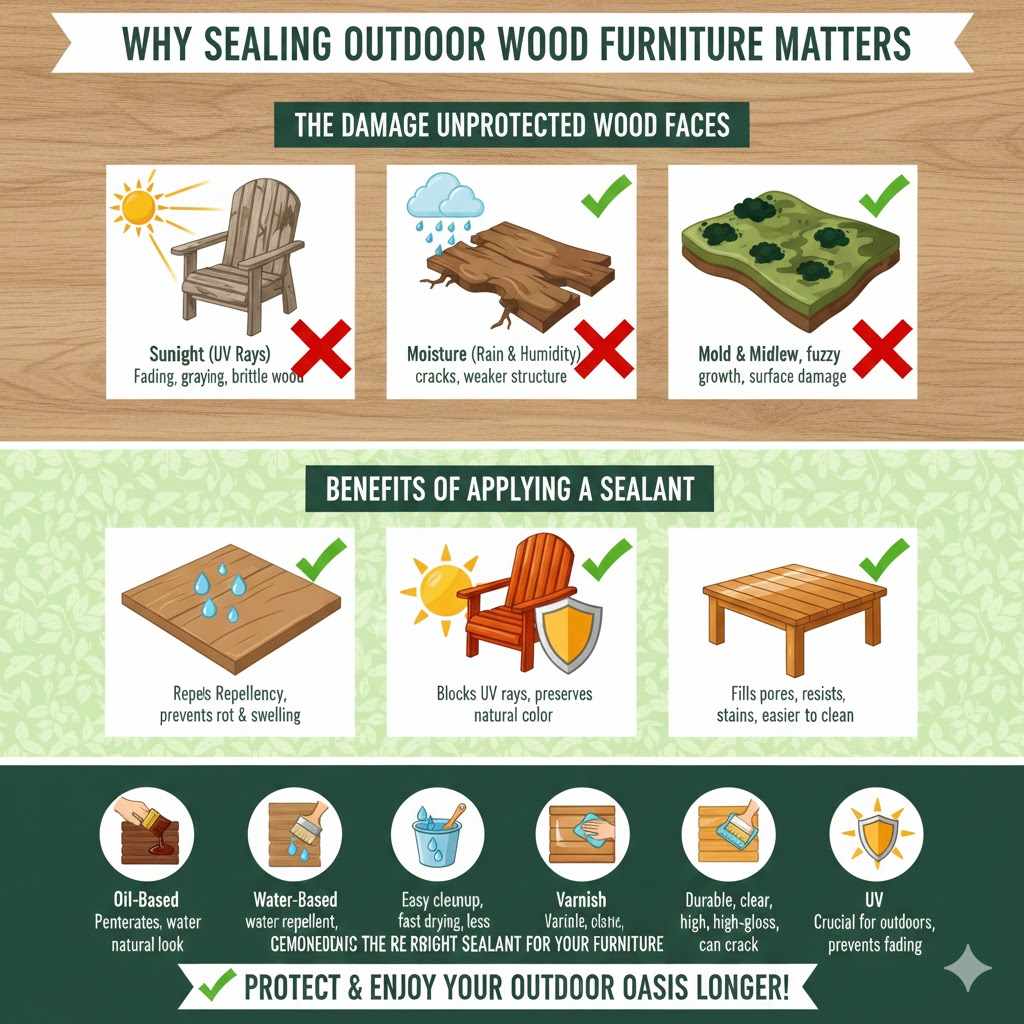
Sealing your outdoor wood furniture is super important for keeping it looking good and lasting a long time. When wood is left unprotected outside, it’s like leaving your skin out in the sun without sunscreen. The sun’s rays can cause the wood to fade and become brittle.
Rain and moisture can cause it to rot and warp, which means it can get soft or change shape. This damage not only makes the furniture look bad but also makes it weaker and less safe to use. Protecting your furniture with a sealant adds a strong shield against all these bad things.
It keeps the wood strong and beautiful, so you can enjoy your patio or garden longer.
The Damage Unprotected Wood Faces
Outdoor wood furniture is constantly battling the elements. The sun’s ultraviolet (UV) rays are a major culprit, breaking down the wood’s natural oils and lignin. This leads to graying, fading, and a rough texture.
Moisture is another enemy. When wood gets wet, it swells. When it dries, it shrinks.
This constant cycle of swelling and shrinking causes cracks and splits to form over time, weakening the structure of your furniture. Mold and mildew also thrive in damp conditions, appearing as dark spots and fuzzy growth that can be hard to remove and can further damage the wood’s surface.
Benefits of Applying A Sealant
Applying a sealant creates a protective barrier on the surface of the wood. This barrier repels water, preventing it from soaking into the wood and causing rot or swelling. It also blocks harmful UV rays, preserving the wood’s natural color and preventing fading.
A good sealant can also fill in small pores in the wood, making it smoother and less likely to absorb stains or dirt. This means your furniture will not only last longer but will also be easier to clean and maintain. It helps keep the wood looking its best, resisting the wear and tear of outdoor living.
Choosing The Right Sealant For Your Furniture
There are several types of sealants available for outdoor wood furniture. Oil-based sealants penetrate deep into the wood, offering excellent water repellency and a natural look. They often require reapplication more frequently.
Water-based sealants are easier to clean up and dry faster, but they may not penetrate as deeply. Varnish is another option, providing a durable, clear protective layer, but it can sometimes crack or peel over time. For best results, consider a sealant specifically designed for outdoor use that offers UV protection.
Reading product labels will help you choose one that fits your furniture’s wood type and your desired finish. Make sure the sealant is suitable for the specific type of wood your furniture is made from, as some woods are more porous than others.
Preparing Your Outdoor Wood Furniture For Sealing
Getting your outdoor wood furniture ready for sealing is a critical step that many overlook. If you don’t prepare the surface properly, the sealant won’t stick well, and your protection won’t last. This preparation makes sure that any dirt, old finishes, or grime are removed, giving the new sealant a clean surface to bond with.
Think of it like painting a wall; you wouldn’t paint over dirt or peeling paint. Proper prep work ensures a smooth, even finish and maximum protection for your treasured outdoor pieces.
Cleaning The Furniture Thoroughly
The first step in preparation is cleaning. You need to remove all dirt, dust, mold, mildew, and any old, flaking finishes. A mild detergent mixed with water is usually enough for general cleaning.
Use a soft brush or sponge to scrub the surfaces gently. For stubborn spots like mold or mildew, you might need a specialized wood cleaner or a solution of one part bleach to three parts water. Always test any cleaner on an inconspicuous area first to make sure it doesn’t damage the wood.
After scrubbing, rinse the furniture thoroughly with clean water to remove all soap residue. Letting the furniture dry completely is also very important before moving to the next step.
Sanding For A Smooth Surface
After cleaning and drying, sanding is usually the next step. Sanding helps to create a smooth surface for the sealant to adhere to. It also removes any loose wood fibers or remaining old finish.
Start with a medium-grit sandpaper, around 80 to 120 grit, to remove imperfections and rough spots. Work in the direction of the wood grain. For a smoother finish, you can then move to a finer-grit sandpaper, like 180 or 220 grit.
After sanding, it is important to wipe away all the dust created by sanding. A tack cloth or a slightly damp cloth works well for this. A clean surface is key for the sealant to do its job.
Common Sanding Mistakes To Avoid
- Using too coarse a grit sandpaper: This can cause deep scratches that are hard to remove and will show through the sealant. Always start with a grit appropriate for the condition of the wood and move to finer grits.
- Sanding against the grain: This creates visible scratches that ruin the finished look. Always sand in the direction the wood fibers run.
- Not removing all sanding dust: Dust left on the surface will be sealed into the wood, creating a rough texture and a less durable finish. Wipe down surfaces thoroughly after sanding.
- Skipping the fine grit sanding: While medium grit removes imperfections, fine grit ensures a smooth, professional finish. Do not skip this step if you want a beautiful end result.
Repairing Any Damage Before Sealing
Before you apply any sealant, take a close look at your furniture for any signs of damage. This includes cracks, splits, or loose joints. Small cracks can often be filled with a wood filler that matches the color of your wood.
Make sure to choose a waterproof wood filler suitable for outdoor use. For loose joints, you may need to re-glue them using a strong, waterproof wood glue. Clamp the pieces together while the glue dries.
If there are any protruding nails or screws, hammer them in flush or replace them. Addressing these issues now will prevent them from worsening after you seal the furniture.
The Proper Application Of Wood Sealant
Applying sealant correctly is where the real protection comes in. This step might seem straightforward, but doing it the right way makes a big difference in how well your furniture is protected and how long that protection lasts. We will cover how to apply it evenly, ensuring no spots are missed, and how to get that beautiful, long-lasting finish you want for your outdoor pieces.
Gathering Your Sealing Supplies
Before you start applying sealant, make sure you have all the necessary supplies. This includes your chosen wood sealant, a good quality brush or applicator pad, gloves to protect your hands, and old clothes you don’t mind getting stained. You might also want painter’s tape to protect any areas you don’t want to seal, like metal hardware.
Have plenty of rags on hand for wiping up any drips or excess sealant. It’s also a good idea to have a drop cloth or old newspapers to protect the ground where you are working.
Essential Sealing Tools And Materials
- Wood Sealant: Choose one designed for outdoor use and the type of wood you have.
- Applicators: High-quality brushes, foam brushes, or applicator pads are best for even coverage.
- Gloves: Protect your skin from the chemicals in the sealant.
- Rags: For wiping drips and excess sealant.
- Painter’s Tape: For masking off areas not to be sealed.
- Drop Cloth: To protect your work surface.
- Safety Glasses: Protect your eyes from any splashes.
Step-by-Step Sealing Process
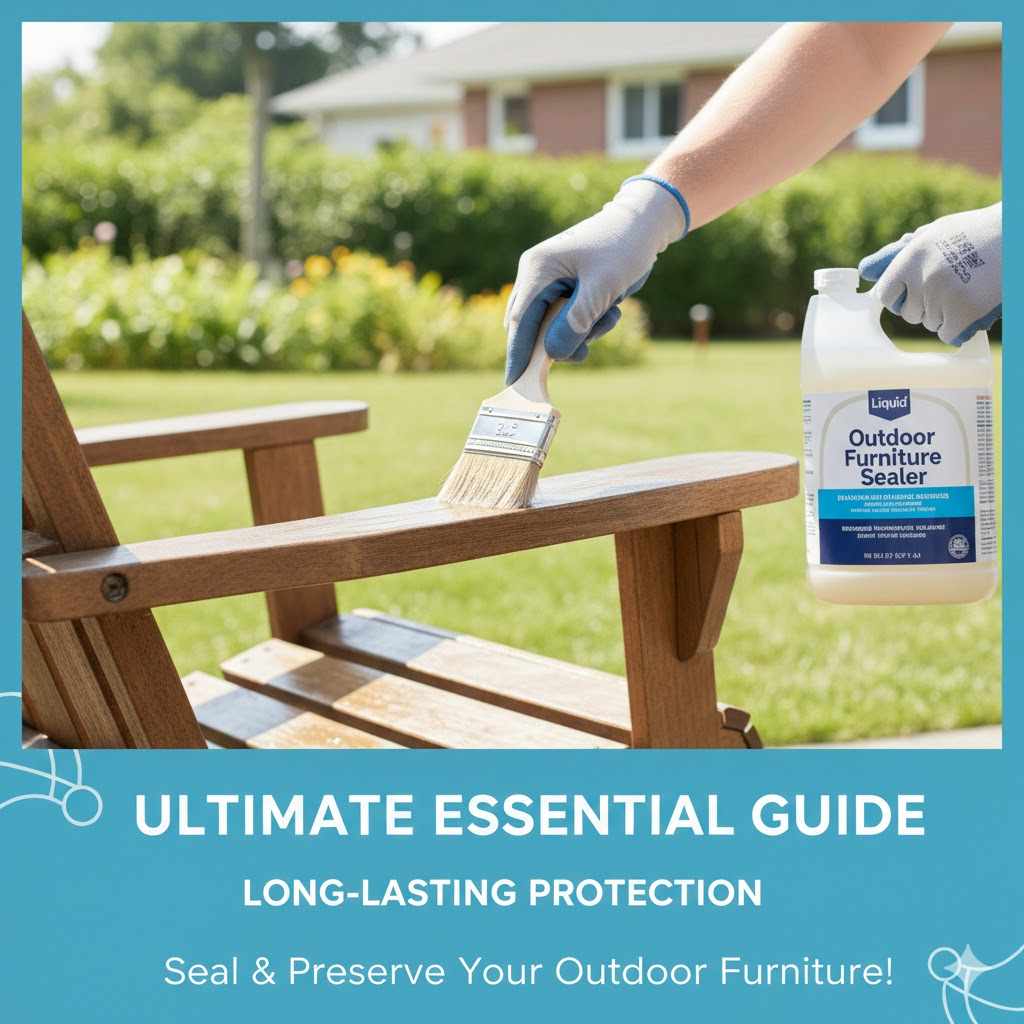
Start by stirring your sealant well. Do not shake it, as this can create air bubbles that will transfer to the wood. Using your brush or applicator, apply a thin, even coat of sealant to the wood.
Work in the direction of the wood grain. Ensure you cover all surfaces, including edges and undersides. Apply one section at a time to avoid applying too much sealant and to keep a wet edge, which helps prevent lap marks.
Avoid applying sealant in direct sunlight or on hot surfaces, as this can cause it to dry too quickly.
As you apply, pay attention to any areas where the wood seems to be absorbing the sealant more quickly. These areas may need an extra coat. Let the first coat dry according to the manufacturer’s instructions.
This can vary greatly depending on the product and weather conditions. Once the first coat is dry to the touch, you may apply a second coat. Some sealants recommend a third coat for maximum protection, especially for horizontal surfaces that collect water.
Applying Multiple Thin Coats
The key to a durable and beautiful finish is applying multiple thin coats rather than one thick one. Thin coats penetrate the wood better and create a more even, flexible protective layer. Thick coats can lead to pooling, drips, and a sticky surface that attracts dirt.
Each thin coat builds upon the previous one, creating a strong barrier against the elements. Always allow each coat to dry thoroughly before applying the next, following the specific drying times recommended on the sealant’s packaging. This patience is crucial for a lasting finish.
Understanding Drying Times
- Recoat Time: This is the time you need to wait before applying a second coat. It’s usually a few hours but can be longer in humid or cool weather.
- Dry to Touch: This means the surface is no longer sticky and you can lightly touch it without leaving a mark.
- Full Cure Time: This is the time it takes for the sealant to harden completely and reach its maximum durability. The furniture may need to be kept dry and out of heavy use during this period.
Allowing The Sealant To Cure Properly
Once you have applied the final coat of sealant, it is important to let it cure completely. Curing is different from drying. While the sealant might feel dry to the touch after a few hours, it takes much longer for the protective agents within the sealant to fully harden and bond with the wood.
This curing process can take several days, or even weeks, depending on the type of sealant and environmental conditions. During the curing period, try to keep the furniture out of direct rain and heavy traffic. Proper curing ensures that the sealant will provide the best possible protection against water, UV rays, and wear.
Maintaining Your Sealed Outdoor Wood Furniture
Even with the best sealing job, outdoor wood furniture needs ongoing care to keep it looking its best. Regular maintenance will extend the life of the sealant and the furniture itself, saving you time and money in the long run. It is much easier to do a little bit of upkeep regularly than to deal with major repairs later on.
Let’s look at what you need to do to keep your furniture protected and beautiful year after year.
Regular Cleaning And Inspections
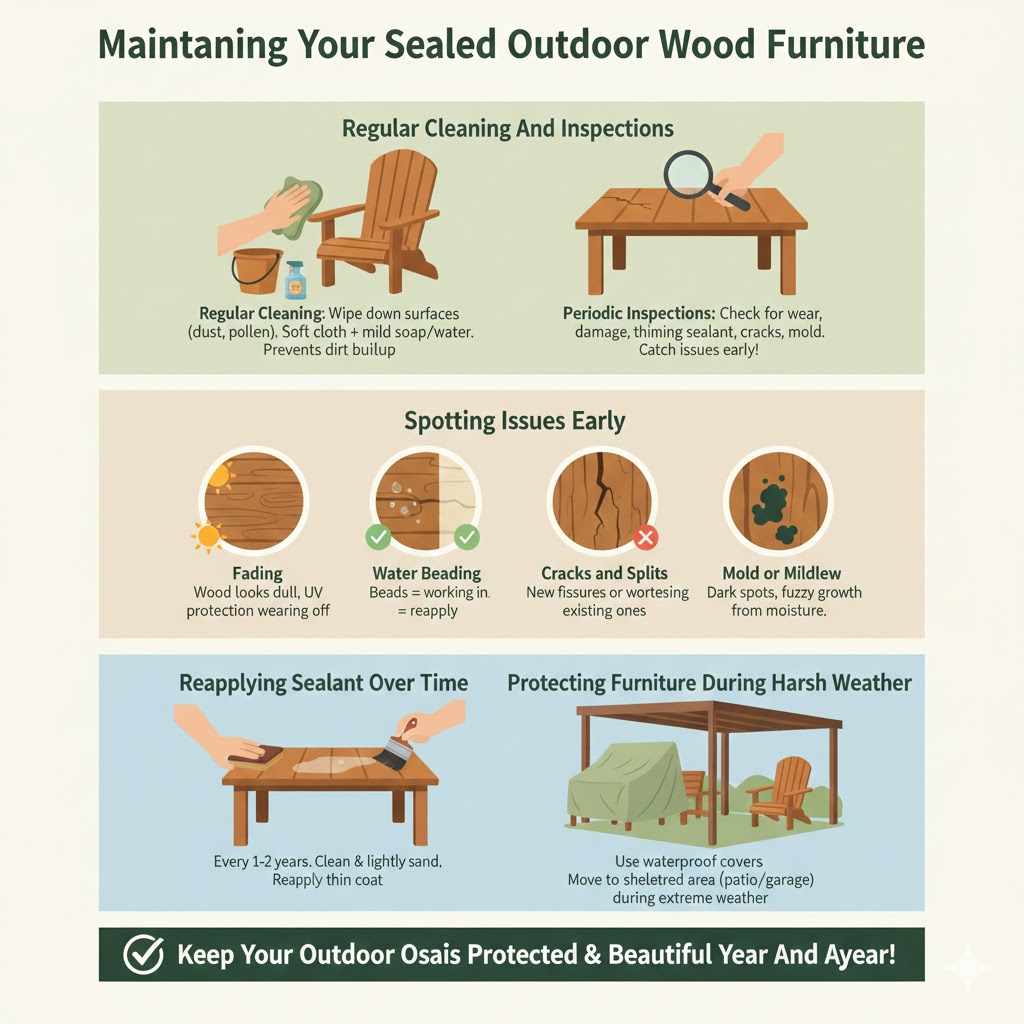
Cleaning your sealed furniture regularly is essential. This means wiping down surfaces to remove dust, pollen, bird droppings, or spills. A soft cloth and mild soap and water are usually sufficient.
This prevents dirt and grime from building up and potentially breaking down the sealant. Inspect your furniture periodically for any signs of wear, damage, or areas where the sealant might be thinning. Look for any new cracks, chips, or spots where mold or mildew might be starting to form.
Catching these issues early makes them much easier to fix.
Spotting Issues Early
- Fading: If you notice the wood starting to look dull or faded, it’s a sign that the UV protection in the sealant is wearing off.
- Water Beading: The sealant is working well if water still beads up on the surface. If water starts to soak in, it’s time to reapply.
- Cracks and Splits: Keep an eye out for new fissures or worsening existing ones.
- Mold or Mildew: Small spots can usually be cleaned, but widespread growth indicates a problem with moisture.
Reapplying Sealant Over Time
No sealant lasts forever. The frequency of reapplication depends on the type of sealant used, the climate, and how much the furniture is exposed to the elements. Generally, you may need to reapply sealant every one to two years.
Before reapplying, clean the furniture thoroughly and lightly sand it if necessary, especially if the old sealant is flaking or uneven. Apply a new coat following the same steps as the initial sealing process. This regular upkeep is key to maintaining the protective barrier and the beauty of your outdoor furniture.
Protecting Furniture During Harsh Weather
During extreme weather conditions, such as heavy rain, snow, or intense prolonged sunlight, it’s a good idea to protect your furniture. You can use furniture covers specifically designed for outdoor use. These covers are usually waterproof and breathable, helping to prevent moisture buildup while keeping dirt and debris out.
Alternatively, if space allows, you can move your furniture to a sheltered area, like a covered patio, porch, or garage, during periods of harsh weather. This extra protection can significantly extend the life of both the sealant and the wood itself.
Frequently Asked Questions
Question: How often should I seal my outdoor wood furniture?
Answer: You should typically reseal your outdoor wood furniture every one to two years, depending on the sealant used, your climate, and exposure to the elements. Check for water beading; if water soaks in, it’s time to reseal.
Question: Can I seal furniture that is already painted or stained?
Answer: Yes, but you must prepare the surface properly. If the paint or stain is peeling, it needs to be removed by sanding. If it’s in good condition, you can often apply a compatible sealant over it after cleaning and light sanding.
Question: What is the best sealant for teak furniture?
Answer: Teak furniture often benefits from specialized teak sealers or oils that enhance its natural golden color and protect it from weathering. These products help prevent graying while maintaining the wood’s luster.
Question: How long does it take for wood sealant to dry?
Answer: Drying times vary by product. Most sealants are dry to the touch within a few hours, but check the product label for recoat and full cure times, which can range from a few days to a few weeks.
Question: Can I seal my furniture in cold weather?
Answer: It is best to seal wood furniture when temperatures are moderate, typically between 50°F and 80°F (10°C to 27°C). Avoid sealing in freezing temperatures or when rain is expected, as this can affect the sealant’s performance.
Summary
Knowing how to seal outdoor wood furniture for long-lasting protection is simple with the right steps. Clean and sand your furniture well. Apply thin, even coats of a quality outdoor sealant.
Regularly clean and inspect your furniture. Reapply sealant as needed and protect it from harsh weather. Doing this keeps your furniture strong and beautiful for many years.