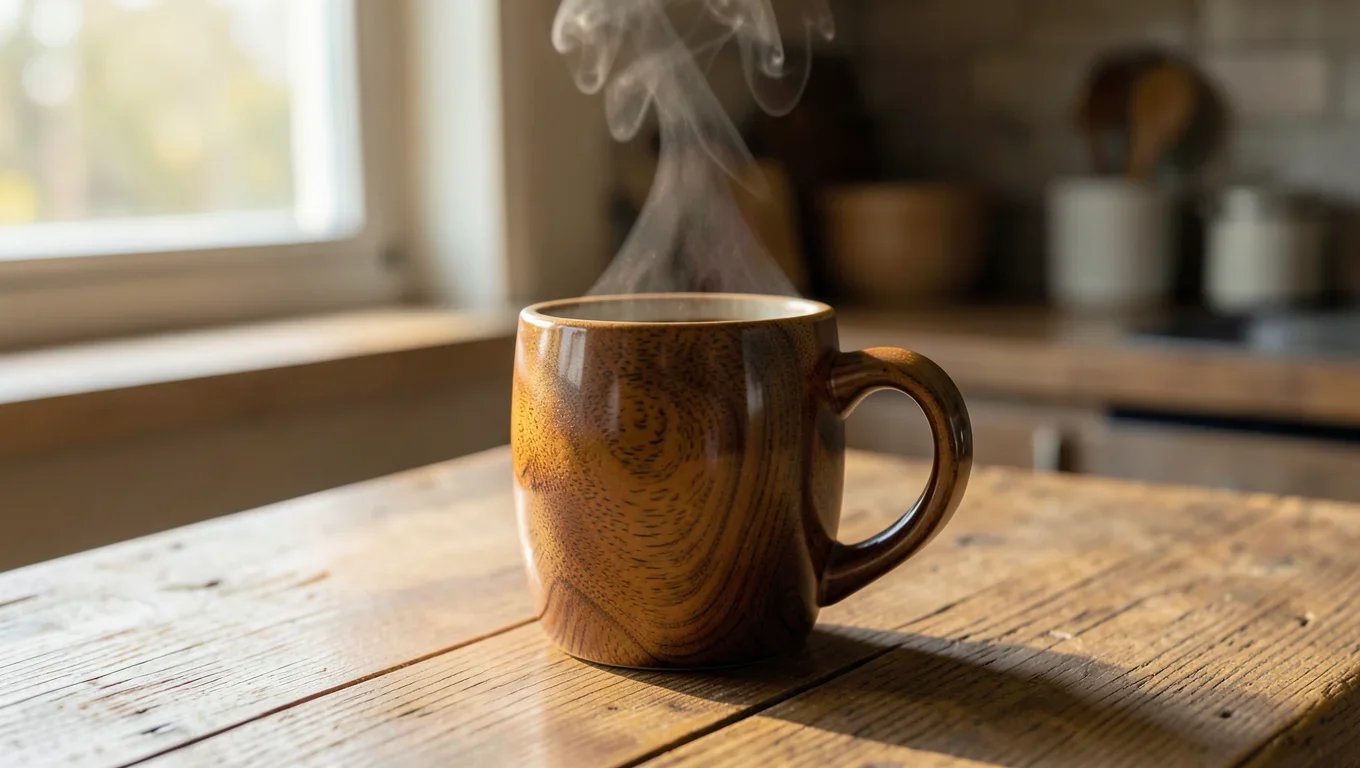
How to Seal a Wooden Coffee Mug (Food-Safe Options)
Beeswax-and-mineral-oil blends, 100% pure tung oil, and certified food-safe two-part epoxy are the only finishes that make a wooden coffee mug genuinely safe for daily drinking — ordinary polyurethane and standard varnish are not rated for repeated hot-liquid, food-contact use. Using the wrong finish risks chemicals leaching into your coffee every time you drink from it. This guide covers which sealants are actually food-safe, how to apply and cure them correctly, and why even a properly sealed mug still isn’t meant for boiling-hot liquids.
Which Sealants Are Actually Food-Safe for a Wooden Mug?
Only a handful of finishes are formulated (or become inert enough once cured) to sit against skin and hot liquid all day. A beeswax-and-mineral-oil blend — the same combination used to seal a wooden cheese board — is the simplest option and needs no cure time beyond wiping off the excess. 100% pure tung oil (not a “tung oil finish” product cut with solvents) penetrates the wood and hardens through oxidation rather than evaporation, so it holds up better to repeated washing once fully cured; see our tung oil vs. linseed oil comparison for how the two oils actually differ. A food-safe two-part epoxy creates a hard, glass-like interior liner and is the most durable option for a mug used every day. For a broader rundown of options beyond mugs specifically, our full guide to food-safe wood sealers covers indoor and outdoor uses too.
Water-based polyurethane is sometimes listed as food-safe once fully cured (about a week), but treat that as an exterior-only option. Keep any polyurethane off the interior rim and drinking surface — pure tung oil, epoxy, or a wax/oil blend are the safer choices for the part of the mug that actually touches your mouth and your coffee.
| Sealant | Food-Safe When | Heat Tolerance | Best For |
|---|---|---|---|
| Beeswax + mineral oil blend | Yes — once absorbed and wiped off | Can soften above ~150°F; not for boiling liquids | Everyday mugs, easiest upkeep |
| 100% pure tung oil | Yes — only after full cure (multiple coats, ~30 days) | Better than wax/oil once fully cured | Mugs used daily, want a harder finish |
| Food-safe 2-part epoxy | Yes — once fully cured (24–72 hrs, brand-dependent) | Good; handles warm-to-hot coffee well | Interior lining for daily hot-drink use |
| Water-based polyurethane | Exterior only, after a full week cure | Moderate | Outside of the mug, never the drinking surface |
|
Best Food-Safe Mug Conditioner Pick 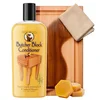 |
Howard Products Butcher Block Conditioner (12 Fl Oz) – $9.18 A ready-mixed food-grade mineral oil and beeswax/carnauba wax blend — the same type of blend recommended above, without having to melt and mix your own.
|
As an Amazon Associate we earn from qualifying purchases.
Preparing the Mug Before You Seal It
- Clean it first. Wash with mild soap and warm water, rinse fully, and let it dry completely — any trapped moisture gets sealed in under the finish.
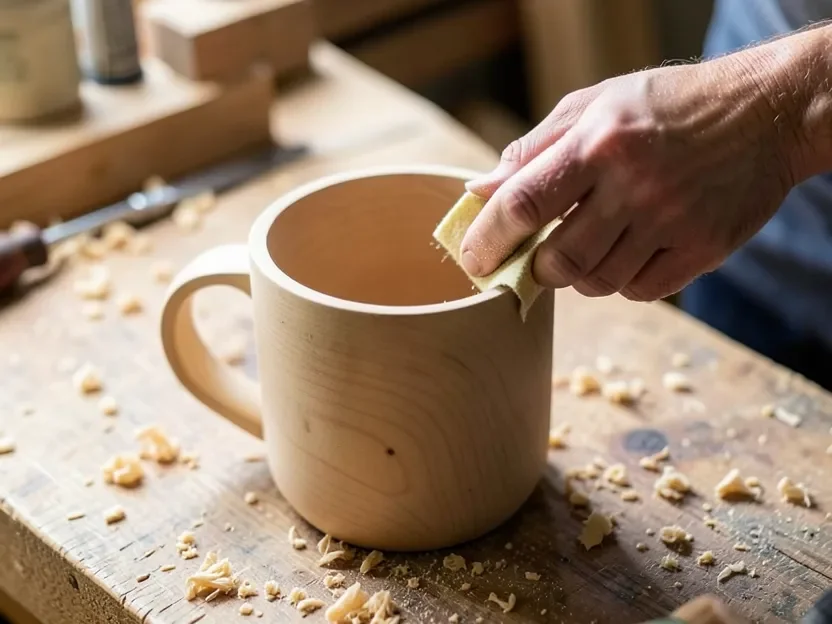
- Sand with the grain. Use 220-grit sandpaper on bare or previously unsealed wood, working in the direction of the grain, then wipe away all dust with a dry cloth.
- Check for cracks. A hairline crack at the base of the handle or rim should be addressed before sealing — a sealant is a finish, not a structural repair.
How to Apply a Food-Safe Sealant (Step-by-Step)
- Warm the oil or wax blend slightly: if using a beeswax-and-mineral-oil blend, warm it gently (a few seconds in warm water, not direct heat) so it spreads easily.
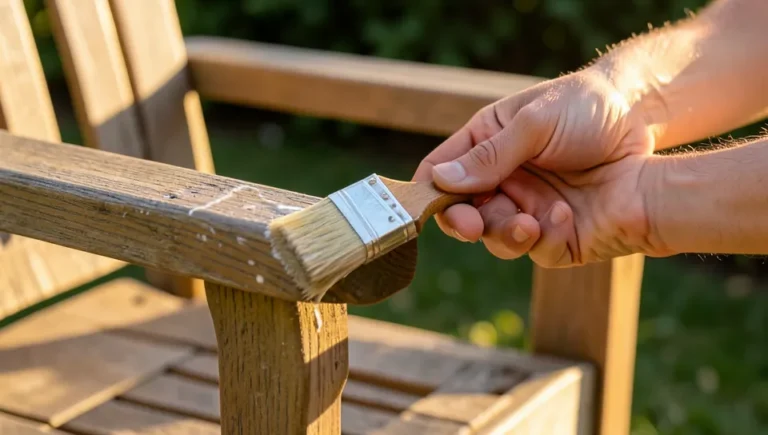
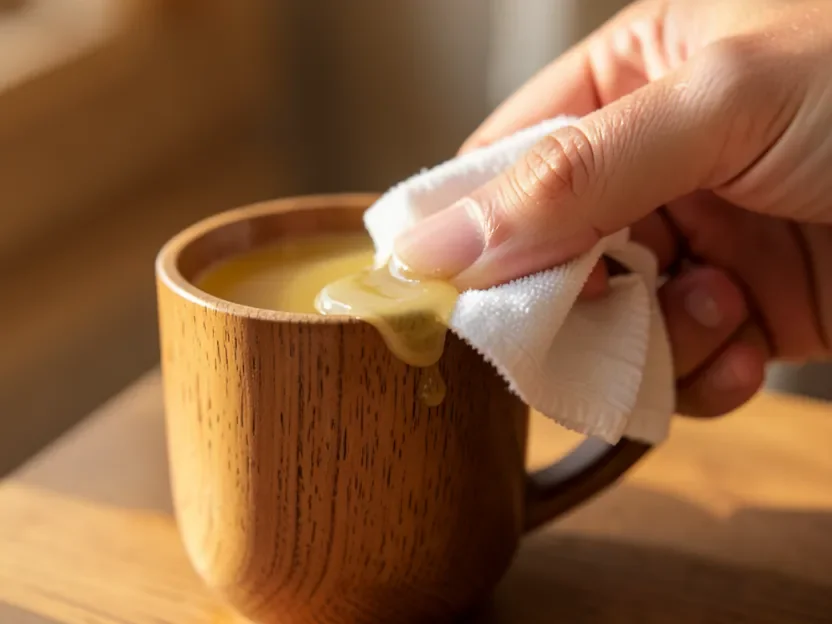
- Apply a thin, even coat: use a clean cloth or brush to cover every surface, inside and out, working in small sections.
- Let it absorb: give oil-based finishes 15–30 minutes to soak into the grain before wiping.
- Wipe off the excess: buff away anything that hasn’t absorbed with a dry cloth — a thick, un-wiped coat stays tacky and attracts dust.
- Repeat for additional coats: tung oil and epoxy finishes need 2–3 coats, each fully dry before the next, for real water resistance.
- Cure fully before first use: don’t rush this — see the cure-time table below for how long each sealant actually needs.
Cure Times Before First Use
Cure time is where most food-safety mistakes actually happen — a sealant that isn’t fully cured hasn’t finished off-gassing or hardening, so using the mug early means drinking through an unfinished finish. See our wood finishing guide for cure times across other finish types.
| Sealant | Touch-Dry | Safe for Daily Use |
|---|---|---|
| Beeswax + mineral oil | ~30 minutes | Same day, after wiping off excess |
| Pure tung oil | 24 hours per coat | ~30 days after the final coat |
| Food-safe epoxy | 24–72 hours (check the product label) | Once the label’s full cure time has passed |
| Water-based polyurethane | 2–4 hours | ~1 week, exterior only |
Can a Sealed Wooden Mug Handle Hot Coffee?
Sealing solves moisture absorption and staining, but it doesn’t turn wood into ceramic or steel. Sustained heat near boiling can soften a wax/oil finish and, over time, cause an oil-based sealant to start weeping back out of the grain. A properly cured wooden mug handles typical 160–180°F coffee or tea fine for normal use — it’s pouring in liquid straight off a full boil, or leaving the mug on a stove or in a microwave, that shortens both the seal’s and the wood’s life.
📊 Food-grade white mineral oil is classified by the FDA as safe for direct and indirect food contact, including articles like cutting boards and utensils, under 21 CFR 178.3620(a) — the same regulation that covers the mineral-oil component of a beeswax/mineral-oil mug finish. — Source: 21 CFR 178.3620, eCFR
“Ideal for salad bowls, wooden spoons and wooden toys” — and, by the same logic, a wooden coffee mug — is how Howard Products describes its food-grade mineral oil and beeswax/carnauba wax blend, the same wax pairing covered in our beeswax vs. carnauba wax comparison.
Maintenance and Resealing
Hand wash a sealed wooden mug with mild soap and a soft sponge, then dry it right away — never leave it soaking or run it through a dishwasher, which strips the finish and swells the wood. These are the same rules that apply to any food-contact wood item; see our guide on how to care for wood spoons so they never crack or warp for the everyday-care routine that carries over directly.
Reseal a wax/oil-finished mug every 4–8 weeks with regular use, or as soon as the wood starts to look dry, pale, or feels rough. A tung oil or epoxy finish holds up much longer — often 6–12 months — before it needs a fresh coat.
Common Mistakes That Ruin a Food-Safe Seal
- Using standard polyurethane, spar varnish, or lacquer on the interior. These are not formulated for repeated food and hot-liquid contact and can leach solvents into your drink — never use them on the drinking surface, cured or not.
- Skipping the cure time. Using the mug before a tung oil or epoxy finish has fully cured means drinking through a finish that hasn’t finished hardening.
- Soaking the mug or running it through a dishwasher. Both strip the seal and let water back into the wood grain.
- Skipping sanding on bare wood. An unsanded surface causes the sealant to sit unevenly and wear through faster in high-contact spots like the rim.
Frequently Asked Questions
How do I seal a wooden coffee mug?
Clean the mug, sand it smooth with the grain, then apply a food-safe sealant such as a beeswax-and-mineral-oil blend, pure tung oil, or food-safe epoxy. Wipe off any excess, let it fully cure per the product’s timeline, and avoid the mug’s interior with anything not labeled food-safe.
What materials do I need for sealing?
You need a food-safe sealant (beeswax/mineral oil blend, pure tung oil, or food-safe epoxy), 220-grit sandpaper, a clean lint-free cloth, and mild soap for the initial cleaning. Sandpaper preps bare wood so the sealant absorbs evenly; the cloth applies it and wipes off the excess.
How often should I reseal my mug?
Reseal a wax/oil-finished mug every 4 to 8 weeks with regular use, or sooner if the wood looks dry, pale, or feels rough to the touch. A cured tung oil or food-safe epoxy finish typically lasts 6 to 12 months before it needs a fresh coat.
Can I use regular wood varnish?
No. Regular wood varnish and standard polyurethane are not formulated for food or hot-liquid contact and can leach chemicals into your drink. Use a beeswax-and-mineral-oil blend, 100% pure tung oil, or a certified food-safe epoxy instead, especially on the interior.
Is it safe to put boiling water in a sealed wooden mug?
It’s not ideal. Sustained near-boiling heat can soften a wax/oil finish and stress the wood over time, even after a proper seal and full cure. Let coffee or tea cool slightly off the boil before pouring it into a wooden mug to protect both the seal and the wood.
Conclusion
A wooden coffee mug only stays food-safe and leak-free if the sealant on it actually is: a beeswax-and-mineral-oil blend, 100% pure tung oil, or a certified food-safe epoxy, fully cured before first use. Skip standard varnish and polyurethane on the interior, respect the cure times above, and let very hot drinks cool slightly before pouring — that combination is what keeps both the wood and the seal lasting for years.
Sponsored / affiliate links. As an Amazon Associate I earn from qualifying purchases. I may earn additional commission from eligible campaigns.