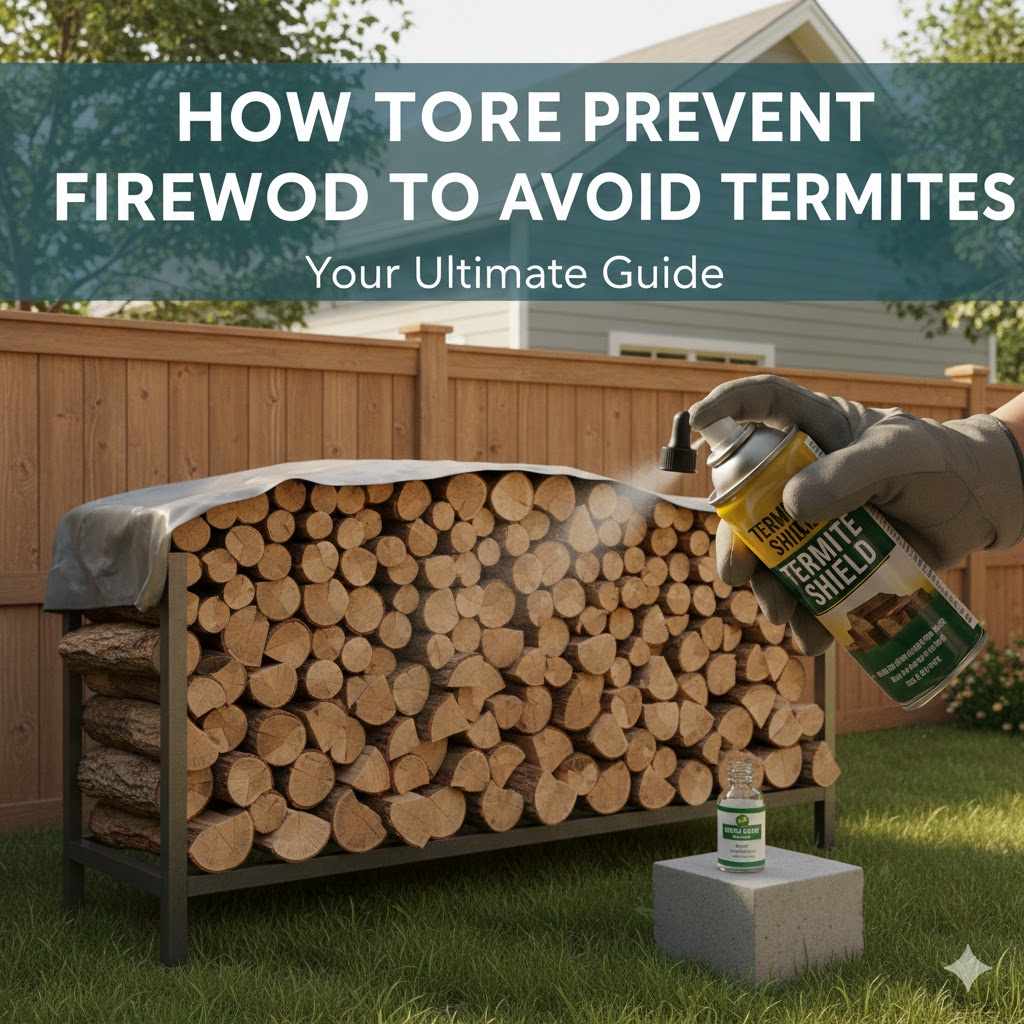
How to Store Firewood to Avoid Termites: Your Ultimate Guide
Storing firewood is a common task for many, but doing it right can be tricky. One of the biggest challenges for beginners is knowing how to protect their wood from unwanted pests, especially termites. These tiny critters can cause big problems! Don’t worry, though; it doesn’t have to be hard. This guide breaks down the process, step by step, making it simple to protect your firewood and your home. Let’s explore how to best manage your firewood and avoid costly issues. Let’s start with the basics of How to Store Firewood to Avoid Termites.
Choosing the Right Firewood
The type of wood you choose and how you acquire it impacts its susceptibility to termites. Some wood types are more attractive to these pests. Selecting wood that is naturally resistant or properly seasoned significantly reduces the risk of attracting termites to your woodpile and, by extension, your home. Making informed choices here will greatly help with the rest of the storage process.
Preferred Firewood Types and Why
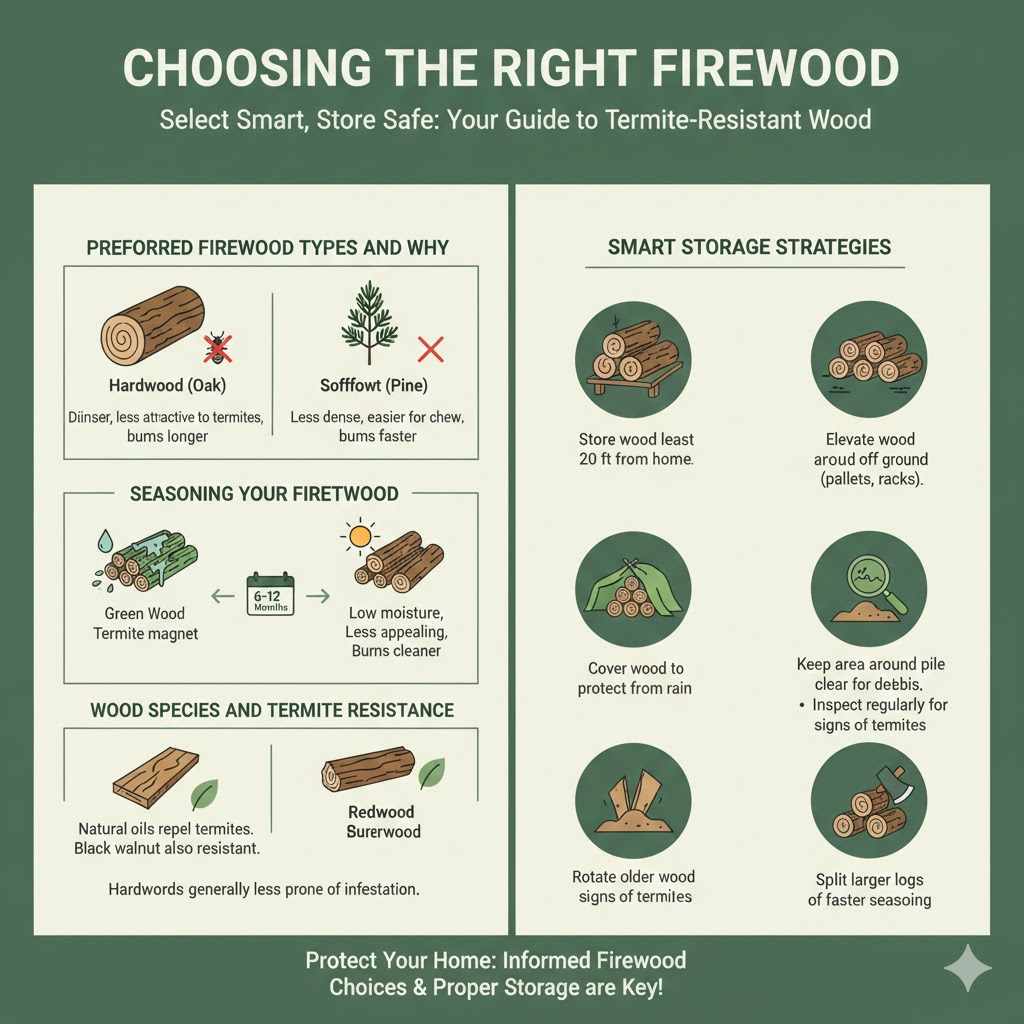
- Hardwoods vs. Softwoods: Hardwoods, like oak, maple, and ash, are generally denser and burn longer, making them a popular choice. Softwoods, such as pine and fir, burn faster and are often less expensive. However, hardwoods tend to be less prone to termite infestation. Termites are less attracted to the higher density and sometimes the specific compounds found in hardwoods. This difference in composition is key in considering your choice of wood. Consider the burn time and pest resistance when making your selection.
The type of wood also affects how quickly it seasons, which is the process of drying the wood and making it suitable for burning. Seasoned wood is less appealing to termites, as it has a lower moisture content. - Seasoning Your Firewood: Seasoning is the process of drying firewood to reduce its moisture content. Properly seasoned wood is easier to light, burns cleaner, and produces more heat. It’s also less attractive to termites. Seasoning can take six months to a year, depending on the wood type, climate, and how it’s stored. Wood that’s been recently cut, often referred to as “green” wood, has a high moisture content and is a termite magnet.
Seasoning occurs when the moisture in the wood evaporates over time. It makes the wood lighter and, of course, far more suitable for burning in a fireplace or outdoor fire pit. Seasoned wood also reduces the amount of smoke and creosote that build up in your chimney, thereby reducing the risks of fire hazards. - Wood Species and Termite Resistance: Certain wood species have natural properties that make them less appealing to termites. For example, cedar and redwood contain natural oils that act as repellents. While no wood is completely termite-proof, choosing these species can reduce the risk. These woods have compounds that deter termites.
Other woods, like black walnut, are naturally resistant to certain insects, including termites. These species offer a better starting point in managing the risk of termite infestations. It’s also important to recognize that the level of resistance varies depending on the specific wood and the region.
Proper Storage Location for Firewood
Where you store your firewood is critical to prevent termite infestations. The ideal storage location provides good air circulation, keeps the wood off the ground, and is far from your home. This way, you make it less attractive to termites and stop them from moving into your house. Choosing the right spot is a key step.
Elevation and Airflow Essentials
- Elevated Storage: Storing firewood off the ground is a simple yet vital step. Termites often move from the soil to the wood. By elevating your woodpile, you break their path and make it harder for them to reach. Using a rack or a platform is a good way to keep your wood off the ground.
Elevating your wood also helps with airflow. Wood that is in contact with the ground stays damp. This elevated position enables air to circulate freely. Good airflow is essential for the seasoning process, too. - Air Circulation: Proper airflow is critical to prevent moisture buildup, which attracts termites. Stack the wood in a way that allows air to flow between the pieces. Avoid stacking the wood too tightly. Leave enough space for air to circulate freely. You can achieve this by arranging the wood with the bark facing up, so that the air gets a better chance to move throughout the entire pile.
Good airflow also helps to prevent the growth of mold and mildew, which can damage the wood and attract other pests. - Proximity to Structures: Avoid storing firewood directly against your house or any other wooden structures. Termites can use the woodpile as a bridge to reach your home. Keep the woodpile at least 20 feet away from your house, garage, or shed. This distance reduces the risk of termites moving from the firewood to your property.
Regularly inspect the area between your firewood and your house to ensure no termites are making their way to your home. Make sure any other wooden structures are also properly spaced from the firewood storage location.
Protective Measures and Site Selection
- Covering the Firewood: Protecting your firewood from rain and snow helps keep it dry. Use a tarp or a shed to cover the top of the woodpile. This prevents moisture from seeping into the wood and creating an attractive environment for termites. Make sure the sides of the woodpile remain open to allow for airflow.
The covering is important, but airflow is still key. Make sure the cover is well-ventilated. A shed with a sloped roof is an excellent option for protecting your wood. This will also help shed moisture. - Sunlight Exposure: Exposing your firewood to sunlight helps it dry out and become less appealing to termites. Choose a storage location that gets plenty of sunlight throughout the day. Sunlight dries out the wood and helps to kill any termites that might be present.
Positioning your woodpile in a sunny spot will also speed up the seasoning process. You can also rotate the woodpile to ensure that all sides of the wood are exposed to sunlight. - Inspect and Maintain: Regularly inspect your firewood and storage area for signs of termites or other pests. Look for mud tubes, small holes in the wood, or frass (termite droppings). If you find any signs of termites, take action immediately. This is another crucial piece.
Make sure you keep the area around your firewood clean and free of debris. Remove any leaves, branches, or other organic matter that can provide a food source or shelter for termites.
Methods to Prevent Termites in Firewood
Beyond the basics of wood selection and storage location, several methods can help you protect your firewood from termites. These methods involve proactive steps to deter these pests and prevent them from infesting your woodpile. Employing these preventative measures is a key part of the entire approach.
Chemical and Natural Solutions
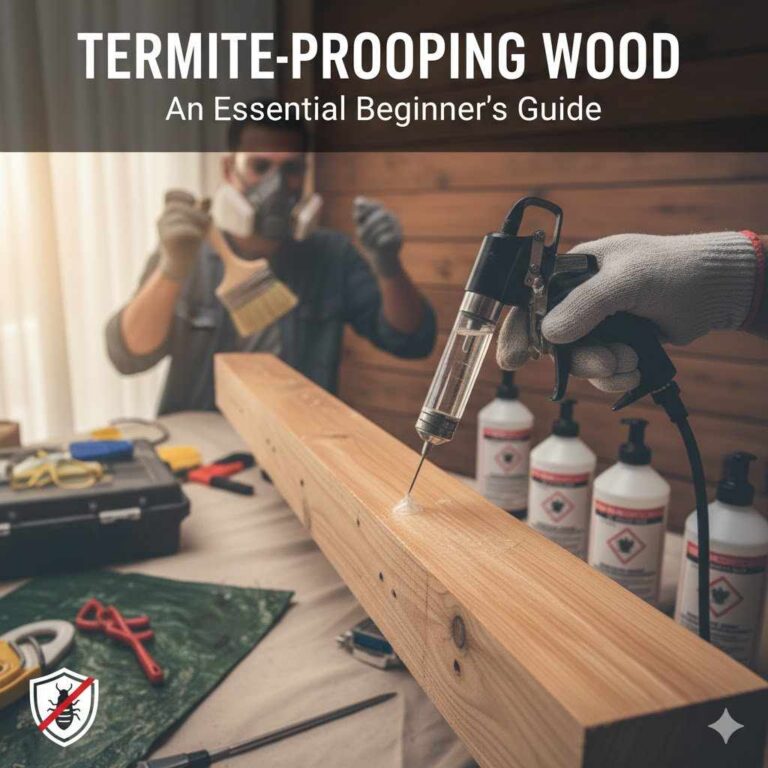
- Insecticides and Treatments: Consider using insecticides to protect your firewood. Borate treatments are effective. Borates penetrate the wood and kill termites. Apply the treatment according to the product instructions. Alternatively, you can use a spray-on insecticide to treat the wood.
Always follow safety instructions when using insecticides. Wear protective gear, such as gloves and a mask. Choose products that are labeled safe for use around firewood. There are also professional termite treatments available that can be applied to the surrounding soil. - Natural Repellents: Some natural substances can repel termites. Cedar oil is a natural termite repellent. You can apply cedar oil directly to your firewood or use cedar wood chips. Another option is neem oil, which is known for its insect-repelling properties.
Natural repellents can be an effective part of your overall termite prevention plan. Research the use of these materials before application. The effectiveness of natural repellents can vary depending on the product and conditions. - Heat Treatment: Heat treatment is another method that can be used to eliminate termites in firewood. The wood must be heated to a certain temperature for a specific period of time. Heat treatment can kill termites in all stages of their life cycle.
Heat treatment is usually best done by a professional. This method can also be used to remove other pests. This method is effective but may require special equipment, and professional services are typically recommended to do it safely.
Physical Barriers and Practices
- Physical Barriers: You can use physical barriers to prevent termites from accessing your firewood. For example, you can use a metal rack to store your firewood. Termites cannot chew through metal.
Another option is to place a barrier between the woodpile and the ground. This could be a layer of gravel or crushed stone. The barrier can also be made from other inorganic materials. This acts as a physical deterrent. - Regular Inspection and Monitoring: Regular inspections are important for early detection. Inspect the wood for signs of termites regularly. Use a flashlight to check for mud tubes, small holes, or frass. Termites can be difficult to spot.
Monitor the area around your firewood for termite activity. If you spot termites, address the issue immediately. Early detection can prevent a small problem from turning into a major infestation. Regular inspections should be a part of your firewood management. - Proper Stacking Techniques: The way you stack your firewood can also influence termite activity. Stack the wood neatly, with the bark facing upward. This helps with airflow and prevents moisture buildup.
Avoid stacking the wood directly against the ground or against any other wooden structures. Ensure the wood is easily accessible for inspection. By using proper stacking techniques, you can make your woodpile less attractive to termites. This also helps with the firewood’s drying process.
Immediate Actions for Termite Infestations in Firewood
Even with preventative measures, termite infestations can still happen. Knowing how to handle these situations is important. You have to take quick action if you suspect or find a termite infestation in your firewood. Being prepared can help minimize the damage.
Identifying and Assessing Infestations
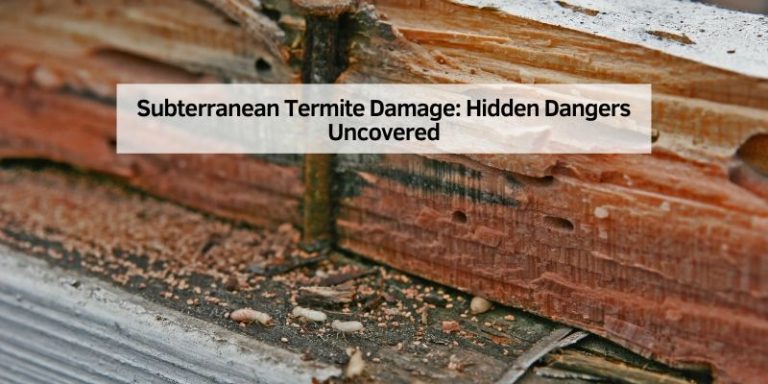
- Recognizing Termite Signs: Several signs indicate a termite infestation in your firewood. Look for mud tubes. These are small tunnels made of soil and saliva. They are used by termites to travel from the ground to the wood. You might also notice small holes or tunnels inside the wood.
Look for frass, which is termite droppings. Frass is often a sign of termites. You may also notice discarded wings near your firewood. These wings are left behind by termites. By learning to identify these signs, you can quickly assess any potential problems. - Confirming the Infestation: Once you suspect a termite infestation, confirm your suspicions. Examine the wood closely for signs of termites. You can also use a screwdriver or other sharp tool to probe the wood.
You can also inspect the surrounding area for termite activity. Look for signs of termites in nearby trees, stumps, or other wooden structures. If you are uncertain about the extent of the infestation, consider contacting a pest control professional. They can confirm the infestation and recommend appropriate treatment options. - Assessing the Extent of Damage: Assess the extent of the damage to your firewood. Termites feed on the cellulose in wood. The damage can vary from surface-level damage to significant structural damage.
Use a flashlight and a sharp tool to examine the interior of the wood. Remove any heavily damaged wood to prevent the infestation from spreading. You will need to determine whether the wood can be salvaged or if it must be disposed of.
Response and Removal Strategies
- Isolating the Infested Wood: Once you confirm a termite infestation, take steps to isolate the infested wood. Move the infested wood away from your house and any other structures. This prevents the termites from spreading.
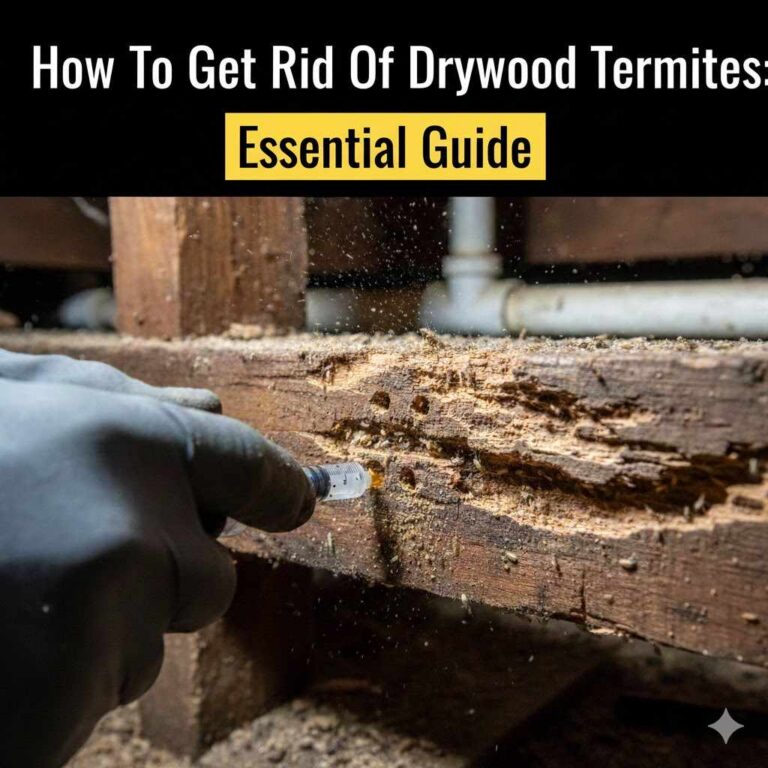
Place the infested wood in an area away from other woodpiles and areas. You can also cover the infested wood with a tarp to contain any termites. This isolation will prevent the spread of the termites. - Treatment Options: Several treatment options are available for infested firewood. You can use insecticides. Borate treatments are effective at killing termites. You can apply the insecticide directly to the infested wood.
Another option is to heat-treat the wood. This process exposes the wood to high heat for a certain amount of time. You may need to dispose of the wood if the infestation is severe. Consider contacting a pest control professional for treatment options. - Proper Disposal Methods: The way you get rid of the infested wood is important. The best way to dispose of infested firewood is to burn it. Burning the wood will kill the termites. You can also haul the wood to a landfill.
Avoid storing the infested wood in a location that is close to your home. Make sure you follow local regulations for disposing of the wood. If you choose to burn the wood, make sure you do so safely.
Preventing Re-Infestation and Maintaining a Termite-Free Zone
Preventing re-infestation is just as important as handling an existing infestation. It means maintaining a constant vigil against termites. You will need to focus on a number of practices. Proper maintenance and ongoing monitoring will keep termites away. This is crucial for keeping your firewood safe.
Long-Term Maintenance and Vigilance
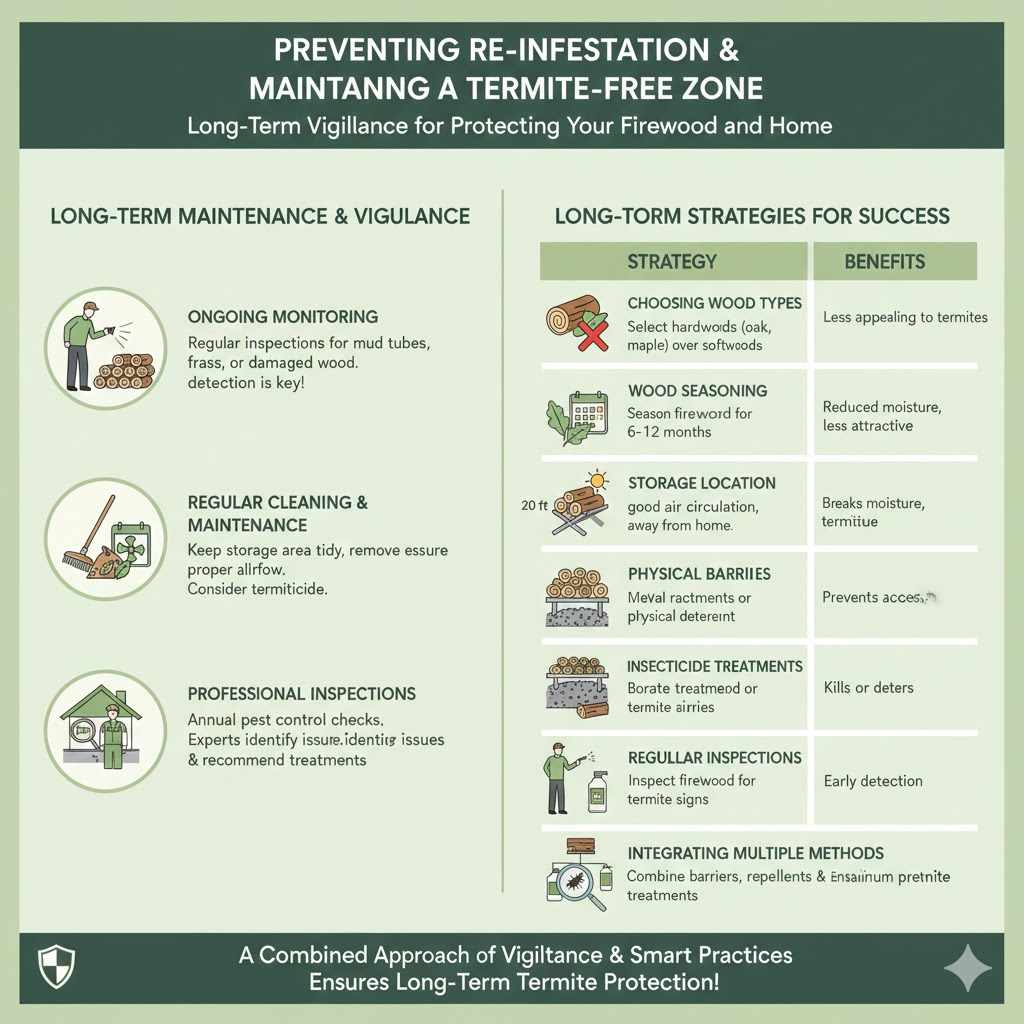
- Ongoing Monitoring: Regular inspection is key to preventing future infestations. Check your firewood and storage area regularly for any signs of termites. The more regularly you check, the better you will be able to stop an infestation. Early detection can prevent a small problem from growing into a major issue.
Pay attention to any changes in your wood. Check the wood for any mud tubes or frass. Inspect the area around your firewood for termite activity. Use a flashlight to help you see any subtle signs. - Regular Cleaning and Maintenance: Keep your firewood storage area clean and tidy. Remove any debris. Regularly sweep up leaves, branches, or other organic matter. This helps to eliminate potential termite habitats.
Ensure the area around your firewood is well-ventilated. Proper airflow helps prevent moisture buildup. Regularly inspect your wood rack or storage structure for any signs of damage or wear and tear. You can also treat the storage area with a termiticide. - Professional Inspections: Consider having a professional pest control inspection annually or every other year. This can help to catch any termite activity early on. The inspection will involve a thorough examination.
Professionals can identify areas where termites are active. The inspector can then recommend treatment options. They will also inform you about any conditions that could attract termites. Having regular professional inspections is a good way to stay on top of any potential problems.
Long-Term Strategies for Success
- Maintaining Optimal Storage Conditions: Make sure you use the best storage methods for your firewood. Choose a location that offers good ventilation and sunlight. Cover your firewood to protect it from the elements. These are also very important steps.
Elevate your firewood off the ground. These conditions make the area less attractive to termites. Avoid stacking firewood directly against your home. This could create a pathway for termites. - Using Termite-Resistant Wood Species: Consider using wood species that are less attractive to termites. These types of wood may include cedar, redwood, and black walnut. These woods have natural properties that repel or deter termites.
Using these woods can reduce the risk of termite infestations. They can be part of your long-term plan to keep termites away. If using other wood types, season them properly. This will reduce moisture content, making them less attractive to termites. - Integrating Multiple Prevention Methods: The most effective termite prevention strategy often involves integrating multiple methods. This could include using a combination of the storage and treatment options. These can be used to protect your firewood.
Combine physical barriers with natural repellents. Consider using borate treatments on your wood. You may need to use insecticides. This will help you get maximum protection. Make a long-term plan with multiple ways to prevent termites. This combined approach is the key to protecting your firewood.
Here’s a table that summarizes the key strategies:
| Strategy | Description | Benefits |
|---|---|---|
| Choosing Wood Types | Select hardwoods, such as oak or maple, over softwoods. | Hardwoods are generally less appealing to termites, reducing the risk of infestation. |
| Wood Seasoning | Season your firewood for 6-12 months. | Seasoned wood has reduced moisture, making it less attractive to termites. |
| Storage Location | Elevate firewood off the ground, provide good air circulation, and keep it away from structures. | Elevating breaks termite pathways; air circulation reduces moisture buildup. |
| Physical Barriers | Use metal racks and gravel barriers. | Metal racks prevent termites from chewing, and gravel acts as a physical deterrent. |
| Insecticide Treatments | Apply borate treatments or spray insecticides. | Insecticides can kill or deter termites. |
| Regular Inspections | Regularly inspect firewood for termite signs. | Early detection prevents small problems from escalating. |
Frequently Asked Questions
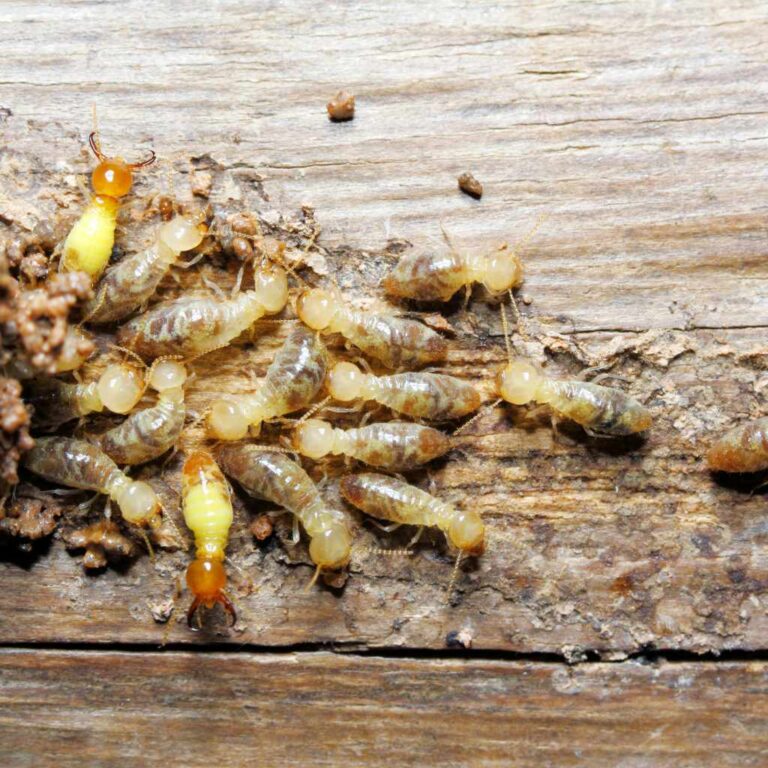
Question: What do termites look like?
Answer: Termites look like small, ant-like insects. They can be white, tan, or brown, and some have wings. They’re often found in damp or decaying wood.
Question: How can I tell if my firewood has termites?
Answer: Look for signs like mud tubes, small holes in the wood, or frass (termite droppings). You may also see discarded wings.
Question: Is all firewood at risk of termites?
Answer: Yes, all types of firewood can be at risk, but some types of wood are more attractive to termites than others.
Question: Can I use firewood that has termites?
Answer: If the infestation is minor, you might be able to treat the wood. However, severely infested wood should be removed and disposed of.
Question: How often should I check my firewood for termites?
Answer: Inspect your firewood regularly, especially during warmer months when termites are most active. Monthly checks are good practice.
Final Thoughts
Protecting your firewood from termites is manageable. It involves a combination of smart choices and proactive steps. You now know about the importance of choosing the right wood type and the best ways to store it. You also learned methods to keep your wood safe from these destructive pests. Remember to prioritize proper storage by elevation, airflow, and distance from your home. Regular inspections, the use of insecticides, and the use of natural repellents can help to build a protective shield. These practices are a way to manage your woodpile.
This will help protect your home and your investment. These tips are the key to keeping your wood dry and termite-free. Now, it’s time to put these techniques into action and enjoy a worry-free season!