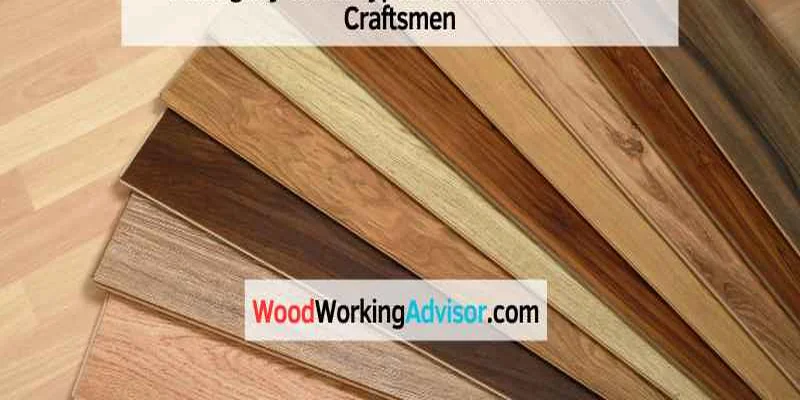
Types of Mahogany Wood: Genuine, African & Philippine Compared
Mahogany wood comes in three main commercial types — Genuine (Swietenia macrophylla), African (Khaya spp.), and Philippine (Shorea/Meranti) — but only Swietenia species are botanically true mahogany. Philippine mahogany is an entirely different genus (Dipterocarpaceae) that was commercially rebranded in the early 20th century to capitalize on mahogany’s prestige. This guide covers the Janka hardness, stability, price, and best uses of all four mahogany species — including the rare Cuban mahogany. For the full species and sourcing picture, see our guide to what kind of wood mahogany is.
Quick Answer
The four mahogany wood types are: Genuine/Honduran (Swietenia macrophylla, 900 lbf Janka), Cuban (Swietenia mahagoni, 930–1,000 lbf), African (Khaya spp., 830–1,070 lbf), and Philippine (Shorea/Meranti, 800–825 lbf). Only the first two are true mahogany. African is the most widely available; Philippine is not botanically related to mahogany at all.
Types of Mahogany Wood: Overview
Best for Types of Mahogany Wood
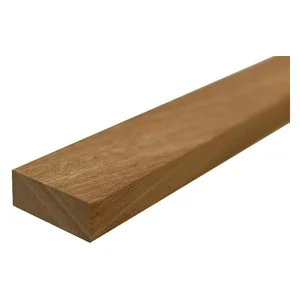 |
Pack of 2, African Mahogany Lumber Board – 3/4″ x 4″ (3/4″ x 4″ x 48″) – $78.95 The product this guide names by name for types of mahogany wood – matched here to a real, currently listed ASIN.
|
Mahogany wood types fall into two botanical categories: true mahogany (Swietenia genus, family Meliaceae) and trade mahogany (species from unrelated genera sold under the mahogany name). Understanding which category a piece belongs to matters for durability, stability, price, and legal compliance. For a full breakdown of what makes mahogany worth choosing over other hardwoods, see mahogany’s core advantages.
| Type | Species | Janka | Price (per bf) | True Mahogany? |
|---|---|---|---|---|
| Genuine (Honduran) | Swietenia macrophylla | 900 lbf | $10–$28 | ✅ Yes |
| Cuban | Swietenia mahagoni | 930–1,000 lbf | Premium (rare) | ✅ Yes |
| African | Khaya spp. | 830–1,070 lbf | $5–$12 | ⚠️ Related (Meliaceae) |
| Philippine | Shorea spp. (Meranti/Lauan) | 800–825 lbf | $3–$8 | ❌ No (different family) |
Genuine Mahogany (Honduran Mahogany)
Genuine mahogany is Swietenia macrophylla — also called Honduran mahogany or big-leaf mahogany. It is the benchmark species against which all other “mahogany” types are measured. Janka hardness is 900 lbf. It grows in Central and South America and is listed on CITES Appendix II, restricting legal export and making it more expensive than African alternatives.
According to The Wood Database, Honduran mahogany is one of the most dimensionally stable hardwoods in the world — it resists warping, shrinking, and expanding with humidity changes better than any other species in the mahogany trade category. The heartwood is pale pinkish-red when freshly cut, darkening to deep reddish-brown with age. Quartersawn boards show the characteristic ribbon figure that defines premium mahogany in furniture and cabinetry. Price ranges from $10–$28 per board foot depending on grade and region. For more on identifying this species, see our mahogany wood identification guide.
Cuban Mahogany
Cuban mahogany (Swietenia mahagoni) is the original mahogany species that drove 18th-century European furniture making — it was the wood used by Chippendale and the great Georgian cabinetmakers, whose switch from walnut to mahogany is covered in our mahogany furniture history guide. Janka hardness is 930–1,000 lbf, slightly harder than Honduran. Cuban mahogany is now effectively extinct in commercial quantities due to over-harvesting; the only legal sources are antique furniture salvage and occasional permitted export from Cuba.
Cuban mahogany is denser and has a tighter grain pattern than Honduran mahogany, producing an even finer ribbon figure on quartersawn surfaces. Antique pieces command significant premiums. New lumber, when available, is priced well above Honduran mahogany. See our guide on Cuban mahogany pros and cons for a detailed analysis of working with salvaged stock.
African Mahogany
African mahogany (Khaya spp.) is in the same plant family as genuine mahogany (Meliaceae) — making it the closest true botanical relative to Swietenia. Janka hardness ranges from 830–1,070 lbf across the different Khaya species. It is the most widely available commercial mahogany substitute today, priced at $5–$12 per board foot.
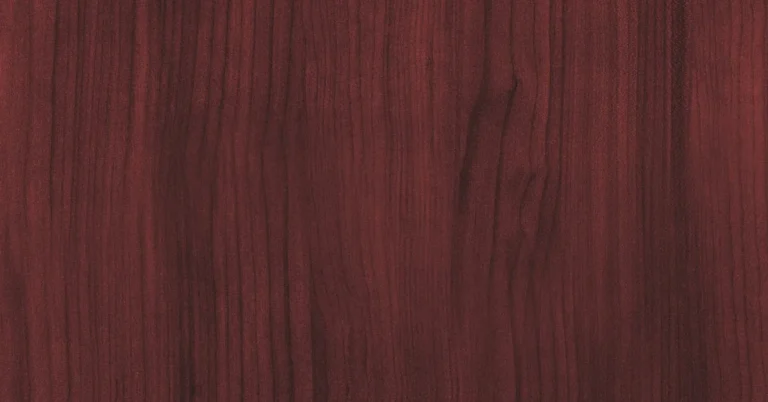
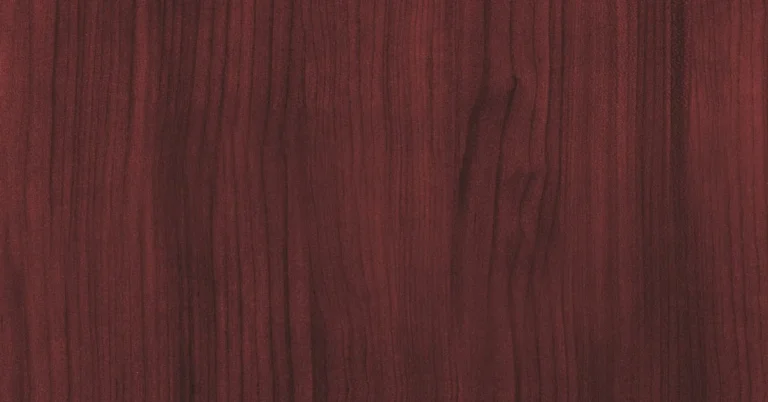
African mahogany shares the reddish-brown color and ribbon figure of genuine mahogany but is less dimensionally stable — it moves more with humidity changes than Swietenia. The main visual distinction is the absence of storied rays (ripple marks) that appear on genuine mahogany flatsawn surfaces. See our guide to spotting this ripple effect for how to actually check for it. African mahogany is widely used in cabinetry, furniture, and boat building where genuine mahogany’s CITES documentation adds cost or complexity. See our mahogany vs sapele comparison for a detailed look at how African mahogany stacks up against its closest competitor.
Philippine Mahogany (Meranti / Lauan)
Philippine mahogany is not mahogany. It is the trade name for Shorea species (family Dipterocarpaceae) — botanically unrelated to Swietenia or Khaya. The name was coined during the American colonial period in the Philippines to capitalize on the prestige of true mahogany, which was becoming scarce. Janka hardness is 800–825 lbf. Price is $3–$8 per board foot.
Philippine mahogany encompasses five sub-categories: Light Red Meranti, Dark Red Meranti, White Meranti, Yellow Meranti, and Balau — each with different density, color, and workability. The wood has a coarser texture than true mahogany with larger, more open pores and lower natural luster. It is commonly used for plywood (sold as Lauan plywood), window frames, doors, and general construction millwork where the mahogany name is used loosely.
Physical Properties of Mahogany Wood Types
Physical properties vary significantly across mahogany types. Genuine and Cuban mahogany (Swietenia) are the benchmark for stability and workability. African mahogany is comparable but less stable. Philippine mahogany is the softest and coarsest of the four.
- Color: All four range from pinkish-red to reddish-brown heartwood, but Cuban is deepest; Philippine is lightest and more variable
- Grain: Genuine and Cuban show fine ribbon figure; African is similar but slightly coarser; Philippine has open, coarse grain
- Stability: Genuine mahogany (Swietenia) = most stable; African = good; Philippine = variable by sub-species
- Workability: All four are easy to saw and shape; genuine and African take fine finishes; Philippine is coarser and requires grain filling
- Weight: Genuine ~37 lbs/ft³; African ~31–37 lbs/ft³; Philippine ~34–42 lbs/ft³
Working With Mahogany: Tips by Species
Genuine and African mahogany are among the most workable hardwoods — they cut cleanly, sand smoothly, glue well, and accept stains and finishes without raising grain. Use sharp carbide-tipped blades and bits; mahogany’s interlocked grain can cause tearout with dull tools on quartersawn faces.
Philippine mahogany requires grain-filling before applying fine finishes due to its large open pores. A paste wood filler sanded flush before staining produces a smooth result. For all mahogany types, use shellac or oil-based primer as the first sealer coat before any water-based finish to prevent fiber raising on the open-pored surfaces.
Best Uses for Each Type of Mahogany
Each mahogany type has a natural fit based on its properties, availability, and cost:
- Genuine/Honduran mahogany: Fine furniture, musical instruments (guitar necks and bodies), high-end cabinetry, architectural millwork, boat building, caskets, and live-edge slab furniture — where maximum stability and premium appearance justify the cost
- Cuban mahogany: Antique restoration and reproduction period furniture — where historical accuracy requires matching the original species
- African mahogany: Cabinetry, furniture, doors, windows, and boat building — where genuine mahogany appearance is wanted at lower cost
- Philippine mahogany: Plywood panels (Lauan), doors, window frames, trim, and general construction millwork — where price drives the decision over appearance
Recommended Product
Genuine Mahogany Lumber Board — Swietenia macrophylla
Kiln-dried genuine mahogany (Honduran/Swietenia macrophylla) boards — ideal for furniture, cabinetry, and instrument making. Ribbon grain figure, fine texture, superior dimensional stability.
- Janka hardness: 900 lbf
- Species: Swietenia macrophylla (Honduran mahogany)
- Kiln dried to 6–8% moisture content
- Ships to continental US
As an Amazon Associate I earn from qualifying purchases. See our affiliate disclosure.
Sustainability and Sourcing
Genuine mahogany (Swietenia macrophylla) is CITES Appendix II listed — legal trade requires documentation. Reputable suppliers provide CITES permits with every purchase. FSC-certified sources are available and preferred for environmentally conscious projects. Cuban mahogany (Swietenia mahagoni) is CITES Appendix II as well and effectively unavailable as new timber.
African mahogany (Khaya) is not CITES listed and is the most sustainable commercial option — it is grown in managed forests across West Africa and is certified by FSC in many supply chains. Philippine mahogany (Shorea) sustainability varies by sub-species; some Shorea species are endangered. Always verify FSC certification when purchasing any wood sold as mahogany.
Choosing the Right Mahogany Type for Your Project
Choose genuine mahogany (Swietenia macrophylla) for fine furniture, musical instruments, or any project where long-term stability and premium grain figure are the priority. Budget $10–$28 per board foot and verify CITES documentation.
Choose African mahogany (Khaya) for cabinetry, furniture, and doors where genuine mahogany appearance is needed at $5–$12 per board foot. It performs nearly as well as genuine mahogany in most furniture and millwork applications.
Choose Philippine mahogany (Shorea/Meranti) for plywood, painted millwork, or projects where cost is the primary driver and the “mahogany” name is used for commercial purposes rather than botanical accuracy. Do not use it as a substitute for genuine or African mahogany in fine woodworking — the coarser grain and lesser stability will show.
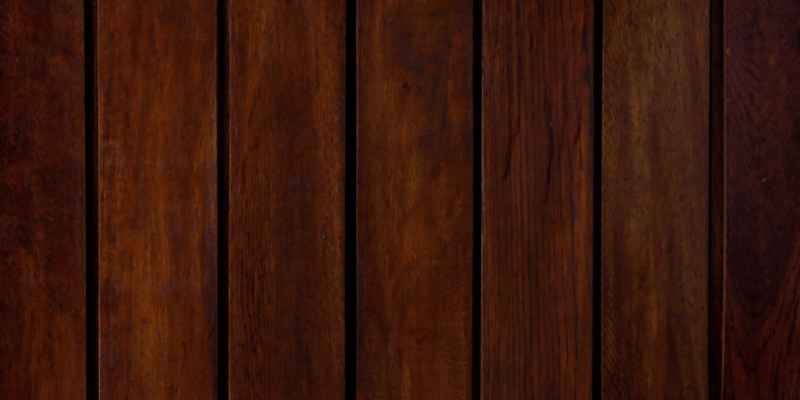
Other Woods Sold as Mahogany (Sapele, Utile, Andiroba & Pacific Coast)
Several timbers are marketed as “mahogany” without belonging to the true Swietenia genus. Knowing them helps you avoid overpaying or mismatching a project.
- Sapele (Entandrophragma cylindricum): A West African hardwood with an interlocked, often ribbon-stripe grain. Harder and heavier than genuine mahogany, widely used for furniture, flooring, and guitars.
- Utile / Sipo (Entandrophragma utile): Close to sapele but with a straighter, more uniform grain; a common genuine-mahogany substitute for doors and joinery.
- Andiroba / Crabwood (Carapa guianensis): A South American species sold as “Brazilian mahogany,” slightly softer and lighter in colour, used for trim, furniture, and veneer.
- Pacific Coast Mahogany (Swietenia humilis): A true Swietenia species from Central America’s Pacific slope — smaller and less common than Honduran mahogany but botanically genuine.
Of these, only Pacific Coast mahogany is botanically true mahogany; sapele, utile, and andiroba are mahogany alternatives prized for a similar look at lower cost.
Frequently Asked Questions
What Are the Main Types of Mahogany Wood?
The four main commercial mahogany types are: Genuine/Honduran mahogany (Swietenia macrophylla, 900 lbf), Cuban mahogany (Swietenia mahagoni, 930–1,000 lbf), African mahogany (Khaya spp., 830–1,070 lbf), and Philippine mahogany (Shorea spp./Meranti, 800–825 lbf). Only Swietenia species are botanically true mahogany. African mahogany is in the same plant family (Meliaceae). Philippine mahogany is botanically unrelated.
What Is the Difference Between Genuine and African Mahogany?
Genuine mahogany (Swietenia macrophylla) and African mahogany (Khaya spp.) are in the same plant family (Meliaceae) and look very similar. The key differences: genuine mahogany has storied rays visible as ripple marks on flatsawn surfaces (absent in African), is more dimensionally stable, and costs $10–$28 per board foot vs. $5–$12 for African. African mahogany is not CITES listed, making it easier and cheaper to source legally.
Is Philippine Mahogany Real Mahogany?
No — Philippine mahogany (Shorea spp.) is not real mahogany. It belongs to the Dipterocarpaceae family, which is botanically unrelated to true mahogany (Meliaceae family). The name was adopted commercially in the early 20th century during the American colonial period in the Philippines. Philippine mahogany (also sold as Meranti or Lauan) has larger pores, coarser texture, and less stability than genuine mahogany.
What Is the Most Expensive Type of Mahogany?
Cuban mahogany (Swietenia mahagoni) is the most expensive and rarest type. It is effectively extinct in commercial quantities due to over-harvesting, and the only sources are antique furniture salvage and rare permitted exports. Genuine/Honduran mahogany (Swietenia macrophylla) is the most expensive widely-available type, at $10–$28 per board foot. African mahogany at $5–$12 per board foot is the most affordable true-mahogany-family option.
Which Type of Mahogany Is Best for Furniture?
Genuine/Honduran mahogany (Swietenia macrophylla) is best for high-end furniture — it offers the finest grain figure, maximum dimensional stability, and the deepest reddish-brown color that deepens with age. African mahogany (Khaya) is the best value alternative for furniture, nearly matching genuine mahogany in appearance and workability at lower cost. Philippine mahogany (Shorea/Meranti) is not recommended for fine furniture due to its coarser grain and lesser stability.
Sponsored / affiliate links. As an Amazon Associate I earn from qualifying purchases. I may earn additional commission from eligible campaigns.