Inexpensive Vinyl Flooring: Best Budget Picks That Last
Vinyl flooring can be a smart choice for a beautiful home on a budget. Many types offer good durability and style without the high price of wood or tile. You can find options that mimic natural materials very well. These budget-friendly picks are designed to last. They also handle daily wear and tear. This makes them a practical option for busy homes.
Understanding Inexpensive Vinyl Flooring
Vinyl flooring is a broad category. It includes sheet vinyl, luxury vinyl tile (LVT), and luxury vinyl plank (LVP). For budget-conscious shoppers, there are key things to know.
We want to focus on value. This means looking for floors that offer the most bang for your buck. It’s about finding a good balance.
You need both a low price and good performance. We’ll look at materials that help keep costs down. We’ll also see what makes them a lasting choice.
Sheet vinyl is often the most affordable. It comes in large rolls. This means fewer seams.
It’s good for kitchens and bathrooms. LVT and LVP are slightly more. But they often offer better realism.
They also come in tiles or planks. This makes them easier to install. Many budget-friendly options are still quite good.
They are made with modern technology. This helps them look more like real wood or stone. The core layers are important.
They provide stability and strength.
My Budget Flooring Adventure
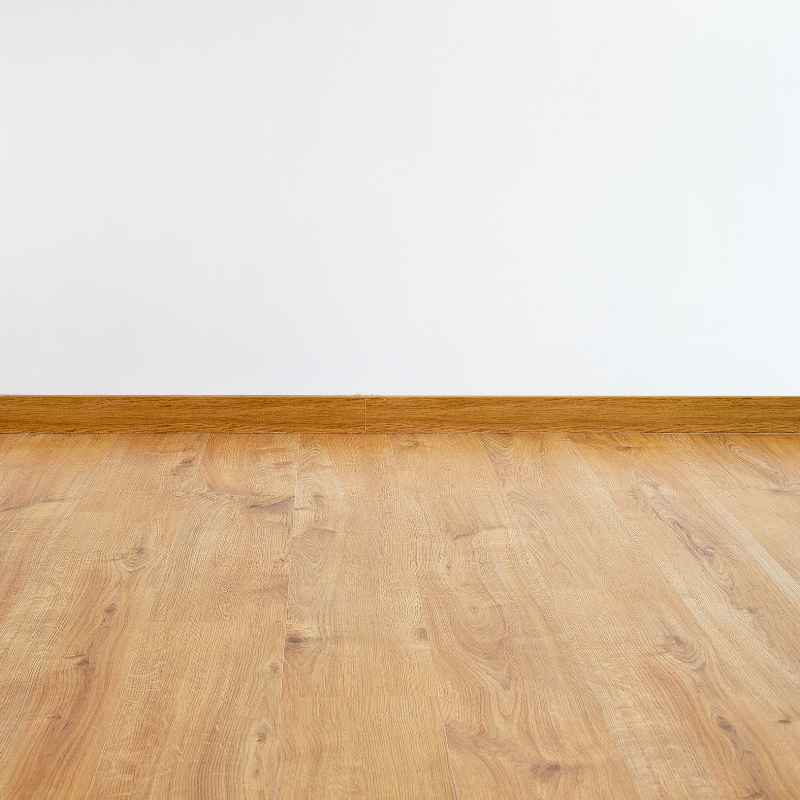
I remember a time when I desperately needed new kitchen flooring. My old linoleum was peeling. It was stained from years of spills.
I had a very tight budget. I felt a bit overwhelmed. Every store seemed to show expensive options.
I almost gave up and just lived with the ugly floor. Then, I started looking closer at the vinyl section. I saw some sheet vinyl rolls.
They looked okay in the store. But I worried they’d look cheap once installed. I also found some LVT planks.
They had a nice wood-like pattern. The price was better than I expected. I bought a small sample of the LVT.
I brought it home. I looked at it in my kitchen light. It wasn’t perfect.
But it was so much better than what I had. I decided to go for it. The installation was a bit tricky.
But the result? My kitchen looked so much brighter and cleaner. It proved that you don’t need a lot of money for a big change.
Budget Vinyl Flooring: Key Features to Seek
When shopping for affordable vinyl, keep these in mind:
- Wear Layer Thickness: This is a clear protective layer. Look for at least 4-6 mil for light to moderate traffic. More is better for busy areas.
- Core Material: Some budget vinyl has a softer core. Higher quality budget options might have a more stable composite core.
- Water Resistance: Most vinyl is water-resistant. This is a huge plus for kitchens and bathrooms.
- Ease of Installation: Click-lock systems for LVT/LVP are DIY-friendly. Sheet vinyl can be harder to handle.
What Makes Vinyl Flooring Budget-Friendly?
Several factors contribute to vinyl flooring’s affordability. One big reason is the material itself. Vinyl is a synthetic product.
It’s manufactured efficiently. This makes its raw material cost lower than natural materials like hardwood or stone. The manufacturing process is also quite streamlined.
Large factories can produce vast amounts of vinyl quickly. This helps to drive down the per-square-foot price.
Another factor is the design process. Modern printing techniques allow manufacturers to create incredibly realistic looks. They can mimic wood grains, stone textures, and tile patterns with high detail.
This means you get the visual appeal of expensive materials. You get it without the actual cost. The installation method also plays a role.
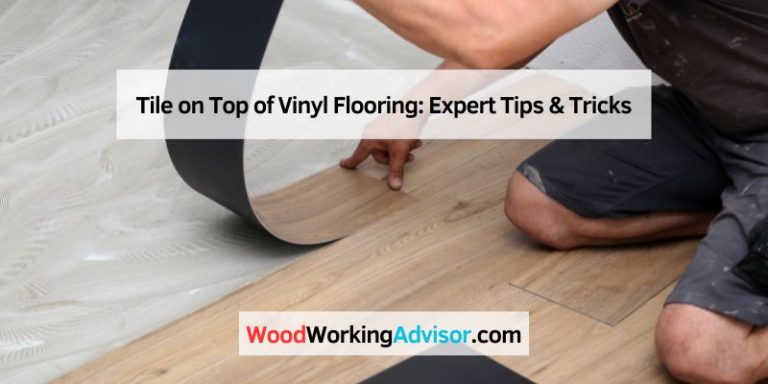
Many vinyl products, especially LVT and LVP, are designed for easier installation. Some use a click-lock system. This allows homeowners to install it themselves.
This saves money on professional labor costs. Even sheet vinyl, while sometimes needing professional help, is often less expensive to install than traditional tile or hardwood.
Best Inexpensive Vinyl Flooring Types and Picks
For those on a tight budget, certain types of vinyl flooring stand out. Sheet vinyl is often the champion of affordability. It comes in large rolls.
You can find it in many styles. Some have simple patterns. Others mimic wood or tile very closely.
For a kitchen or a basement, a good sheet vinyl can be a fantastic choice. It offers seamless protection against spills.
Luxury Vinyl Tile (LVT) and Luxury Vinyl Plank (LVP) are also great budget options. While sometimes a bit pricier than basic sheet vinyl, they offer more realism. LVP, in particular, is popular.
It comes in planks that look like wood. Many of these are designed for DIY installation. This saves you money.
You can find LVP that captures the look of oak, maple, or even exotic woods. The textures can be quite convincing. They feel good underfoot too.
When looking for specific products, it’s wise to check big box stores and online retailers. Brands often have dedicated “budget” or “value” lines. These are designed to offer style at a lower price point.
Look for terms like “economy,” “value,” or “everyday” in their product descriptions. You can often find great deals during holiday sales or clearance events. Always compare prices from different sellers.
Sometimes, a slightly higher price can mean a better quality product or wear layer. Don’t just buy the cheapest option you see. Read reviews.
Check the specifications carefully.
Quick Scan: Budget Vinyl Flooring Options
| Type | Typical Price Range (per sq ft) | Pros | Cons |
|---|---|---|---|
| Sheet Vinyl | $0.50 – $2.00 | Very affordable, waterproof, easy to clean, fewer seams | Can be harder to repair, looks less realistic than LVT/LVP |
| Luxury Vinyl Plank (LVP) | $1.00 – $3.00 | Realistic wood looks, DIY-friendly installation, durable | Slightly more expensive than sheet vinyl, requires underlayment |
| Luxury Vinyl Tile (LVT) | $1.00 – $3.50 | Mimics stone/tile, often peel-and-stick or click-lock, waterproof | Seams can be visible, requires a very flat subfloor |
Real-World Context: Where Budget Vinyl Shines
Inexpensive vinyl flooring is a fantastic choice for several areas in the home. Consider basements. These areas are often prone to moisture.
Vinyl’s water-resistant nature makes it ideal. It can handle occasional leaks or dampness better than carpet or hardwood. The affordability means you don’t have to stress if a pipe bursts.
Kitchens and bathrooms are other prime spots. Spills are common in kitchens. Splashes happen in bathrooms.
Vinyl stands up to these messes. It’s easy to wipe clean. You don’t need to worry about water seeping into seams or damaging the subfloor.
For busy families with kids and pets, this is a huge relief. The durability of the wear layer means it can handle dropped toys and pet claws reasonably well. Even high-traffic hallways can benefit from budget vinyl.
It provides a consistent, easy-to-maintain surface.
When choosing, think about the room’s purpose. A basement might prioritize extreme water resistance. A high-traffic entry might need a tougher wear layer.
A bedroom might focus more on comfort and a wood-like look. Understanding the room’s demands helps you pick the best value. You want a floor that meets those specific needs without overspending.
Vinyl Flooring: Normal vs. Concerning Signs
Normal Signs:
- Slight color variations in patterned vinyl that mimic natural materials.
- Minor expansion or contraction with extreme temperature changes (especially in larger areas).
- Ease of cleaning with a damp mop.
Concerning Signs:
- Bubbling or lifting of seams (indicates moisture or poor installation).
- Deep scratches or gouges that go through the wear layer.
- Warping or buckling (often due to extreme moisture or incorrect installation).
- Mold or mildew growth under the flooring (major moisture issue).
Installation: DIY vs. Professional
The installation of inexpensive vinyl flooring often influences the overall cost. Many LVT and LVP products are designed for the do-it-yourselfer. They often feature a click-lock system.
This means planks snap together. This method requires a level subfloor. But it can save you a significant amount of money.
You’ll need basic tools like a utility knife, tape measure, and possibly a miter saw for cuts.
Sheet vinyl can be more challenging for DIYers. It’s large and can be difficult to maneuver. Cutting it precisely around corners and obstacles takes skill.
If you’re not comfortable with detailed cutting, hiring a professional for sheet vinyl might be wise. However, professional installation adds to the total price. Compare the cost of DIY tools and potential mistakes versus the quote from a flooring installer.
Before installing, always prepare your subfloor. It needs to be clean, dry, and perfectly level. Any imperfections in the subfloor can show through the vinyl.
This is especially true for thinner vinyl products. Using a good quality underlayment can also help. It provides cushioning.
It can also help smooth out minor subfloor issues. Check the manufacturer’s installation guidelines. They provide crucial steps to ensure your floor looks good and lasts.
Durability and Maintenance: What to Expect
When you buy inexpensive vinyl flooring, you might wonder about its lifespan. Modern vinyl, even budget options, is surprisingly durable. The key feature to look for is the wear layer.
This is the clear top coating. It protects the design layer from scratches, scuffs, and stains. A thicker wear layer generally means longer durability.
For busy homes with pets and kids, aim for a wear layer of at least 6 mil. Higher is better if you can find it within your budget. Even with a good wear layer, some care is needed.
Avoid dragging heavy furniture across the floor. Use felt pads on furniture legs. Clean up spills promptly.
Regular sweeping or vacuuming will keep dirt from scratching the surface. A damp mop with a mild cleaning solution is usually all you need for deeper cleaning.
Most budget vinyl flooring is water-resistant, not completely waterproof. This means liquids on the surface won’t immediately seep through. But if water sits for a long time, especially at the seams of LVT or LVP, it can cause problems.
So, don’t let spills linger. With proper care and realistic expectations, your budget vinyl floor can look good for many years. It can serve your home well.
DIY Quick Tips for Budget Vinyl
- Measure Twice, Cut Once: Accuracy is key.
- Level Subfloor is Crucial: Fix any bumps or dips.
- Use a Sharp Blade: A dull knife will tear the vinyl.
- Allow for Expansion: Leave small gaps around walls for LVP/LVT.
- Read the Manufacturer’s Guide: Every product is slightly different.
Realistic Expectations for Budget Flooring
It’s important to have realistic expectations when choosing inexpensive vinyl flooring. While it can mimic expensive materials beautifully, it’s not identical. High-end natural stone or solid hardwood floors have a depth and character that vinyl can only replicate.
You might notice repetition in the patterns on vinyl planks or tiles, especially in very budget-friendly options. This is a trade-off for the lower cost.
The feel underfoot can also differ. While vinyl is softer than tile, it won’t have the exact same feel as real wood. The durability is also relative.
A high-quality vinyl can last 10-15 years or more in moderate traffic. However, it might not withstand extreme abuse like a thick, solid hardwood floor can. Scratches can happen, especially on higher-gloss finishes or if heavy objects are dropped.
The key is to understand what you are getting for the price. Inexpensive vinyl flooring offers excellent value. It provides a significant aesthetic upgrade at a fraction of the cost of premium materials.
It’s durable enough for most homes and very practical. If you’re looking for a beautiful, functional, and affordable flooring solution, budget vinyl is often the answer. It delivers on its promise of style without the hefty price tag.
It makes home improvements accessible.
When to Consider Upgrading Your Vinyl Choice
While inexpensive vinyl flooring is great, there are times when a slightly higher budget might be worth it. If you’re flooring a high-traffic area that sees constant wear and tear, like a busy entryway or a commercial space within your home, investing in vinyl with a thicker wear layer (10-12 mil or more) is a good idea. This will significantly extend its lifespan.
For areas where extreme realism is a must, like a main living room where you want the look of natural wood to be indistinguishable from the real thing, you might want to look at higher-end LVP. These often have better embossing and more varied patterns. Also, if you’re looking for a very specific, unique stone or wood look, the selection might be wider and more authentic in premium lines.
Consider the subfloor condition. If your subfloor is significantly uneven or has structural issues, you might need a more rigid type of vinyl or extensive subfloor repair. Some premium vinyl products are more forgiving of minor subfloor imperfections.
Finally, if you plan to stay in your home for a very long time and want flooring that can last a lifetime, investing in higher-quality materials might be a better long-term strategy. However, for most people looking for a cost-effective update, the best inexpensive vinyl flooring options are excellent.
Maintaining the Shine: Simple Cleaning Routines
Keeping your inexpensive vinyl flooring looking its best is surprisingly easy. The most important thing is regular cleaning. Dust and grit are the enemies of any floor.
They can scratch the surface over time. So, sweep or vacuum your floors at least once a week. Use a vacuum cleaner with soft bristles or a setting that doesn’t scratch.
For spills, wipe them up immediately with a damp cloth. This prevents stains from setting in. For general cleaning, a damp mop is usually sufficient.
You can use plain water or a solution of mild dish soap and water. Avoid harsh chemicals or abrasive cleaners. These can damage the wear layer.
Also, steer clear of steam mops. The heat and moisture can sometimes get into the seams and cause damage, especially with budget vinyl.
If you have LVT or LVP, pay attention to the seams. Make sure they are kept clean and dry. Occasional deep cleaning might involve a vinyl floor cleaner specifically designed for the material.
Always check the manufacturer’s recommendations for cleaning products. Following these simple routines will help your budget vinyl flooring maintain its attractive appearance for years to come. It ensures you get the most out of your investment.
Frequently Asked Questions about Budget Vinyl Flooring
Is inexpensive vinyl flooring durable enough for pets?
Yes, many inexpensive vinyl flooring options are quite durable for homes with pets. Look for a good wear layer (6 mil or more) for scratch resistance. Clean up pet accidents quickly, as prolonged moisture can still be an issue.
The water-resistant nature of vinyl is a big plus.
Can I install inexpensive vinyl flooring myself?
Absolutely. Many luxury vinyl plank (LVP) and luxury vinyl tile (LVT) products are designed for DIY installation with click-lock systems. Sheet vinyl can be more challenging for beginners.
Always ensure your subfloor is clean and level before starting. Read the manufacturer’s installation guide carefully.
How long does budget vinyl flooring typically last?
With proper installation and maintenance, inexpensive vinyl flooring can last anywhere from 10 to 15 years or even longer in moderate-traffic areas. The lifespan depends heavily on the wear layer thickness and the amount of traffic and potential abuse it endures.
What is the best way to clean budget vinyl floors?
Regular sweeping or vacuuming is essential. For cleaning, a damp mop with plain water or a mild soap solution works well. Avoid harsh chemicals, abrasive cleaners, and steam mops, as they can damage the wear layer or seams.
Does inexpensive vinyl flooring look cheap?
Modern budget vinyl flooring can look surprisingly realistic. Manufacturers use advanced printing techniques to mimic wood and stone patterns. While high-end options offer more depth and variation, many affordable choices provide a significant aesthetic upgrade that does not look obviously “cheap.” It’s all about managing expectations for the price point.
Is vinyl flooring good for basements?
Yes, vinyl flooring is an excellent choice for basements. Its water-resistant properties make it ideal for areas that might be prone to moisture or minor flooding. It’s also durable and easy to clean, making it a practical and affordable option for basement renovations.
Conclusion: Smart Choices for Lasting Floors
Finding the right inexpensive vinyl flooring is about smart shopping. It’s about understanding what features matter most for your home. You don’t need a huge budget to achieve beautiful, durable floors.
By focusing on wear layers, installation ease, and suitable styles for your rooms, you can make a fantastic choice. Your home can look updated and welcoming. These budget-friendly picks are a testament to how far flooring technology has come.
They prove style and savings can go hand-in-hand.