Shaw Floors Vinyl Flooring: Styles, Prices And Reviews
What is Shaw Floors Vinyl Flooring?
Shaw Floors makes a wide variety of flooring. Vinyl flooring is one of their most popular types. It’s a man-made product.
It’s built in layers. The top layer is usually a wear layer. This protects the floor from scratches and stains.
Underneath that is a design layer. This is what gives the floor its look, like wood or stone. Then there are more layers for stability and sometimes waterproofing.
Vinyl flooring is known for being practical. It holds up well to daily life. This means spills, pets, and kids are usually no problem.
It’s also often softer and warmer underfoot than tile or stone. This makes it a comfortable choice for many homes. Shaw offers many different kinds of vinyl.
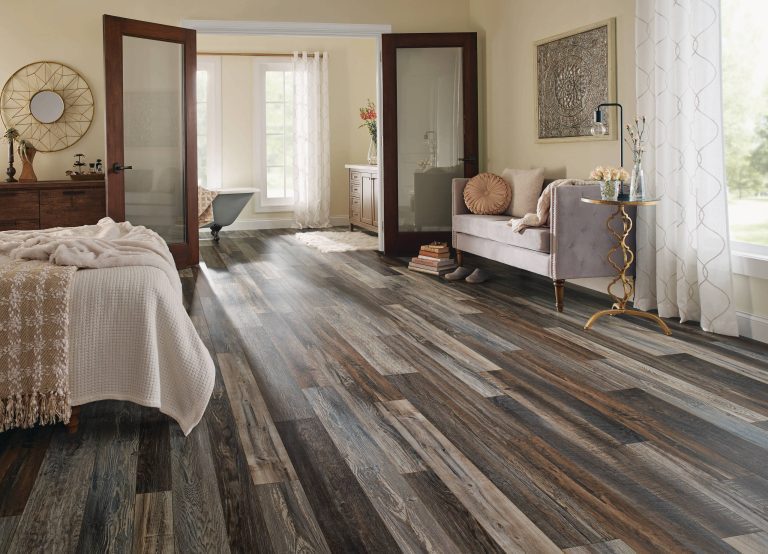
Some look very much like real wood. Others mimic the look of natural stone or ceramic tile. The technology has come a long way, so the choices are impressive.
Why Choose Vinyl Flooring from Shaw?
Shaw is a well-respected brand. They have been in the flooring business for a long time. This means they have a lot of experience.
They understand what people need in a floor. When you choose Shaw, you’re often choosing quality. They use good materials.
They have strict checks to make sure their products are good.
Another reason is the sheer variety. Whatever style you like, Shaw probably has it. Do you want a light, modern wood look?
They have it. Do you prefer a dark, rustic stone look? They have that too.
This makes it easier to find something that matches your home’s decor. Plus, many of their vinyl floors are designed to be easy to install. This can save you money on labor costs if you plan to DIY.
Types of Shaw Vinyl Flooring
Shaw offers several main types of vinyl flooring. Each has its own benefits and best uses. Understanding these will help you narrow down your choices.
We will explore the most common ones below.
Luxury Vinyl Tile (LVT) and Luxury Vinyl Plank (LVP)
These are the most popular kinds of vinyl today. LVT and LVP are very similar. The main difference is the shape.
LVT comes in tiles. LVP comes in planks, like wood. They are made with multiple layers.
This gives them a very realistic look. The design layer can mimic wood grain or stone texture perfectly.
These floors are known for being durable. They resist water very well. This makes them ideal for kitchens, bathrooms, and basements.
They are also comfortable to walk on. Installation is often easy. Many LVT and LVP products use a click-lock system.
This means the pieces snap together. You might not even need glue or nails. This is a big plus for DIYers.
Shaw offers many styles of LVT and LVP. You can find them in many colors and patterns. Some look like reclaimed wood.
Others look like elegant marble. The textures can feel very real too. This makes it hard to tell them apart from the real thing.
Sheet Vinyl
Sheet vinyl comes in large rolls. It’s usually 6 or 12 feet wide. You cover a whole room with one or a few large pieces.
This means fewer seams. Fewer seams can mean better water resistance. It can be a very budget-friendly option.
Sheet vinyl can also look quite good. Modern sheet vinyl has improved a lot. It can mimic wood, stone, or tile.
However, it might not look as realistic as LVT or LVP. The wear layer is still important for durability. It’s a good choice for high-traffic areas where cost is a factor.
Shaw makes sheet vinyl too. They have many designs. Some are simple and classic.
Others are more bold and modern. It’s often a good choice for rental properties or busy family homes where tough and easy cleaning are key.
Vinyl Composition Tile (VCT)
VCT is a different type of vinyl. It’s often used in commercial spaces like stores or schools. It’s made mostly of limestone and PVC.
It’s very tough. However, it usually needs to be waxed and polished regularly to keep its shine and protect it. It doesn’t typically have the decorative designs of LVT or LVP.
While Shaw is known for LVT and LVP, they might offer VCT for certain markets. It’s less common for home use. If you’re looking for a floor that has a natural wood or stone look, VCT is not the best choice.
It has a more industrial or utilitarian appearance.
For most homeowners looking for a stylish and practical floor, LVT and LVP are the way to go. They offer the best balance of looks, durability, and ease of use. The technology in these products is constantly improving, making them a great option for almost any room.
Shaw LVP: The Wood Look You Love, The Performance You Need
What it is: Luxury Vinyl Plank (LVP) planks designed to look like real wood. They come in various sizes, colors, and wood species looks.
Key Features:
- Waterproof: Great for kitchens, bathrooms, basements.
- Durable: Resists scratches, dents, and stains.
- Realistic Appearance: Mimics natural wood grain and texture.
- Easy Installation: Often uses a click-lock system.
Best For: Busy families, pet owners, moisture-prone areas.
Understanding Shaw Vinyl Flooring Prices
The cost of Shaw vinyl flooring can vary a lot. Several things affect the price. Knowing these factors will help you budget better.
It’s not just about the brand; it’s about the product itself.
Factors Influencing Price
Type of Vinyl: As we saw, LVT and LVP are generally more expensive than sheet vinyl. This is because they are more complex to produce. They offer better looks and performance.
VCT is usually the cheapest but requires more upkeep.
Quality and Thickness: Thicker vinyl planks or tiles are usually more expensive. They are also more durable. The wear layer thickness is very important.
A thicker wear layer (e.g., 20 mil) will cost more but last longer. It provides better protection against damage.
Design and Features: Highly realistic designs, unique textures, or special features can increase the price. For example, LVP that perfectly mimics a high-end wood species might cost more than a generic wood look.
Brand and Collection: Within Shaw, different product lines or collections will have different price points. Premium collections with advanced features will cost more than entry-level options.
Installation Costs: The price you pay at the store is usually just for the material. If you hire a professional to install it, that adds to the total cost. Simple click-lock LVP is cheaper to install than sheet vinyl that needs careful cutting and gluing.
Average Price Ranges (per square foot)
It’s hard to give exact prices because they change. However, here are some general ranges you might see for Shaw vinyl flooring. Remember, these are for the material only.
- Sheet Vinyl: $1 – $3 per square foot. Some basic options might be less, and high-end designs could be more.
- Luxury Vinyl Tile (LVT) / Luxury Vinyl Plank (LVP): $2 – $7 per square foot. This is a wide range. Entry-level LVP could be around $2-$3. High-quality, waterproof LVP with thick wear layers can go up to $7 or more.
- Vinyl Composition Tile (VCT): $1 – $2 per square foot. But remember the ongoing maintenance costs.
When comparing prices, always look at the total package. Consider the wear layer thickness, the warranty, and how realistic the look is. A slightly more expensive floor that looks better and lasts longer can be a better deal in the long run.
Quick Cost Comparison: LVP vs. Other Flooring
Shaw LVP: $2 – $7 per sq ft (material)
Laminate: $2 – $5 per sq ft (material)
Engineered Hardwood: $3 – $8 per sq ft (material)
Ceramic Tile: $2 – $10 per sq ft (material)
Note: Installation costs are separate and can significantly impact the total price.
Shaw Vinyl Flooring Reviews: What People Are Saying
Hearing from other people who have used Shaw vinyl flooring is really helpful. Reviews can tell you about real-world performance. They can highlight common problems or great features you might not see in product descriptions.
Common Praises in Reviews
Many customers love the realistic look of Shaw LVP. They often say it’s hard to tell the difference between it and real wood or stone. The ease of installation is another big plus.
People appreciate that they could install it themselves, saving money and time.
The durability and water resistance are frequently mentioned. Homeowners with pets and kids often share stories about how well the floors held up to spills and accidents. The comfort underfoot is also a common positive point.
It’s seen as a good alternative to cold tile.
For example, I remember helping a friend pick out flooring for her basement. She was worried about moisture. We went with a Shaw LVP that looked like a beautiful oak.
A year later, she told me how happy she was. There had been a small leak from a pipe, and the LVP was totally fine. No warping or damage.
That really stuck with me.
Potential Criticisms and What to Watch For
Some reviews mention that while the look is great, the texture might not always feel as authentic as the very high-end options. This is often a trade-off for the price. Also, while very durable, very deep scratches or heavy impacts can still damage the floor, just like any flooring.
A few people have noted that the color variation in some styles might be more pronounced than expected. It’s always best to look at large samples or photos of installed floors to get a true sense of the color. Sometimes, online photos don’t capture the exact shade.
One thing to be aware of is the importance of the wear layer. If a review mentions scratches easily, it might be for a product with a thinner wear layer. Always check the specifications for the mil thickness of the wear layer.
This is a key indicator of how well the floor will resist wear and tear.
It’s also good to read reviews about the specific collection you are interested in. Different collections have different features and price points. What one person says about a premium collection might not apply to an economy one.
Customer Feedback Snapshot
Pros often mentioned:
- Realistic wood/stone looks
- Waterproof capabilities
- Easy DIY installation
- Good for pets and kids
- Comfortable underfoot
Cons sometimes mentioned:
- Texture might not always feel 100% natural
- Can still scratch or dent under extreme force
- Color variation needs careful checking
Experience: My First Time Installing LVP
I’ll never forget the first time I tackled installing LVP in my own home. It was a small laundry room. I’d seen videos and read guides, but doing it yourself is another story.
I’d bought a beautiful Shaw LVP that looked like weathered gray wood. It was supposed to be easy to install, with a click-lock system.
I cleared out the room, pulled up the old linoleum, and prepped the subfloor. Laying down the first row felt pretty good. The planks clicked into place with a satisfying snap.
I felt like a pro. Then I hit the first wall. Trying to cut those planks precisely to fit around the door frame and the washing machine hookups was a challenge.
My cuts weren’t perfect. I used a lot of chalk lines and a steady hand with a utility knife and a jig saw.
There was one moment of panic when I realized I’d miscalculated a section. I had to pull up several rows and start again. My hands were sore, and I was sweating.
But as the floor started to come together, I felt a huge sense of accomplishment. By the end, despite a few slightly imperfect cuts I’ve mostly hidden, the room looked amazing. It was so much better than it was before.
That experience taught me that even with a bit of struggle, LVP can be a very rewarding DIY project.
Real-World Context: Where Shaw Vinyl Shines
Shaw vinyl flooring is designed for modern homes. It fits into many different living situations and room types. Its practicality is why it’s so popular today.
Kitchens and Bathrooms
These are prime spots for vinyl. Spills from cooking, splashes from the sink, and moisture from showers are common. Waterproof vinyl, especially LVP, handles these conditions with ease.
It’s also easy to wipe down after messy meals or bath times. The realistic stone and tile looks can give these rooms a high-end feel without the cost or upkeep of natural materials.
Basements
Basements can be prone to dampness. Traditional hardwood or laminate can be ruined by moisture. Vinyl’s water resistance makes it a perfect choice for turning a damp basement into a usable living space, like a family room or home gym.
It adds warmth and style where it might have been ignored before.
High-Traffic Areas
Hallways, entryways, and living rooms see a lot of foot traffic. Vinyl’s durable wear layer can stand up to this daily use. It resists scratches and scuffs better than many other flooring types.
This means it stays looking good for longer, even with busy households.
Pet-Friendly Homes
For pet owners, floors need to be tough. Vinyl can handle accidents, muddy paws, and scratching claws. The waterproof surface makes cleanup simple.
Many pet owners find that LVP is a lifesaver compared to carpet or even some types of hardwood.
Shaw Vinyl in Action: Room by Room
Kitchen: Handles spills, easy to clean, stylish looks.
Bathroom: Waterproof, resists humidity, feels warmer than tile.
Living Room: Durable for high traffic, comfortable, wide style choices.
Basement: Moisture-resistant, transforms the space, affordable.
Kids’ Playroom: Tough, safe, easy to sanitize.
What This Means for Your Home Project
Understanding Shaw vinyl flooring helps you make smart choices for your home. It means you can get the look you want without huge worry about damage. Let’s break down what it means for you.
When is Shaw Vinyl a Good Choice?
Shaw vinyl is a fantastic choice if you need a floor that is:
- Durable: You have kids, pets, or just a busy life.
- Water-Resistant: You’re flooring a kitchen, bathroom, or basement.
- Stylish: You want the look of wood or stone without the high cost or maintenance.
- Budget-Conscious: You want a good value for your money.
- Easy to Maintain: You prefer simple cleaning over complex care.
When Might You Consider Other Options?
While vinyl is versatile, it’s not for every single situation. If you are looking for:
- The absolute most luxurious, natural material feel: Real hardwood or natural stone might still be preferred by some, though the cost and upkeep are much higher.
- A floor that adds significant resale value through natural material: High-end, natural hardwood can sometimes command a higher resale premium, though LVP is closing this gap.
- A very specific, old-world charm that only natural materials provide: Some antique reclaimed wood floors have a character that’s hard to perfectly replicate.
However, for most modern homes and practical needs, Shaw vinyl is an excellent performer.
Simple Checks Before You Buy
Always check the wear layer thickness. Look for at least 12 mil for moderate traffic, and 20 mil or more for heavy traffic. Also, confirm if the product is truly waterproof, not just water-resistant.
Check the warranty details – what does it cover and for how long?
Look at samples in different lights. What looks good in the store might look different in your home’s lighting. If possible, see photos of the flooring installed in actual rooms, not just staged product shots.
Your Project Checklist
YES, Vinyl is Likely Great If:
- You want easy cleaning.
- You need water protection.
- Pets and kids are in the house.
- You’re on a moderate budget.
MAYBE Consider Other Options If:
- You prioritize natural material resale value above all else.
- You seek the absolute finest natural texture and feel.
- Your budget is unlimited for exotic natural materials.
Quick Tips for Caring for Your Shaw Vinyl
Caring for your Shaw vinyl flooring is generally very easy. This is one of its biggest selling points. Regular cleaning will keep it looking great for years.
- Sweep or Vacuum Regularly: Use a soft brush attachment on your vacuum. This picks up dirt and grit that can scratch the floor over time. Avoid vacuums with beater bars that spin aggressively.
- Wipe Up Spills Immediately: Don’t let liquids sit on the floor, especially in seams. A damp cloth or mop is usually all you need.
- Use Mild Cleaners: For tougher spots, use a pH-neutral floor cleaner. Always check the manufacturer’s recommendations for the specific product. Avoid harsh chemicals, ammonia, or abrasive cleaners, as these can damage the wear layer.
- Use Mats at Entrances: Place doormats both outside and inside entry doors. This helps trap dirt and moisture before it gets tracked onto your floors.
- Use Furniture Pads: Put felt pads under the legs of furniture. This prevents scratches when you move chairs or tables.
- Avoid Excessive Water: While many vinyl floors are waterproof, it’s still best to avoid leaving standing water on the surface for long periods. This is especially true for click-lock systems where water could potentially seep into the subfloor.
Following these simple steps will help maintain the beauty and longevity of your Shaw vinyl flooring. It’s all about preventing damage and cleaning up messes quickly.
Frequently Asked Questions about Shaw Vinyl Flooring
Is Shaw vinyl flooring truly waterproof?
Many of Shaw’s Luxury Vinyl Plank (LVP) and Luxury Vinyl Tile (LVT) products are advertised as waterproof. This means they can withstand spills and moisture without damage. However, it’s always best to check the specific product details, as “water-resistant” and “waterproof” can sometimes be used differently.
Always wipe up standing liquids promptly.
How do I clean my Shaw vinyl floors?
Regular sweeping or vacuuming with a soft brush is recommended. For deeper cleaning, use a damp mop with a pH-neutral floor cleaner. Avoid abrasive cleaners, ammonia, or excessive water.
Always check the specific cleaning instructions for your particular Shaw vinyl product.
Can I install Shaw vinyl flooring myself?
Yes, many of Shaw’s LVP and LVT products are designed for DIY installation using a click-lock system. This makes them relatively easy to install without professional help. Sheet vinyl can be more challenging and may require professional installation for best results.
Always follow the installation guides carefully.
What is the wear layer on Shaw vinyl, and why is it important?
The wear layer is the top protective coating on vinyl flooring. It’s measured in mils (thousandths of an inch). A thicker wear layer (e.g., 20 mil) offers better protection against scratches, scuffs, and stains, making the floor more durable.
It’s a key factor in how long your floor will last.
How long does Shaw vinyl flooring typically last?
With proper care and installation, Shaw vinyl flooring can last from 10 to 25 years or even longer. The lifespan depends heavily on the quality of the product, the thickness of the wear layer, the amount of traffic it gets, and how well it’s maintained. Many products come with long warranties.
Does Shaw vinyl flooring come in different styles?
Absolutely! Shaw offers a vast range of styles in vinyl flooring. This includes realistic wood looks in various species, colors, and textures (LVP), as well as stone and tile looks (LVT).
They also offer sheet vinyl in many patterns. You can find designs to suit almost any decor.
Is Shaw vinyl flooring safe for my home?
Shaw is committed to creating safe products. Their vinyl flooring often meets or exceeds industry standards for indoor air quality and safety. Look for certifications like FloorScore® on their products, which indicate that they meet stringent standards for low VOC emissions, contributing to healthier indoor environments.
Conclusion
Choosing new flooring can feel like a big decision. With Shaw Floors vinyl, you get a fantastic blend of style, durability, and practicality. Whether you choose the realistic beauty of LVP, the classic look of LVT, or the budget-friendly nature of sheet vinyl, you’re likely getting a floor that can stand up to everyday life.
Remember to consider the wear layer, check reviews, and think about how you’ll use the space. By doing a little homework, you can confidently select Shaw vinyl flooring that will make your home look great and function perfectly for years to come.