Irobot For Hardwood Floors: Best Models & Honest Review
Dealing with hardwood floors can feel like a constant battle. Dust bunnies seem to multiply overnight. Little bits of debris appear out of nowhere.
And keeping them looking their best takes real effort. If you’ve ever wished for a magic wand to just clean them for you, you’re not alone. That’s where a good robot vacuum comes in.
But with so many options, choosing the right one, especially for sensitive hardwood, can feel overwhelming. Let’s sort through the noise and find a helper that truly works for your home.
Robot vacuums designed for Hardwood Floor: Erase Them Now!” target=”_blank” rel=”noopener” data-wpil-monitor-id=”21874″>hardwood floors can effectively sweep, vacuum, and sometimes mop surfaces. Key features include gentle brushes, strong suction, edge-cleaning capabilities, and smart navigation to avoid scratches and protect finishes. Look for models that handle dust, pet hair, and small debris well without damaging the wood.
Understanding Robot Vacuums and Hardwood Floors
Robot vacuums have changed how we clean. They move around on their own. They suck up dirt and dust.
This is great for busy people. Hardwood floors are beautiful. But they need careful cleaning.
Some robot vacuums can be too rough. They might scratch the wood. Or their brushes might spread dust around.
We need a robot that’s smart and gentle.
The main goal is to remove debris. This includes dust, crumbs, pet hair, and dirt tracked in from outside. Hardwood floors show everything.
A robot vacuum needs strong suction. It also needs brushes that won’t harm the finish. We also want it to get into corners.
And it should navigate around furniture well. This saves you time and effort. It also keeps your floors looking nice for longer.
When picking a robot vacuum for wood, think about a few things. First, how does it clean the floor? Does it use brushes?
Are they soft? Or does it have a strong suction-only mode? Second, how does it move?
Does it bump into things? Or does it map your rooms? Third, what else can it do?
Some can mop. Others have special features for pet owners.
Most of these machines use sensors. These help them see walls and drop-offs. They also help them avoid stairs.
Some advanced models use cameras. They can make a map of your home. This map helps them clean more efficiently.
They learn where things are. They can even clean specific rooms. This smart cleaning is key for hardwood.
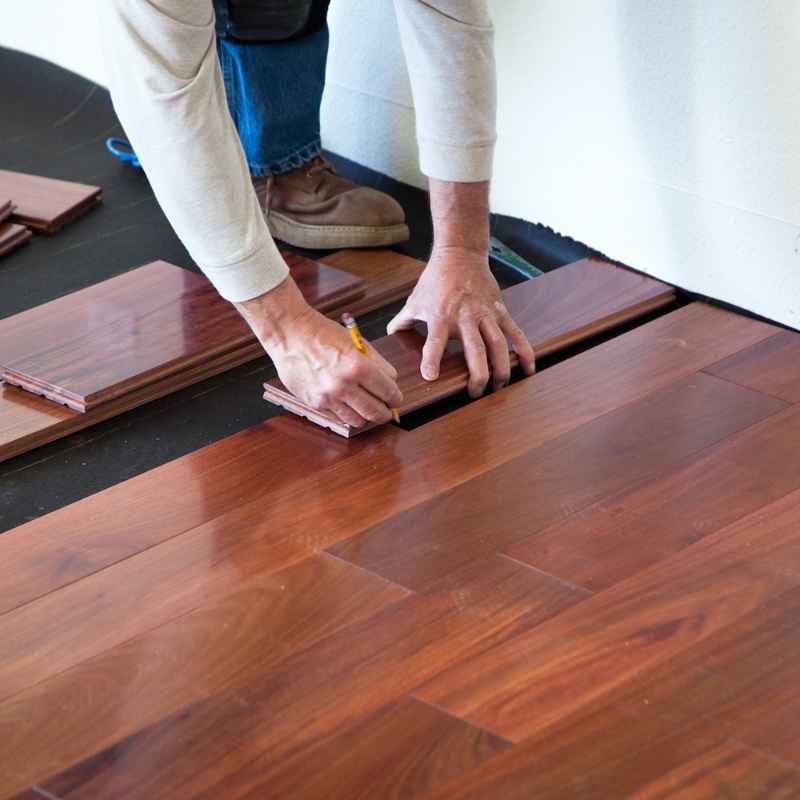
My Own Hardwood Floor Robot Vacuum Adventure
I remember the day I brought home my first robot vacuum. My house has beautiful, old hardwood floors throughout. I was so excited!
I thought it would be the end of my daily sweeping. I put it on the charger, pressed the button, and watched it go. It whirred around, bumping into chair legs with surprising force.
It seemed to get stuck under the sofa constantly. And the biggest disappointment? It was just pushing the fine dust around.
It wasn’t actually picking it up.
I felt a bit defeated. I had spent good money on this gadget. It was supposed to make my life easier.
Instead, it felt like just another chore. I’d have to follow it around. I’d have to rescue it from under furniture.
And I’d still have to sweep the edges where it couldn’t reach. This wasn’t the effortless cleaning I’d dreamed of. I started to think maybe robot vacuums just weren’t for hardwood floors.
Then, I did some more research. I learned that not all robot vacuums are created equal. Some are designed for carpets.
Others are better suited for hard floors. The key differences were in the brushes and the suction power. I needed one with soft brushes, or one that could turn them off.
I also needed strong suction to lift dust off the wood surface.
This led me on a journey to find the right machine. I read reviews. I watched comparison videos.
I even spoke to friends who had them. I discovered that modern robots are much smarter. They can map your home.
They can avoid obstacles better. They have specific modes for different floor types. It was a game-changer.
It showed me that finding the right tool was crucial.
Robot Vacuum Features for Hardwood
Gentle Brushes: Look for soft bristles. Some models have rubber brushes. Others let you turn brushes off completely.
This stops them from scratching.
Strong Suction: This is vital. It pulls dust and debris from the wood grain. Higher air watts (AW) usually mean better suction.
Edge Cleaning: Robots need to get close to baseboards. Side brushes help sweep dirt from edges into the path of the main vacuum.
Smart Navigation: Gyroscope, camera, or LiDAR mapping helps the robot clean in neat lines. It’s more efficient and less likely to get lost or stuck.
Floor Type Detection: Some robots can tell they are on hardwood. They adjust their cleaning mode. They might increase suction or change brush speed.
Choosing the Right iRobot for Your Hardwood
iRobot, the maker of Roomba, has many models. Not all are ideal for hardwood floors. Some focus more on carpets.
Others are built for mixed floor types. For hardwood, we want models that excel at picking up fine dust and debris. We also want them to be gentle on the wood finish.
iRobot has models with specific features that make them stand out for this task.
When looking at iRobot models, pay attention to the brush system. Newer models often feature dual multi-surface rubber brushes. These are designed to agitate dirt on all floor types.
They are also less likely to get tangled with hair. For hardwood, this design is excellent. It lifts debris without scratching.
Older models might have bristle brushes. These can sometimes push dust around or scratch delicate finishes.
Suction power is another big factor. iRobot’s high-end models, like the j series and s series, boast impressive suction. They call this their “Power Lifting Suction”.
This means they can pull up dirt that’s settled into the grooves of your hardwood. This is crucial for a deep clean. Cheaper models might not have enough power.
They’ll leave fine dust behind.
Navigation is also important. The most advanced iRobots use smart mapping technology. They learn the layout of your home.
They use sensors and cameras to navigate. This means they clean in efficient rows. They avoid obstacles like furniture legs.
This is much better than older models that just bumped around randomly. Random cleaning can miss spots. It can also lead to more dings on furniture.
Consider models like the Roomba j7+ or the Roomba s9+. These are often recommended for homes with a mix of floor types, including hardwood. They have strong suction.
They use advanced navigation. The j7+ is also known for its ability to avoid obstacles like cords and pet waste. This is a huge plus for busy homes.
The s9+ is iRobot’s premium model. It has incredible suction and a unique D-shape design.
The D-shape of the s9+ is designed to get into corners. Corners are often where dust collects. It allows the vacuum to get closer to walls.
This means it cleans more thoroughly along baseboards. For hardwood, where dust can settle in these areas, this is a significant advantage. It’s not just about raw power.
It’s also about design for complete coverage.
When you’re comparing models, check their specifications. Look for mentions of “hard floor performance.” Read reviews from other people with hardwood floors. This is where you find real-world experience.
Often, the higher-end models offer the best performance for delicate surfaces like hardwood. But sometimes, a mid-range model with the right features can also do a great job.
iRobot Series for Hardwood Floors: A Quick Look
Roomba s Series (e.g., s9+): Best for overall performance. Elite suction, unique D-shape for corners, advanced mapping. Can be pricey.
Roomba j Series (e.g., j7+): Excellent balance of features and value. Smart obstacle avoidance (pet waste, cords), good suction, decent navigation.
Roomba i Series (e.g., i7+): Solid mid-range option. Good mapping, decent suction, self-emptying base is a plus. Not as powerful as s or j series.
Roomba 600/800 Series: Budget-friendly but basic. Often use random navigation. May not be ideal for homes that need precise cleaning or very gentle touch.
Navigation is more than just moving. It’s about how the robot cleans your space. For hardwood floors, smart navigation is a must.
It prevents the robot from banging into walls. It also stops it from scratching furniture. Randomly moving robots can be a nightmare.
They miss spots. They can get stuck easily. They might even fall down stairs.
iRobot uses different navigation systems. Older models use something called “Smart Navigation.” This uses sensors. It helps the robot clean in straight lines.
It can cover more ground. Newer models use something called “vSLAM” or “vSLAM with Obstacle Avoidance.” This is like the robot having eyes. It uses a camera to map your home.
This camera system is brilliant for hardwood. The robot can learn where your sofa is. It knows where the dining table legs are.
It can clean around them smoothly. This means fewer bumps. It means less risk of scratches.
It also means a more thorough clean. The robot doesn’t waste time going over the same spot. It covers the floor in a planned way.
The obstacle avoidance on models like the j7+ is a true lifesaver. Imagine a charging cable on the floor. A less advanced robot might get tangled.
It could pull the cable and damage your electronics. The j7+ can spot these things. It steers clear of them.
This is huge for peace of mind, especially on hardwood where dropped items can be easily moved or damaged by the robot.
LiDAR navigation, used in some other brands and high-end iRobots, is also very effective. It uses lasers to create a detailed map. This map is incredibly precise.
It allows the robot to clean rooms one by one. You can even tell it to clean only the kitchen. This level of control is fantastic for homes with hardwood floors.
You can focus cleaning power where you need it most.
Without good navigation, a robot vacuum can become a nuisance. It might just push dirt around. It could get stuck under furniture and stop cleaning.
Or worse, it could damage your beautiful hardwood. Investing in a model with smart navigation is investing in effective, safe cleaning for your floors.
Surface Detection and Cleaning Modes
Different floors need different cleaning. Carpets need brushes that can dig in. Hardwood floors need gentle sweeping and strong suction.
Smart robot vacuums are designed to handle this. Many iRobot models have sensors. These sensors can detect the type of floor.
They then adjust their cleaning settings.
For hardwood, this means the robot might increase its suction power. It might also slow down its brushes. Or, in some cases, it might turn off brushes altogether.
This prevents the robot from scattering fine dust. It ensures that debris is lifted up, not pushed around. This feature is critical for maintaining the pristine look of hardwood.
Some iRobots have specific cleaning modes. You might see a “Hard Floor” mode. Or it might be part of the automatic detection.
This mode typically uses less aggressive brush action. It relies more on vacuum suction. This is perfect for hardwood.
It’s quiet. It’s effective. It doesn’t put unnecessary wear on your floors.
The self-emptying base is another feature that works well with hardwood. Hardwood floors can accumulate a lot of fine dust. This dust can quickly fill up a small dustbin.
A self-emptying base means the robot can empty itself into a larger bin. This reduces how often you need to handle the dust. It keeps the robot running efficiently for longer periods.
Think about how much dust your hardwood floors gather. It’s often a fine layer. This dust can get into the smallest cracks.
A robot that can detect the floor type will adjust to pick up this fine dust. It won’t just blow it around. This is what separates a good hardwood cleaner from a mediocre one.
Many newer Roomba models have an “Edge-Sweeping Brush.” This small brush spins. It reaches along walls and into corners. It sweeps debris towards the main cleaning path.
For hardwood, this is essential. Dust loves to gather along baseboards. This brush ensures that even those tricky spots are cleaned.
It adds to the overall effectiveness on wood.
Spotlight: Roomba j7+ Obstacle Avoidance
What it is: PrecisionVision Navigation uses a camera to detect common household obstacles like cords, pet waste, and shoes.
Why it matters for hardwood: Prevents the robot from getting stuck, dragging cords, or creating messes. This protects your furniture and floors from damage.
Real-world benefit: You can run it while you’re out. You don’t have to “robot-proof” your home by picking everything up. This is a huge time-saver.
iRobot Models Best Suited for Hardwood Floors
When you’re looking for an iRobot for your hardwood floors, some models consistently rise to the top. These models offer the best combination of gentle cleaning, powerful suction, and smart navigation. Let’s break down a few popular choices that excel in this area.
The Roomba s9+ is often considered the cream of the crop. Its unique D-shape allows it to get into corners and edges with impressive precision. It features iRobot’s most powerful suction.
This is fantastic for lifting dust from hardwood grains. Its Smart Maps feature lets you control where and when it cleans. It also has an auto-empty base.
This means you don’t have to empty the bin after every run. This is a big plus for keeping dust levels down.
Next up is the Roomba j7+. This model is a fantastic all-around performer. It’s known for its advanced PrecisionVision Navigation.
This means it can avoid common obstacles like charging cords and pet waste. This is crucial for hardwood floors. You don’t want the robot to tangle with something and drag it across your nice wood.
It also features dual multi-surface rubber brushes. These are great for hardwood as they don’t scratch and are good at picking up hair. The self-emptying base is also a great convenience.
The Roomba i7+ is another solid choice. It offers intelligent mapping. You can name rooms and tell the robot where to clean.
It has good suction power. It uses the same dual multi-surface rubber brushes as the j7+. While it might not have the extreme suction of the s9+ or the obstacle avoidance of the j7+, it’s still a very capable robot for hardwood floors.
The self-emptying feature makes it very hands-off.
For those on a tighter budget, the Roomba 694 or similar models in the 600 series can work. However, it’s important to set expectations. These models use more of a random navigation pattern.
They don’t map your home. They rely on sensors to bounce around. This means they can miss spots.
They might also bump into furniture more often. The suction is also less powerful than the higher-end models. If you have a smaller hardwood area and minimal debris, it might be okay.
But for a thorough, efficient clean, the higher-end models are superior.
When making your decision, consider your home’s layout. Do you have a lot of furniture? Are there many cords on the floor?
Do you have pets? The answers to these questions will help you pick the best iRobot. For most hardwood homes, investing in a model with smart mapping and good obstacle avoidance will pay off in terms of efficiency and floor protection.
Quick Comparison: Top iRobot Hardwood Picks
| Model | Key Hardwood Features | Best For |
|---|---|---|
| Roomba s9+ | D-shape for edges, max suction, smart mapping, self-emptying. | Deepest clean, best edge/corner coverage. |
| Roomba j7+ | Obstacle avoidance, dual rubber brushes, smart mapping, self-emptying. | Busy homes, pet owners, preventing cable tangles. |
| Roomba i7+ | Smart mapping, good suction, dual rubber brushes, self-emptying. | Balanced performance, room-specific cleaning. |
What About Mopping? Can iRobots Mop Hardwood?
This is a common question. Many people want a robot that can both vacuum and mop. iRobot has models that offer mopping.
The Braava jet series are dedicated mops. There are also some Roomba models that have a mopping function. However, it’s important to understand how these work on hardwood.
Some Roomba models, like the Braava jet m6, are designed to clean hard floors by mopping. They use a special cleaning solution. They spray a mist.
Then they wipe the floor with a pad. For hardwood, you need to be very careful about the solution you use. You also need to ensure the robot isn’t oversaturating the wood.
Too much water can damage hardwood finishes. It can cause warping or staining.
A robot mop like the Braava sprays and wipes without reclaiming the moisture, which is why oversaturation is the real risk. A manual wet vacuum for hardwood floors works differently — it vacuums the water back up in the same pass instead of leaving it to air-dry, which is a meaningfully lower-moisture approach on a sealed floor.
iRobot’s mopping robots usually have specific settings for different floor types. They can often detect if they are on a rug and avoid it. For hardwood, the key is that they use a damp cloth, not a soaking wet one.
They are more for “touch-up” cleaning. They are meant to maintain a clean floor between deeper cleans. They aren’t designed to tackle tough, dried-on stains.
If your main concern is dust and debris, a vacuum-only Roomba is likely your best bet. If you want the convenience of mopping, choose a model designed for it. Always follow the manufacturer’s instructions carefully.
Use only recommended cleaning solutions. And always test in an inconspicuous area first. This is especially true for older or more delicate hardwood floors.
For many people with hardwood, the best approach is a good robot vacuum for daily dust and debris. Then, they can do a manual damp mop or use a specialized hardwood floor cleaner when needed. This ensures the wood is protected.
It also means you get the best of both worlds: automated vacuuming and a controlled, safe mopping experience.
Some newer iRobot models are starting to integrate vacuuming and mopping more seamlessly. These can be convenient. But again, the emphasis should always be on gentle care for the hardwood.
Look for models that clearly state they are safe for sealed hardwood floors. And check for features that prevent excess water from being used.
Mopping on Hardwood: What to Know
Use the Right Robot: Not all robots can mop safely. Look for models specifically designed for hard floors.
Water is the Enemy: Hardwood hates too much water. Always use a damp pad, not a soaking one.
Use Approved Cleaners: Stick to manufacturer-recommended solutions. Never use harsh chemicals.
Sealed Floors Only: Ensure your hardwood is properly sealed. Unsealed floors are very vulnerable.
Manual Mop for Deep Cleans: Robot mops are for maintenance. A manual mop might be better for tougher jobs.
Maintaining Your iRobot and Hardwood Floors
Keeping your robot vacuum in top shape is important. This is especially true for hardwood. A well-maintained robot works better.
It’s also less likely to cause problems.
Empty the Dustbin: If your model doesn’t have a self-emptying base, empty the bin regularly. Fine dust from hardwood can fill it quickly.
Clean the Brushes: Hair and debris can wrap around the brushes. Gently remove anything caught there. For hardwood, you want the brushes to spin freely.
Check for damage. Replace if worn.
Wipe the Sensors: The robot’s sensors help it navigate. Dust can build up on them. Wipe them gently with a dry, soft cloth.
This keeps them working correctly.
Check for Scratches: After a cleaning run, quickly look at your hardwood. Do you see any new scratches? If so, inspect the robot’s brushes and wheels.
Something might be out of place. Or the robot might be too aggressive for your specific floor.
Deep Clean the Filters: Filters trap fine dust. Clean them according to the manual. A clogged filter reduces suction power.
This means less dirt gets picked up.
Software Updates: Keep your robot’s software updated. iRobot often releases updates. These can improve navigation and cleaning performance.
This is like giving your robot a brain boost.
Be Mindful of Finishes: Always know the type of finish on your hardwood. Is it sealed? Is it a polyurethane finish?
These are generally more robust. Older finishes or waxed floors might be more sensitive. If in doubt, stick to the gentlest settings.
Taking care of your robot ensures it takes care of your floors. It’s a partnership. A little bit of maintenance goes a long way.
It helps your investment last longer. It also keeps your hardwood looking beautiful.
Frequently Asked Questions About iRobots and Hardwood
Can a Roomba scratch hardwood floors?
Generally, no. iRobot models designed for hard floors use soft rubber brushes or have options to disable bristle brushes. Their navigation systems are also designed to avoid bumping forcefully into furniture.
However, very delicate or older floor finishes might be more susceptible to minor scuffs from any moving object. Always check your specific model’s features and reviews for hardwood users.
What is the best iRobot for picking up pet hair on hardwood?
Models with strong suction and dual multi-surface rubber brushes are best. The Roomba s9+ and j7+ are excellent choices. The dual rubber brushes are great at agitating and lifting pet hair from hardwood surfaces without tangling as much as bristle brushes.
Their powerful suction ensures the hair is pulled into the dustbin.
Do I need to prepare my hardwood floors before a Roomba runs?
For most modern iRobot models with good navigation, extensive preparation isn’t needed. However, it’s wise to pick up small, easily moved items like charging cords or small rugs. This prevents the robot from getting stuck or dragging them.
Ensure large furniture legs are stable. This reduces the chance of minor cosmetic damage.
Can I use a Roomba on waxed or oiled hardwood floors?
It is generally not recommended to use most robot vacuums, including iRobots, on waxed or oiled hardwood floors. These floor finishes are softer and more prone to damage from the movement and brushes of a robot vacuum. Stick to sealed polyurethane finishes.
If you have waxed or oiled floors, manual cleaning is usually the safest option.
How often should I run my iRobot on hardwood floors?
For optimal cleanliness and to manage dust and allergens, running your iRobot daily or every other day is recommended for hardwood floors. This prevents dust from settling into the wood grain. If you have pets, daily runs are ideal for managing shedding.
What’s the difference between a Roomba and a Braava jet?
A Roomba is primarily a vacuum cleaner designed to pick up dry debris like dust, dirt, and hair. A Braava jet is a robot mop designed to clean hard floors using water and a cleaning pad. Some Roomba models can vacuum and mop, but a dedicated Braava jet offers more specialized mopping capabilities.
Final Thoughts on iRobot for Your Hardwood
Keeping your hardwood floors looking their best can be a challenge. But with the right tools, it becomes much easier. iRobot offers a range of vacuums that can be great partners in this task.
By understanding what features matter most—gentle brushes, strong suction, and smart navigation—you can choose a model that works for your home. Investing in a quality robot vacuum means less work for you. It also means more time to enjoy your beautiful, clean hardwood floors.