Is Apple Wood Good for Turning? (1,730 Janka + Crack Fix)
Apple wood is good for turning — its 1,730 lbf Janka hardness and tight, straight grain hold fine detail on the lathe. But its 10.1% tangential shrinkage rate causes internal stress cracks unless you seal the end grain with PVA glue right after cutting. This guide covers whether to turn it green or dry, how it stacks up against oak and maple, and why it’s safe for kitchen bowls.
Is Apple Good for Wood Turning?
Best End-Grain Sealer Pick
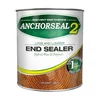
Anchorseal 2 End Grain Sealer (1 Quart) – $28.45
Brush onto freshly cut apple blank ends to slow moisture loss and prevent the stress cracking this guide’s shrinkage numbers point to.
- Best for: freshly cut apple bowl/spindle blanks before they dry
- Why we picked it: the standard sealer turners reach for to stop the 10%+ tangential shrinkage from splitting a blank
- Main drawback: needs a full coat on every exposed face, not just the ends, on a solid round
Compare more end-grain sealers and finishes
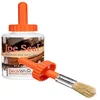 Option 1 DeckWise Ipe Seal (16 oz) – $34.95
|
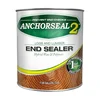 Option 2 Anchorseal 2 (1 Gallon) – $49.98
|
 Option 3 Howard Feed-N-Wax (4.7 oz) – $5.99
|
As an Amazon Associate we earn from qualifying purchases.
Yes — apple rates 1,730 lbf on the Janka hardness scale, harder than hard maple (1,450), white oak (1,360), black walnut (1,010), or cherry (950), according to The Wood Database. That density is exactly why turners prize it: it holds crisp beads, coves, and fine spindle detail that softer woods round over.
The tradeoff is shrinkage. Apple moves 5.6% radially, 10.1% tangentially, and 17.6% by volume as it dries — among the highest of common turning woods. That’s what causes the internal stress cracks turners run into on larger blanks. Seal the end grain with PVA glue (or a dedicated sealer) the moment you cut it, and keep your gouges sharp; apple’s density makes it prone to burning if you push a dull edge too hard. Stain and finish take evenly once turned, and the color runs from pale cream to pinkish-tan, giving finished pieces real contrast.
See our full comparison of wood species for turning, including real Janka hardness and cost per blank, for how apple stacks up against seven other options.
Should You Turn Apple Wood Green or Dry?
Most turners rough-turn apple green, then let the rough-turned blank dry before finish-turning. Turning fully dry apple first is harder on tools and more likely to crack the piece outright, since the wood has already locked in stress from that 10%+ tangential shrinkage before you’ve relieved it by removing material.
Rough-turn the piece to roughly 10% of its final wall thickness, seal it (a paper bag or shavings works if you don’t have sealer on hand), and let it dry for several weeks to a few months depending on thickness before finish-turning to final dimensions. Skipping the rough-turn step and hoping a solid green blank dries evenly is the single most common reason apple bowls develop full-thickness cracks.
How Long Does Apple Wood Take to Dry for Turning?
A rough-turned apple blank typically needs 2-8 weeks to stabilize enough for finish-turning, while a solid, unturned log or slab can take six months to two years to air-dry fully, depending on thickness and climate. Thinner rough-turned walls dry far faster than a solid round precisely because there’s less mass for moisture to travel through.
Wood cut from the trunk dries more evenly and holds up better on the lathe than branch wood, which runs brighter in color but is less structurally sound and more prone to warping as it dries. If you’re choosing between pieces, favor trunk sections for anything load-bearing or large.
“Internal stress cracks are common during turning, and substantial tangential shrinkage occurs post-turning in dried wood.”
— The Wood Database, Apple species profile
Is Apple Wood Safe for Turned Bowls and Utensils?
Yes, apple is non-toxic and widely used for turned bowls, spoons, and cutting boards once it’s fully dry and finished with a food-safe oil or wax. Its tight, closed grain also resists absorbing food odors and moisture better than more open-grained hardwoods. Fully cure and finish any piece intended for food contact before use — a food-grade mineral oil or beeswax conditioner works well on the finished surface.
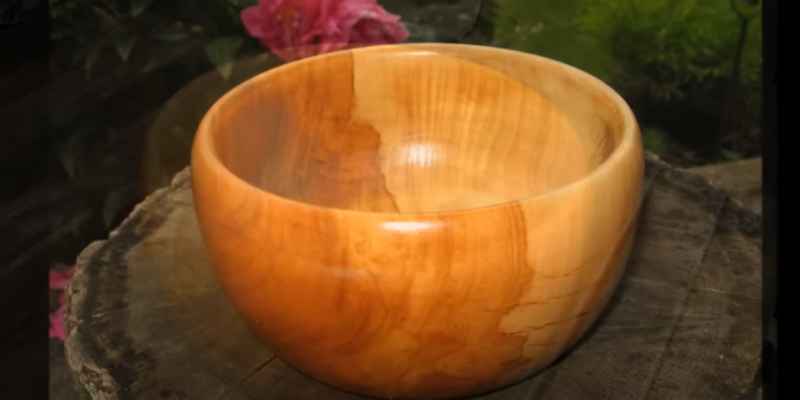
Apple Wood vs Other Turning Woods
| Wood | Janka Hardness (lbf) | Best For |
|---|---|---|
| Apple | 1,730 | Fine detail, small specialty pieces |
| Hard Maple | 1,450 | Bowls, utility turning, easier drying |
| White Oak | 1,360 | Outdoor items, open grain for staining |
| Black Walnut | 1,010 | Beginners, easier to turn and finish |
| Cherry | 950 | Beginners, warm color that darkens with age |
Apple’s extra hardness over maple and oak buys sharper detail but costs you drying time and tool wear. If you’re newer to turning, practice on walnut or cherry first — softer, cheaper woods forgive more mistakes while you build technique, then move to apple once you’re comfortable managing a dense, crack-prone blank. For a side-by-side of every species with real Janka numbers, see our complete types of wood guide.
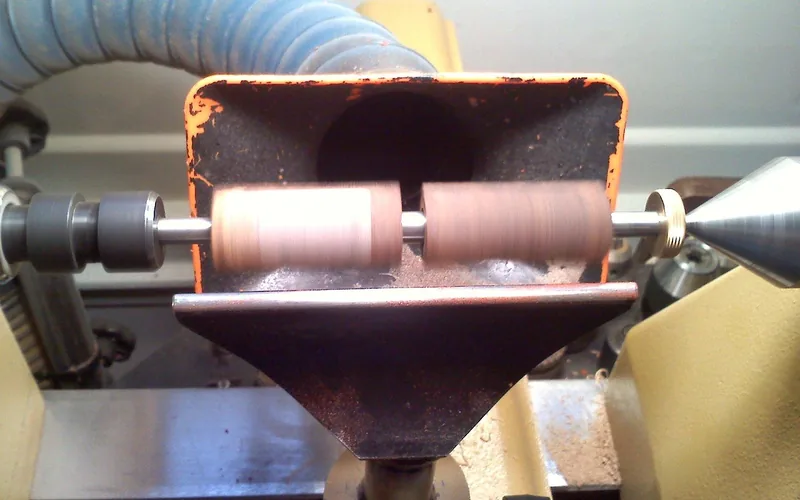
What Else Is Apple Wood Good For?
Beyond turning, apple wood is used for fine furniture, tool handles, mallet heads, carving, and small specialty objects, according to The Wood Database. It’s rarely sold as dimensional lumber — most apple comes from orchard trees taken down for age or disease, so pieces are usually small and irregular rather than long, straight boards. That scarcity is also why apple runs more expensive than mainstream hardwoods when you can find it at all.
Apple Wood for Smoking
Apple is also a popular smoking wood, prized for a mild, slightly sweet smoke that pairs well with pork, poultry, and fish. If you’re processing an orchard tree, the offcuts too small or twisted for turning make good smoking chips — nothing needs to go to waste.
Frequently Asked Questions
How hard is apple wood on the Janka scale?
Apple rates 1,730 lbf on the Janka hardness scale, according to The Wood Database. That’s harder than hard maple (1,450), white oak (1,360), black walnut (1,010), and cherry (950) — among the densest woods commonly used for turning.
Why does apple wood crack during turning?
Apple shrinks up to 10.1% tangentially as it dries, one of the highest rates among common turning woods. That uneven shrinkage between the tangential and radial directions builds internal stress that shows up as cracks unless you seal the end grain immediately after cutting and rough-turn before the wood dries fully.
Is apple wood good for carving too?
Yes. Apple’s fine, tight grain holds crisp detail for hand carving the same way it does on the lathe. See our full breakdown of apple wood for carving for tool recommendations and grain-direction tips specific to hand work.
Can you use apple wood for smoking food?
Yes, apple is one of the most popular fruitwoods for smoking, giving a mild, slightly sweet flavor that works well with pork, poultry, and fish. It’s a good way to use offcuts too small or irregular for turning or carving.
Conclusion
Apple wood is a good choice for turning: it’s hard, dense, and holds fine detail on the lathe better than most common hardwoods. The tradeoff is high shrinkage and a real risk of stress cracks, so seal the end grain immediately after cutting, rough-turn green, and let it dry before finish-turning. Do that, and apple’s tight grain and warm color make it worth the extra patience.
Sponsored / affiliate links. As an Amazon Associate I earn from qualifying purchases. I may earn additional commission from eligible campaigns.