Is Aspen a Good Firewood? Uncover the Burning Truth!
Aspen is not the best firewood for heat output, but it burns cleanly and produces less creosote. It’s suitable for quick fires and keeping chimneys clean.
Aspen firewood, derived from the quaking aspen tree, is often overlooked for its burning qualities. While it doesn’t generate high heat like dense hardwoods such as oak, it serves specific purposes well. Aspen’s low sap content makes it a cleaner-burning option, reducing creosote buildup in chimneys.
This characteristic is beneficial for maintaining chimney health. Its light weight and quick seasoning time make it an easy choice for spring and fall fires. Many find it suitable for campfires or as a supplemental wood alongside denser varieties. Understanding its benefits and limitations can help you make an informed decision for your firewood needs.
Aspen Firewood At A Glance
Aspen firewood has unique characteristics that make it appealing for many. It burns cleanly with low sap content, producing fewer sparks and less creosote. This quality helps keep chimneys safe and reduces the risk of fires.
In terms of availability, aspen wood is widely distributed. It is commonly found in the Rocky Mountain region. Many people can easily source aspen firewood at a reasonable price. While aspen does not produce as much heat as hardwoods like oak, it is still a good choice for specific needs.
Overall, aspen is a suitable option for those seeking a clean-burning firewood that helps maintain chimney health.
Burning Characteristics
Aspen firewood has specific burning characteristics that make it unique. Its heat output is relatively low compared to other hardwoods. It produces about half the heat of woods like oak. However, it burns cleanly, producing less smoke and creosote.
Low smoke production is one of Aspen’s benefits. This wood has a low sap content, meaning fewer sparks during burning. Less smoke also helps keep your chimney cleaner. Many people prefer Aspen for fireplaces and wood stoves because of these characteristics.
Environmental Impact
Aspen firewood has a notable environmental impact. It is considered a sustainable option for burning. This wood type grows quickly and can be harvested without harming the environment. Cutting down aspen trees helps promote new growth, making it a renewable resource.
In terms of emissions, aspen burns cleanly. It has low sap content, which means less creosote buildup in chimneys. This characteristic reduces harmful smoke and pollutants. Burning aspen is a great way to maintain a clean and efficient fireplace.
| Aspect | Details |
|---|---|
| Sustainability | Fast growth and easy to renew |
| Emissions | Low sap content, cleaner burning |
Comparative Analysis With Other Woods
Aspen firewood has some unique properties compared to other woods. For instance, oak is known for its high heat output. It burns longer and produces more heat than aspen. In contrast, aspen burns cleanly with less smoke. This makes it a good choice for chimney health.
Comparing aspen to pine, aspen has a lower sap content. This means aspen creates fewer sparks and less creosote, making it safer for fireplaces. Pine, while producing a good amount of heat, often leaves more residue. Thus, aspen is a cleaner burning option.
Practical Considerations
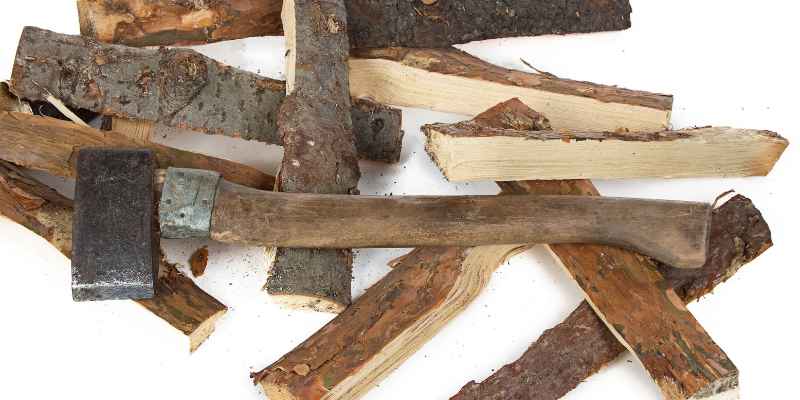
Aspen firewood is known for its ease of splitting. It has a straight grain, making it simple to chop. This characteristic is great for beginners and those with less experience. The wood is generally lightweight, which adds to its user-friendly nature.
Regarding seasoning time, aspen requires about 6 to 12 months to dry properly. This duration is shorter than many other hardwoods. Proper seasoning enhances the wood’s burning efficiency. Well-seasoned aspen burns cleanly, producing less smoke and creosote.
Burning aspen can help maintain a clean chimney. It is low in sap, reducing the risk of chimney fires. These traits make aspen a practical choice for many woodburners.
Safety And Maintenance
Aspen firewood is known for its low creosote production. This makes it a safer choice for burning. Creosote builds up in chimneys, which can lead to fires. Regular chimney cleaning is still necessary, even with aspen. Keeping the chimney clean helps maintain good airflow.
Burning wet wood increases creosote formation. Always use seasoned aspen wood for a cleaner burn. Aspen burns efficiently and produces less smoke. This helps in keeping the chimney healthier. A clean chimney reduces the risk of fires and keeps the home safe.
User Experiences
Aspen is often praised for its use in campfires. Many users find it easy to light and maintain. The wood burns clean, reducing the risk of creosote buildup. This makes it a safer choice for chimneys.
While Aspen doesn’t produce as much heat as other woods, it serves well for a cozy fire. Users appreciate its low sap content, which minimizes sizzling and sparking. It can be a great addition to a mixed wood fire.
For heating efficiency, Aspen burns at a lower temperature but still delivers a pleasant flame. Many prefer it when looking for a wood that is gentle on the environment and easy to work with.
Final Verdict
Aspen firewood has its advantages and disadvantages. It burns clean and produces less smoke, making it ideal for fireplaces. Its low sap content means fewer sparks and creosote buildup. However, it generates about half the heat of denser woods like oak.
For those looking for efficient firewood, aspen might not be the best option. It can work well for campfires or as a supplement to other hardwoods. Aspen is also easier to split due to its straight grain.
| Pros | Cons |
|---|---|
| Burns clean | Low heat output |
| Low sap content | Not suitable for structural use |
| Good for campfires | Underutilized in some regions |
Frequently Asked Questions
Does Aspen Wood Clean Chimneys?
Aspen wood can help clean chimneys. It burns cleanly with low resin content, reducing creosote buildup. This makes it a suitable choice for maintaining chimney health. While it may not produce high heat, its cleanliness benefits outweigh this drawback.
Can I Burn Aspen In My Fireplace?
Yes, you can burn aspen in your fireplace. It has a low sap content, burns cleanly, and produces minimal sparks and creosote. While it generates less heat than some hardwoods, it’s suitable for quick fires and helps keep your chimney clean.
What Are The Cons Of Aspen Wood?
Aspen wood has several cons. It burns quickly, producing less heat than hardwoods. Its low density makes it less durable for structural uses. Aspen can warp over time, affecting its appearance. Additionally, it’s prone to insect infestations, which can compromise its integrity.
Is Aspen Or Pine Better For Firewood?
Aspen is better for clean burning, producing less creosote. Pine burns hotter but contains more resin, leading to chimney buildup. Choose aspen for a cleaner fire and less maintenance. For heat, pine may be preferable. Each has its benefits depending on your needs.
Conclusion
Aspen can be a suitable choice for firewood, especially for those seeking a cleaner burn. Its low resin content helps reduce creosote buildup in chimneys. While it may not produce as much heat as other hardwoods, it serves well for quick fires and is easy to split.
Consider adding aspen to your firewood collection for a balanced approach.