Is It Safe to Burn Wood with Fungus? A Simple Guide
Thinking about burning wood with fungus? It’s a common question, especially for those new to using wood for fires. Maybe you’ve seen mold or mushrooms on your firewood and wondered if it’s safe to use. You’re not alone! Many people worry about health risks and what might happen when wood with fungus gets burned. This can be tricky, but don’t worry.
This guide will help you sort it out step-by-step. Let’s explore how to make the best decisions about burning wood, so you can stay safe and informed. First, let’s look at why Is It Safe to Burn Wood with Fungus?
What You Need to Know About Fungi in Firewood
Fungi are a normal part of the process when wood breaks down. They’re like nature’s recyclers, helping dead trees return nutrients to the soil. But, when it comes to burning wood in your fireplace or stove, the presence of fungi can bring up some questions. It’s important to know what kind of fungi are on your wood and what could happen when you burn it. Some fungi are harmless, others can create smoke that can cause some problems. Explore how to identify the fungi and how to know if the wood is okay to burn.
Types of Fungi Commonly Found on Firewood
Many kinds of fungi can appear on firewood. These fungi can look like mold, mushrooms, or other growths on the wood’s surface. Not all fungi are dangerous, and some might even be present without being obvious. It’s key to identify the specific type of fungus to figure out its impact. Some fungi only cause minor problems and others can release spores or chemicals into the air when burned, causing health problems. Learning to tell the difference is a good idea to know if burning the wood is okay.
- Mold: Mold often appears as fuzzy patches in many different colors on the wood’s surface. It’s generally a sign that the wood is damp and beginning to break down. Burning wood with mold can release mold spores into the air, which can be an irritant for people with allergies or asthma.
- Mushrooms: Mushrooms are the visible fruiting bodies of certain fungi that grow on wood. They can range in size and color, from small button mushrooms to larger shelf fungi. When burned, mushrooms can produce different byproducts depending on their species. Always be careful about what comes from the smoke.
- Wood Decay Fungi: These fungi are often the most destructive, breaking down the wood’s structure from the inside. They may not always be visible on the surface, but can weaken the wood, making it less efficient to burn. They also might release different compounds when burned, leading to more smoke and potential health hazards.
A good understanding of the different types helps you assess the risks of burning wood. When deciding, keep in mind that the health of anyone nearby matters. Taking the time to explore the fungi on your wood is a step in protecting you and your family.
How Fungi Affect Wood Combustion
Fungi can significantly change the way wood burns. Fungal growth can change the wood’s moisture content, the wood’s internal structure, and what it releases when burned. The presence of fungi can make the wood harder to light, make more smoke, and create smells. These changes can reduce the efficiency of your fireplace or stove and raise the chance of health hazards. Learning how the fungus impacts the burn helps in deciding whether the wood is safe and suitable for burning. Think about the burn’s quality and any health problems when making your choices.
- Moisture Content: Fungi need moisture to grow. As they live in the wood, they make the wood absorb and hold more water. Wood that has more water is harder to light, burns less well, and makes more smoke.
- Structural Changes: Some fungi break down the wood’s structure, making it less dense. This can change how the wood burns, leading to an irregular burn and the production of more smoke and soot.
- Chemical Compounds: Fungi can change the chemical make-up of wood. Some fungi release chemicals that produce strong, maybe harmful, smells and release byproducts when burned. These byproducts can include mold spores and toxins.
Consider the effects of fungi on combustion to make sure that the wood burns cleanly and safely. Choosing to use drier, fungal-free wood will improve the burn’s quality and lower risks to health.
Health Risks of Burning Fungus-Infested Wood
Burning wood with fungus can lead to health problems. The smoke from burning such wood can carry spores, toxins, and other things that can cause irritation, allergies, or more serious problems. Understanding these health risks is a key part of protecting yourself and others when using firewood. You can make informed choices to protect yourself, your family, and others. Taking these things into account means you take your health seriously.
Respiratory Irritation and Allergic Reactions
The smoke from burning wood with fungi can irritate your breathing and cause allergic reactions. Mold spores and other airborne particles released during burning can trigger asthma attacks and other conditions. It is important to know the signs of respiratory irritation and allergic reactions to be able to respond quickly. Being aware of the risks is a step towards making safe choices about firewood.
- Mold Spores: Burning mold-covered wood releases mold spores into the air. People who are allergic to mold may have reactions such as sneezing, coughing, runny nose, or a sore throat. For some, these spores can trigger asthma attacks.
- Irritants: The smoke can contain other irritants that cause your eyes, nose, and throat to itch and become irritated.
- Vulnerable Groups: Children, the elderly, and those with existing respiratory conditions like asthma or COPD are especially at risk.
Consider the health of everyone nearby when burning wood. Taking these things into account will make the environment around the fireplace or stove safer.
Potential for Toxic Fumes and Byproducts
Certain fungi can release toxic fumes and other byproducts when burned. These substances can be dangerous when inhaled and can affect your health. Being aware of the possible hazards is a step towards ensuring your safety. Knowing the risks involved lets you make informed decisions about the wood you burn.
- Toxins: Some fungi produce toxins that remain even after the wood is burned. Breathing in these toxins could be a source of serious health problems over time.
- Carbon Monoxide: Poor combustion (often due to wet or fungus-infected wood) can increase carbon monoxide production, a colorless, odorless gas that’s deadly.
- Other Harmful Particles: The smoke can also contain other particles, like fine particulate matter, that can go deep into your lungs and cause health problems.
To reduce the chance of exposure, explore the wood before you use it and keep your chimney clean. These actions can help protect you from breathing in harmful fumes.
Identifying and Assessing Fungus in Firewood
Finding the fungus in firewood is a key part of safely using wood for burning. Identifying the type of fungus present and measuring the degree of infestation will help you decide if the wood is safe. Making sure of these things can help you protect yourself from potential health risks. Knowing the look of different fungi and knowing how to evaluate the wood are skills for any homeowner.
Visual Inspection and Identification of Fungal Species
A careful visual inspection can help you spot fungi in firewood. Learning to identify the main types of fungi can help you determine the level of risk. Pay attention to the look of the fungal growths on the wood to determine whether it is safe for burning. A close look can help you make a smart decision.
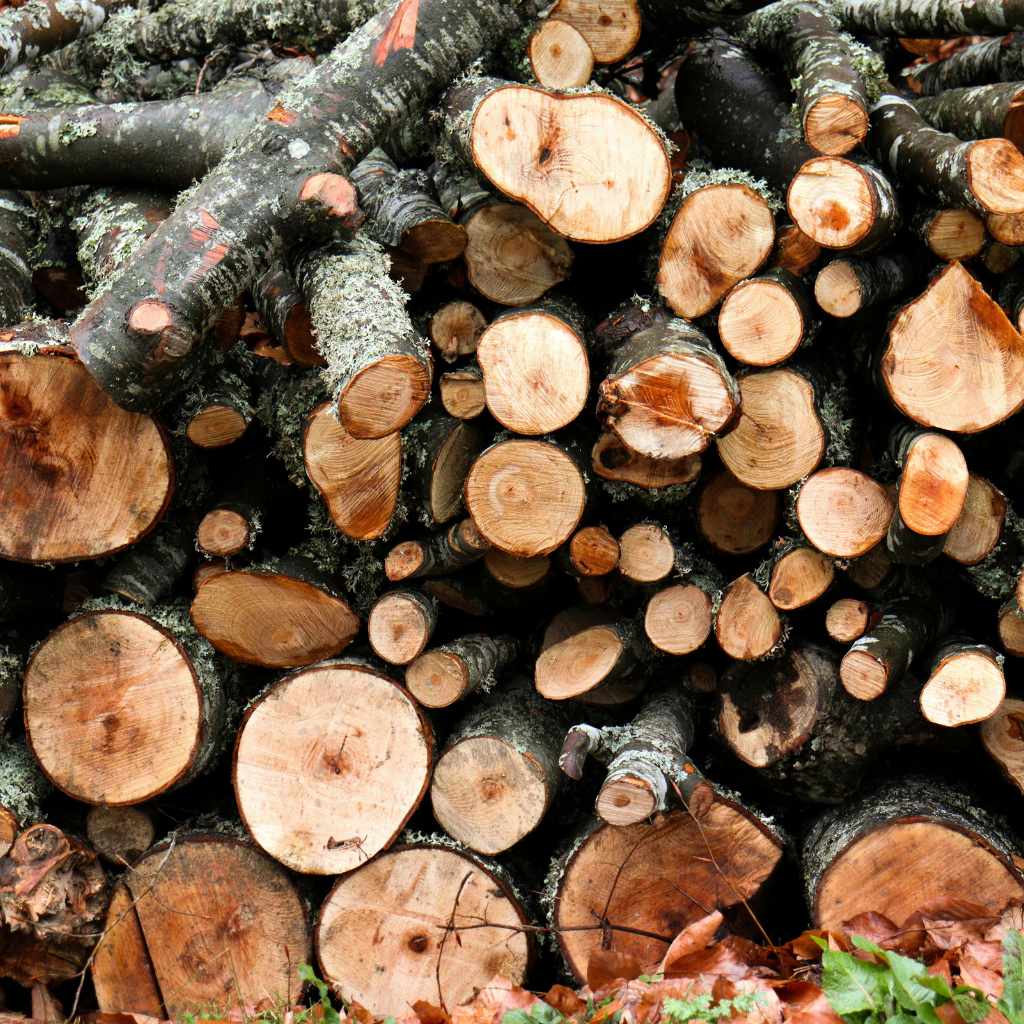
- Look for Visible Signs: Watch out for mold (fuzzy patches in many colors), mushrooms (visible fruiting bodies), and other strange growths on the surface. These are clear signs of fungal activity.
- Color and Texture: The color of the fungal growth can give you a clue. For example, some molds are green, black, white, or red. The texture can also tell you about the fungus.
- Smell Test: Sometimes, you can smell a musty or moldy odor from wood with fungal problems. This can give you an early warning.
Combining visual inspection with other steps, like testing moisture content, can help you make a good decision about the firewood’s safety.
Moisture Content and Wood Condition Assessment
Measuring the moisture content and inspecting the condition of the wood are steps for figuring out if it is safe to burn. Moisture content and the condition of the wood affects how the wood burns and how much smoke and pollutants are released. Using these methods, you can assess the health of the wood, its burning efficiency, and any potential health risks. Being careful with these things is a great way to make smart choices.
- Using a Moisture Meter: A moisture meter will tell you how much water is in the wood. Wood should ideally have a moisture content of less than 20% before burning. Higher moisture levels usually mean more smoke and less efficient burning.
- Checking for Decay: See if the wood is easy to break or if it has any soft spots. If so, it might be heavily infested with wood-decaying fungi.
- Examining the Bark: Check if the bark comes off very easily. This can be a sign that the wood is starting to rot and be breaking down because of fungi.
Testing for moisture and checking the wood’s health helps in a complete risk assessment. This is an important step in making a choice about whether to burn the wood.
Safe Practices for Handling and Burning Potentially Infected Wood
Even if you find wood with fungi, there are ways to manage it safely to reduce any health risks. It’s about knowing how to handle the wood and how to burn it to protect yourself and others. Using these safe practices helps you enjoy a fire without having to worry.
Safe Handling and Storage of Firewood
How you handle and store firewood affects your health and safety. Good handling stops the spread of spores and other particles, while proper storage keeps the wood dry and helps stop further fungal growth. Paying attention to safe handling and storage makes the whole process safer.
- Wear Protective Gear: When handling wood with fungus, put on gloves, a dust mask, and eye protection. This can lower your chance of getting irritated by spores.
- Proper Storage: Store the firewood off the ground, covered, and in a place with good airflow. This can help the wood dry and slow the growth of fungi.
- Avoid Bringing Fungus Indoors: Don’t bring fungal-infected wood indoors until you’re ready to burn it. This prevents the spread of spores into your home.
These actions can help you avoid health problems and make the whole experience of using firewood better.
Best Practices for Burning Wood with Fungus
If you choose to burn wood with fungi, following safe burning practices is very important. These steps help reduce the amount of smoke and release of harmful particles. By using these practices, you can enjoy a fire while keeping risks as low as possible.
- Burn in a Well-Ventilated Area: Make sure your fireplace or wood stove is properly ventilated. This means that the smoke is taken away from your home.
- Maintain a Hot Fire: Burn the wood at a high temperature. This helps it burn completely and reduces the production of smoke and byproducts.
- Regular Chimney Inspection: Have your chimney inspected and cleaned every year. This will help prevent the buildup of creosote, a flammable substance that can cause chimney fires.
Taking care in handling and burning the wood allows you to enjoy a fire responsibly and with care.
Is It Safe to Burn Wood with Fungus?: Frequently Asked Questions
Question: Can burning wood with fungus cause a chimney fire?
Answer: Yes, burning wood with fungus can increase the risk of chimney fires. Wood that isn’t dried well will make more smoke, which causes creosote to build up in the chimney. This buildup can catch fire.
Question: Should I burn wood with mushrooms on it?
Answer: It’s best to avoid burning wood with mushrooms. Mushrooms are the fruiting bodies of fungi. Burning them can release spores and other byproducts that can cause health problems. It’s best to remove the mushrooms and discard the wood or let it dry well before burning.
Question: Can I treat wood with mold before burning it?
Answer: You can’t safely treat wood with mold to make it okay to burn. Treatments are not often effective and might release chemicals when burned. Your best option is to remove heavily moldy wood. Airing the wood out can help, but it’s best to use wood with less mold.
Question: What’s the best way to get rid of wood with fungus?
Answer: The best method is to move the wood. You can give it to someone who has a wood-burning stove or fireplace. You may also compost it (if the fungus is not very bad) or take it to a place that gets rid of yard waste. Do not burn heavily infected wood. Make sure you don’t burn it at all. It is best to avoid any health risks.
Question: How can I tell if my chimney is working right?
Answer: The first thing to consider is how it pulls air, smoke, and any other pollutants out of your home. A good chimney draft will pull smoke up and out of your house easily. If smoke comes back inside or lingers, you likely have problems with the chimney, the wood, or the way you’re burning the wood.
Final Thoughts
Knowing whether Is It Safe to Burn Wood with Fungus? is a matter of knowing your firewood and the potential risks involved. This involves understanding the different kinds of fungi you might find, how these fungi change wood, and how they affect the quality and safety of burning. You now have a better idea of how to look at the wood, how to test it, and what to do when you find signs of fungal growth.
Safe handling, right storage, and good burning practices will lower the risks of burning this type of wood. With these tips, you can explore the use of firewood while making sure you keep your health and safety in mind. Using firewood can be a warm and enjoyable experience.