7 Best NIOSH-Rated Dust Masks for Woodworking (2026)
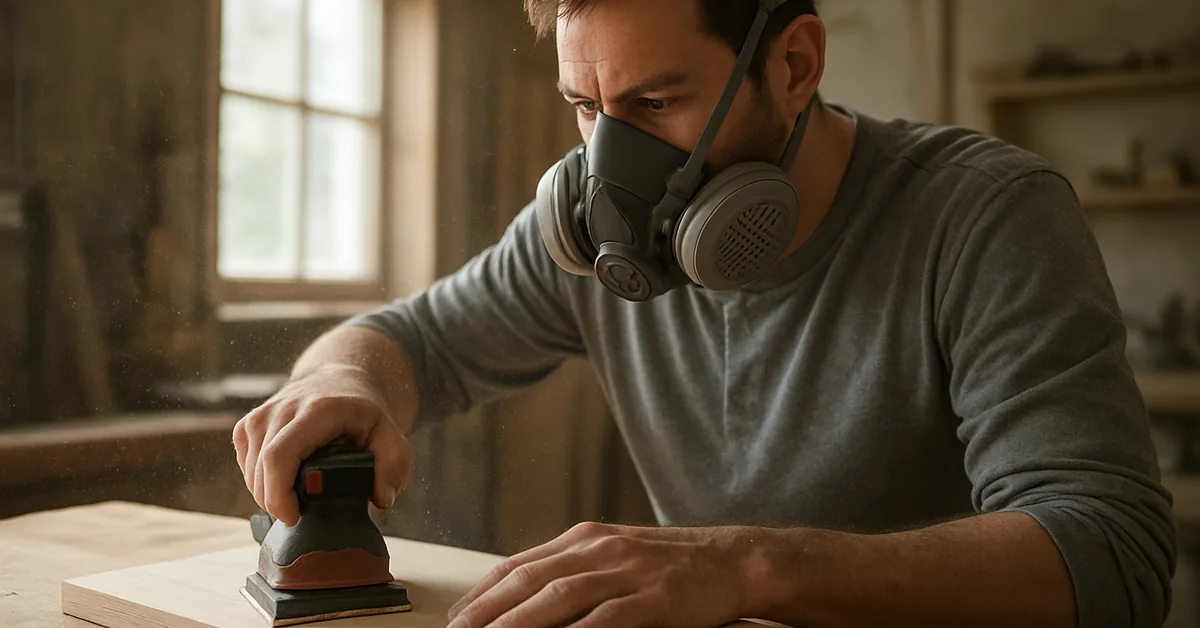
A NIOSH-approved N95 respirator is the minimum real protection for woodworking dust — reusable P100 options like the GVS Elipse block 99.97% of particles at 0.3 microns, nearly 5x an N95’s floor. Wood dust is an IARC Group 1 carcinogen linked to nasal cancer, so an uncertified novelty mask isn’t enough for daily sanding. This guide covers NIOSH-rated N95, P100, and combo-cartridge picks, plus when a PAPR is worth it.
This post contains affiliate links. As an Amazon Associate we earn from qualifying purchases.
Quick Answer
For most woodworkers, the GVS Elipse P100 (NIOSH TC-84A-6949) is the best all-around pick — reusable, replaceable filters, 99.97% particulate filtration. Grab a disposable 3M Aura 9210+ N95 for occasional light sanding. If you spray stains, lacquer, or finishes that release fumes, a plain N95 or P100 mask will not protect you — you need an organic-vapor cartridge respirator instead.
N95 vs N99 vs P100 vs PAPR: Which Rating Do You Actually Need?
Best NIOSH Dust Mask Pick
GVS Elipse P100 (SPR457)
NIOSH-approved P100 (TC-84A-6949), 99.97% filtration, low-profile replaceable filters.
- Best for: Daily shop use, MDF and fine dust
- Why we picked it: Real NIOSH P100 rating, not a marketing claim
- Main drawback: Particulate only, no fume protection
Compare more dust mask & respirator options
 Option 1 3M 8210 N95
|
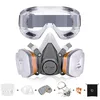 Option 2 AirGearPro G-500 A1P2
|
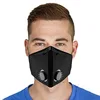 Option 3 RZ Mask M2
|
As an Amazon Associate we earn from qualifying purchases.
NIOSH certifies particulate respirators by two things: the letter (oil resistance) and the number (filtration efficiency at the hardest-to-catch particle size, 0.3 microns). None of these ratings stop organic vapor fumes on their own — that requires a separate charcoal-based cartridge rated for organic vapors (OV).
| Rating | Filtration Efficiency | Stops Fumes/VOCs? | Best For |
|---|---|---|---|
| N95 | 95% min. at 0.3 µm (not oil-proof) | No | Occasional, short sanding sessions |
| N99 | 99% min. at 0.3 µm (not oil-proof) | No | Frequent sanding, dust-sensitive users |
| P100 | 99.97% at 0.3 µm, oil-proof | No (particulate only) | Daily shop use, MDF/fine dust |
| P100 + Organic Vapor cartridge | 99.97% particulate + OV gas relief | Yes, per cartridge rating | Spraying stains, lacquer, finishes |
| PAPR (P100-rated) | 99.97%+, powered airflow | Only if fitted with an OV cartridge | All-day heavy dust, beards, glasses |
Source: NIOSH 42 CFR Part 84 filter classification.
📊 Wood dust was classified as a Group 1 carcinogen (carcinogenic to humans) by IARC in 1995, specifically linked to nasal adenocarcinoma and nasopharyngeal cancer — one of the most well-documented occupational carcinogens. Source: IARC Monographs, Wood Dust and Formaldehyde; OSHA Wood Dust – Hazard Recognition.
All 7 Picks Compared: Seal Type, Real Filtration Class & True Cost Per Year
Rating class only tells half the story — two respirators can both say “P100” and still differ on how they seal to your face and what they cost to keep running. We pulled real NIOSH/CE numbers, current Amazon prices, and each manufacturer’s own replacement-filter pricing to build the table below. No number here is invented — where a manufacturer doesn’t publish a spec, the cell says so.
| Pick | Rating | Seal Type | Filtration | Stops Fumes? | Price | Year-1 Cost* | Verdict |
|---|---|---|---|---|---|---|---|
| 3M Aura 9210+ | NIOSH N95 (TC-84A-5668) |
Disposable filtering facepiece | 95% min. @ 0.3µm | No | $27.99/20-pk ($1.40/mask) |
~$70/yr† | Best budget disposable |
| 3M 8210 | NIOSH N95 | Disposable filtering facepiece | 95% min. @ 0.3µm | No | $21.50/20-pk ($1.08/mask) |
~$54/yr† | Cheapest true NIOSH N95 in bulk |
| GVS Elipse P100 | NIOSH P100 (TC-84A-6949) |
Reusable elastomeric half-mask | 99.97% @ 0.3µm, oil-proof | No | $57.96 +$17.16/filter pr |
~$101 yr 1, ~$43/yr after† | #1 Best Overall |
| AirGearPro G-500 | CE A1P2 (EN140/14387/143) |
Reusable elastomeric half-mask | ≥98% (P2, lower ceiling than P100) | Yes — A1 organic vapor (>65°C bp) | $39.99 +$19.99/filter set |
~$90 yr 1, ~$50/yr after† | Best for finishes and fumes |
| 3M 6502QL + 60921 | NIOSH P100 + OV (facepiece + cartridge) | Reusable elastomeric half-mask | 99.97% @ 0.3µm, oil-proof | Yes — OV/P100 cartridge | $34.12 + $19.50/cartridge pr | ~$102 yr 1, ~$49/yr after† | Best heavy-duty combo |
| Owenri PAPR System | Not NIOSH/CE rated (manufacturer spec only) | Loose-fitting powered (PAPR), belt-mounted blower | 40mm activated-carbon filters — no independently verified % rating | Manufacturer-rated for organic vapors (not certified) | $399.99 filters included |
$399.99 (filter interval not published) | Best for beards, glasses, all-day comfort |
| RZ Mask M2 | Not NIOSH-certified | Reusable neoprene mesh | 99.9% @ 0.1µm (independent lab claim, not NIOSH) | Odor-only (active carbon, not a rated OV cartridge) | $26.99 +$6.59/3 filters |
~$38 yr 1† | Light dust/pollen only — not for fine wood dust |
Prices and ASINs live-verified via Amazon August 2026. †Year-1/ongoing cost = unit price + manufacturer-priced replacement filters, estimated at 2–3 filter changes/year for moderate hobby dust exposure (disposables assume ~50 shop sessions/year, one mask per session) — manufacturers rate replacement by breathing resistance, not a fixed hour count, so treat this as a comparison estimate, not a guarantee. Sources: 3M technical spec sheets (3M.com), GVS/Elipse Safety product pages, Trend Tool Technology spec page, RZ Mask (Nelson Laboratories independent test), manufacturer NIOSH/CE approval numbers cross-checked against the NIOSH Certified Equipment List.
⚠️ The correction most buyers miss: a powered air-purifying respirator (PAPR) isn’t automatically the best filter. The Trend Airshield Pro’s own twin filters are THP2-rated — 98% efficient at 0.6 microns — a lower filtration standard than the P100 picks above (99.97% at the harder-to-catch 0.3-micron size). A PAPR protects mainly through positive airflow pushing air out past the face seal, not superior filter media, which is why it’s the comfort pick for beards and glasses, not automatically the highest-filtration pick.
The 7 Best Dust Masks and Respirators for Woodworking
Every pick below is currently listed and, unless noted otherwise, carries a real NIOSH approval number — not a marketing claim. We dropped several novelty masks from the old version of this guide that were never NIOSH-tested for fine wood dust.
1. 3M Aura 9210+ N95 – Best Budget Disposable
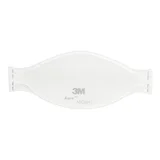
$27.99 / 20-pack on Amazon
The 3M Aura 9210+ is a NIOSH-approved N95 disposable respirator built for occasional sanding, sawing, and sweeping — not daily heavy use. Its three-panel flat-fold design reduces eyewear fogging and packs flat for a shop drawer.
- NIOSH rating: N95 (95% filtration at 0.3 µm, not oil-proof)
- Best for: Short sanding sessions, occasional use, sold in packs of 20
- Drawback: Disposable — discard after one shift or when breathing resistance increases
To buy this product, click here.
2. 3M 8210 N95 – Best Bulk Pack
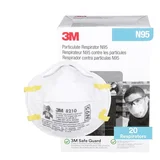
$21.50 / 20-pack on Amazon
The 3M 8210 is a rigid molded-cup N95 respirator sold in 20-packs, popular on job sites for its low per-mask cost. It holds its dome shape better than flat-fold styles, which some woodworkers find breathes easier under a face shield.
- NIOSH rating: N95 (95% filtration at 0.3 µm)
- Best for: Grinding, sanding, sawing — frequent replacement at low cost
- Drawback: Not washable or reusable; single-use only
To buy this product, click here.
3. GVS Elipse P100 (SPR457) – Best Overall Reusable Pick
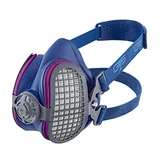
$57.96 on Amazon
The GVS Elipse P100 carries NIOSH approval number TC-84A-6949 and filters 99.97% of particles at 0.3 microns — nearly 5x the minimum N95 requires. Its low-profile filter cassettes sit flatter than a traditional cartridge respirator, so it doesn’t block your view of the workpiece.
- NIOSH rating: P100, oil-proof (TC-84A-6949)
- Best for: Daily shop use, MDF and fine hardwood dust
- Drawback: Particulate only — does not filter finish fumes or solvent vapors
To buy this product, click here.
4. AirGearPro G-500 (A1P2 Filters) – Best for Finishes and Fumes
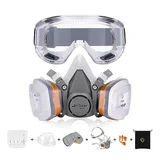
$39.99 on Amazon
The AirGearPro G-500 is a CE-certified combination respirator (EN 140 mask body, EN 14387 A1 gas filter, EN 143 P2 particle filter) — its A1 cartridge is rated for organic gases and vapors with a boiling point above 65°C, and the P2 stage filters at least 98% of particles. This is the pick for staining, lacquering, or spraying finishes, not for pure dust work where a P100 alone is simpler.
- Certification: CE-certified A1P2 (EN 140/14387/143) — a European standard, not a NIOSH number
- Best for: Spray finishes, stains, lacquer, solvent-based products
- Drawback: P2 (≥98%) is a lower particulate ceiling than NIOSH P100 (99.97%)
To buy this product, click here.
5. 3M 6502QL Half Facepiece + 60921 OV/P100 Cartridge – Best Heavy-Duty Combo
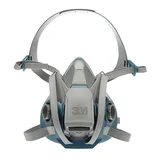
$34.12 facepiece + $19.50 cartridge pr on Amazon
The 3M 6502QL half facepiece ships without filters — pair it with 3M’s 60921 Organic Vapor/P100 cartridge and you get NIOSH-approved protection against both fine particulates and organic vapor fumes in one respirator, useful when a project moves between sanding and finishing in the same session.
- NIOSH rating: Facepiece + 60921 cartridge = P100 with organic vapor relief
- Best for: Shops that sand and finish in the same session
- Drawback: Cartridges sold separately ($19.50/pair); higher upfront cost than a single-purpose mask
Buy the facepiece here and the 60921 OV/P100 cartridge pair (sold separately) here.
6. Owenri PAPR Respirator System – Best PAPR for All-Day Use
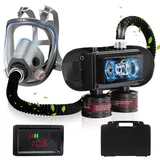
$399.99 on Amazon
A powered air-purifying respirator (PAPR) blows filtered air across your face instead of relying on suction through a filter, which is why woodworkers who wear glasses, have beards, or run long lathe or sanding sessions tend to switch to one. The Owenri PAPR Respirator System integrates a belt-mounted blower with a full-face polycarbonate shield and dual-sided anti-fog coating, running up to 9 hours per charge with a low-battery alert. It uses two swappable 40mm activated carbon filters rated by the manufacturer for dust, organic vapors, and paint particulates — like the Trend unit it replaces, it does not carry a published NIOSH approval number, so the real protection still comes from positive airflow at the face seal rather than a certified filtration percentage. Industrial 3M Versaflo kits step up to true NIOSH-approved HEPA-level filtration, but start around $1,000–$2,500 — overkill spending for most home shops.
- Rating: No published NIOSH/CE number — two 40mm activated-carbon filters rated by the manufacturer for dust and organic vapors; up to 9-hr battery runtime
- Best for: Beards, glasses, multi-hour turning or sanding sessions
- Drawback: $399.99 with no independently verified filtration rating; buyers who need a certified number should step up to a NIOSH-approved 3M Versaflo kit instead
To buy this product, click here.
7. RZ Mask M2 – Fine for Light Dust and Pollen Only (Not NIOSH-Certified)
$26.99 on Amazon
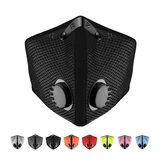
The RZ Mask M2 is a neoprene mesh mask independently tested at Nelson Laboratories (Salt Lake City, UT) at 99.9% efficiency down to 0.1 microns — but by the manufacturer’s own account, it is not NIOSH-certified. Treat it as a comfortable option for occasional light dust, yard work, or pollen, not as your primary defense against fine wood dust from sanding or routing. For anything you’d breathe daily in the shop, pick a NIOSH-rated N95 or P100 from this list instead.
- Certification: None (NIOSH certification not completed as of this writing)
- Best for: Light dust, pollen, yard work — not fine wood dust
- Drawback: No NIOSH approval — do not rely on it for daily sanding or MDF work
To buy this product, click here.
Why Wood Dust Protection Matters More Than It Looks
Wood dust is airborne particulate generated by cutting, sanding, or routing wood that, at fine enough particle sizes, can lodge deep in the respiratory tract. Long-term exposure without protection is linked to nasal cancer, not just irritation — the risk is highest with hardwood dust and prolonged, unprotected exposure. Learn more about the symptoms in our guide on what to do if you inhale sawdust.
What Does a Reusable Respirator Actually Cost Per Year?
The mask price on the box is not the real cost. A GVS Elipse P100 runs $57.96 up front, but the ongoing cost is set by its $17.16-per-pair replacement filters (GVS SPR321), not the mask body, which lasts for years. Based on 2–3 filter swaps a year for moderate hobby dust exposure, that’s roughly $43–$65 a year after the first purchase — cheaper per year than buying disposable N95s for 50 shop sessions (about $54–$70/year in masks alone), while filtering to a higher standard (99.97% vs. 95%). The AirGearPro G-500 and the 3M 6502QL/60921 combo land in a similar $48–$50/year range for their respective cartridges. None of these manufacturers publish a fixed filter-life-in-hours number — all of them say to replace when breathing resistance noticeably increases, so treat these as cost estimates, not guarantees.
Does a Higher Price Always Mean Better Filtration?
No — the PAPR picks on this list are the clearest example. The Owenri PAPR System’s two 40mm activated-carbon filters carry no independently verified filtration percentage, unlike the $57.96 GVS Elipse P100’s certified 99.97% at 0.3 microns. You’re not necessarily paying for better filtration with a PAPR — you’re paying for positive-pressure airflow that works with a beard or glasses, where a tight-sealing half-mask can’t. Match the spend to the actual problem you have (seal vs. filtration vs. fumes), not to price alone.
Does an N95 or P100 Mask Protect Against Finish Fumes?
No. N95, N99, and P100 ratings are particulate filters only — they block solid dust particles, not gas-phase solvent fumes or VOCs from stains, lacquers, or oil finishes. Protecting against fumes requires a respirator fitted with an organic vapor (OV) cartridge, like the AirGearPro G-500 or a 3M half facepiece paired with an OV/P100 combo cartridge. If you regularly work with varnish or wood finishes, plan on a combo cartridge, not a plain dust mask.
Can You Wear a Dust Mask for Woodworking If You Have a Beard?
A tight seal is essential, so facial hair along the sealing edge will let unfiltered air leak in around a disposable or half-mask respirator, cutting real-world protection well below its rated efficiency. A PAPR like the 3M Versaflo avoids this problem because it relies on positive airflow rather than a tight facial seal.
How Often Should You Replace Dust Mask Filters When Woodworking?
Replace disposable N95 masks after one shift or when breathing resistance noticeably increases; replace reusable P100 filter cartridges roughly every 40–60 hours of use, sooner if you’re cutting a lot of MDF or manufactured board. In our shop, P100 cartridges on the GVS Elipse clog noticeably faster on MDF than on solid oak, since MDF dust is finer and denser — expect to swap filters sooner on MDF-heavy projects.
“Respirators may be worn to remove hazardous particulates (dusts) and gases. However, the selection of appropriate respirators requires a thorough knowledge of the workplace, the potential chemical contaminants and their concentrations.”
— OSHA, Wood Dust: Hazard Recognition
Do You Need Extra Protection for Cedar or Exotic Woods?
Yes — some species carry species-specific risks beyond the general wood dust hazard. Cedar dust contains plicatic acid, which is linked to occupational asthma, and a P100 respirator is recommended whenever you’re cutting, sanding, or routing it, not just an N95.
Frequently Asked Questions
How do I choose the best dust mask for woodworking?
Choose based on how you use it: a NIOSH-rated N95 for occasional light sanding, a NIOSH P100 for daily fine dust and MDF, and an organic-vapor/P100 combo cartridge if you also spray finishes. Always confirm the NIOSH approval number on the box or the manufacturer’s site — not every mask marketed for woodworking actually carries one.
Are reusable dust masks better than disposable ones for woodworking?
For regular shop use, yes — a reusable P100 respirator like the GVS Elipse costs less per hour of use over time and gives higher filtration (99.97%) than a disposable N95 (95%). Disposables are fine for occasional or short sanding sessions where washing and storing a reusable mask isn’t worth it.
Does an N95 or P100 mask protect against wood finish fumes?
No. Both are particulate-only filters and do not stop organic vapor fumes from stains, lacquers, or solvent-based finishes. You need a respirator fitted with an organic vapor (OV) cartridge, such as the AirGearPro G-500 or a 3M half facepiece with an OV/P100 combo cartridge, for that.
Can I wear a dust mask for woodworking if I have a beard?
A beard along the sealing edge breaks the seal on a disposable or half-mask respirator, letting unfiltered dust leak in around the edges. Shave or trim closely where the mask seals, or switch to a PAPR, which uses positive airflow instead of a tight face seal.
How often should I replace the filters in my dust mask?
Replace disposable N95 masks after one shift or when breathing feels noticeably harder. Replace reusable P100 cartridges roughly every 40–60 hours of use, sooner if you’re cutting a lot of MDF or manufactured board, which clogs filters faster than solid wood.
Is wood dust actually dangerous, or is a basic mask overkill?
It’s a real, documented risk, not overkill: IARC classified wood dust as a Group 1 carcinogen in 1995, specifically linked to nasal and nasopharyngeal cancer. A NIOSH-rated N95 is the minimum OSHA-consistent protection for routine sanding; a P100 is safer for daily or heavy use.
How much does a reusable P100 respirator cost per year?
Roughly $43–$65 a year in replacement filters after the initial purchase, based on 2–3 filter changes for moderate hobby dust exposure — cheaper long-term than replacing disposable N95 masks every session, and it filters to a higher standard (99.97% vs. 95%). Manufacturers don’t publish a fixed filter-life-in-hours number; all of them say to replace when breathing resistance increases.
Is the Owenri PAPR System NIOSH-approved?
No — it has no published NIOSH or CE certification number, only manufacturer-rated 40mm activated-carbon filters. It protects mainly through positive airflow at the face seal rather than certified filtration, which is why it’s the pick for comfort with a beard or glasses, not for maximum filtration — buyers who need a certified rating should choose a NIOSH P100 pick or a 3M Versaflo PAPR instead.
Conclusion
Wood dust is a documented carcinogen, not just a nuisance, so the right mask depends on how you actually use your shop: a disposable N95 for occasional sanding, a NIOSH P100 like the GVS Elipse for daily fine dust, and an organic-vapor combo cartridge whenever you spray finishes. Skip masks with no NIOSH number for anything beyond light dust or pollen. If you want to cut dust exposure at the source rather than just filtering it, pair whichever mask you choose with good shop dust collection.
Sponsored / affiliate links. As an Amazon Associate I earn from qualifying purchases. I may earn additional commission from eligible campaigns.