Best Fine Cut Hand Saw: Top 10 Picks + TPI Guide (2026)
The best fine-cut hand saw has 11-15 TPI (teeth per inch) — more teeth mean a smoother cut but a slower stroke, which is why a 20+ TPI blade is overkill for most shop tasks. Using a coarse 6-8 TPI saw for joinery tears the wood fibers and leaves a rough edge that needs extra sanding. This guide covers what TPI actually controls, when to reach for a Japanese pull saw instead of a Western push saw, and our top picks for wood, plastic, and drywall.
Quick Answer
For most fine-cut work, an 11 TPI hardpoint hand saw handles wood, plastic pipe, and drywall in one tool. For joinery-level precision (dovetails, tenons, trim), a Japanese pull saw with a thinner blade gives a cleaner, more controlled cut than a Western push saw of the same TPI.
It features a sharp blade and ergonomic non-slip handle for easy and comfortable use. The fine-cut soft-grip hardpoint handsaw is perfect for sawing, trimming, and gardening tasks. When it comes to finding the right hand saw for your woodworking or DIY projects, it’s essential to consider the quality, precision, and comfort it offers — see our full woodworking saw guides for other saw types.
With a wide range of options available in the market, choosing the best fine-cut hand saw can be overwhelming. From Japanese flush cut saws to universal hand saws, each tool has its unique features and benefits. In this comprehensive guide, we’ll explore some of the top-rated fine-cut hand saws, highlighting their key attributes and how they can enhance your cutting experience. Whether you’re a professional woodworker or a DIY enthusiast, finding the perfect hand saw can make a significant difference in the quality and efficiency of your work.
What TPI Do You Need for a Fine Cut?
Best Fine Cut Hand Saw Pick
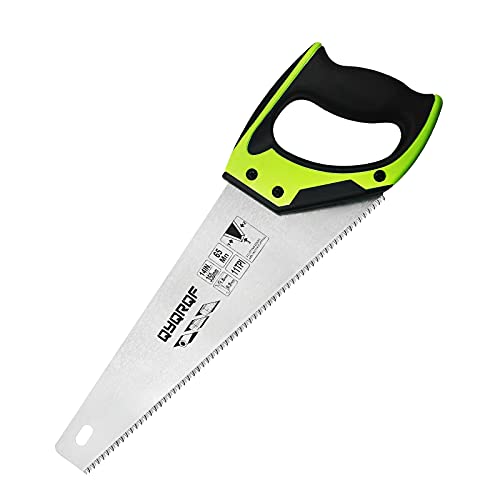
14 in. Pro Hand Saw, 11 TPI Fine-Cut Hardpoint
An 11 TPI hardpoint Western saw that handles wood, drywall, and plastic pipe in one blade — the most versatile single pick on this list.
- Best for: mixed-material cutting (wood, drywall, plastic pipe)
- Why we picked it: 11 TPI is fine enough for trim, coarse enough to still cut fast
- Main drawback: hardpoint teeth can’t be resharpened once dull
Compare more fine-cut hand saws
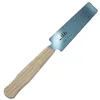 Option 1 — Japanese Pull Saw Suizan Japanese Flush Cut Saw, 120mm
|
 Option 2 — Double-Edge JORGENSEN SK5 Flush Cut Pull Saw, 18/25 TPI Double Edge
|
 Option 3 — Long Blade JORGENSEN 20-Inch Pro Hand Saw, 11 TPI Fine-Cut
|
As an Amazon Associate we earn from qualifying purchases.
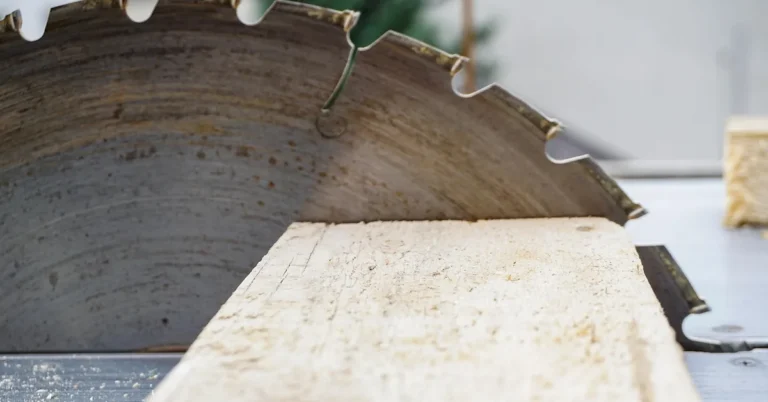
TPI (teeth per inch) counts how many teeth sit in one inch of blade. The rule is simple: more teeth per inch means a smoother, slower cut; fewer teeth means a faster, rougher one. A 7 TPI saw rips through a 2×4 quickly but leaves torn fibers, while an 11-15 TPI blade removes less material per stroke and leaves a clean edge — the range you want for trim, plastic pipe, and drywall patches.
📊 An 11-15 TPI blade is the standard range for fine, controlled cuts — general-purpose saws run 7-15 TPI, and going above 15 TPI mostly slows the cut without adding visible smoothness for hand tools. Source: Wonkee Donkee Tools, TPI guide
Japanese Pull Saw vs. Western Push Saw
Western saws cut on the push stroke, which works the blade away from you and requires a thicker blade to resist buckling. Japanese saws (like the Suizan and SK5 picks below) cut on the pull stroke, which keeps the blade in tension — that lets the steel be ground much thinner, so it removes less wood and tracks a knife line more precisely. The tradeoff: pull saws are more fragile if twisted sideways and take a little practice to start a cut cleanly.
“A dozuki saw outperforms its Western counterpart on almost every measure that matters for joinery.”
For trimming dowels, plugs, and other proud joinery flush to the surface, a specialty flush-cut saw takes this pull-saw geometry a step further, with teeth ground to zero set so the blade rides flat against the wood without scratching it.
More Fine-Cut Hand Saw Options
The four saws above cover the most common needs. If none fit your project, here are six more real, currently-listed options with their key specs so you can compare at a glance.
| Saw | Type | TPI | Length | Best For |
|---|---|---|---|---|
| SUIZAN Japanese Pull Saw | Japanese pull (dozuki) | — | 9.5 in. | Ultra-fine dovetail/tenon joinery |
| SS SHOVAN Double Edge | Japanese pull | 11/17 TPI | 12.2 in. | Intricate detail cutting |
| HAUTMEC Universal Hand Saw | Western crosscut | 11 TPI | 14 in. | Wood, laminate, plastic |
| Hanpex Pro Hand Saw | Western crosscut | 11 TPI | 14 in. | General sawing, trimming, gardening |
| Jorgensen 20-Inch Pro | Western crosscut | 11 TPI | 20 in. | Longer rip/crosscut runs |
| Jorgensen 15-Inch Pro | Western crosscut | 8 TPI | 15 in. | Faster general cutting |
Frequently Asked Questions
What Is A Fine-cut Hand Saw?
A fine-cut hand saw is a type of saw with a sharp blade that has closely spaced teeth. It is designed for cutting wood, drywall, plastic pipes, and other materials with precision.
How Do I Choose The Right Hand Saw?
To choose the right hand saw, consider the type of material you will be cutting, the size of the saw, the number of teeth per inch, and the grip style. A fine-cut hand saw is ideal for cutting wood, plastic pipes, and drywall with precision.
What Are The Benefits Of Using A Fine-cut Hand Saw?
A fine-cut hand saw offers several benefits, including precision cutting, smooth finishes, and the ability to cut through a variety of materials. It is also easy to use and does not require a power source.
Can A Fine-cut Hand Saw Be Used For Gardening?
Yes, a fine-cut hand saw can be used for gardening to prune trees, bushes, and other plants. It is also useful for cutting through thick branches and stems.
How Do I Maintain My Fine-cut Hand Saw?
To maintain your fine-cut hand saw, clean the blade after each use, sharpen it regularly, and store it in a dry place. You can also use a lubricant to prevent rust and keep the blade sharp.
What Does TPI Mean On A Hand Saw?
TPI stands for teeth per inch. A higher TPI (11-15) cuts slower but leaves a smoother, more precise edge; a lower TPI (6-8) cuts faster but tears the wood fibers and leaves a rougher finish. Pick higher TPI for trim and joinery, lower TPI for rough framing cuts.
Is A Japanese Pull Saw Better Than A Western Saw For Fine Cuts?
For joinery-level precision, yes. A Japanese pull saw’s thinner blade removes less material and tracks a line more accurately than a Western push saw of the same TPI. For general-purpose cutting of mixed materials, a Western hardpoint saw is more durable and needs less technique to use well.
Conclusion
TPI is the single spec that matters most for a fine cut: 11-15 TPI handles wood, drywall, and plastic pipe with a clean edge, while a Japanese pull saw earns its keep on joinery work where a knife-line cut matters more than raw speed. The 14 in. Pro Hand Saw covers the widest range of materials in one tool, but if your work is mostly dovetails and trim, the Suizan Japanese pull saw is worth the switch. A saw is only one piece of the kit, though — see our full guide to hand-held wood cutting tools for how it pairs with chisels and a block plane.
Sponsored / affiliate links. As an Amazon Associate I earn from qualifying purchases. I may earn additional commission from eligible campaigns.