Is Japanese Maple Hardwood or Softwood Explained?
Many people wonder, Is Japanese Maple a Hardwood or Softwood? This question pops up a lot, especially if you’re new to gardening or working with wood. It can seem a little tricky because trees are often categorized in ways that aren’t always obvious. Don’t worry though, we’re going to clear this up super simply.
We’ll go step-by-step so you’ll know exactly where Japanese Maple stands. Let’s find out what kind of wood this beautiful tree provides.
Understanding Wood Types Hardwood vs Softwood
When we talk about wood, you’ll often hear the terms “hardwood” and “softwood.” This isn’t always about how hard the wood feels to the touch. Instead, it’s about the type of tree the wood comes from. This difference matters a lot for how wood is used, whether for building furniture, making musical instruments, or even for firewood.
Understanding this basic distinction is key to answering if Japanese Maple is a hardwood or softwood.
Botanical Classification of Trees
The main way scientists classify trees into hardwoods and softwoods is based on their reproductive structures and how they grow. Hardwoods come from deciduous trees, which typically lose their leaves annually. These trees are known as angiosperms.
Softwoods, on the other hand, come from coniferous trees, which usually have needles or scales and produce cones. These are known as gymnosperms. This fundamental biological difference dictates the structure and properties of the wood they produce.
Deciduous trees, like oaks and maples, grow as broadleaf evergreens or evergreens. They produce seeds enclosed within a fruit. This fruit can be anything from a common apple to a maple’s winged samara.
The wood from these trees generally has a denser structure, with vessels that transport water and nutrients. This makes hardwoods more robust and often more complex in grain pattern.
Coniferous trees, like pines and firs, are typically evergreen and have needles. They reproduce through cones, which hold their seeds. Softwood trees grow faster and are often found in colder climates.
Their wood structure is simpler, lacking the wide vessels found in hardwoods. This simplicity contributes to their lighter weight and sometimes softer texture, though some softwoods can be quite dense.
Key Differences in Wood Structure
The internal structure of wood cells is what truly separates hardwoods and softwoods. Hardwoods have pores, also called vessels, which are larger than the tracheids found in softwoods. These vessels are like tiny pipes that carry water up from the roots to the leaves.
Their presence creates a more complex grain. The arrangement and size of these pores influence how the wood looks, how it works, and its strength.
Softwoods have a simpler cellular structure. Instead of pores, they primarily use tracheids for water transport. These are longer, narrower cells.
Softwoods also contain resin canals, which can produce sticky sap. This structure generally results in a less dense wood compared to most hardwoods. However, some softwoods can be surprisingly hard and durable, and some hardwoods can be quite soft, which can add to the confusion.
The difference in structure affects how the wood behaves. For instance, hardwoods tend to be more resistant to decay and insect damage. They also tend to be harder to saw and shape, requiring sharper tools.
Softwoods are easier to work with, making them popular for construction lumber. Their faster growth rate means they are often more abundant and less expensive.
Is Japanese Maple a Hardwood or Softwood
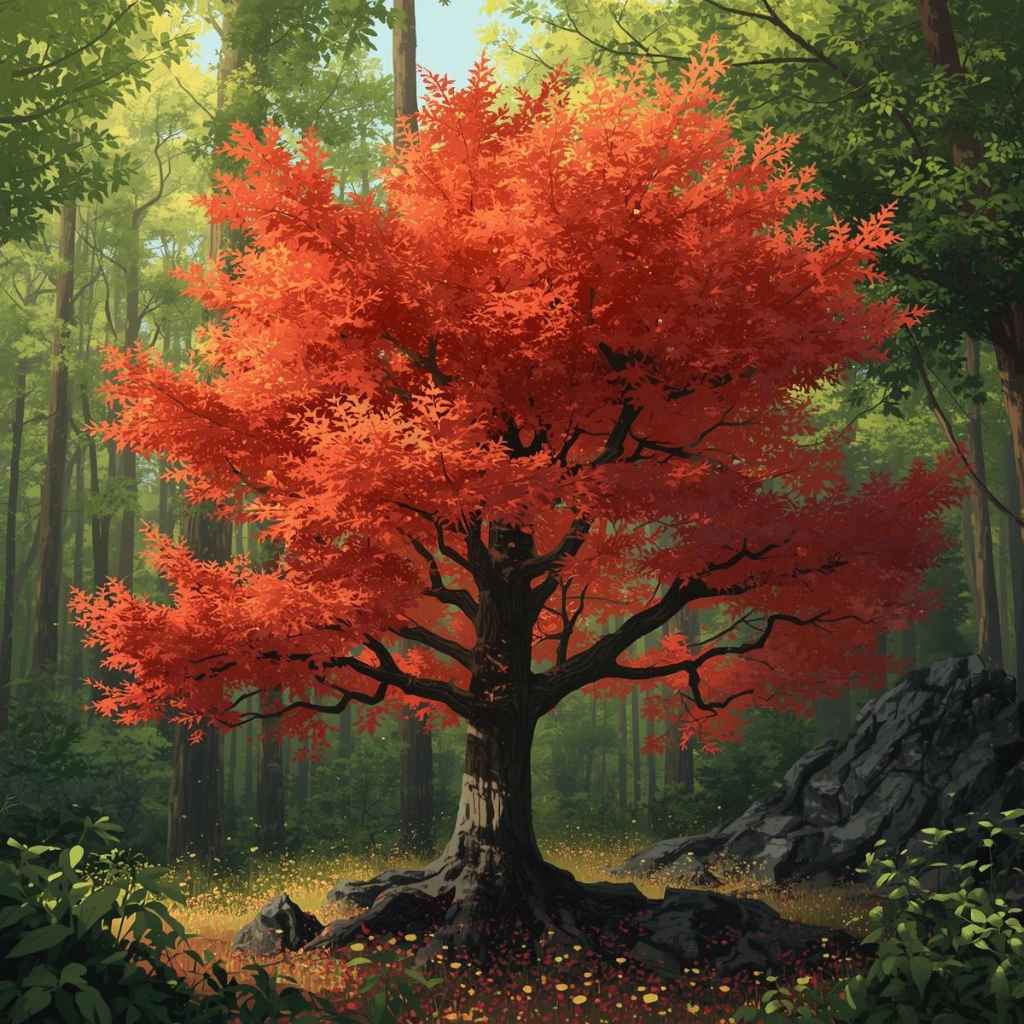
Now that we have a good grasp of the general differences between hardwoods and softwoods, we can directly address the question: Is Japanese Maple a Hardwood or Softwood? Japanese Maple trees (Acer palmatum) are botanically classified as deciduous trees. They lose their leaves in the fall and have broad leaves, which are defining characteristics of hardwood species. Therefore, based on its botanical classification and growth habits, Japanese Maple is indeed a hardwood.
The wood from Japanese Maple trees is recognized for its fine grain and often beautiful figure. It’s not as common in large lumber markets as some other hardwoods like oak or maple itself (though Japanese Maple is a type of maple). However, it is highly valued for specific applications where its unique properties are desirable.
This includes fine woodworking, carving, and even the production of musical instruments. Its denser structure compared to many softwoods lends it durability and a pleasant feel.
The classification of Japanese Maple as a hardwood means it shares many characteristics with other woods in this category. This includes a tendency to be harder and denser than softwood. It also means it can be more challenging to work with compared to pine or fir, requiring careful technique and sharp tools.
Understanding this helps woodworkers and hobbyists choose the right materials for their projects.
Characteristics of Japanese Maple Wood
Japanese Maple wood is known for its attractive appearance and workable nature, despite being a hardwood. It typically has a fine, even texture and a straight grain, although it can sometimes exhibit interesting wavy or figured patterns. The color can range from pale cream to reddish-brown, often with a subtle iridescence or shimmering quality that adds to its appeal.
This makes it a sought-after material for decorative items.
The density of Japanese Maple wood is moderate to high for a hardwood, placing it in a category where it offers good strength and stability. It machines well, sands smoothly, and takes finishes beautifully. This makes it ideal for detailed work.
Its hardness means it resists dents and scratches better than many softwoods, contributing to the longevity of items made from it.
One of the less common but notable features of Japanese Maple wood is its tendency to be used for artisanal purposes. The smaller size of the trees often means that lumber is available in smaller dimensions, making it perfect for intricate carvings, small boxes, and musical instrument components. Its unique grain and color are often highlighted in these applications.
Uses of Japanese Maple Wood
Due to its beautiful grain and fine texture, Japanese Maple wood is frequently used in fine woodworking and furniture making. It’s especially prized for decorative inlays, veneers, and small accent pieces where its unique visual qualities can be showcased. Craftspeople often select Japanese Maple for projects that require intricate detail and a smooth finish, such as decorative boxes, picture frames, and jewelry chests.
Beyond furniture, Japanese Maple wood finds its way into the creation of musical instruments. Its tonal properties can be desirable for certain parts of stringed instruments, contributing to their sound quality and resonance. Woodworkers specializing in instruments often seek out select pieces of Japanese Maple for their stability and acoustic characteristics.
This application highlights the wood’s ability to be both beautiful and functional in demanding contexts.
Another common use for Japanese Maple wood is in carving. Its fine, even grain allows for sharp detail and smooth cuts, making it a favorite for wood sculptors and carvers. Small decorative objects, figurines, and intricate relief carvings are often made from this attractive hardwood.
The wood’s ability to hold detail makes it an excellent choice for both hobbyist carvers and professional artisans.
Comparison with Other Hardwoods and Softwoods
When comparing Japanese Maple to other common woods, its place as a hardwood becomes clearer. For instance, compared to Red Oak, another popular hardwood, Japanese Maple is generally finer in texture and less prone to splitting. Red Oak is known for its prominent grain and durability, often used in flooring and heavy furniture.
Japanese Maple, while also durable, is often chosen for its more delicate beauty and suitability for smaller, detailed work.
In contrast to softwoods like Pine or Fir, Japanese Maple offers superior hardness and a much finer grain pattern. Pine is very easy to work with, lightweight, and inexpensive, making it ideal for construction framing and basic furniture. Fir is also a common construction wood, known for its strength and straightness.
Japanese Maple wood, being denser and harder, is less likely to dent or scratch and provides a more refined aesthetic for decorative items.
Consider a table comparing these wood types. This helps to visualize the differences in their properties and typical applications.
| Wood Type | Classification | Typical Uses | Grain Texture | Hardness (Janka Rating – relative) |
|---|---|---|---|---|
| Japanese Maple | Hardwood | Fine woodworking, carving, veneers, musical instruments | Fine, even | Moderate to High |
| Red Oak | Hardwood | Flooring, furniture, cabinetry, construction | Prominent, open | High |
| Pine (e.g., Eastern White Pine) | Softwood | Construction framing, rustic furniture, paneling | Coarse, distinct knots | Low to Moderate |
| Douglas Fir | Softwood | Construction, beams, plywood | Straight, moderately coarse | Moderate |
Why the Confusion Exists
The confusion around whether Japanese Maple is a hardwood or softwood often stems from a few common misconceptions. Firstly, the name “maple” itself can sometimes lead people to assume it behaves exactly like the common sugar or red maple, which are indeed hardwoods. However, many different types of maple trees exist, and while all maples are hardwoods, their specific properties can vary.
Another reason for confusion is that “softwood” and “hardwood” are botanical terms, not purely descriptions of physical hardness. Some hardwoods, like balsa wood, are incredibly soft, while some softwoods, like yew, can be quite hard. This can create exceptions that make general rules seem less reliable.
People might touch Japanese Maple wood and find it isn’t exceptionally hard compared to, say, dense oak, and then question its classification.
Finally, the fact that Japanese Maple is often grown as an ornamental tree rather than for its timber can contribute to its lesser-known status regarding wood properties. While it’s a beloved garden plant, fewer people encounter its wood in everyday applications like building houses or large furniture, meaning its classification might be less commonly discussed or remembered.
Common Misconceptions About Wood Labels
One of the biggest misconceptions is that “hardwood” means the wood is physically hard and “softwood” means it’s physically soft. This is often true, but not always. For example, balsa wood is botanically a hardwood, but it is one of the softest woods available.
On the other hand, some coniferous trees, which are botanically softwoods, produce wood that is quite dense and hard, like Southern Yellow Pine.
Another area of confusion involves the appearance of the wood. People might associate certain grain patterns or colors with a specific wood type without realizing these features are related to the botanical classification rather than just the texture. For instance, a very fine and straight grain might be perceived as “soft,” but in the case of Japanese Maple, it’s a characteristic of its hardwood nature.
The everyday use of the terms also plays a role. In construction, “softwood” is often used for framing because it’s easier to cut and nail, while “hardwood” is used for flooring and trim because it’s more durable. This practical distinction can blur the botanical definition for many people.
The Importance of Botanical Classification
Botanical classification is the scientific and most accurate way to distinguish between hardwoods and softwoods. This classification is based on the reproductive methods and structure of the tree. Hardwoods come from angiosperms (flowering plants), which typically have broad leaves and produce seeds enclosed within a fruit.
Softwoods come from gymnosperms (non-flowering seed plants), which usually have needles or scales and produce cones.
This botanical difference leads to distinct structural characteristics in the wood. Hardwoods generally have vessels for water transport, contributing to their density and complex grain. Softwoods primarily use tracheids and lack these vessels, resulting in a simpler structure.
While physical hardness can vary within each category, the underlying cellular structure and botanical origin remain the defining factors.
Understanding this scientific basis is crucial for anyone wanting to learn about wood. It provides a reliable framework for predicting wood properties and uses, regardless of perceived hardness. It’s the foundation for knowing why a Japanese Maple is classified the way it is.
Japanese Maple’s Place in the Maple Family
Japanese Maple (Acer palmatum) belongs to the genus Acer, which is the maple genus. All trees within the Acer genus are botanically classified as hardwoods. This includes well-known species like Sugar Maple (Acer saccharum), Red Maple (Acer rubrum), and Silver Maple (Acer saccharinum), all of which are definitely hardwoods with distinct properties and uses.
Japanese Maple fits right into this family.
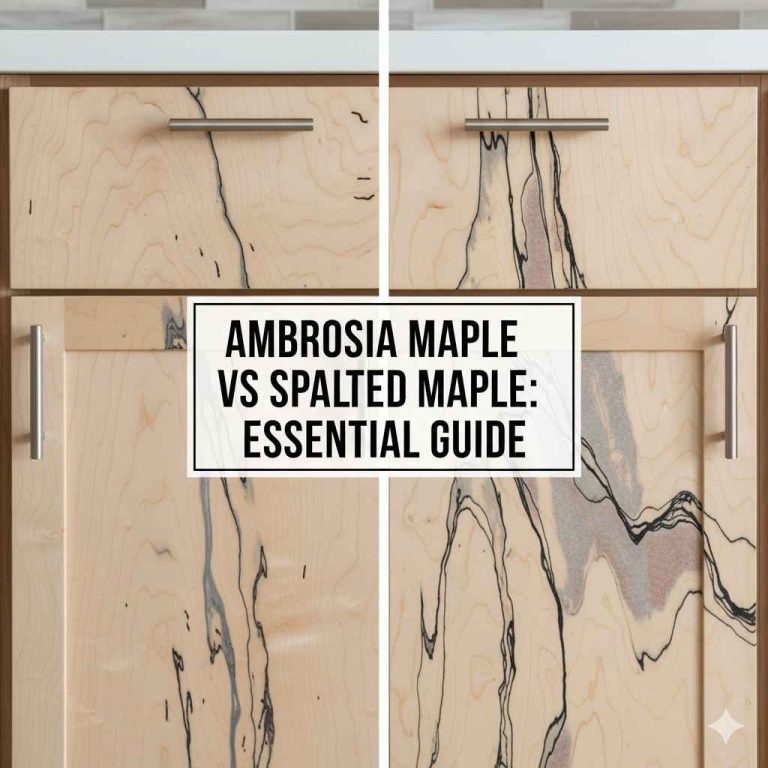
While all maples are hardwoods, the specific characteristics of their wood can vary between species. Japanese Maple wood, for example, is often finer-grained and more decorative than the more commonly harvested Sugar Maple, which is renowned for its strength and use in flooring and furniture. This variation within the hardwood category explains why different types of maple wood are suited for different purposes.
So, when you encounter Japanese Maple, remember it’s part of a family of trees known for producing hardwood. This inherent classification is a fundamental aspect of its identity, influencing its wood’s properties and potential applications.
Practical Applications and Woodworking Tips
Knowing that Japanese Maple is a hardwood is important for practical reasons, especially if you plan to work with its wood. Its hardwood classification means it will behave in certain ways that are beneficial for some projects and require specific techniques for others. Understanding these properties helps you get the best results.
For example, when cutting Japanese Maple, you’ll want to use sharp tools. Dull blades can lead to tear-out and an uneven finish, which is common when working with denser woods. Similarly, when sanding, starting with a coarser grit and gradually moving to finer grits will help you achieve that smooth, polished surface that this wood is known for.
When finishing, Japanese Maple takes stains and clear coats very well. Its fine grain means stains are absorbed evenly, creating beautiful, consistent color. Clear finishes can really bring out the natural luster and subtle color variations in the wood.
This makes it an excellent choice for projects where visual appeal is key.
Working with Japanese Maple Wood
Working with Japanese Maple wood requires a slightly different approach than with softwoods. Its hardwood nature means it’s denser and generally harder to cut. Using sharp, high-quality blades on saws and power tools is essential to prevent burning and splintering.
For hand tools like chisels, maintaining a razor-sharp edge is critical for clean cuts and avoiding damage to the wood’s fine grain.
When joining pieces of Japanese Maple, traditional woodworking joints like mortise and tenon or dovetails hold very well due to the wood’s density. It also glues effectively, providing strong bonds for assembled pieces. However, it’s important to ensure a good fit before applying glue, as its hardness can make adjustments more difficult after the fact.
For finishing, Japanese Maple readily accepts stains, oils, and varnishes. Its fine texture means that stains penetrate evenly, allowing for rich and consistent coloration. Clear finishes are particularly effective at showcasing the wood’s natural beauty, highlighting its subtle color variations and occasional shimmer.
It’s advisable to test finishes on scrap pieces first to achieve the desired look.
Finishing and Sealing Techniques
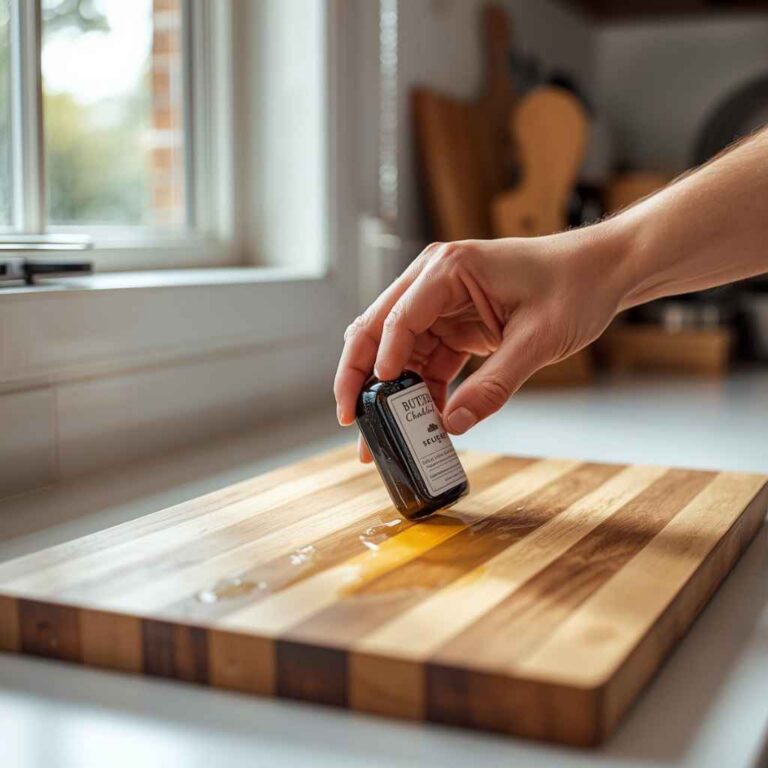
When finishing Japanese Maple, the goal is often to enhance its natural beauty rather than to mask it. A common approach is to use a clear coat, such as a polyurethane, lacquer, or a natural oil finish like tung oil or linseed oil. These finishes protect the wood while allowing its inherent color and grain patterns to shine through.
If you decide to stain Japanese Maple, opt for a pre-stain wood conditioner. This helps to even out the absorption of the stain, especially in areas where the grain might be denser or more open. This step is more important for hardwoods with varied density than for softwoods.
After staining, apply several thin coats of a protective finish, sanding lightly between coats with very fine-grit sandpaper (320 grit or higher) for a super smooth feel.
For sealing, especially if the wood will be exposed to moisture, a good quality sealer is recommended before applying the topcoat. This helps to prevent the wood from absorbing liquids, which can cause swelling and potential warping. A water-based polyurethane or a film-forming finish can provide excellent protection for Japanese Maple pieces.
Projects Suited for Japanese Maple Wood
Japanese Maple wood is ideal for smaller, detailed woodworking projects where its beauty can be fully appreciated. This includes crafting intricate boxes, decorative bowls, picture frames, and even musical instrument parts like guitar pickguards or fretboards. Its fine grain and attractive appearance make it a stand-out material for these kinds of items.
Carving is another excellent application. The wood’s density and fine texture allow for very precise and sharp detailing, making it suitable for small sculptures, decorative figurines, or intricate inlay work. Woodworkers who specialize in detailed carving often seek out Japanese Maple for its workability and the appealing results it yields.
It can also be used for accent pieces in larger furniture projects. Instead of making an entire piece of furniture from Japanese Maple, it can be used for drawer fronts, decorative panels, or tabletops where its unique visual qualities can add a touch of elegance without the cost or potential challenges of using it exclusively for large structural components.
Conclusion on Japanese Maple Wood Classification
After exploring the botanical distinctions and practical aspects, the answer is clear. Japanese Maple is a hardwood. This classification stems from its deciduous nature, broad leaves, and the characteristic structure of its wood, which is typical of the Acer genus.
Frequently Asked Questions
Question: Is Japanese Maple always hard?
Answer: Botanically, Japanese Maple is a hardwood, but physical hardness can vary. Some hardwoods are softer than some softwoods, but the classification is based on the tree’s biological type, not just its density.
Question: Can I use Japanese Maple for outdoor furniture?
Answer: While Japanese Maple is a hardwood, it’s not typically recommended for outdoor furniture. Its fine grain and relatively moderate density make it less resistant to moisture and decay compared to other hardwoods specifically suited for outdoor use. Proper sealing and maintenance would be crucial if attempting this.
Question: Is the wood of a Japanese Maple tree the same as regular maple wood?
Answer: Japanese Maple wood belongs to the same genus (Acer) as common maple wood like Sugar Maple or Red Maple, meaning it is also a hardwood. However, its grain texture and color can differ, often being finer and more decorative, making it suitable for different craft applications.
Question: Where does Japanese Maple wood come from?
Answer: Japanese Maple wood comes from the Acer palmatum tree, which is native to Japan, Korea, China, and eastern Mongolia. While ornamental varieties are grown worldwide, the wood is traditionally sourced from these regions or from cultivated trees in other parts of the world.
Question: Why is Japanese Maple wood not as common as oak or pine?
Answer: Japanese Maple trees are often smaller than oak or pine trees, and they are more frequently cultivated for their ornamental foliage rather than for commercial timber production. This results in less available lumber and makes it a more specialized wood for fine woodworking and crafts.
Wrap Up
Japanese Maple is a hardwood, confirmed by its botanical classification as a deciduous tree. This means its wood has a fine grain and density suitable for detailed work like carving and fine furniture. You can confidently use Japanese Maple for projects where beauty and precision are key.