Is LVP Laminate Flooring Right for Your Home? Discover Now!
LVP (Luxury Vinyl Plank) is not laminate flooring. They are different types of flooring with unique features.
LVP is a popular flooring choice due to its durability and water resistance. It mimics the look of hardwood but offers more resilience and easier maintenance. LVP is made from multiple layers of PVC vinyl, providing a comfortable and durable surface.
It’s ideal for high-traffic areas and rooms prone to moisture, like kitchens and bathrooms. Laminate flooring, on the other hand, is made from composite wood pressed together at high temperatures. While both options are cost-effective alternatives to hardwood, LVP stands out for its superior water resistance and realistic wood appearance. Choose LVP for a blend of style and practicality.
Introduction To LVP Laminate Flooring
Luxury Vinyl Plank (LVP) laminate flooring is a popular choice in modern homes. It offers a perfect blend of style, durability, and affordability. Homeowners love it for its realistic wood appearance and long-lasting performance.
LVP laminate flooring is easy to install and maintain. It is suitable for various rooms, including kitchens and bathrooms. This flooring option is waterproof, making it a practical choice for families with kids and pets.
The Rise Of LVP In Home Design
LVP flooring has gained popularity in recent years. Its ability to mimic hardwood floors has attracted many homeowners. LVP offers a wide range of designs and colors. This allows for greater customization in home interiors.
Traditional hardwood floors can be expensive and difficult to maintain. LVP provides a cost-effective alternative without compromising on aesthetics. Many interior designers recommend LVP for its versatility and resilience.
Basics Of LVP Laminate Construction
LVP laminate flooring is made of multiple layers. Each layer serves a specific purpose. The top layer is a clear protective coating. It guards against scratches and stains.
The second layer features a high-resolution printed image. This layer gives LVP its realistic wood look. The core layer is made of dense vinyl, offering stability and durability.
Finally, the backing layer provides additional support and moisture resistance. This multi-layer construction ensures LVP flooring is sturdy and long-lasting.
| Layer | Function |
|---|---|
| Top Layer | Protects against scratches and stains |
| Image Layer | Provides realistic wood appearance |
| Core Layer | Offers stability and durability |
| Backing Layer | Provides support and moisture resistance |
Pros Of Choosing LVP Flooring
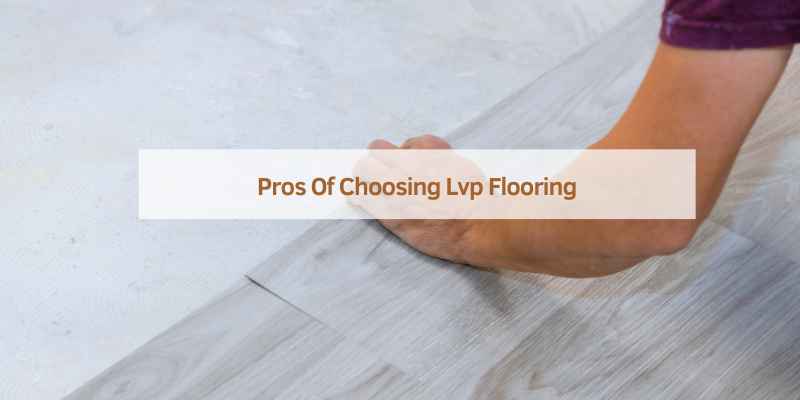
Luxury Vinyl Plank (LVP) flooring has become a popular choice for many homeowners. This is due to its numerous advantages. Let’s explore some of the key benefits of choosing LVP flooring.
Durability And Longevity
LVP flooring is known for its outstanding durability. It can withstand heavy foot traffic and resist scratches. Pets and kids won’t easily damage it. This makes it a great choice for busy households. LVP flooring can last for many years with proper care. This longevity adds significant value to your investment.
Ease Of Maintenance
Maintaining LVP flooring is incredibly simple. Regular sweeping or vacuuming will remove dust and dirt. Occasional mopping with a damp cloth keeps it looking new. LVP flooring is also water-resistant, making it ideal for kitchens and bathrooms. Spills can be wiped up easily without worry.
Variety Of Styles And Finishes
LVP flooring comes in a wide range of styles and finishes. You can choose from various colors, patterns, and textures. There is an option to match any decor. It can mimic the look of natural wood, stone, and other materials. This provides a high-end look without the high-end price.
| Feature | Benefit |
|---|---|
| Durability | Resists scratches and dents |
| Longevity | Lasts many years |
| Maintenance | Easy to clean |
| Variety | Many styles and finishes |
Choosing LVP flooring offers many benefits. Its durability, ease of maintenance, and variety of styles make it a top choice. You can enjoy a beautiful and functional floor for years to come.
Cons To Consider With LVP
Luxury Vinyl Plank (LVP) flooring has many advantages. However, it’s important to be aware of its potential drawbacks. Knowing these cons can help you make an informed decision. Below are some key areas to consider.
Potential For Damage
LVP flooring can be prone to dents and scratches. Heavy furniture or sharp objects can easily damage the surface. This can make it less durable compared to other options.
Water can also cause issues. LVP is water-resistant but not waterproof. Long exposure to water can lead to warping or swelling.
Environmental Impact
LVP flooring is made from synthetic materials. This makes it less eco-friendly. The production process releases harmful chemicals into the environment.
Disposal of LVP is another concern. It is not biodegradable. This means it will sit in landfills for years.
Comparative Cost Analysis
LVP flooring can be more expensive than other types. Initial costs can be higher compared to laminate or hardwood. Below is a simple cost comparison table:
| Flooring Type | Average Cost per Square Foot |
|---|---|
| LVP | $3 – $7 |
| Laminate | $1 – $5 |
| Hardwood | $5 – $10 |
Maintenance costs should also be considered. LVP may require special cleaning products. These can add up over time.
Finally, think about resale value. LVP may not add as much value to your home as hardwood.
LVP Vs. Traditional Laminate
Choosing the right flooring can be challenging. Comparing Luxury Vinyl Plank (LVP) and traditional laminate can help you make an informed choice. Both options offer unique benefits and cater to different needs.
Material Composition Differences
LVP is made from multiple layers of PVC vinyl. These layers are pressed together to create a durable and waterproof surface.
Traditional laminate features a high-density fiberboard (HDF) core. This core is topped with a photographic layer and a clear protective top layer.
| Feature | LVP | Traditional Laminate |
|---|---|---|
| Core Material | PVC Vinyl | High-Density Fiberboard (HDF) |
| Top Layer | Wear Layer | Photographic Layer + Protective Layer |
| Waterproof | Yes | No |
Performance In High-moisture Areas
LVP performs exceptionally well in high-moisture areas. It is completely waterproof, making it ideal for bathrooms, kitchens, and basements.
Traditional laminate is not waterproof. Water can damage its HDF core, causing it to swell and warp. It’s best used in low-moisture areas like living rooms and bedrooms.
Aesthetic And Textural Comparisons
LVP offers a wide range of aesthetic options. It can mimic the appearance of natural wood, stone, or ceramic tiles. The texture is often more realistic, providing a closer feel to the materials it mimics.
Traditional laminate also offers various designs but may lack the textural depth of LVP. While it can look like wood or stone, the feel might not be as authentic.
- LVP – Realistic textures and designs
- Traditional laminate – Less realistic textures
Installation Process For LVP
Installing Luxury Vinyl Plank (LVP) flooring can transform your space. It is easy to install and maintain. With the right tools and steps, anyone can do it. Let’s explore the process in detail.
Preparation And Tools Required
Before starting, gather the necessary tools and prepare the area. This ensures a smooth installation process.
- Tools Needed:
- Measuring tape
- Utility knife
- Tapping block
- Spacers
- Rubber mallet
- Pencil
- Level
Preparation Steps:
- Clear the area of furniture and debris.
- Ensure the subfloor is clean and dry.
- Check for any uneven spots on the subfloor.
- Allow the LVP to acclimate to the room temperature for 48 hours.
Step-by-step Installation Guide
Follow these steps for a successful LVP installation:
- Start in a corner: Place spacers along the wall.
- Lay the first plank: Ensure the tongue side faces the wall.
- Continue with the first row: Connect the ends of the planks.
- Cut the last plank: Measure and cut to fit the remaining space.
- Begin the second row: Stagger the joints by at least 6 inches.
- Tap the planks: Use the tapping block and rubber mallet.
- Repeat the process: Continue until the floor is covered.
- Remove spacers: Once all planks are in place.
- Install trim: Cover the expansion gaps along the walls.
Common Mistakes To Avoid
Be aware of common mistakes that can affect the installation:
- Skipping acclimation: Always let the LVP adjust to room temperature.
- Ignoring uneven subfloors: An uneven subfloor can cause gaps and lifting.
- Not using spacers: Expansion gaps are crucial for preventing buckling.
- Poor measurements: Measure twice to ensure accurate cuts.
- Forgetting to stagger joints: Staggered joints provide stability and aesthetic appeal.
Maintaining Your LVP Flooring
Luxury Vinyl Plank (LVP) flooring is a popular choice for many homes. It’s durable, stylish, and easy to install. But like any flooring, it needs proper care to stay looking its best. Here are some tips on how to maintain your LVP flooring.
Cleaning Do’s And Don’ts
Regular cleaning is essential to keep your LVP flooring looking new. Follow these do’s and don’ts to ensure proper maintenance:
| Do’s | Don’ts |
|---|---|
| Use a soft broom or vacuum. | Use a beater bar attachment. |
| Clean up spills immediately. | Let water sit on the floor. |
| Use a damp mop with mild soap. | Use abrasive cleaners or pads. |
| Place mats at entrances. | Drag heavy furniture across the floor. |
Repairing Scratches And Dents
Scratches and dents can occur on any flooring, including LVP. Here are some tips to repair them:
- Use a vinyl flooring repair kit for small scratches.
- Fill deeper scratches with a matching color filler.
- Use a heat gun to fix minor dents; apply gentle heat and smooth out the area.
- Replace damaged planks if the damage is extensive.
Long-term Care Tips
Long-term care is crucial for maintaining the beauty and durability of your LVP flooring. Follow these tips for best results:
- Use furniture pads under legs to prevent scratches.
- Rotate area rugs periodically to avoid uneven fading.
- Keep pet nails trimmed to avoid scratches.
- Avoid direct sunlight on the floor to prevent discoloration.
- Maintain indoor humidity levels to prevent warping.
Cost-benefit Analysis Of LVP
Luxury Vinyl Plank (LVP) flooring offers a blend of style and durability. It mimics the look of hardwood at a lower cost. This analysis explores the cost-benefit of choosing LVP for your floors.
Initial Investment Vs. Longevity
The initial investment in LVP is often lower than hardwood. LVP costs less per square foot. This makes it a budget-friendly option. But, how long does LVP last?
LVP is durable. It can last up to 20 years with proper care. This longevity makes the initial investment worthwhile. You get value for your money.
Resale Value Considerations
Flooring affects your home’s resale value. Potential buyers notice the type and condition of the floors. LVP can make a positive impression.
LVP looks like hardwood. It adds a touch of elegance. This can enhance your home’s appeal. A well-maintained LVP floor can boost resale value.
Comparison With Other Flooring Options
Let’s compare LVP with other popular flooring options:
| Flooring Type | Cost per sq. ft. | Durability | Maintenance |
|---|---|---|---|
| LVP | $2 – $7 | High (up to 20 years) | Low |
| Hardwood | $5 – $15 | High (up to 100 years) | High |
| Carpet | $3 – $10 | Moderate (5-10 years) | Moderate |
| Tile | $1 – $20 | High (up to 50 years) | Low |
LVP offers a balance of cost and durability. It’s more affordable than hardwood. It’s more durable than carpet. It requires less maintenance than tile.
Real Homeowner Experiences
Discovering the perfect flooring can be a daunting task. Many homeowners have chosen LVP laminate flooring for its durability and aesthetic appeal. Below, we explore real experiences from homeowners who made the switch.
Testimonials And Reviews
John from Texas: “I installed LVP in my living room and kitchen. The floors look amazing and are easy to clean.”
Mary from California: “With kids and pets, I needed a tough floor. LVP has been a lifesaver. It’s resistant to scratches and spills.”
Lisa from New York: “I was worried about the installation process. But it was simple, and the results are stunning.”
Before And After Transformations
Seeing is believing. Below are some impressive before and after transformations shared by homeowners.
| Before | After |
|---|---|
| Old, worn-out carpets | Modern, sleek LVP flooring |
| Stained hardwood floors | Beautiful, stain-resistant LVP floors |
| Cracked tiles | Uniform and durable LVP flooring |
Why Homeowners Choose LVP
There are many reasons why homeowners opt for LVP laminate flooring. Here are a few key reasons:
- Durability: LVP is resistant to scratches, dents, and stains.
- Easy Installation: Many homeowners find it easy to install without professional help.
- Variety of Designs: LVP comes in many styles and colors to match any decor.
- Water Resistance: Ideal for kitchens, bathrooms, and basements.
- Cost-Effective: LVP offers the look of hardwood or stone at a fraction of the cost.
These factors make LVP laminate flooring a popular choice among homeowners seeking both functionality and style.
Making The Decision
Choosing the right flooring for your home can be a daunting task. With so many options available, it’s essential to make an informed decision. LVP (Luxury Vinyl Plank) laminate flooring is a popular choice. This section will guide you through the decision-making process.
Assessing Lifestyle And Needs
Your lifestyle and needs play a crucial role in selecting flooring. If you have pets or children, durability is key. LVP laminate flooring is scratch-resistant and easy to clean. This makes it a great option for busy households.
Consider your daily activities. Do you host parties often? Do you have a high-traffic area? LVP can handle heavy use without showing wear. Comfort underfoot is another factor. LVP provides a softer feel compared to traditional hardwood.
The Role Of Climate And Location
Climate and location affect your flooring choice. In humid areas, moisture-resistant flooring is essential. LVP laminate flooring performs well in high humidity environments. It resists warping and swelling.
If you live in a colder region, consider how the floor feels in winter. LVP remains warmer underfoot compared to tile or stone. This makes it a cozy option for colder climates.
Consulting With Flooring Experts
Talking to flooring experts can provide valuable insights. They can help you understand the pros and cons of different materials. Experts can also guide you on installation and maintenance.
Creating a list of questions before your consultation can be helpful. Here are some suggestions:
- What is the lifespan of LVP laminate flooring?
- How does it compare to other types of flooring?
- What are the maintenance requirements?
- Can it be installed in any room?
Gathering information from experts ensures you make an informed decision. They can also provide samples to help you visualize how the flooring will look in your home.
Frequently Asked Questions
Which Is Better, LVP Or Laminate Flooring?
LVP is more durable and water-resistant, ideal for high-moisture areas. Laminate is more affordable and easier to install. Choose based on your needs.
Is LVT Considered Laminate Flooring?
No, LVT is not considered laminate flooring. LVT stands for Luxury Vinyl Tile, offering different materials and properties.
How To Tell If A Floor Is Laminate Or Vinyl?
Laminate floors feel hard and have a wood-like appearance. Vinyl floors are softer, waterproof, and often mimic stone or tile.
Is LVP Or Laminate Thicker?
Laminate flooring is usually thicker than LVP (Luxury Vinyl Plank). Laminate ranges from 6mm to 12mm, while LVP is typically 2mm to 8mm.
Conclusion
LVP laminate flooring offers durability, affordability, and a stylish look. It’s a great option for any home. With easy maintenance and a variety of designs, it suits different tastes. Choose LVP laminate flooring for a beautiful and long-lasting solution.