LVP Flooring Pros and Cons: 7 Downsides + Real Costs (2026)
LVP (luxury vinyl plank) flooring is a waterproof-core, click-lock vinyl floor: cheap to install, hard to ruin with spills, but impossible to refinish. Installed prices run roughly $4-$16 per square foot, and the wear-layer thickness decides how long it survives. This guide weighs the real pros and cons, shows what a room costs, and covers the damage the “waterproof” label does not cover: sun, rubber mats, and steam mops.
What Is LVP Flooring?
Best LVP Cleaner Pick
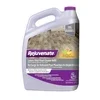 |
Rejuvenate Luxury Vinyl Floor Cleaner, 1 Gal, Fresh Citrus – $16.77 The one purchase that protects any LVP floor you end up choosing: a pH-balanced cleaner for the damp-mop routine described under maintenance below, instead of soap-based or abrasive cleaners.
|
As an Amazon Associate we earn from qualifying purchases.
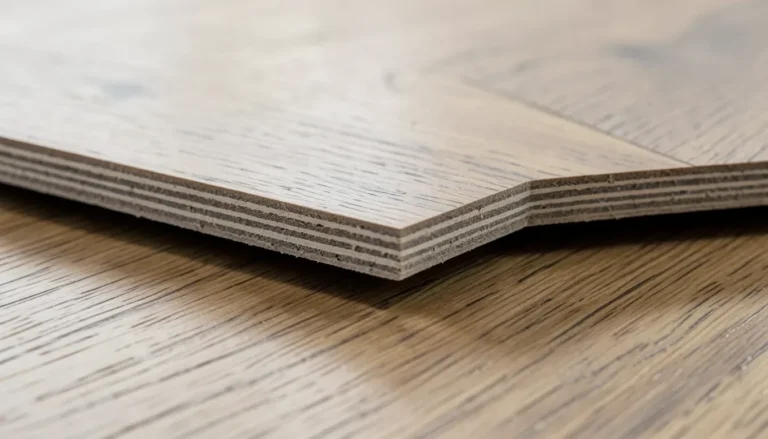
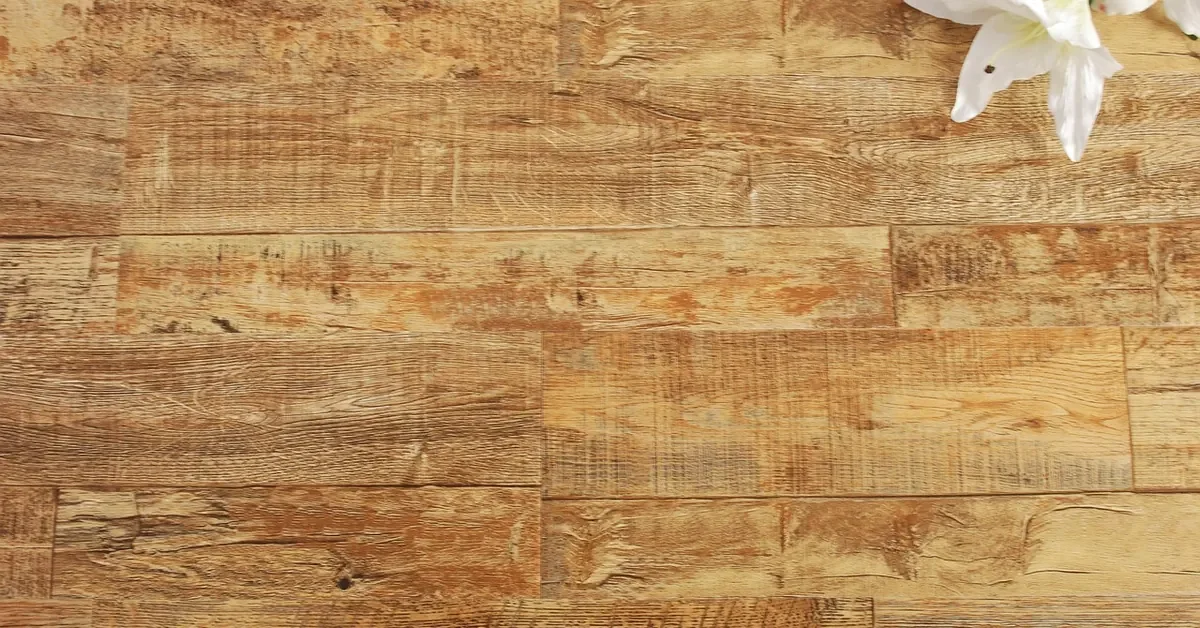
LVP (luxury vinyl plank) flooring is a synthetic floor made of layered PVC vinyl: a rigid or semi-rigid core, a printed film that mimics wood grain, and a clear protective wear layer on top. It is not real wood. “Luxury” refers to the thicker, more realistic construction compared with sheet vinyl, and LVT (luxury vinyl tile) is the same build in a stone or tile look.
Two core types matter when you shop: WPC (wood-plastic composite), a softer, often foam-backed core, and SPC (stone-plastic composite), a denser and harder core. Both are marketed as waterproof. For a deeper look, see our SPC and HDPC core comparison and the breakdown of rigid vinyl versus standard luxury vinyl.
Advantages Of LVP Flooring
LVP has six advantages that explain why it is one of the most common choices for remodels.
- Water resistance: The vinyl planks do not swell the way laminate or hardwood can, so LVP works in kitchens, bathrooms, basements, and laundry rooms.
- Scratch and stain resistance: A clear wear layer protects the printed grain. Thicker layers (see the chart below) last longer under pets and kids.
- Lower project cost: HomeGuide puts luxury vinyl at about $4 to $16 per square foot installed, and the labor share is only roughly $2 to $6 of that.
- DIY-friendly install: Most LVP is a floating click-lock system that goes over many existing floors without glue, assuming the subfloor is flat and sound.
- Easy upkeep: Sweeping and damp mopping with a pH-balanced cleaner is the whole routine. No waxing or refinishing.
- Comfort and quiet: Softer WPC cores or attached underlayment feel warmer and quieter than tile.
Disadvantages Of LVP Flooring
These are the downsides that most often surprise owners after installation.
- Cannot be refinished: Once the wear layer is scratched through, the plank is replaced, not sanded. Keep spare boxes because dye lots change.
- Repeating pattern: The wood grain is a printed image, and cheaper lines repeat it every few planks. Mix planks from several boxes while laying.
- Sun and heat sensitivity: Direct sun can fade the print and heat the planks. Casabella’s care sheet advises curtains, blinds, or solar film to guard against thermal dimensional change.
- Rubber stains: Rubber-backed mats and dark rubber furniture feet can leave permanent yellow stains on vinyl.
- Firm underfoot: Rigid SPC cores feel harder than WPC cores or carpet, so long standing in a kitchen can tire you out.
- Resale value is not guaranteed: How buyers value LVP versus real wood depends on the local market and price point. Ask a local agent before choosing LVP for a high-end home.
- Chemical emissions vary: Look for FloorScore or GREENGUARD Gold certification on the spec sheet for indoor air quality.
Manufacturer care rule: One luxury vinyl maker’s maintenance sheet states flatly that rubber-backed mats are not acceptable because they cause yellow stains, and that a steam mop must never be used. Source: Casabella luxury vinyl maintenance sheet, 2019.
LVP Wear Layer Chart: What the Mil Number Means
Wear layer thickness is measured in mils, and 40 mils equals 1 millimeter. That makes even a premium 20 mil layer only about half a millimeter of clear protection over the printed grain, which is why it cannot be sanded and refinished. Sellers often advertise total plank thickness (4 to 8 mm), but that number says nothing about scratch life. Total thickness is mostly core.
| Wear layer | Thickness in mm | Typical use | Our take |
|---|---|---|---|
| 6 mil | about 0.15 mm | Closets, guest rooms | Skip it for anything with daily foot traffic |
| 12 mil | about 0.30 mm | Moderate-traffic homes | The practical residential minimum |
| 20 mil | about 0.50 mm | Pets, kids, busy kitchens | Best value for most households |
| 28 mil and up | about 0.70 mm and up | Heavy or light-commercial use | Worth paying for only in demanding spaces |
Shopping Home Depot specifically? Our guide to Home Depot LifeProof vinyl flooring covers which mil level to buy in that line.
What an LVP Floor Costs: Room-by-Room Math
Per-square-foot prices are hard to picture, so here is the arithmetic on HomeGuide’s $4 to $16 installed range. Angi’s broader 2026 range is $2 to $22 per square foot, so treat both as bands, not quotes.
| Room size | Low ($4/sq ft) | Midpoint ($10/sq ft) | High ($16/sq ft) |
|---|---|---|---|
| 100 sq ft (bath or laundry) | $400 | $1,000 | $1,600 |
| 200 sq ft (small kitchen) | $800 | $2,000 | $3,200 |
| 400 sq ft (living room) | $1,600 | $4,000 | $6,400 |
| 1,000 sq ft (open floor plan) | $4,000 | $10,000 | $16,000 |
The midpoint is simple arithmetic between the two ends, not a market average. Quotes also depend on subfloor repair, trim, and how much material you buy for cuts. Many installers add extra boxes for cuts and spares, so confirm the waste allowance in your quote. Compare the cost against real wood in our hardwood versus LVP cost guide.
LVP Flooring vs Alternatives: Side-by-Side Comparison
| Flooring type | Handles water | Can be refinished | Main weakness |
|---|---|---|---|
| LVP | Yes, planks resist water (seams and subfloor still matter) | No | Fades in sun, stains from rubber |
| Laminate | Limited, swells at joints if wet | No | Moisture at edges and seams |
| Solid hardwood | Poor | Yes, several times | Cost and moisture movement |
| Engineered hardwood | Moderate | Depends on veneer thickness | Not for standing water |
| Ceramic tile | Yes | Not applicable | Cold, hard, grout upkeep |
For side-by-side detail, see LVP versus laminate and LVP versus hardwood.
Best Alternatives to LVP Flooring
LVP is not right for every room or budget. Three alternatives beat it in specific situations.
SPC (stone plastic composite): a denser, harder rigid core, so it resists dents better than softer cores. It is still a vinyl product with the same sun and rubber-stain cautions.
Engineered hardwood: real wood with a plywood-style base. It gives you the real-wood look and, depending on the veneer thickness, a chance to refinish. It is not a standing-water floor. See LVP versus engineered hardwood.
Laminate: in dry rooms like bedrooms, a textured laminate can look more natural than a printed vinyl plank. It is not for wet rooms, since water that sits at the joints damages the core.
Factors To Consider Before Choosing LVP
Room Suitability
LVP suits moisture-prone rooms: bathrooms, kitchens, basements, laundry rooms, and mudrooms, plus rentals and hallways where easy replacement matters. Think twice about rooms with large south- or west-facing windows unless you plan curtains, blinds, or window film.
Wear Layer: The Single Most Important Spec
Pick the mil rating first (see the chart above) and the look second. A 6 mil layer on a thick 8 mm plank is still a light-duty floor, because plank thickness is mostly core.
Budget Constraints
Prices vary widely, so set your budget on installed cost per square foot, including subfloor prep and trim, not just the sticker price of the planks. Use the room-by-room table above, then spend extra on wear layer before spending extra on a fancier print.
How to Install LVP Flooring
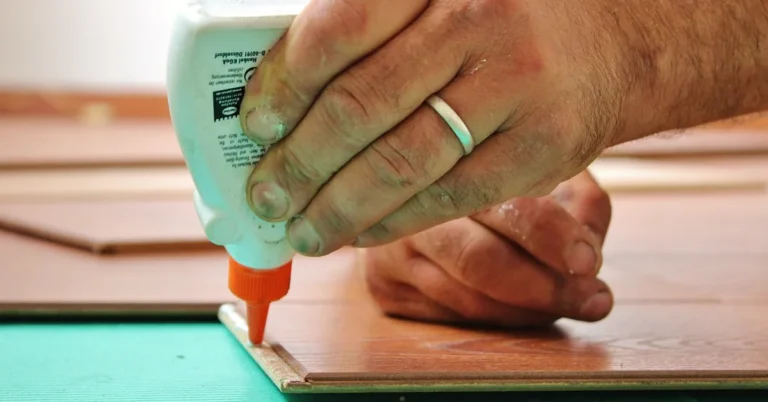
Most LVP is a floating click-lock floor that needs no adhesive. Follow your own plank’s instructions for subfloor flatness (many specify about 3/16 inch over 10 feet), acclimation time, and expansion gaps at walls. Casabella’s sheet asks for heat and air running for at least a week before install and a home kept between 65 and 85 degrees F at no more than 65 percent relative humidity. For cutting tips, see how to cut vinyl plank flooring.
Tips For Maintaining LVP Flooring
- Sweep or vacuum often: grit acts like sandpaper on the wear layer.
- Damp mop with a pH-balanced cleaner, and remove excess water. Avoid soap-based, caustic, and abrasive cleaners.
- Never use a steam mop. Casabella’s sheet says it can damage the flooring, and most vinyl makers agree.
- Use felt or hard plastic pads under furniture, and wide non-staining casters (2 inches or more) on rolling chairs.
- Skip rubber-backed mats. Choose rugs and entry mats labeled vinyl-safe.
- Shade the floor from strong direct sun with curtains, blinds, or solar film.
“Never use a steam mop as they can cause damage to the flooring.”
Frequently Asked Questions
What Are the Disadvantages of LVP Flooring?
The main disadvantages of LVP flooring are: it cannot be refinished (a worn-through wear layer means replacing planks), the printed wood grain can look repetitive, it can fade or expand in direct sun, rigid SPC cores feel firm underfoot, and rubber-backed mats can stain it permanently. Choose a certified low-emission product and match the wear layer to your traffic.
How Long Does LVP Flooring Last?
There is no single measured lifespan. The wear layer is the main limit: 12 mil is the common residential minimum and 20 mil suits busy households and pets. Figures like 15 to 25 years are usually warranty terms, not test results. Grit, sun, and wrong cleaning habits shorten life more than the plank thickness does.
Is LVP Flooring Waterproof?
The planks of rigid-core LVP resist water, but a floor is only as waterproof as its seams and subfloor. Standing water can run through click-lock joints and soak the subfloor beneath. Wipe spills quickly, keep the room perimeter sealed in bathrooms and laundry rooms, and never flood-mop.
Can LVP Flooring Be Refinished?
No. LVP cannot be sanded or refinished because the printed layer and clear wear layer are only a fraction of a millimeter thick. A damaged click-lock plank can be swapped, but older dye lots are hard to match, so buy a few extra boxes at install time and store them.
Is LVP Flooring Worth It?
LVP is worth it for kitchens, bathrooms, basements, rentals, and busy family rooms where water resistance and a low project cost matter most. It is a weaker choice where real wood is the selling point, or in sun-baked rooms with no window treatment. Budget for a 12 to 20 mil wear layer, not the cheapest plank.
What Is the Best Alternative to LVP Flooring?
It depends on the room. Engineered hardwood suits living areas where real wood and refinishing matter. Laminate suits dry rooms where a textured wood look is the priority. Ceramic tile suits wet areas that need decades of service. SPC is a type of rigid LVP, so choose it when you want a harder, more dent-resistant core.
Can You Use a Steam Mop or Rubber-Backed Mats on LVP?
No to both, as a rule. Manufacturers such as Casabella tell owners never to use a steam mop and reject rubber-backed mats because they stain vinyl yellow. Use a damp microfiber mop with a pH-balanced cleaner, and choose rugs and mats labeled vinyl-safe. Check your own brand’s care sheet before using either.
Conclusion
LVP is a strong floor for wet rooms, rentals, and budget remodels, and a weaker one wherever real wood or a sun-drenched room is the point. Buy at least a 12 mil wear layer (20 mil for pets and kids), shade the floor from direct sun, keep rubber and steam away from it, and plan on replacing planks rather than refinishing.
Sponsored / affiliate links. As an Amazon Associate I earn from qualifying purchases. I may earn additional commission from eligible campaigns.