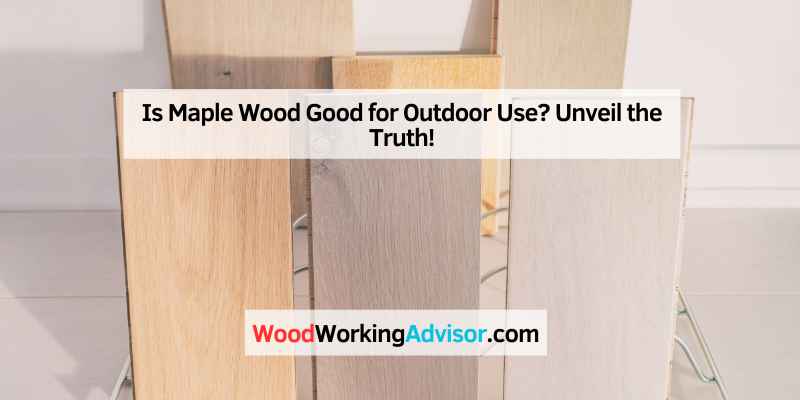
Is Maple Wood Good for Outdoor Use? Unveil the Truth!
Maple wood is not ideal for outdoor use due to its susceptibility to moisture and weather damage. While it has some resistance to decay, it requires regular maintenance to prolong its lifespan.
Maple wood is often celebrated for its beauty and durability in indoor applications, but its performance outdoors is less impressive. This hardwood can withstand some exposure to the elements, yet it is prone to warping and cracking. Its natural oils offer limited resistance to rot and pests, making it a less favorable choice for outdoor furniture and structures.
Homeowners seeking longevity should consider alternative woods, such as cedar or teak, which are specifically designed for outdoor use. Understanding the strengths and weaknesses of maple wood helps in making informed decisions for outdoor projects.
Introduction To Maple Wood
Maple wood is known for its strength and beauty. It has a fine grain and smooth texture. This wood is often light in color, ranging from creamy white to light brown. Its natural resistance to wear makes it a popular choice.
Common uses of maple wood include furniture, cabinets, and flooring. It is also used for outdoor items like picnic tables and benches. While it can handle some moisture, prolonged exposure to rain or snow may cause damage.
| Characteristic | Details |
|---|---|
| Durability | Strong and hard, resistant to dents. |
| Moisture Resistance | Moderate; not ideal for constant wet conditions. |
| Aesthetic Appeal | Beautiful grain and color variations. |
Durability Factors For Outdoor Woods
Maple wood is known for its strong structure. It can handle various weather conditions. This wood can resist rain and snow well. It does not warp easily, making it a great choice for outdoor projects.
Another important factor is its resistance to pests. Maple wood is less likely to attract insects. This helps in keeping your outdoor furniture safe. It also has a natural ability to resist decay. This makes it last longer in outdoor settings.
Choosing maple wood means selecting a durable and reliable option for outdoor use. Its properties ensure it remains beautiful and functional for years.
Maple Wood And Outdoor Durability
Maple wood is known for its beauty and strength. It has some natural durability against outdoor conditions. This type of wood can resist weather and insects, making it a great choice for outdoor use.
To enhance its performance, using protective treatments is essential. These treatments can include sealants or stains. They provide an extra layer of protection against moisture and UV rays. Regular maintenance helps keep maple wood looking great.
| Treatment | Benefits |
|---|---|
| Sealants | Protects against water damage |
| Stains | Enhances color and grain |
| Varnishes | Offers a tough, glossy finish |
Comparing Maple To Traditional Outdoor Woods
Maple wood is often praised for its beauty. It has a rich color and smooth texture. However, it is not as durable as other woods.
Cedar and redwood are popular for outdoor use. Both resist moisture and insects well. They last longer than maple in outdoor settings.
Tropical hardwoods like teak and mahogany offer excellent durability. They withstand harsh weather conditions better than maple. These woods are often more expensive.
| Wood Type | Durability | Cost |
|---|---|---|
| Maple | Medium | Low |
| Cedar | High | Medium |
| Redwood | High | Medium |
| Tropical Hardwoods | Very High | High |
Pros And Cons Of Maple For Outdoor Use
Maple wood offers several benefits for outdoor use. It is known for its durability and resistance to wear. This wood has a beautiful grain and rich color, making it visually appealing. It also performs well against moisture and pests, which is great for outdoor items.
On the downside, maple wood can be prone to warping in extreme weather. It requires regular maintenance to keep its appearance. Without proper treatment, it may fade or crack over time. These factors can affect its longevity outdoors.
Enhancing Maple’s Outdoor Performance
Maple wood can perform well outdoors with the right care. Using the right sealants and finishes helps protect the wood. Choose a high-quality outdoor finish for better durability.
Applying a good sealer prevents moisture damage. Reapply every year for best results. Avoid using water-based finishes, as they may not last.
Regular maintenance keeps your maple wood looking great. Clean the surface regularly with mild soap. Check for any signs of damage or wear.
Sand rough spots lightly to keep the surface smooth. Always apply a new coat of sealer after sanding. Protecting your maple wood ensures it lasts longer outdoors.
Creative Outdoor Projects Using Maple
Maple wood is a great choice for outdoor projects. It is strong and durable. A DIY maple bench can be a perfect addition to any garden. This bench offers a cozy spot to relax.
Building a bench is simple. Start with sturdy maple boards. Cut them to the desired length. Sand the edges for safety and smoothness. Finally, apply a weatherproof finish to protect the wood.
Maple garden structures can also enhance your outdoor space. Consider making a trellis or planter boxes. These items are both functional and beautiful.
| Project | Benefits |
|---|---|
| Maple Bench | Cozy seating area |
| Trellis | Support for climbing plants |
| Planter Boxes | Stylish plant display |
Expert Opinions And Case Studies
Many woodworkers believe maple wood is not the best for outdoor use. It is prone to moisture and can warp easily. Sunlight can also cause it to fade over time.
Case studies show that outdoor projects with maple often need extra maintenance. This includes regular sealing and staining to protect the wood.
Some woodworkers suggest using maple for items like furniture or decor under a covered area. It looks great but may not last long in direct weather.
Overall, experts advise caution. Maple can be beautiful, but it may not withstand the elements well.
Conclusion And Final Recommendations
Maple wood is not ideal for outdoor use. It can warp or crack due to moisture. This makes it less durable in harsh weather. Maple also attracts pests, which can damage it further.
For best results, use treated maple if needed outdoors. Regular maintenance is essential. Sealants can help protect the wood from the elements. Keep the wood clean and dry to extend its life.
Consider using maple for covered areas only. This can include patios or porches. Avoid direct exposure to rain or sunlight.
| Best Practices | Details |
|---|---|
| Treat the wood | Use sealants for protection. |
| Regular maintenance | Clean and inspect the wood often. |
| Limit exposure | Use in covered areas only. |
Frequently Asked Questions
Is Maple Wood Durable For Outdoor Use?
Maple wood is not naturally durable for outdoor conditions. It lacks the inherent resistance to moisture and pests found in woods like cedar or redwood. To enhance its durability, proper sealing and treatment are essential. However, even with treatment, it may require more maintenance over time.
Can Maple Wood Withstand Weather Changes?
While maple wood can endure some weather changes, it is not the best choice for extreme conditions. It is prone to warping and cracking when exposed to prolonged moisture or sunlight. If used outdoors, regular maintenance and protective finishes are crucial to prolong its lifespan and appearance.
How Should I Maintain Outdoor Maple Furniture?
To maintain outdoor maple furniture, regularly clean it with mild soap and water. Apply a high-quality sealant annually to protect against moisture and UV damage. Additionally, store it in a sheltered area during harsh weather to extend its lifespan and preserve its aesthetic appeal.
Is Treated Maple Wood Suitable For Outdoor Projects?
Yes, treated maple wood can be suitable for outdoor projects. The treatment improves its resistance to moisture and pests, making it more durable. However, it’s still important to regularly maintain treated maple to ensure it lasts longer in outdoor environments.
Conclusion
Maple wood offers beauty and durability but isn’t ideal for outdoor use. Its susceptibility to moisture can lead to warping and decay. For outdoor projects, consider alternatives like cedar or teak. Choose the right material to ensure longevity and maintain the aesthetic appeal of your outdoor spaces.
Make informed decisions for lasting results.