Is Mulberry Tree Good Firewood? Ignite the Facts!
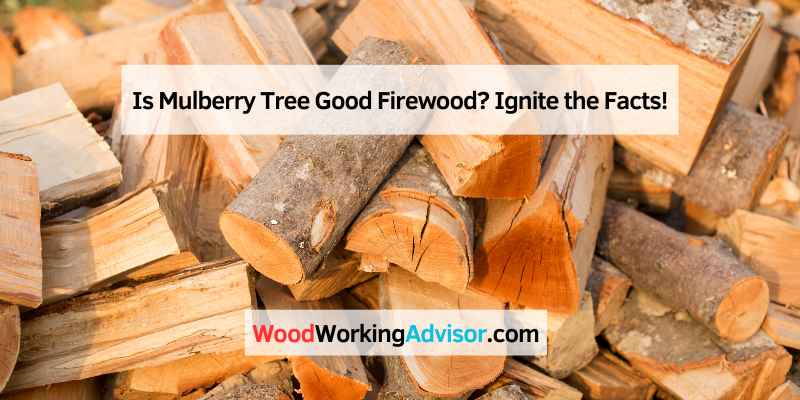
Yes, mulberry trees produce good firewood when properly seasoned. Their dense wood burns hot and offers a long-lasting fire.
Mulberry wood is gaining popularity among firewood enthusiasts for its excellent burning qualities. Known for its density, mulberry produces a high BTU (British Thermal Unit) output, making it a great choice for heating. However, its high moisture content when green necessitates a proper drying process for optimal performance.
Seasoning the wood for up to two years can significantly enhance its burning efficiency. Many users report that once adequately dried, mulberry firewood burns hotter than some traditional hardwoods like oak. This makes it an attractive option for those looking to maximize heat output while enjoying a cozy fire.
Mulberry Firewood: A Hidden Gem?
The Mulberry tree produces firewood that many consider a hidden gem. Its wood is dense and offers a high BTU output, making it a great choice for heating. Proper seasoning is crucial. Freshly cut mulberry wood contains high moisture. Allow it to dry for up to two years for best results.
Compared to other woods, mulberry burns hotter than oak. This makes it a valuable option for those needing efficient firewood. The flame is steady, and it produces minimal smoke, enhancing the overall experience.
| Wood Type | BTU Output | Seasoning Time |
|---|---|---|
| Mulberry | 25 million BTU | Up to 2 years |
| Oak | 24 million BTU | 1-2 years |
| Pine | 15 million BTU | 6 months |
Seasoning Mulberry Wood: A Time-intensive Process
Seasoning mulberry wood requires patience and the right techniques. The optimal drying process starts by splitting the logs into smaller pieces. This increases the surface area for moisture to escape. Stacking the wood in a well-ventilated area is crucial. Sunlight exposure helps speed up the drying.
Generally, drying mulberry wood can take several months to a year. Factors such as wood thickness and environmental conditions play a significant role. For best results, wait up to two years for complete seasoning. A well-seasoned mulberry log provides better heat and burns more efficiently.
Safety First: Sparks And Fire Hazards
Managing sparks during burning is crucial for safety. Mulberry wood can produce sparks when burned. To minimize this risk, always burn seasoned wood. Seasoned wood has lower moisture content, reducing the chance of sparking.
Use a fireplace screen to contain sparks. This barrier protects your home and keeps the fire contained. Check your chimney regularly to prevent creosote buildup. This buildup can lead to chimney fires.
For indoor use, ensure proper ventilation. Open a window or use an exhaust fan. Avoid burning wood in a closed space to prevent carbon monoxide buildup. Always have a fire extinguisher nearby for emergencies.
Versatile Uses Beyond Heating
Mulberry wood is versatile and suitable for various uses. It can be crafted into outdoor furniture due to its resistance to decay and insects. This characteristic makes it a great choice for patio tables and benches that withstand the elements.
In addition to furniture, mulberry wood is also perfect for fence posts. Its durability ensures a long-lasting structure that can handle weather changes. Shipbuilding is another application where mulberry excels. The wood’s strength and weathering properties make it ideal for constructing boats and docks.
Comparing Mulberry To Other Firewoods
Mulberry wood offers unique benefits compared to other types of firewood. In a heat output battle with oak, mulberry can burn hotter. This makes it a great option for those seeking efficient fuel.
Some woods, like willow and chestnut, are not ideal for burning. Willow produces a lot of smoke and burns at low temperatures. Chestnut creates weak flames and excessive smoke, making it less desirable. Gum wood poses a fire hazard, as it sparks easily.
| Wood Type | Heat Output | Smoke Production | Fire Hazard |
|---|---|---|---|
| Mulberry | High | Low | No |
| Oak | High | Medium | No |
| Willow | Low | High | No |
| Chestnut | Low | High | No |
| Gum | Medium | Medium | Yes |
User Experiences With Mulberry Firewood
User reviews on mulberry firewood show a mix of satisfaction and concerns. Many users praise its high heat output and pleasant aroma when burned. They mention how it creates a warm and cozy atmosphere during chilly nights. Some users feel it is a great option for campfires and outdoor gatherings.
Common complaints often focus on its moisture content. Users note that if not properly seasoned, mulberry firewood can produce excess smoke. Several reviewers suggest allowing the wood to dry for a longer period to enhance performance. Experiences vary, but overall, many appreciate the rich flavor it adds to their fires.
Environmental Impact And Sustainability
Harvesting mulberry for firewood can be eco-friendly. This tree grows quickly and produces a significant amount of wood. It can be a good choice for sustainable firewood. Mulberry trees are often seen as invasive in some areas, making removal beneficial for local ecosystems.
Maintaining a balance between demand and ecological preservation is vital. Using mulberry for firewood reduces waste and promotes responsible forestry. Sustainable practices ensure that the forest remains healthy while meeting the needs of firewood consumers.
By choosing to harvest mulberry, you contribute to a healthier environment. This practice allows for better land management and reduces the risk of disease in surrounding plants.
Finding And Preparing Mulberry Firewood
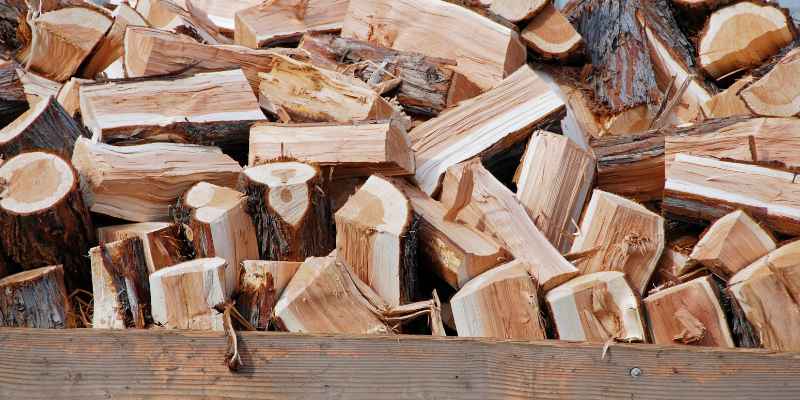
Finding quality Mulberry wood is essential for effective firewood. Look for logs that are dense and have minimal cracks. Inspect the bark; it should be intact and not peeling. A good sign of quality is dark coloration, indicating age and density.
For optimal burning, splitting Mulberry wood is crucial. Use a sharp axe or a log splitter for best results. Split the wood into smaller pieces to facilitate faster drying. Stack the wood off the ground to avoid moisture absorption.
Ensure that your stack is in a well-ventilated area with plenty of sunlight. This helps in drying the wood effectively. Cover the top of the stack to protect it from rain, but allow airflow to the sides.
Frequently Asked Questions
Can You Burn Mulberry Trees For Firewood?
Yes, you can burn mulberry trees for firewood. Mulberry wood is dense and produces a good amount of heat. It requires proper seasoning for optimal burning. Allow it to dry for up to two years for the best results. Enjoy its clean burn and pleasant aroma.
How Long Does It Take For Mulberry Firewood To Dry?
Mulberry firewood typically takes several months to a year to dry. Factors like log thickness and environmental conditions affect drying time. Split the logs and stack them in a sunny, well-ventilated area for best results. Proper seasoning enhances the wood’s burning quality.
What Trees To Avoid For Firewood?
Avoid using willow, alder, chestnut, and gum trees for firewood. Willow burns poorly and produces excessive smoke. Alder offers little heat for the effort. Chestnut creates a weak flame with high smoke output. Gum wood generates sparks, posing a fire hazard.
Choose hardwoods for better burning efficiency.
What Is Mulberry Tree Wood Good For?
Mulberry tree wood is excellent for outdoor furniture due to its durability. It resists decay and insect damage, making it suitable for fence posts and shipbuilding. Additionally, it serves well as firewood, providing high heat output when properly seasoned.
Conclusion
Choosing mulberry wood for firewood can be beneficial if properly prepared. Its high BTU rating makes it an excellent heat source. However, patience is key; allowing the wood to season adequately is crucial for optimal performance. With the right care, mulberry trees can provide you with a warm and enjoyable fire experience.