Is Poplar Good for Cabinets? Janka Score, Cost & Durability
Poplar is a true hardwood botanically, but at just 540 lbf on the Janka scale it is one of the softest — even softer than pine. That means poplar cabinets dent and scratch more easily than oak or maple, especially in busy kitchens. This guide breaks down poplar’s real hardness numbers, how it stacks up against maple, pine, and MDF, and when painted poplar cabinets are a smart buy versus when to upgrade.
Quick Answer
Yes, poplar works well for cabinets if you plan to paint rather than stain them. Its soft 540 lbf Janka rating means it dents and blotches under stain more than maple or oak. Choose poplar for an affordable painted kitchen; choose maple or oak for a stained finish or heavy daily use.
📊 Poplar rates just 540 lbf on the Janka hardness scale — softer than pine (690 lbf) and far softer than hard maple (1,450 lbf). Source: The Wood Database, Yellow Poplar species profile.
Is Poplar Or Maple Better for Cabinets?
Best Primer Pick for Poplar Cabinets
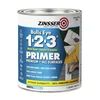
Zinsser Bulls Eye 1-2-3 Water-Base Primer & Sealer, White, Quart – $9.55
Poplar’s mineral streaks and low Janka hardness (540 lbf) mean bare wood needs a real primer before paint, not just a light coat — this is the general-purpose sealer for that job.
- Best for: General-purpose priming before painting poplar cabinet doors and drawer fronts
- Why we picked it: Seals poplar’s mineral streaks and stops the blotchy stain absorption this guide covers, so your topcoat goes on even
- Main drawback: Needs a light sand between coats for a fully smooth painted finish
Compare more primer/sealer options for poplar cabinets
 Option 1 Zinsser Cover-Stain Oil-Base Primer-Sealer Spray, White – $7.97
|
 Option 2 Rust-Oleum Zinsser 3954 Odorless Oil-Base Stain Blocker Primer, Quart, White – $21.35
|
 Option 3 Zinsser Bulls Eye 1-2-3 Plus Spray Primer, White, 13oz – $9.98
|
As an Amazon Associate we earn from qualifying purchases.
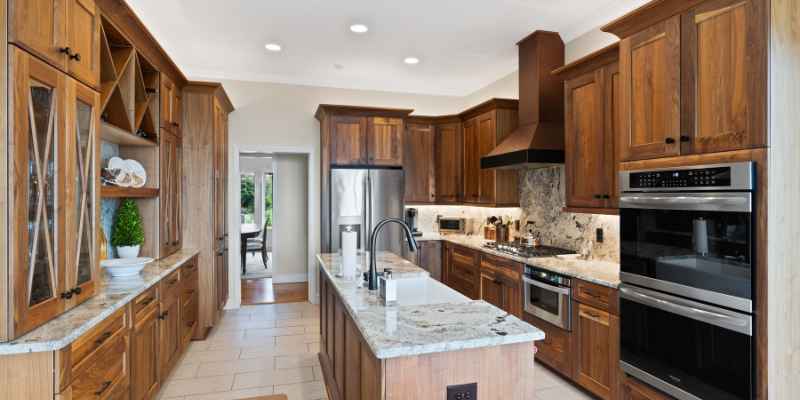
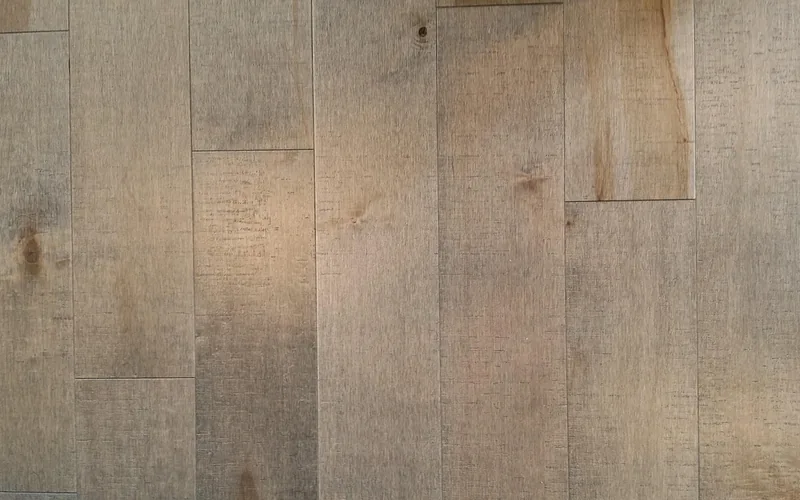
There are a few things to consider when deciding between poplar or maple cabinets. The first is the overall look you are going for in your kitchen. Poplar cabinets may be the way to go if you want a more modern, painted look. They have clean lines and can be painted or stained in any color you like. Maple cabinets tend to have a more traditional look and feel to them. They are also available in both light and dark finishes. The second thing to consider is cost. Poplar cabinets are usually less expensive than maple cabinets. However, maple is probably the better option if you want the highest-quality, longest-lasting cabinets possible. It is important to remember that cheaper does not always mean better when it comes to cabinetry. Finally, consider how much wear and tear your new cabinets will see. Choose durable maple cabinets over poplar ones if you have young children or pets. Maple is a harder wood and will withstand more abuse than poplar. If you consider all of these factors, you should be able to decide which type of cabinet is best for your kitchen.
Is Poplar Better Than Pine for Cabinets?
There are a few different factors to consider when deciding whether poplar or pine cabinets are better for your home. Poplar is generally more expensive than pine, but it is also more durable and tends to last longer — poplar’s 540 lbf Janka rating is still higher than pine’s roughly 420 lbf softwood equivalent for interior pine species. Pine cabinets may be less costly upfront, but they may need to be replaced sooner due to wear and tear. Poplar cabinets also tend to resist warping and splitting better than pine cabinets.
What is the Best Wood for a Cabinet?
There are many different types of wood that can be used for cabinets, so it depends on what you are looking for in terms of aesthetics and functionality. Some popular woods used for cabinets include maple, cherry, oak, and hickory. Each type of wood has its unique grain pattern and color, so choosing the one that best fits your style is essential. Maple is a light-colored wood with a smooth grain texture, making it a popular choice for contemporary designs. Cherry is a darker wood with a more pronounced grain pattern, which gives it a rich and elegant look. Oak is a solid, durable wood that resists scratches and wears, making it ideal for high-traffic areas such as kitchens. Hickory is also firm and durable but has a more rustic appearance with its distinctive knots and grains.
What is Poplar Wood Best Used For?
Poplar wood is most commonly used for construction purposes, such as in creating plywood and veneers. It can also be used for furniture-making, cabinetry, and flooring. Poplar is a relatively soft wood by Janka rating, so it is not ideal for uses that require a lot of wear and tear, such as in high-traffic areas or on floors that will see a lot of foot traffic.
Poplar Cabinets: Pros, Cons, and How to Make Them Last
Poplar is a true hardwood, but it is one of the softest available, so weigh these trade-offs before choosing it for cabinets. On the plus side, poplar is inexpensive, lightweight, and easy to work with — ideal for DIY builds and budget kitchen remodels. It also takes paint smoothly and has a fine, even grain that reads as clean and modern once finished. On the downside, poplar is not as strong as oak or maple, and its low Janka rating means it is more prone to denting, warping, and surface cracking over time, especially without a protective topcoat. To make poplar cabinets last, seal every surface (not just the front), keep them away from standing moisture, and reprime any bare wood that gets exposed through daily wear.
Best Wood for Cabinets
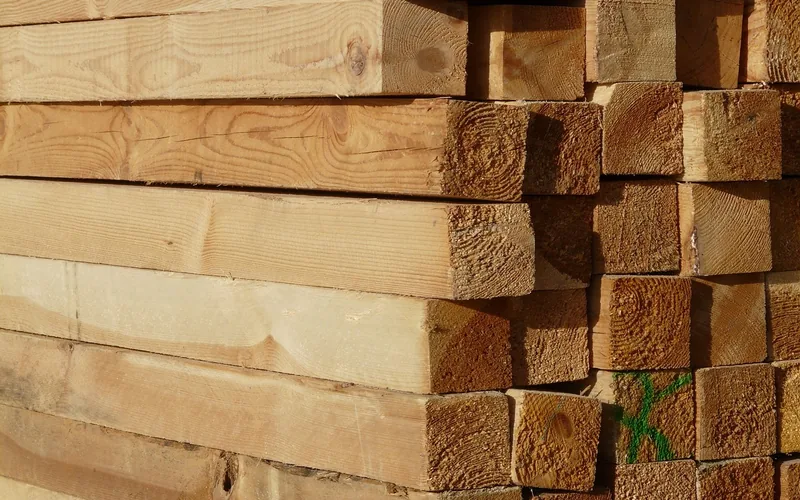
There are a few factors to consider when selecting the best wood for your cabinets. The most crucial factor is the climate in which you live. If you live in an area with high humidity near the ocean, you will want to select a wood resistant to rot and decay, such as cedar or redwood. If you live in a dry climate, any hardwood will do. Another factor to consider is the overall style of your kitchen. If you have a modern kitchen with stainless steel appliances, you will want to select a wood that has a clean look, such as maple or cherry. If your kitchen is more traditional, you can get away with more ornate wood, such as mahogany or walnut. Finally, think about how much wear and tear your cabinets will see. Woods like oak and hickory are good choices for high-traffic kitchens. No matter what type of wood you ultimately choose for your cabinets, make sure it fits your budget and your style.
Best Wood for Painted Cabinets
When choosing the best wood for painted cabinets, there are a few things to consider. The first is the grain pattern of the wood. Some woods, like cherry and maple, have a distinct grain that can show through even when painted. If you prefer a more uniform look, then wood like birch or poplar may be better suited. Another factor to consider is the hardness of the wood. Harder woods will resist nicks and scratches better than softer woods, but they can also be challenging to paint evenly due to their density. Softer woods like poplar or pine may be easier to paint but require more frequent touch-ups. Ultimately, the best wood for painted cabinets meets your aesthetic and practical needs.
Introduction To Poplar Wood
| Characteristic | Description |
|---|---|
| Weight | Light and easy to handle |
| Texture | Smooth surface |
| Paintability | Absorbs paint and stains well |
| Janka Hardness | 540 lbf — one of the softest cabinet-grade hardwoods |
| Cost | Affordable compared to other hardwoods |
Poplar’s Popularity In Cabinetry
| Wood Type | Cost | Janka Hardness | Best For |
|---|---|---|---|
| Poplar | Low | 540 lbf | Painted cabinets, budget remodels |
| Oak | Medium | 1,290 lbf | High-traffic kitchens, stained finishes |
| Maple | Medium | 1,450 lbf | Durable painted or stained cabinets |
Environmental Impact
| Eco-Friendly Practices | Description |
|---|---|
| Responsible Harvesting | Trees are cut down in a way that maintains forest health. |
| Replanting | New trees are planted to replace those that are harvested. |
| Low Chemical Use | Poplar often requires fewer chemicals during growth. |
Frequently Asked Questions
Does Poplar Wood Scratch or Dent Easily?
Yes. With a Janka hardness of just 540 lbf, poplar is softer than pine and far softer than oak or maple, so it picks up dents and scratches faster in daily kitchen use. A hard, durable topcoat and careful handling reduce the damage, but poplar will never resist wear as well as a harder hardwood.
Is Poplar or MDF Better for Cabinet Doors?
Poplar is the better structural choice — it holds screws and hinges more securely and resists moisture damage better than MDF, which swells if it gets wet. MDF is more dimensionally stable and slightly cheaper for flat panel centers. Many cabinet shops use a poplar frame with an MDF center panel to get both benefits.
Can Poplar Cabinets Be Stained Instead of Painted?
Technically yes, but it is not recommended. Poplar’s grain often has green, gray, or purple mineral streaks that blotch unevenly under stain. Nearly every cabinet maker treats poplar as a paint-grade wood and reserves stain-grade projects for maple, oak, or cherry instead.
Is Poplar Wood Expensive Compared to Other Cabinet Woods?
No, poplar is one of the most affordable cabinet-grade hardwoods, typically costing noticeably less per board foot than maple, oak, or cherry. That price gap is the main reason poplar remains popular for budget kitchen remodels and painted cabinetry.
Conclusion
Poplar is a genuine hardwood, but its low 540 lbf Janka rating makes it one of the softest options on the market — great for a budget-friendly painted kitchen, less ideal if you want a stained natural finish or heavy-duty daily use. Prime it well, paint rather than stain it, and poplar cabinets can look sharp and last for years despite the lower price tag.
Sponsored / affiliate links. As an Amazon Associate I earn from qualifying purchases. I may earn additional commission from eligible campaigns.