Is Teak Wood Safe For Cooking Utensils: Essential
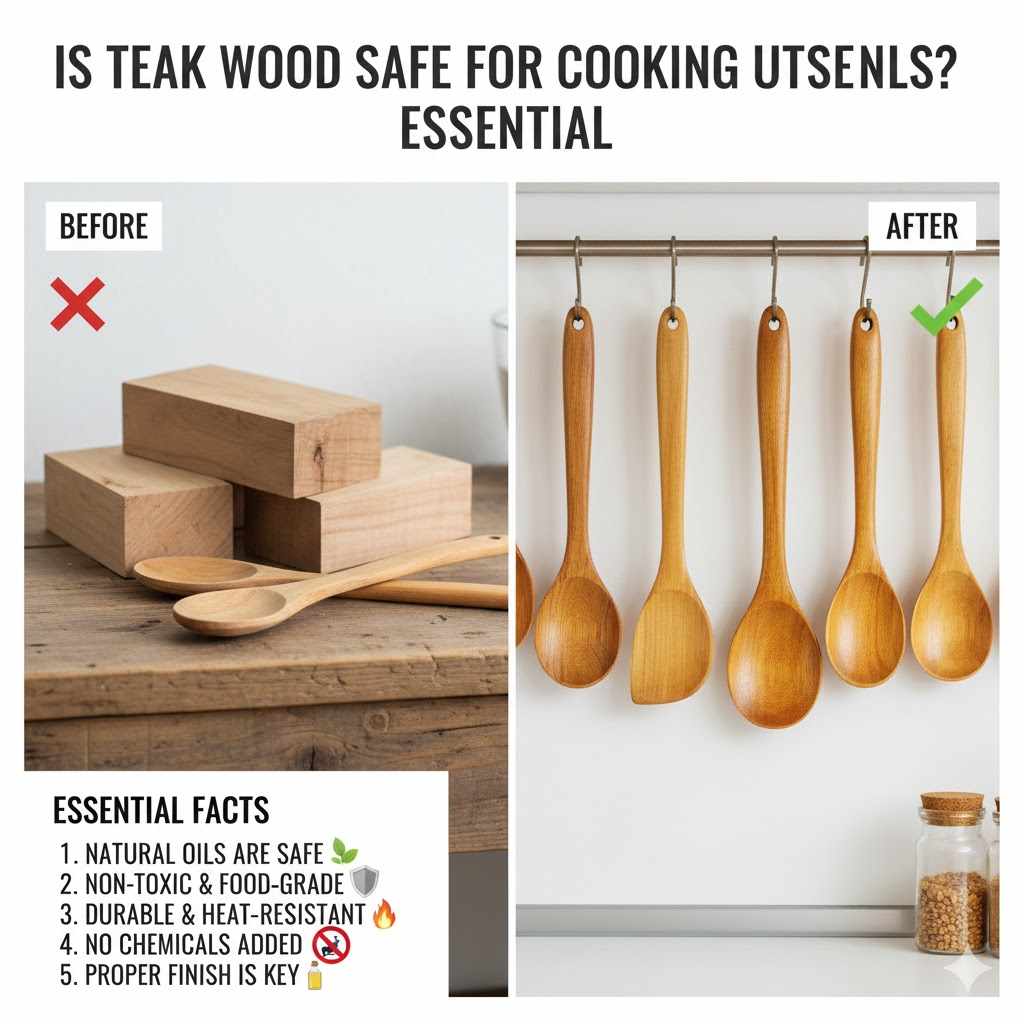
Quick Summary: Yes, well-maintained, untreated teak wood is generally safe for cooking utensils. Its natural oils make it durable and somewhat water-resistant, but always ensure it’s food-grade and never treated with harsh chemicals before using it near your kitchen prep.
Welcome to the workshop! As a mentor who loves helping folks bring functional beauty into their homes, I often get asked about wood choices in the kitchen. We all want cooking tools that last and, most importantly, are safe for our families. You might have heard that teak is wonderful for outdoor furniture, but what about stirring your spaghetti sauce?
The question, “is teak wood safe for cooking utensils,” is common because we need reliability near our food. Don’t worry, we’ll clear up the myths and facts about using this beautiful hardwood in your daily cooking right now. Let’s grab our safety glasses and dive into what makes teak a fantastic, safe choice when prepared correctly.
Understanding Teak: Why Wood in the Kitchen Matters
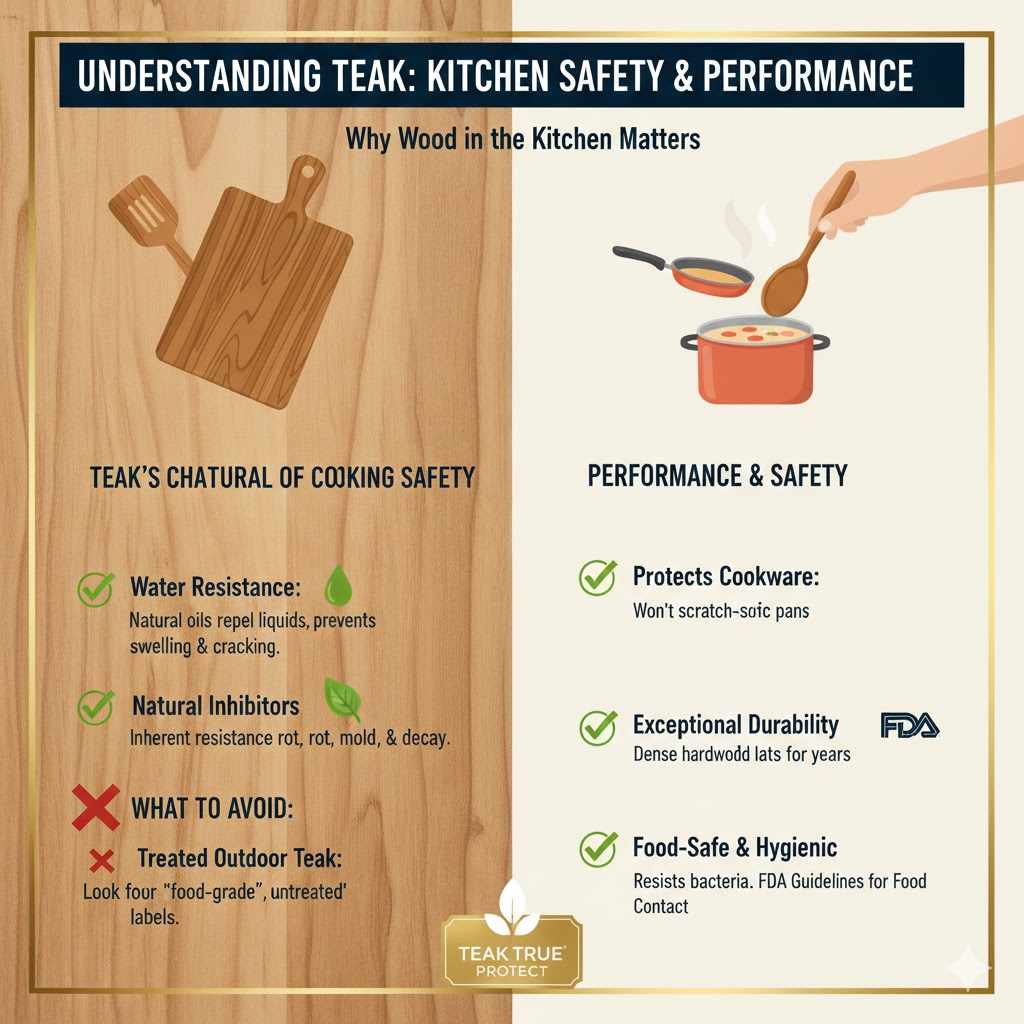
Choosing the right wood for kitchen tools isn’t just about looks; it’s about safety and performance. Unlike metal, wood won’t scratch your favorite non-stick pans. Unlike cheap plastics, quality wood lasts for years. When we look at teak (Tectona grandis), we are looking at a premium hardwood celebrated for its toughness.
The Chemistry of Cooking Safety
When assessing any wood for food contact, we must look at what the wood contains naturally. We want dense wood that resists splintering and warping. We especially want to avoid woods that leach harmful compounds or absorb too much moisture and encourage bacterial growth.
Teak excels here because of its natural oils, primarily Tectoquione. These natural oils provide two major benefits in a wet environment like a kitchen sink or while stirring hot soups:
1. Water Resistance: The oils act as a natural sealant, meaning the wood doesn’t soak up liquids and swell or crack easily.
2. Natural Inhibitors: These oils give teak inherent resistance to rot, decay, and, importantly for utensils, insects and mold growth.
This means that naturally, teak fights off many of the issues that plague softer woods when frequently exposed to hot, wet conditions.
What To Avoid: The Chemical Factor
The key concern with wood safety is not the wood itself, but what is put on it. For instance, outdoor teak furniture is often treated with finishes that are absolutely not food-safe. If you buy a piece of teak advertised for outdoor decking, do not assume it is safe for eating near or cooking with.
Always look for utensils specifically labeled as “food-grade,” “untreated,” or “finishing oil only.”
According to the U.S. Food and Drug Administration (FDA), materials used in contact with food must not transfer harmful amounts of chemicals or bacteria to the food (Source: FDA Guidelines for Food Contact Surfaces). This means the utensil must be dense enough and finished with non-toxic, safe materials (or left unfinished) to maintain integrity during washing and use.
Teak vs. Other Woods: A Kitchen Comparison
To appreciate teak’s role, it helps to see how it stacks up against other popular woods used for spatulas and spoons. This comparison focuses on properties critical for safe, durable kitchen use.
| Wood Type | Natural Oil Content | Hardness (Janka Rating – Pound-force) | Food Safety Notes |
|---|---|---|---|
| Teak | High (excellent natural resistance) | ~1,000 lbf | Very safe if untreated; resists bacterial absorption well |
| Maple | Low | ~1,450 lbf | Very hard, low porosity; excellent food wood but needs oiling |
| Bamboo (Grass) | Low | Variable (hard) | Popular and renewable; glued seams may lift over time |
| Walnut | Medium | ~1,010 lbf | Safe and beautiful; darker color may show stains more easily |
As you can see, teak offers a great balance. While maple is slightly harder, teak’s inherent natural oils provide better protection against moisture absorption without requiring constant maintenance with mineral oil, which is the usual fix for drier woods.
Safety Check: Essential Guidelines for Using Teak Utensils
If you decide to use teak for your cooking implements—and I highly recommend it if sourced correctly—there are simple rules to follow. Think of this as seasoning your wood, just like you would season a cast-iron pan!
1. Sourcing and Initial Preparation
The journey from tree to spoon is crucial for safety. You must start with clean, raw material.
- Confirm Food Grade: Buy teak spoons, cutting boards, or slats specifically marketed for kitchen use. Avoid reclaimed wood or pieces clearly intended for outdoor landscaping unless you have confirmed the wood was never treated with harmful chemicals, pressure treatments, or sealants.
- Inspect the Finish: Ensure the utensil is either completely unfinished or finished only with a food-safe oil (like mineral oil or specialized cutting board wax). If it has a glossy, plastic-like finish, it is likely coated with lacquer or polyurethane, which is NOT food safe when cut or scraped during stirring.
- Initial Cleaning: Wash new wooden items thoroughly with warm, soapy water before first use. This removes any dust or manufacturing residue.
2. Proper Maintenance for Longevity and Safety
Safety in the kitchen also means hygiene. Dense, well-oiled wood resists germs better than porous, dry wood.
- Never Soak: This is the golden rule for all wooden utensils. Soaking causes wood fibers to swell, leading to cracking and warping over time. This opens the wood up to trapping moisture and bacteria.
- Hand Wash Only: Dishwashers are the enemy of wood. The high heat and prolonged water exposure will quickly destroy the glue joints (if applicable) and strip the natural oils from the teak, leading to dull, dry, and potentially splintering tools.
- Dry Immediately: After washing, dry your teak utensil with a towel right away, then allow it to air dry standing up in a well-ventilated area.
- Re-oiling Schedule: Even though teak is naturally oily, regular use in hot water will gradually leach out those protective oils. We recommend re-oiling your teak cooking tools every 1–3 months, depending on how often you use them.
Choosing the Right Food-Safe Oil
What should you use to re-oil your safe teak utensils? Stick to oils that won’t go rancid (sour) when exposed to air and heat.
For oiling wooden tools, use a simple food-grade finish. Mineral oil (often sold as butcher block oil) is the industry standard because it never goes rancid and is inexpensive. You can also use pure Tung oil (ensure it is 100% pure, polymerized Tung oil—check that it is food safe, as some finishes contain solvents) or even certain food-grade waxes like beeswax blends.
Do NOT Use: Vegetable oils like olive, canola, or sunflower oil. While they are technically edible, they oxidize and go rancid very quickly when left on the surface of the wood, leading to bad smells and tastes clinging to your food.
Addressing Common Worries: Bacteria and Porosity
One of the biggest fears folks have when moving away from plastic or metal tools is bacteria lurking in the wood grain. This is a very valid concern, and the good news is that science has actually shown that wood, under the right conditions, can be quite hygienic.
The Science of Wood Absorption
When comparing dry wood to a plastic surface, studies suggest that wood’s microscopic structure, which allows it to absorb and then release moisture slowly, can actually trap bacteria below the surface. As the wood dries out, the bacteria trapped within die. This is one reason high-end commercial kitchens often favor wooden cutting boards.
For teak, this natural defense mechanism is amplified by its high natural oil content, meaning the wood surface remains less absorbent to liquids (and thus bacteria) compared to dry woods like beech or maple.
If you adhere strictly to the hand-washing and drying routine, your teak utensil is less likely to become a bacterial breeding ground than a plastic utensil that has deep scratches from years of use.
Cleaning and Sanitizing Teak Tools
When you feel your utensil needs a deep clean, here is the gentle, non-damaging way to sanitize it:
Use a dilute mixture of white vinegar and water (about 1 part vinegar to 4 parts water). Wipe down the utensil thoroughly, let it sit for five minutes, and then rinse immediately. Dry it right away. Vinegar is a mild acid that kills many surface germs without severely stripping the wood’s natural oils or harshness of bleach.
We must be careful with strong sanitizers. Harsh chemicals or prolonged soaking in strong bleach solutions can dry out the teak completely, weakening the wood fibers and removing the protective oils, thereby increasing its susceptibility to harboring germs in future uses. Always err on the side of gentleness when caring for wood tools.
Crafting Your Own Teak Utensils (The DIY Safety Route)
If you are a DIY enthusiast like me, you might be considering carving or shaping your own utensils from raw teak blanks. This gives you complete control over the safety profile, as you know exactly where the wood came from and what oils (if any) touched it.
Tools You Might Need (Beginner Setup)
If you are shaping a simple spatula or spoon, you don’t need a full industrial setup. Safety first, always protect your eyes!
- Wood Blank (Kiln-dried Teak is best)
- Spokeshave or Power Carving Tool (for rough shaping)
- Rasps and Files (for smoothing curves)
- Sanding blocks (Grit progression: 80, 150, 220)
- Food-safe mineral oil and clean rags for finishing
Step-by-Step Shaping for Food Safety
Crafting a utensil that’s safe to use requires attention to the final surfaces—no tool marks should remain where food can get trapped.
- Design & Rough Cut: Sketch your spoon shape onto the teak blank. Use a bandsaw (if available) or a coping saw to cut out the general profile. If you don’t have power tools, you can patiently use a quality carving knife for this step.
- Shaping the Profile: Use your spokeshave or rasps to create the necessary curves for the handle comfort and the bowl shape of the spoon. Work slowly, removing material gradually.
- The Sanding Ritual: This is the most critical step for hygiene. You must sand meticulously through all the grits up to at least 220 grit. When you think you are done sanding, sand it one more time! Smooth surfaces resist stains and bacteria buildup better than rough ones.
- The Final Rinse: Wipe the entire utensil down with a damp cloth to raise any last, tiny wood fibers (called ‘fuzzies’) that the sanding may have missed. Let it dry for a few hours.
- The Final Sanding: Once dry, lightly sand again with your finest grit paper (220 or 320). This creates a glass-smooth surface.
- Oiling Ceremony: Saturate the entire utensil liberally with food-grade mineral oil. Let it soak in for at least an hour (or overnight). Wipe off any excess oil thoroughly. Repeat the oiling process 2–3 times until the wood stops readily absorbing the oil.
A professionally sanded and properly oiled teak piece will feel smooth, resist staining, and be wonderfully safe for stirring your Sunday sauce. For more in-depth tool handling safety, always consult manufacturer guides or respected educational resources, like those provided by organizations focused on home safety in the shop (check the guidelines published by reputable workplace safety institutions for general tool handling tips).
Troubleshooting Common Teak Utensil Issues
Even with the best care, problems can arise. As your friendly woodworking mentor, let’s address how to fix common issues so you don’t have to toss that expensive teak spoon!
Issue 1: The Spoon Has a Funny Smell or Stain
This usually happens if a highly acidic food (like tomato sauce or vinegar-based dressing) sat on the wood too long, or if a less-than-ideal cooking oil was used for re-oiling.
The Fix:
- Create a paste of baking soda and a few drops of water.
- Gently scrub the stained or smelly area with the paste using a soft cloth, working with the grain. Baking soda is a mild abrasive and a natural deodorizer.
- Rinse immediately and dry.
- Once dry, re-oil the entire piece completely to restore the protective layer.
Issue 2: Minor Cracks or Splintering Appear
Cracking happens when the wood loses moisture too rapidly, often after being left near direct, high heat or getting too dry from improper storage.
The Fix:
If the crack is very small, moisten a fine-grit (400 grit) sanding block very slightly with mineral oil. Gently rub over the crack area. The oil may help swell the fibers just enough to seal the crack shut when rubbed. For slightly larger cracks, apply a thick coat of mineral oil and allow it to soak overnight before wiping off the excess.
If the splintering is significant or the crack is deep, the structural integrity is compromised, and that utensil should unfortunately be retired from cooking and perhaps repurposed as a stirring stick for paint or garden markers.
Issue 3: The Wood Looks Dull and Dry
This is a sign you need to oil the utensil ASAP. Dry wood loses its protection against moisture and bacteria.
The Fix:
Give it the full re-oiling treatment described above (Step 5 in the crafting section). Don’t be shy—apply the oil liberally and let it soak. A happy, oiled wooden utensil looks slightly damp, feels smooth, and resists water spots.
The Beginner’s Confidence Checklist for Teak
Here’s a simple checklist to reassure you that your choice of teak is safe and smart:
| Safety Aspect | Teak Performance | Action Needed? |
|---|---|---|
| Toxicity/Leaching | Naturally safe (food-grade only). | Yes, confirm it’s untreated. |
| Water Resistance | Excellent due to natural oils. | Monitor for drying out. |
| Hygiene | Resists bacterial absorption when maintained/oiled. | Yes, wash gently and dry immediately. |
| Durability | Very high hardness rating. | Low concern, lasts for decades with care. |
By taking proactive steps—choosing safe sources and maintaining the finish—you ensure your teak tools are not just beautiful additions to your kitchen but perfectly safe working partners.

Frequently Asked Questions (FAQ) About Teak Kitchen Tools
Here are the quick answers to the most common questions I hear about using teak in the kitchen.
Q1: Can I use boiled linseed oil on my teak cooking spoon instead of mineral oil?
A: No, generally avoid traditional linseed oil for direct food contact surfaces. While natural, many linseed oils available contain metallic dryers that are toxic. Stick strictly to food-grade mineral oil or pure, polymerized Tung oil.
Q2: Does teak wood easily absorb odors from foods like garlic or fish?
A: Because teak is dense and naturally oily, it absorbs odors much less readily than softer woods. However, if an odor persists, use the baking soda paste scrub followed by a thorough rinsing and re-oiling to refresh the surface.
Q3: Is it okay to put teak utensils in the sink to soak while I wait to wash them?
A: Never leave any wood utensil to soak. Even teak, which is highly water-resistant, can degrade, crack, or warp if left standing in water for hours. Wash them right after use and dry them.
Q4: If my teak utensil came from a hardware store meant for outdoor use, can I sand the finish off and use it?
A: This is risky. You can never be 100% sure all toxic coatings are removed just by sanding, especially if the wood was pressure-treated. For kitchen use, I always advise beginners to buy utensils explicitly manufactured and labeled as food-safe.
Q5: How long do well-maintained teak utensils typically last?
A: Properly cared for—meaning hand-washed and periodically re-oiled—good quality teak cooking utensils can easily last twenty years or more, often becoming smoother and richer in appearance with age.
Q6: Are there any known allergic reactions associated with teak?
A: While generally considered safe, some individuals may experience mild dermatitis (skin irritation) from direct, prolonged contact with the raw wood dust, a risk more common during the shaping or sanding process. Actual allergic reactions to finished, food-contact teak are rare.
Conclusion: Your Confident Choice for Kitchen Craftsmanship
Bringing beautiful, durable materials like teak into your cooking space doesn’t have to be a source of stress or worry. We’ve walked through the essential safety considerations, and the verdict is clear: Yes, food-grade teak wood is safe for cooking utensils.** Its natural resilience, thanks to those high oil contents, makes it a superb choice that balances aesthetics with low maintenance compared to many other hardwoods.
Remember the keys to success: Buy only food-safe products, commit to gentle hand-washing, and maintain that protective layer of mineral oil. By treating your teak tools with the respect any quality woodworking deserves, you are investing in functional art that will serve your family well for many years to come. Go ahead, enjoy stirring that soup with your handsome new teak spoon; you’ve earned the confidence of crafting or choosing well-made kitchenware!