Where Can I Get Teak Wood for Projects? (Sources + Grades)
Teak for woodworking projects comes from three main sources: local lumberyards and marine wood specialists (best for hand-picking boards), online hardwood retailers (best selection and pricing), and reclaimed/salvage yards — but avoid teak traced to Myanmar’s state-controlled timber enterprise, which has been under U.S. sanctions since 2021. This guide covers where to buy, how to read teak grades, and how to verify a supplier’s wood is legitimately and legally sourced.
Where to Buy Teak Wood
Best Teak Board Pick for Small Projects
 |
Teak Thin Stock Lumber, 3/4in x 4in x 24in Kiln-Dried Board – $34.99 A single kiln-dried genuine teak (Tectona grandis) board sized for cutting boards, small furniture parts, or boat trim — no minimum order or lumberyard trip required.
|
As an Amazon Associate we earn from qualifying purchases.
Teak’s durability, natural oils, and warm color make it a favorite for furniture, boats, and outdoor projects. Where you buy it changes what you get: hands-on inspection at a lumberyard, wider selection online, or a sustainable option through reclaimed sources.
| Source | Best For | Trade-off |
|---|---|---|
| Local lumberyards / marine wood specialists | Hand-selecting boards, expert grading advice, milling to size | Limited stock, prices vary by region |
| Online hardwood retailers | Wide selection, easy price comparison, small quantities | Can’t inspect the actual board before buying; factor in shipping |
| Reclaimed / salvage yards | Sustainable sourcing, often cheaper, unique character | Grading is inconsistent; inspect each board individually |
Local Lumberyards and Marine Wood Specialists
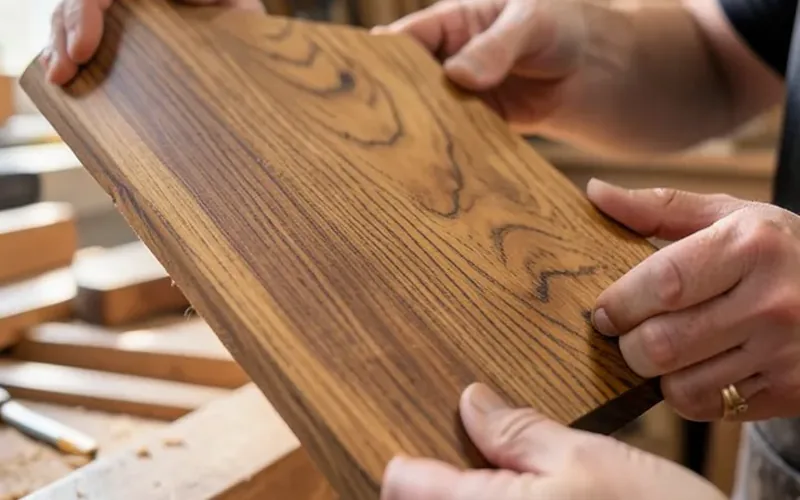
Local lumberyards and marine wood specialists let you physically inspect grain and check for knots before buying, and staff can usually mill or plane boards to your exact dimensions. Availability and pricing vary a lot by region — boat-heavy coastal areas tend to have better teak selection than inland lumberyards.
Online Hardwood Retailers
Online retailers offer the widest selection and easiest price comparison, with detailed listings covering grade, dimensions, and origin. You can’t inspect the specific board before it ships, so check seller reviews and ask about country of harvest before ordering — especially for larger orders where a bad batch is expensive to return.
Sourcing Teak Legally and Sustainably
Not all teak sources are equal from a legal or sustainability standpoint, and this is the part most buying guides skip entirely.
📊 The U.S. sanctioned Myanmar’s state-controlled Myanmar Timber Enterprise in 2021, yet documented investigations found thousands of tons of Myanmar-origin teak still entering U.S. supply chains afterward — an FSC label alone hasn’t reliably screened this out. Ask suppliers for the country of harvest, not just a certification logo. Source: SupplyChainBrain, 2026
Look for plantation-grown teak from India, Indonesia, or Central America, and ask any supplier directly which country the wood was harvested in — an FSC certification alone hasn’t reliably screened out Myanmar-origin wood in past investigations. Reputable retailers will answer this question without hesitation; hesitation or vague answers are a red flag.
Understanding Teak Grades
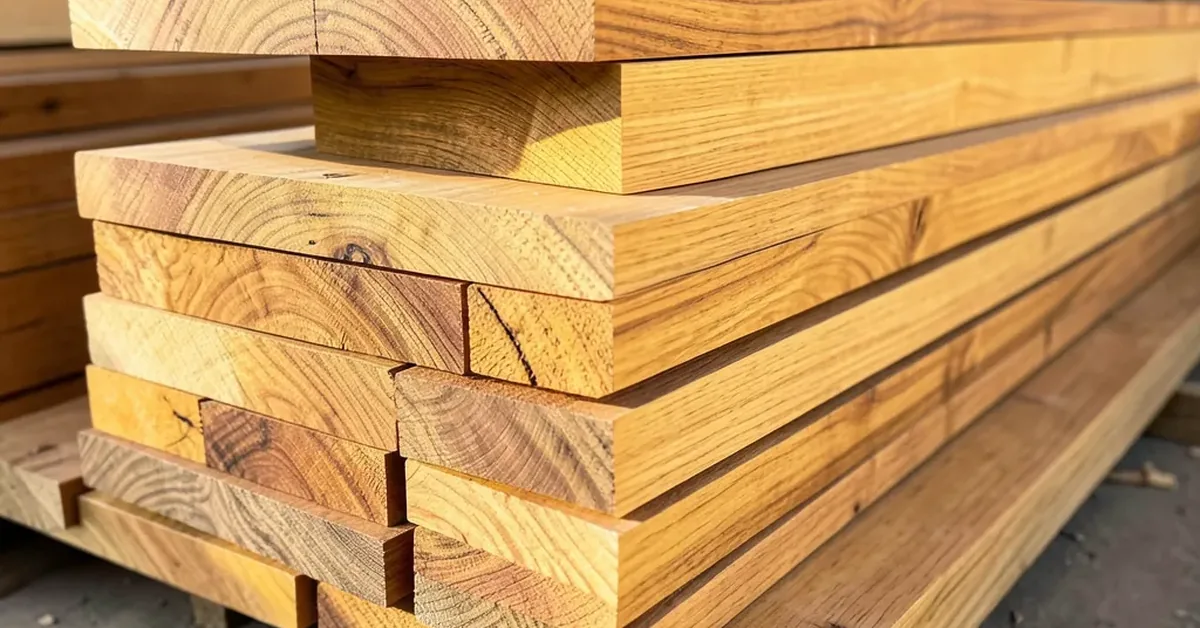
Teak is graded by grain consistency, knot frequency, and color. Higher grades cost more but aren’t always necessary — a structural component hidden inside a build doesn’t need Grade A appearance.
| Grade | Characteristics | Best Use |
|---|---|---|
| Grade A | Consistent grain, minimal knots, vibrant color | Fine furniture, visible decking |
| Grade B | Some knots, slightly less consistent grain | Outdoor furniture, boat construction |
| Grade C | More knots and grain variation | Structural components, hidden parts |
| Reclaimed | Grade depends on the salvaged piece’s condition | Sustainable projects, character pieces |
Why Teak Costs More Than Other Hardwoods
Teak’s high natural oil content is what makes it resist moisture, rot, and insects without any finish at all, and its tight grain adds strength and dimensional stability across humidity swings. That combination of properties — plus slower plantation growth cycles compared to faster hardwoods — is why teak runs noticeably more expensive than oak or pine per board foot.
Maintaining Teak After You’ve Bought It
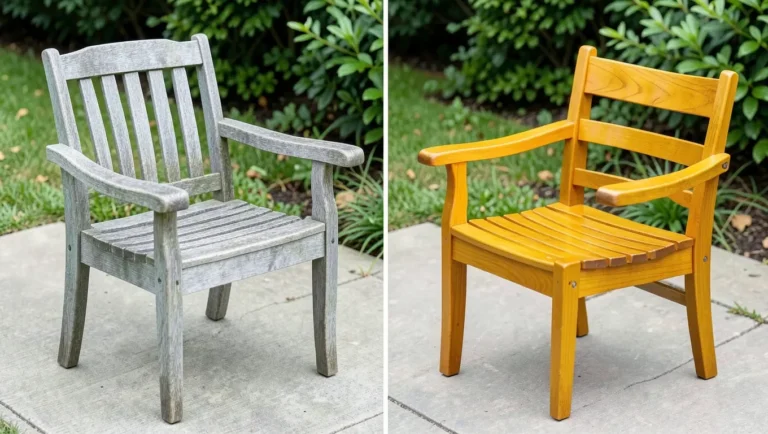
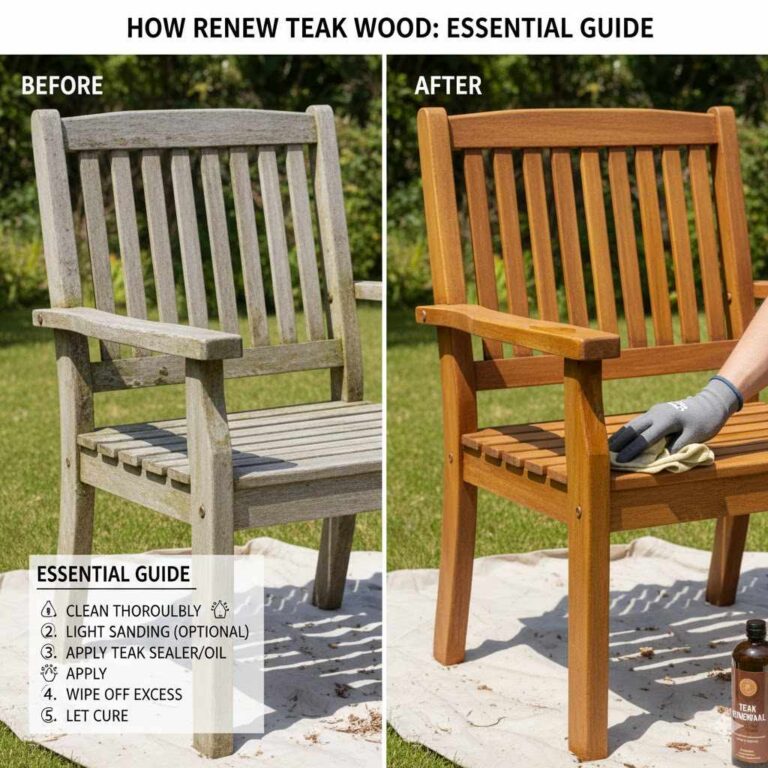
Clean teak with mild soap, water, and a soft brush — harsh chemicals strip the natural oils that make teak weather-resistant in the first place. Oiling every few months on outdoor pieces maintains the golden color, though it’s cosmetic rather than protective: teak left completely unoiled just weathers to a silvery-gray patina without losing structural integrity.

Frequently Asked Questions
Where does teak wood come from?
Most teak sold today is plantation-grown in India, Indonesia, Central America, and Africa. Myanmar was historically the largest source of old-growth teak, but its state timber enterprise has been under U.S. sanctions since 2021, so verify country of origin rather than relying on an FSC label alone.
Is it legal to buy teak wood in the US?
Yes, teak itself isn’t banned, but wood traced to Myanmar’s military-controlled Myanmar Timber Enterprise is subject to U.S. sanctions. Ask your supplier directly which country the wood was harvested in, and favor plantation-grown teak from India, Indonesia, or Central America.
What’s the difference between Grade A, B, and C teak?
Grade A has the most consistent grain and fewest knots, making it the choice for visible furniture and decking. Grade B has some knots and works well for outdoor furniture or boat parts. Grade C has more grain variation and knots and suits structural or hidden components where appearance doesn’t matter.
How often should I oil teak furniture?
Every few months for outdoor pieces exposed to sun and rain, less often for indoor furniture. Teak’s natural oils already resist moisture and rot on their own — regular oiling mainly maintains the golden color rather than protecting structural integrity, since teak left completely unoiled just weathers to a silvery gray without damage.
Conclusion
For hand-picking boards, start at a local lumberyard or marine wood specialist. For selection and price comparison, buy online — and ask about country of harvest either way, since sanctioned Myanmar-origin teak has documented ways of slipping past certification labels. Match the grade to the job: Grade A for anything visible, B or C for structural parts, and you’ll get exactly the teak your project actually needs without overpaying.
Sponsored / affiliate links. As an Amazon Associate I earn from qualifying purchases. I may earn additional commission from eligible campaigns.