Seamless Teak Wood Texture Ideas for Modern Interiors
Teak’s texture — tight, straight grain running through a warm golden-brown color that deepens to honey over time — is what makes it one of the most requested wood surfaces in modern interior design, from flooring and paneling to furniture and cutting boards.
Unlike oak’s bold, open grain or walnut’s dark swirling figure, teak’s texture reads as calm and consistent — fine, uniform grain lines with a naturally oily sheen that catches light without needing a glossy finish. That’s exactly why it shows up so often in minimalist and Scandinavian-influenced modern interiors: it adds warmth and natural texture without competing with clean lines and neutral palettes.
What Gives Teak Its Distinctive Texture
Best Finish to Preserve Teak’s Natural Texture
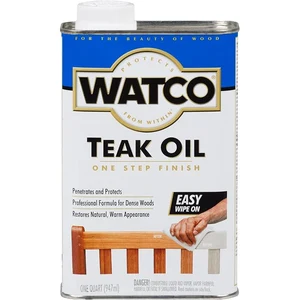 |
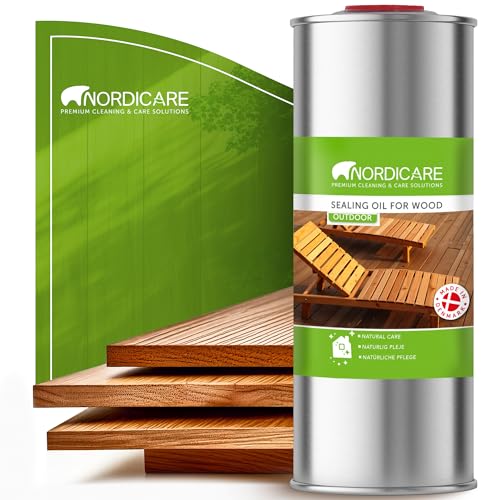
Watco Teak Oil Finish (Quart) – $18.79 This is the standard finish referenced above for keeping teak’s warm color and smooth texture indoors without a plastic-looking sheen.
|
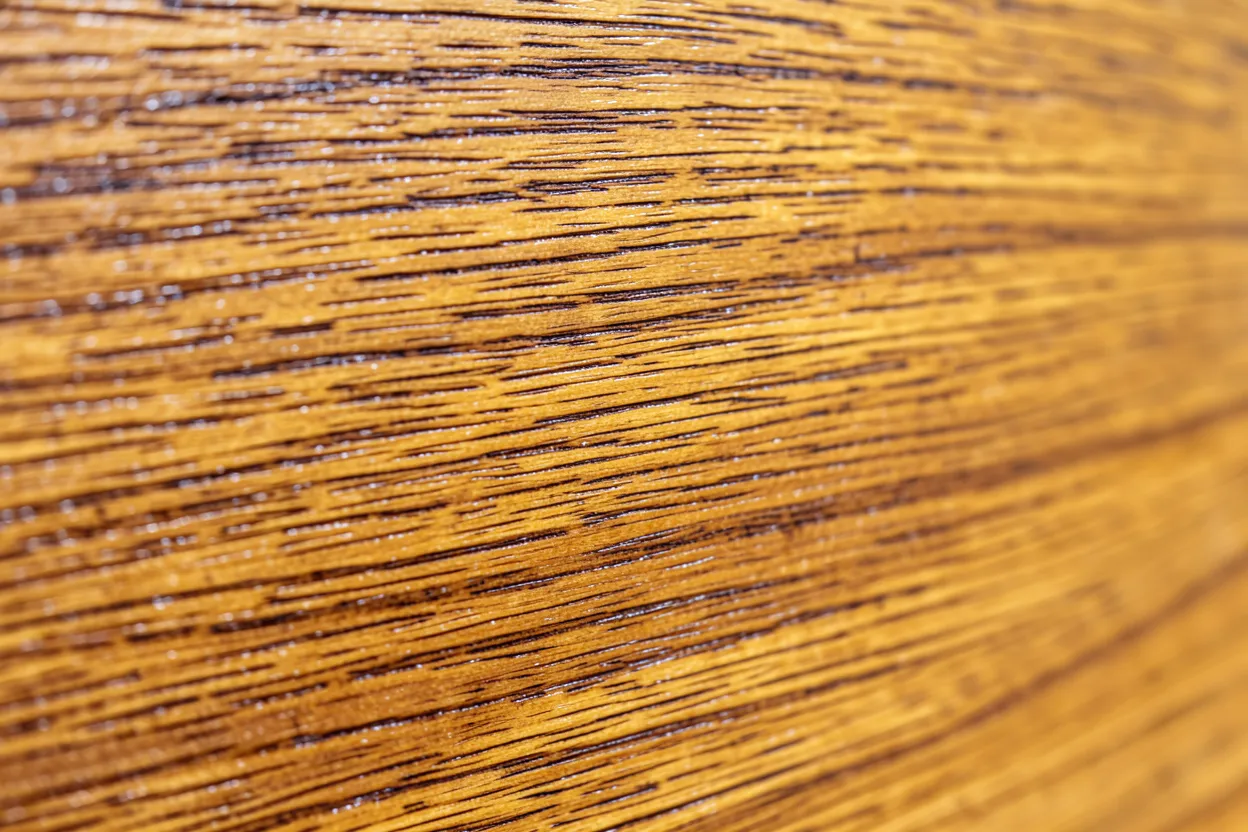
Teak’s texture comes down to two things: grain structure and natural oil content. The grain is straight and fine, with occasional wavy or interlocked sections that create subtle texture variation rather than dramatic figure. The wood’s high natural oil content (the same oils that make teak so weather-resistant outdoors) give the surface a slightly waxy feel and a soft natural luster even before any finish is applied.
Color plays into the texture experience too. Fresh-cut teak starts a golden honey-brown and gradually deepens or silvers depending on exposure and finish choice — a natural oil finish keeps the warm brown tone, while leaving it unfinished outdoors lets it weather to a soft driftwood gray. Both looks are popular in modern interiors depending on whether the goal is warmth or a more coastal, weathered aesthetic.
Popular Ways to Use Teak Texture in Modern Interiors
Flooring and Wall Paneling
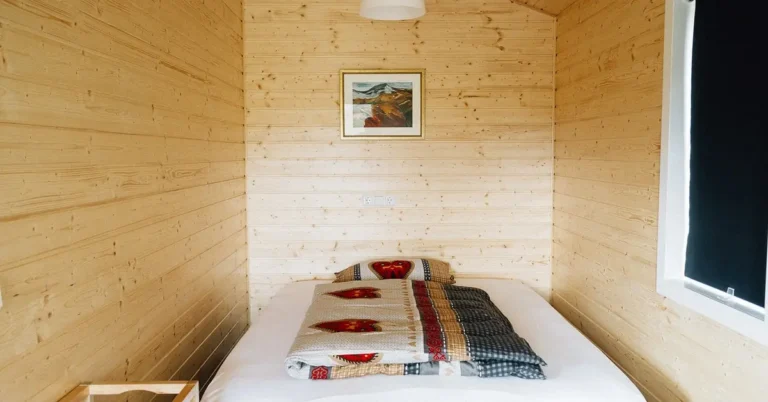
Teak flooring is prized for the same reason it works on boat decks: it resists moisture, doesn’t easily splinter, and stays comfortable underfoot. In modern interiors, wide-plank teak flooring with a matte oil finish shows off the grain’s texture without a high-gloss shine that can look dated. Vertical teak paneling, often in narrow slats with reveal gaps between boards, is a popular accent wall treatment that adds warmth and texture to an otherwise minimalist, neutral-toned room.
Furniture Surfaces
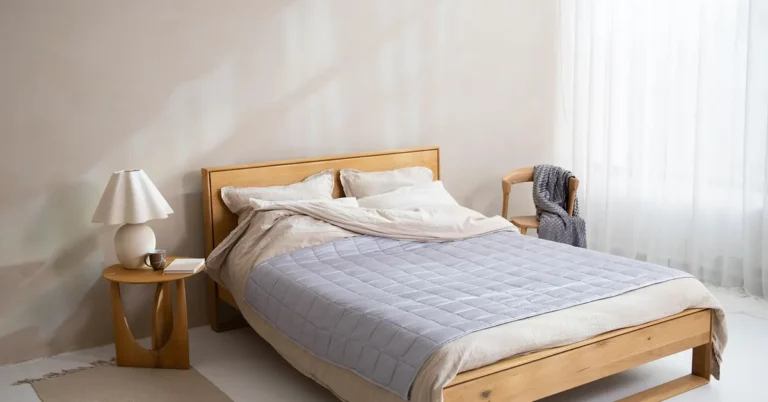
Mid-century modern furniture design leaned heavily on teak specifically for its texture — smooth, warm, and forgiving of daily use. That influence carries directly into current furniture trends: teak dining tables, credenzas, and shelving units pair the wood’s natural texture with simple, geometric forms rather than heavy ornamentation, letting the grain do the visual work.
Kitchen and Bath Accents
Teak’s natural water and rot resistance make it a practical choice for kitchen cutting boards, bath mats, and shower stools — places where the texture also has to hold up to repeated moisture exposure. A butcher-block teak countertop section or a teak vanity top brings the same warm, tactile texture into rooms that are otherwise dominated by tile and stone.
Finishes That Change How Teak’s Texture Feels and Looks
How you finish teak changes both its look and how the texture feels to the touch:
- Teak oil — penetrates the grain, deepens the natural golden-brown color, and keeps the surface feeling smooth and slightly warm to the touch. Needs reapplication every few months on high-use pieces.
- Clear sealer or varnish — sits on top of the wood rather than soaking in, creating a harder, glossier surface that changes the tactile texture from soft and matte to smooth and slick.
- Left unfinished (outdoor use) — weathers naturally to a silvery gray patina over 6-12 months of sun and rain exposure, which roughens the surface texture slightly compared to an oiled finish.
For most indoor modern-interior applications, a teak oil finish is the standard choice — it preserves the warm color and smooth texture that makes teak popular in the first place, without the plastic-like sheen a heavy varnish can add.
Teak vs. Other Popular Interior Wood Textures
Compared to other woods commonly used for texture in modern interiors, teak sits in its own niche:
- Teak vs. oak — oak’s grain is bolder and more visually busy; teak’s is finer and calmer, which is why teak reads as more “minimalist.”
- Teak vs. walnut — walnut is darker with more dramatic color variation; teak stays more uniformly golden-brown, giving rooms a warmer, more consistent tone.
- Teak vs. bamboo — bamboo has a distinctive linear node pattern and a harder, glassier surface texture; teak’s grain is softer and less repetitive-looking.
Maintaining Teak’s Texture Indoors
Dust teak surfaces with a soft, dry cloth — the natural oils in the wood attract less dust than more porous woods, but buildup still dulls the texture’s natural sheen over time. Clean with a barely damp cloth and mild soap rather than harsh cleaners, which can strip natural oils and dry out the surface. Reapply teak oil every 6-12 months on furniture and countertops that see regular handling to keep the texture feeling smooth rather than dry or rough.
Frequently Asked Questions
What Does Teak Wood Texture Look Like?
Teak has fine, straight grain with a warm golden-brown color and a naturally slight oily sheen, giving it a calmer, more uniform look than bold-grained woods like oak.
Is Teak Good for Modern Interior Design?
Yes. Teak’s understated, consistent grain and warm tone pair well with minimalist and Scandinavian-influenced modern interiors, adding natural texture without visually competing with clean lines and neutral colors.
How Do You Keep Teak’s Texture Looking Good Indoors?
Dust with a soft dry cloth, clean with mild soap and a barely damp cloth, and reapply teak oil every 6-12 months on furniture or surfaces that get regular use.
Conclusion
Teak’s fine, consistent grain and warm golden-brown color are exactly why it keeps showing up in modern flooring, paneling, and furniture: it adds real natural texture to a room without the visual noise of bolder-grained woods. A simple teak oil finish, reapplied every few months, is usually all it takes to keep that texture looking and feeling its best indoors.
Sponsored / affiliate links. As an Amazon Associate I earn from qualifying purchases. I may earn additional commission from eligible campaigns.