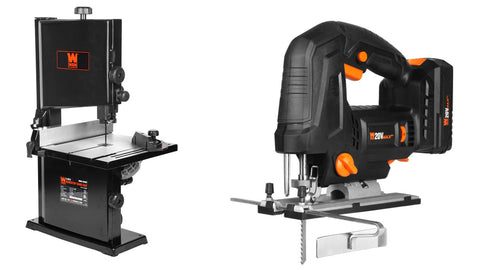
Jig Saw Vs Band Saw: Which Tool Reigns Supreme?
Choosing the right saw for your woodworking projects can feel overwhelming. You might have heard of jig saws and band saws, but which one is right for you?
Understanding the difference can save you time, money, and even your sanity. Imagine cutting through wood with precision and ease, making those creative visions come to life. You’ll feel empowered, knowing you’ve chosen the perfect tool. Dive into this article, and discover which saw suits your needs best.
Your perfect cut awaits!
Jig Saw Features
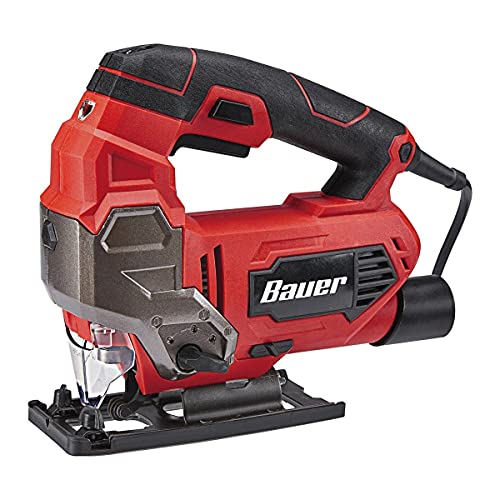
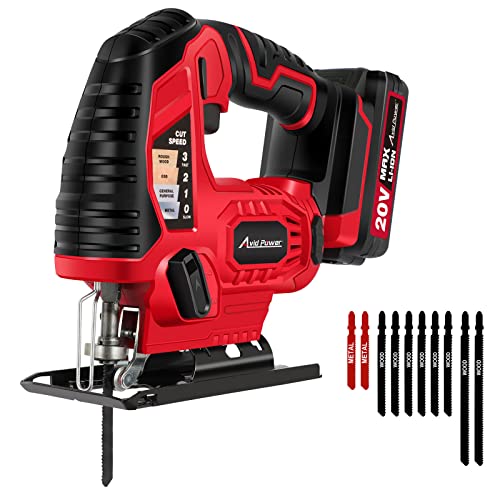
Jig saws are known for their versatility. They can cut different materials. Wood, metal, and plastic are easy for them. People use them for DIY projects. They work well in crafting. They cut curves and shapes easily. Many people love their flexibility.
Jig saws are great for precision cuts. They make clean lines. They cut straight and curved lines. They are perfect for delicate work. Woodworkers use them for detailed designs. They help in accurate cutting tasks.
Jig saws are easy to handle. Lightweight and simple to operate. They fit well in your hand. Many users find them comfortable. They have easy controls. Even beginners can use them without trouble. A great tool for everyone.
Band Saw Features
Band saws have strong motors. These motors help cut wood fast. They are powerful and work smoothly. Cutting speed is very important. Fast cutting means saving time. It helps in finishing projects quickly. Speed and power make band saws special. They handle different materials. This includes wood, metal, and plastic. Each material needs different speed. Adjust speed for best results.
Band saws can cut large pieces. They handle big wood and metal blocks. Material capacity is important for builders. Bigger capacity means more work done. It helps in making large furniture. Also, it is useful for cutting metal pipes. Band saws are perfect for heavy tasks.
A band saw is very stable. It does not shake during cutting. This is very important for safety. Stability means better control. Control helps in making precise cuts. It is easy to use for both kids and adults. Band saws have strong bases. They stay still even during hard tasks. This makes them safe for everyone.
Comparing Performance
Jig saws are good for detailed cuts. They can make curves easily. Band saws work well for straight lines. They handle thick wood better. Both saws are useful. They serve different purposes. Choose based on your needs.
Efficiency varies. Jig saws are quick for small jobs. Band saws cut large pieces fast. Accuracy matters. Band saws stay straight. Jig saws need steady hands. Both are precise. Use the right tool for each task.
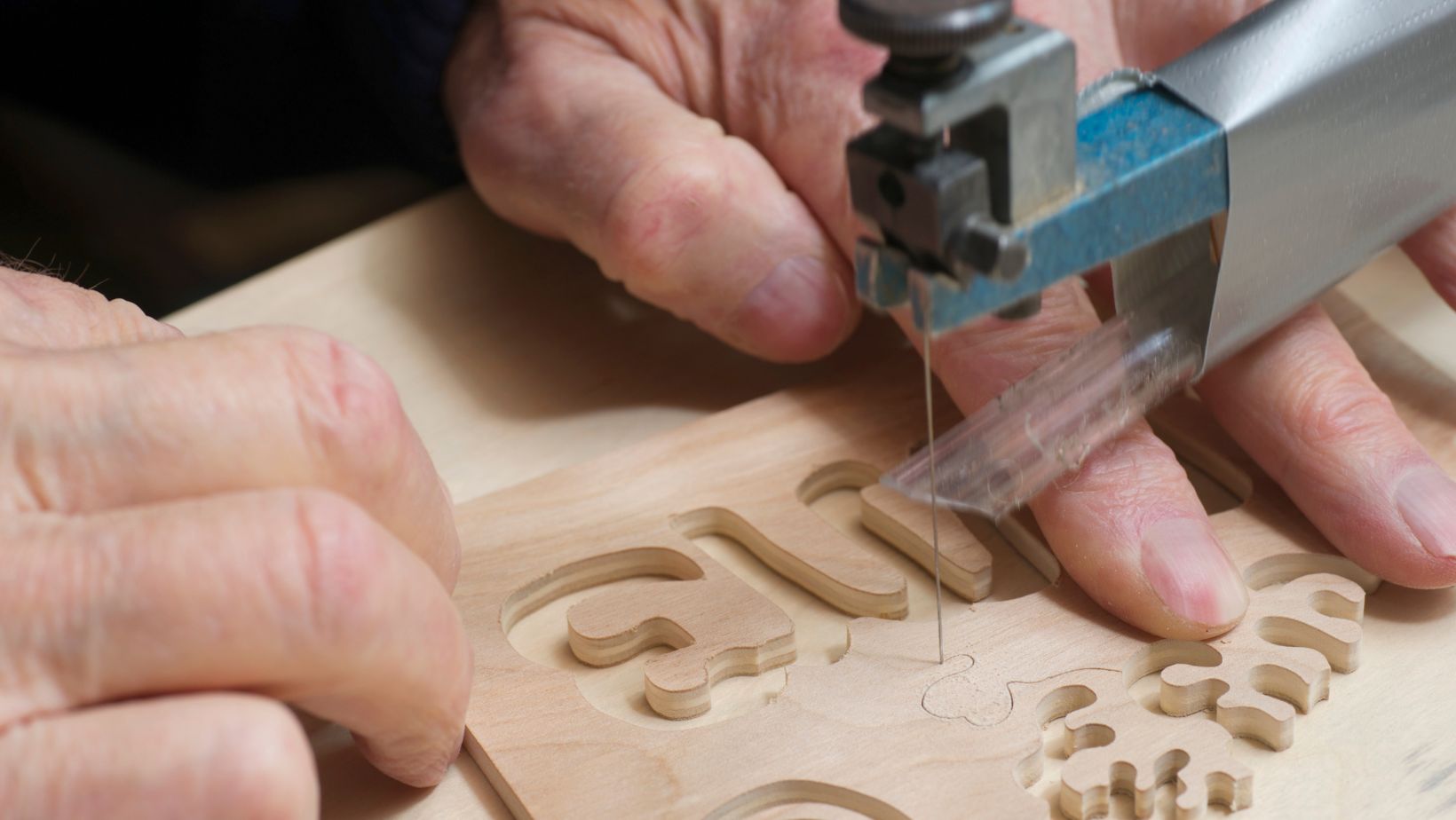
Jig saws excel in craft projects. They are perfect for curves and shapes. Band saws suit furniture making. They cut large boards efficiently. Know your project needs. Pick the right saw accordingly.
Credit: www.oldworldtimber.com
Safety Considerations
Jig saws have important safety features. They have blade guards to protect hands. They also have lock-on buttons. These buttons keep the saw running without pressing. Jig saws have anti-splinter inserts. This feature helps keep the work area clean. The variable speed control allows safer operation. It helps to prevent accidents. Jig saws are safer because of these features.
Band saws have blade guides. Guides keep the blade in place. They also have tension indicators. These show if the blade is too tight or loose. Band saws have dust ports. These remove dust from the cutting area. There are blade guards for extra safety. Band saws are safer with these features. They help to prevent injuries.
Wear safety goggles to protect eyes. Use ear protection for loud noises. Keep hands away from blades always. Secure the work piece before cutting. Keep the area clean from debris. Check the blade before starting. Make sure it is tight and sharp. Follow instructions for each tool. Safety comes first.
Cost And Maintenance
Jig saws are usually cheaper than band saws. This is important for beginners. A basic jig saw might cost less than $100. Band saws can cost several hundred dollars. Choose based on your needs and budget.
Both saws need care to last long. Jig saws require less maintenance. They have fewer parts. Band saws need more attention. Their blades need regular checks and changes. Clean your saws after use. This keeps them in good shape.
Band saws offer great value for long projects. They cut wood smoothly and quickly. Jig saws are best for small tasks. They are easy to handle. Think about what you will use the saw for. This helps in choosing the right one.

Credit: www.youtube.com
Choosing The Right Tool
Jig saws are great for curved and intricate cuts. Band saws excel at straight cuts and thicker materials. Consider the type of project. Woodworking demands different tools than metalworking. Choose based on what you need.
Beginners may find the jig saw easier to handle. Experienced users might prefer the band saw for its versatility. Know your skill level. Practice makes perfect. Start with simple tools. Grow your skills over time.
Jig saws are compact and easy to move. Band saws require more space and are less portable. Small workshops might prefer a jig saw. Larger spaces can accommodate band saws. Consider where you’ll store your tool.
User Experiences
Many users love the jig saw for its precision. They say it’s great for detailed cuts. Band saw users talk about its power. They like its ability to cut thick wood. Some find the band saw harder to handle. Others feel the jig saw is easier to control. Both tools have their fans. Each tool has its own strengths.
Users often face blade issues with both tools. Blades can break or bend. This is a common problem. Another challenge is with the setup. Setting up the band saw can be tricky. Jig saws may vibrate too much. This can affect accuracy. Both tools need careful handling.
Always keep blades sharp. This helps with clean cuts. For the band saw, ensure the tension is right. This prevents blade breaks. With jig saws, use a steady hand. This reduces vibration issues. Regular maintenance is key. It keeps both tools in good shape.

Credit: www.youtube.com
Frequently Asked Questions
Is A Bandsaw Better Than A Jigsaw?
A bandsaw is better for cutting thick materials and curves. Jigsaws excel in intricate cuts and portability. Choose based on specific project needs and material thickness. Both tools serve different purposes, making them valuable in a workshop. Consider your project’s requirements to decide which tool suits best.
Why Do Most Woodworkers Buy A Bandsaw As Their First Machine?
Woodworkers choose a bandsaw first for its versatility and precision in cutting curves and resawing lumber. It’s essential for handling various woodworking tasks, offering efficiency and accuracy. Compact design and affordability make it an ideal starting tool for beginners and hobbyists.
Can You Cut Wood Straight With A Jigsaw?
Yes, you can cut wood straight with a jigsaw. Use a straightedge or guide for accuracy. Ensure the blade is suitable for the wood type. Maintain steady pressure and control the speed to avoid veering off course. For best results, practice and adjust settings for precision.
What Are The Disadvantages Of A Bandsaw?
Bandsaws can be expensive and require regular maintenance. They produce rough cuts and may cause blade drift. Handling large pieces can be challenging, and they pose safety risks. Noise and vibration during operation can also be concerns. Proper training is essential for safe and effective use.
Conclusion
Choosing between a jig saw and band saw depends on your needs. Jig saws offer precision for intricate cuts. Band saws handle heavy-duty tasks efficiently. Consider the materials you work with. Also, think about the space available in your workshop.
Both tools have unique benefits. Jig saws excel in versatility. Band saws provide power and stability. Evaluate your projects carefully. Select the saw that matches your requirements. This ensures you achieve the best results. Remember, the right tool simplifies your work.
Happy woodworking!