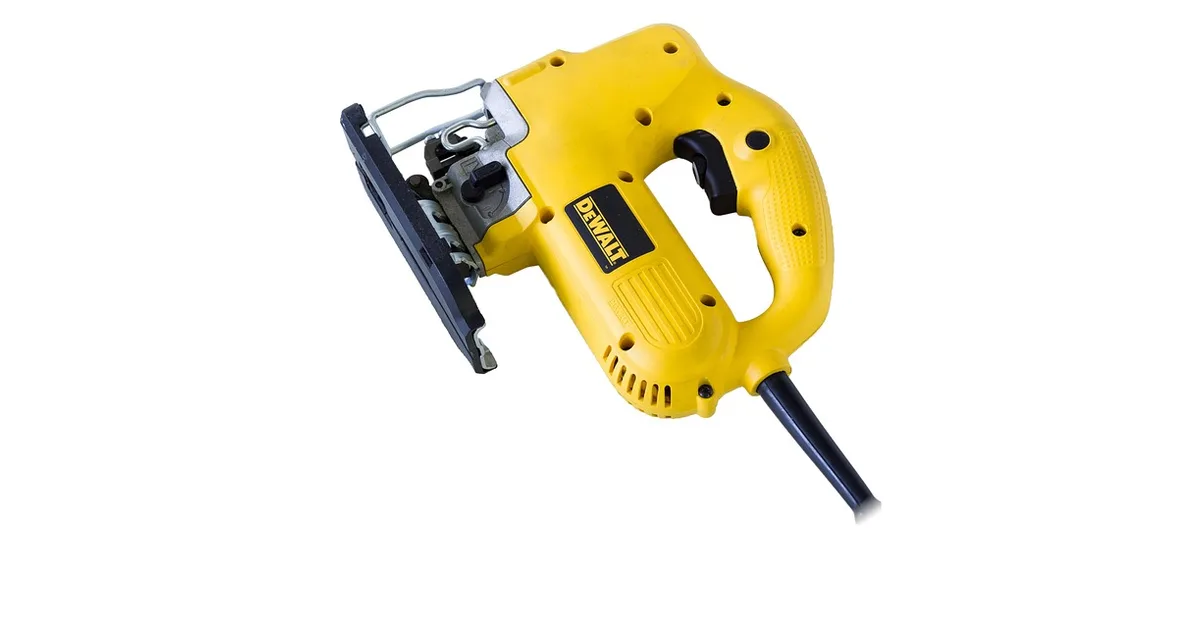
Can a Jigsaw Cut a 2×4? Yes, With a 10-TPI Blade
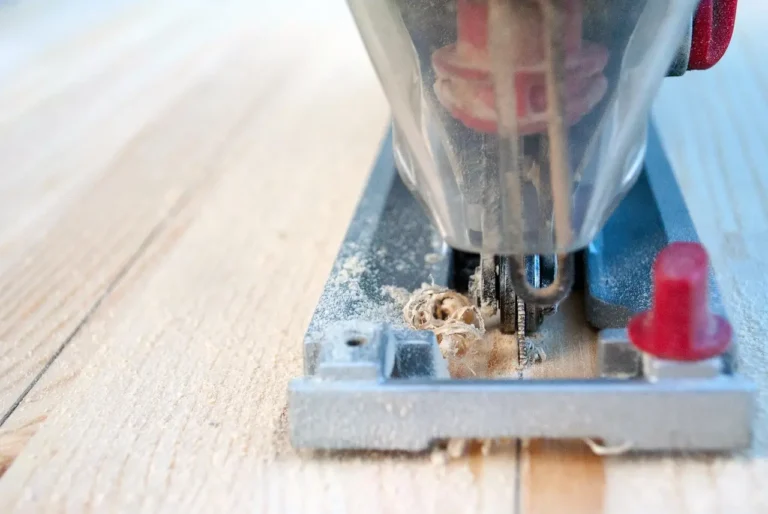
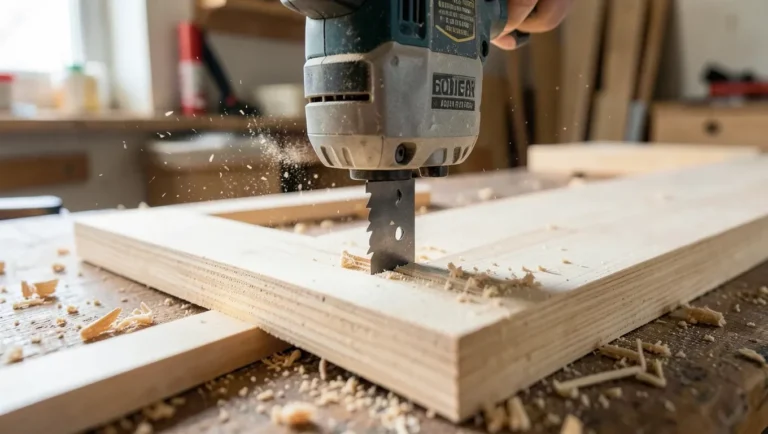
Yes, a jigsaw can cut a 2×4, but only if the blade extends at least 1 inch past the 1.5-inch-thick stock, or it will buck and stall mid-cut. Skip that check and the blade flexes into a wobbly, off-square edge that will not fit a tight framing joint. This guide covers the right blade (10-12 TPI), the extension check, and the technique for a straight, square cut.
Choosing the right blade is essential; a wood-cutting blade will yield better results. While jigsaws can handle this task, users may consider alternative tools for more precision, especially for straight cuts. Understanding the jigsaw’s limitations helps you achieve the best outcome for your projects. With the right approach, a jigsaw can be an effective tool in your woodworking arsenal.
Introduction To Jigsaw Capabilities
Best Jigsaw Blade Pick
Bosch T101BR 10 TPI Wood Jigsaw Blade (5-Pack) – $9.99
This guide recommends at least 10 TPI for a clean 2×4 cut, and this 5-pack is exactly that spec, with a reverse-tooth design that cuts down on splintering on the visible top surface.
- Best for: Clean, low-splinter cuts on 2×4 framing lumber
- Why we picked it: Matches the 10-12 TPI wood-blade spec this guide recommends
- Main drawback: 4-inch blade leaves under an inch of clearance past a 1.5-inch 2×4, so steady pressure matters
Compare more jigsaw blade options
 Option 1 Diablo Bi-Metal 10 TPI Blade (5-Pack) – $15.04
|
 Option 2 TAROSE 20-Pc Assorted Blade Set – $12.99
|
 Option 3 SKIL 6 Amp Corded Jig Saw – $54.00
|
As an Amazon Associate we earn from qualifying purchases.
A jigsaw is a versatile tool. It cuts through various materials with ease. Many people wonder, “Can a jigsaw cut a 2×4?” This section will explore jigsaw capabilities and common uses.
The Basics Of A Jigsaw
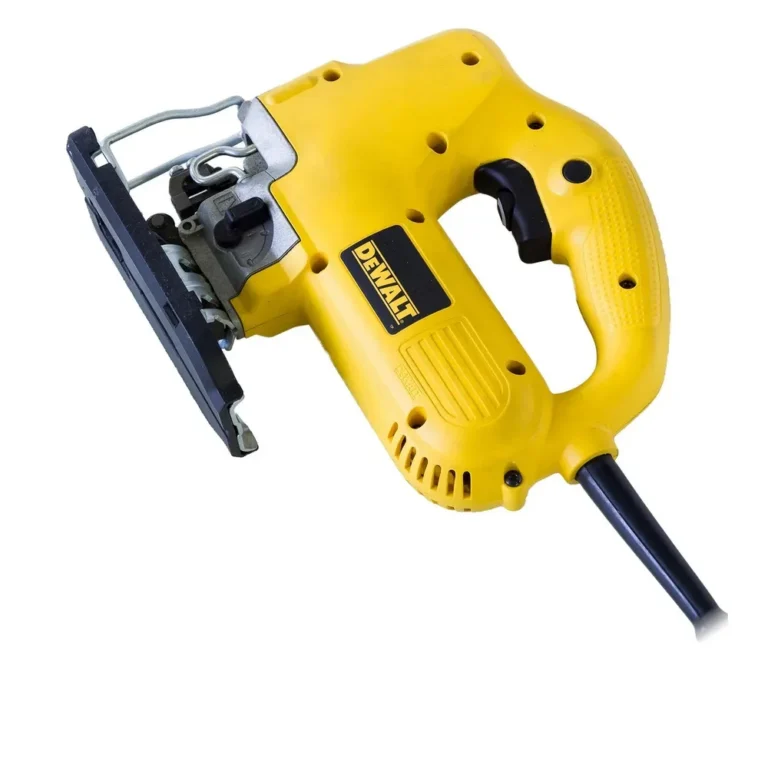
A jigsaw is an electric saw with a straight, narrow blade. The blade moves up and down rapidly. This movement allows it to cut wood, metal, and plastic.
- Blade Types: Different blades exist for various materials.
- Variable Speed: Users can adjust the speed for different tasks.
- Orbital Action: Some jigsaws have this feature for faster cuts.
Typical Uses For A Jigsaw
Jigsaws are useful for many projects. Here are some common applications:
- Cutting curves in wood.
- Creating intricate designs in plywood.
- Making straight cuts in thin materials.
- Crafting detailed patterns for crafts.
Many DIY enthusiasts rely on jigsaws for their flexibility. They can handle various thicknesses, but cutting a 2×4 presents challenges.
| Material | Max Thickness | Recommended Blade |
|---|---|---|
| Wood | 1.5 inches | Wood cutting blade |
| Metal | 0.5 inches | Metal cutting blade |
| Plastic | 1 inch | Plastic cutting blade |
Examining The 2×4: A Material Overview
The 2X4 is a common lumber size in construction. It serves many purposes in various projects. Understanding its characteristics helps in choosing the right tools for cutting.
Characteristics Of A 2×4
A 2X4 typically measures 1.5 inches by 3.5 inches. It is versatile and strong, making it ideal for framing. Here are some key characteristics:
- Material: Usually made from pine, fir, or spruce.
- Weight: Light enough for easy handling.
- Strength: Provides good structural support.
- Moisture content: Usually air-dried or kiln-dried.
- Finish: Can be smooth or rough based on treatment.
Common Projects Involving 2x4s
2X4s are popular in many DIY and construction projects. They are used in:
- Framing walls for homes
- Building decks and patios
- Creating furniture like tables and benches
- Constructing shelves and storage units
- Making fences and gates
These projects highlight the versatility and strength of 2X4 lumber. Understanding these common uses helps in planning your next project.
Jigsaw Blades: The Cutting Edge
Jigsaw blades play a vital role in cutting wood effectively. Choosing the right blade makes all the difference. The right blade ensures clean cuts and smooth edges. Let’s explore the different types and how to select the best one for wood.
Types Of Jigsaw Blades
Jigsaw blades come in various types. Each type serves a specific purpose. Here are the most common types:
| Blade Type | Material | Best For |
|---|---|---|
| Wood Blades | High-speed steel | Cutting wood and plywood |
| Metal Blades | Bi-metal | Cutting metal and thin sheets |
| Specialty Blades | Varies | Curved cuts and intricate designs |
Selecting The Right Blade For Wood
Choosing the right blade for wood is crucial. Consider these factors:
- Teeth per Inch (TPI): More teeth give smoother cuts.
- Blade Width: Wider blades cut faster but may be less precise.
- Material: Use high-speed steel blades for durability.
For cutting a 2×4, use a wood blade with:
- At least 6 TPI for rough cuts.
- 8 to 10 TPI for smoother finishes.
- A wider blade for straight cuts.
Always check the compatibility of the blade with your jigsaw. Proper selection leads to successful projects.
The Power Of A Jigsaw
A jigsaw is a versatile tool. It can cut wood, metal, and plastic. Understanding its power is key. This section explores how a jigsaw’s motor strength affects its cutting ability.
Motor Strength And Speed
The motor is the heart of a jigsaw. It determines how well the tool performs. Most jigsaws have motors ranging from 3 to 7 amps.
Here’s a quick breakdown of common motor strengths:
| Motor Strength (Amps) | Typical Uses |
|---|---|
| 3 – 4 Amps | Light projects like thin plywood |
| 5 – 6 Amps | Medium tasks like 2×4 cuts |
| 7 Amps and above | Heavy-duty cutting and thicker materials |
Speed also plays a role. Most jigsaws have variable speeds. This allows you to adjust according to the material.
- Low speed for delicate cuts
- High speed for fast cuts
How Power Affects Cutting Ability
Power directly influences cutting performance. A powerful jigsaw cuts faster and easier. It minimizes the effort needed for tougher materials.
Consider these factors:
- Blade Type: The right blade enhances cutting ability.
- Material Thickness: Thicker materials need more power.
- Cutting Technique: Steady pressure helps achieve cleaner cuts.
A jigsaw can cut a 2×4 effectively. Ensure the motor is powerful enough. Use the right blade for the best results. With the right setup, cutting becomes a breeze.
Techniques For Cutting A 2×4 With A Jigsaw
Using a jigsaw to cut a 2X4 can be effective. The right techniques make the process easier and safer. Follow these steps for a smooth cut.
Proper Handling And Safety
Safety is crucial when using a jigsaw. Follow these guidelines:
- Wear safety goggles to protect your eyes.
- Use ear protection to reduce noise.
- Wear a dust mask to avoid inhaling dust.
- Ensure your work area is clean and free of clutter.
- Keep hands away from the blade while cutting.
Check the jigsaw’s blade before starting. A sharp blade cuts better and safer.
Step-by-step Cutting Process
Follow these steps for cutting a 2X4 with a jigsaw:
- Measure and Mark: Use a tape measure to find your cut length. Mark it clearly with a pencil.
- Secure the Wood: Clamp the 2X4 to a stable surface. Ensure it won’t move during cutting.
- Select the Right Blade: Choose a blade designed for wood. A fine-toothed blade is ideal.
- Adjust the Jigsaw: Set the speed to medium. This helps control the cut.
- Start Cutting: Begin at the edge of your mark. Move the jigsaw slowly along the line.
- Finish the Cut: Once through, lift the jigsaw gently. Avoid forcing it.
Check the cut for any rough edges. Sand them down if needed.
| Blade Type | Material | Best Use |
|---|---|---|
| Wood Blade | Softwood, Hardwood | General wood cutting |
| Metal Blade | Metal Sheets | Cutting metal |
| Bi-Metal Blade | Various | Versatile cutting |
Limitations And Considerations
Using a jigsaw to cut a 2×4 can be tricky. Understanding its limitations helps ensure quality cuts. This section covers two main challenges: thickness and precision.
Thickness Challenges
A standard 2×4 is about 1.5 inches thick. Many jigsaws can handle this thickness, but see how thick a jigsaw can cut for the outer limit before the blade starts to wander. However, some factors may limit effectiveness:
- Blade Type: Use a wood-cutting blade for better results.
- Power: A jigsaw with lower power may struggle.
- Speed Settings: Higher speeds work better for thicker cuts.
Check the manufacturer’s recommendations. This ensures your jigsaw can cut through the wood easily.
Precision Vs. Rough Cuts
Jigsaws are great for rough cuts. They excel in creating curves and angles. For straight cuts, a different tool may be better, as covered in jigsaw vs circular saw.
Consider these factors for precision:
- Guide Fences: Use a guide to improve straight cuts.
- Cutting Technique: Steady hands lead to better accuracy.
- Blade Thickness: Thinner blades allow for more detailed work.
Evaluate your project needs. Choose the right tool for precision cuts.
Alternative Tools For Cutting 2x4s
Cutting 2X4s can be done using various tools. Each tool has its strengths. Some tools are better suited for certain tasks. Let’s explore these options.
Comparing Jigsaws With Other Saws
Jigsaws are versatile but have limitations. Here’s how they compare with other saws:
| Tool | Best For | Pros | Cons |
|---|---|---|---|
| Jigsaw | Curved cuts | Lightweight, portable | Not ideal for thick wood |
| Circular Saw | Straight cuts | Fast, precise | Requires skill |
| Table Saw | Repeatable cuts | High accuracy | Less portable |
| Hand Saw | Manual cutting | Inexpensive | Labor-intensive |
When To Choose A Different Tool
Choosing the right tool depends on your project needs.
- For quick, straight cuts: Use a circular saw to cut a 2×4.
- For detailed work: Opt for a jigsaw.
- For multiple cuts: A table saw is ideal.
- For portability: Choose a hand saw.
Consider wood thickness. Jigsaws struggle with thicker materials. Always prioritize safety. Use protective gear for all cutting tools.
Tips For A Clean Cut
Achieving a clean cut with a jigsaw on a 2×4 requires attention to detail. Proper techniques and maintenance make a big difference. Here are essential tips to ensure smooth, precise cuts.
Blade Maintenance
Keeping your jigsaw blade in top condition is crucial. A dull blade can cause splintering and jagged edges. Here are some tips:
- Inspect your blade before each use. Look for any damage.
- Sharpen or replace dull blades regularly.
- Use the right blade for wood. Look for TPI (teeth per inch) suitable for your project.
Cutting Techniques For Smooth Edges
Using proper cutting techniques can enhance the quality of your cuts. Follow these steps:
- Secure the wood tightly. Use clamps to prevent movement.
- Mark your cut line clearly. Use a straight edge for accuracy.
- Start slowly. Gradually increase your speed as you cut.
- Cut from the bottom side of the wood. This reduces splintering on the visible side.
- Use masking tape on the cut line. This helps prevent tear-out.
Implementing these techniques ensures clean, professional-looking cuts on your 2×4.
Jigsaw Mastery: Advanced Uses
The jigsaw is a versatile tool. It cuts wood, metal, and plastic. Mastering advanced techniques opens new possibilities. Create intricate designs and patterns with ease.
Intricate Cuts And Patterns
A jigsaw excels at making detailed cuts. It allows for unique shapes and designs. Here are some common intricate cuts:
- Curves
- Circles
- Custom patterns
Use the right blade for the material. A fine-toothed blade works well for curves. Here are some tips for intricate cuts:
- Draw your design on the wood.
- Secure the wood firmly.
- Follow the lines slowly and steadily.
This technique creates beautiful, precise patterns. It’s perfect for home décor and furniture.
Expanding Your Woodworking Skills
Using a jigsaw can enhance your woodworking skills. Experiment with different materials and cuts. Here are some advanced techniques to try:
| Technique | Description |
|---|---|
| Bevel Cuts | Angle the jigsaw for angled cuts. |
| Scroll Cuts | Create detailed, curved designs. |
| Compound Cuts | Cut at multiple angles for complex shapes. |
Practice these techniques on scrap wood first. Gain confidence before tackling bigger projects. Enjoy the creative process and improve your skills.
Conclusion: Maximizing Your Jigsaw
Using a jigsaw effectively can enhance your woodworking skills. This tool is versatile and can handle various materials. Let’s explore its abilities and inspire your DIY projects.
Summary Of Jigsaw Abilities
A jigsaw can cut a range of materials, including:
- Wood: Ideal for softwoods and hardwoods.
- Metal: Use specialized blades for thin sheets.
- Plastic: Great for acrylic and PVC.
- Tile: With the right blade, it can cut ceramic.
Here is a quick overview of jigsaw cutting capabilities:
| Material | Blade Type | Thickness Limit |
|---|---|---|
| Wood | Wood Cutting Blade | Up to 2 inches |
| Metal | Metal Cutting Blade | Up to 1/4 inch |
| Plastic | Plastic Cutting Blade | Up to 1 inch |
| Tile | Tile Cutting Blade | Varies |
Encouragement For DIY Projects
Embrace your creativity with a jigsaw. Here are some project ideas:
- Create custom shelves.
- Build a birdhouse.
- Design unique picture frames.
- Make decorative signs.
Start simple, then tackle more complex projects. Remember to:
- Choose the right blade.
- Secure your material.
- Follow safety guidelines.
With practice, your skills will grow. Enjoy the journey of creating!
Frequently Asked Questions
Can A Jigsaw Cut Through A 2×4?
Yes, a jigsaw can cut a 2×4, but it requires the right blade. Use a wood-cutting blade specifically designed for thicker materials. Ensure the jigsaw is set to a higher speed for cleaner cuts. However, for straight cuts, a circular saw may be more efficient.
What Blade Is Best For Cutting 2×4 With A Jigsaw?
For cutting a 2×4, a high-TPI (teeth per inch) wood blade works best. Choose a blade with at least 10-12 TPI for smoother cuts. Bi-metal blades are also a good option for durability. Always ensure the blade is sharp for optimal performance.
Is A Jigsaw Suitable For Straight Cuts In Wood?
While a jigsaw can make straight cuts, it’s not ideal. A circular saw provides more precision and speed for long cuts. However, jigsaws excel in making curved or intricate designs. Use a guide or straight edge if you prefer using a jigsaw for straight lines.
What Are The Advantages Of Using A Jigsaw?
Jigsaws are versatile tools that can cut curves, angles, and intricate patterns. They are lightweight and easy to maneuver. Additionally, they are safer than some other saws, reducing kickback risk. Their portability allows for use in various settings, enhancing their practicality.
Conclusion
A jigsaw can indeed cut through a 2×4, but it requires the right blade and technique. This versatile tool is excellent for making curved or intricate cuts. For straight cuts, consider using a circular saw for better efficiency. Choose wisely based on your project needs for the best results.
Sponsored / affiliate links. As an Amazon Associate I earn from qualifying purchases. I may earn additional commission from eligible campaigns.