Why Is My Laminate Floor Sticky After Mopping? A Complete Guide to Fix It
Hey there! I know how frustrating it can be when you mop your beautiful laminate floors, expecting them to shine, only to find them sticky and tacky under your feet. It’s like your hard work went down the drain! I’ve been there, and after years of woodworking and home maintenance, I’ve learned why laminate floors get sticky after mopping and how to fix it for good. In this article, I’m sharing everything I’ve discovered—tips, tricks, and solutions—to help you keep your floors clean, smooth, and stunning. Let’s dive in and solve this sticky situation together!
Understanding Why Laminate Floors Get Sticky
First, let’s talk about why your laminate floor feels sticky after mopping. Laminate flooring isn’t like hardwood or tile. It’s made of layers, with a tough top coat that protects it from scratches and spills. But that same protective layer can trap residues if you’re not careful. When I first noticed stickiness on my laminate floors, I realized I was making some common mistakes.
The stickiness usually comes from leftover cleaning products, dirt, or improper mopping techniques. For example, using too much cleaner can leave a film that attracts dust and makes the floor tacky. Or, if you’re using the wrong kind of cleaner, it might not rinse off properly. Even tap water can be a culprit if it’s hard water with minerals that dry into a sticky residue. Knowing the cause is the first step to fixing it, so let’s break down the main reasons.
Common Causes of Sticky Laminate Floors
Here’s what I’ve found to be the biggest reasons for sticky laminate floors after mopping:
- Too Much Cleaning Solution: I used to think more cleaner meant a cleaner floor. Wrong! Excess soap or detergent leaves a residue that feels sticky.
- Wrong Cleaning Products: Some cleaners, like those for tile or hardwood, aren’t made for laminate. They can leave a waxy or oily buildup.
- Hard Water: If your tap water has high mineral content, it can leave a chalky, sticky film when it dries.
- Dirty Mop or Water: Mopping with a dirty mop or murky water just spreads grime around, making the floor stickier.
- Wax or Polish Buildup: If someone used wax or polish on your laminate (a big no-no!), it can create a sticky mess over time.
- Spills and Stains: Sugary spills, like soda or juice, can leave a sticky spot if not cleaned properly.
I once made the mistake of using a pine-scented floor cleaner on my laminate. It smelled great, but my floors felt like a giant sticky trap! After some trial and error, I learned what works and what doesn’t. Let’s look at how to fix this problem step by step.
How to Fix a Sticky Laminate Floor
Now that we know why your floor is sticky, let’s get to the good part—fixing it! I’ve tried plenty of methods, and these are the ones that worked best for me. They’re simple, safe, and won’t damage your laminate floors. Follow these steps, and your floors will feel smooth and clean again.
Step 1: Clear the Floor
Before you start cleaning, move furniture, rugs, and anything else off the floor. I always sweep or vacuum first to remove dust and debris. Use a soft-bristled broom or a vacuum with a hard-floor setting to avoid scratching the laminate. This step is key because mopping over dirt just makes the stickiness worse.
Step 2: Use the Right Cleaning Solution
The cleaning solution you use makes all the difference. I recommend a mix of warm water and a small amount of a laminate-safe cleaner. Here’s a recipe I swear by:
- 1 gallon of warm water
- 1/4 cup white vinegar
- A few drops of dish soap (optional, but use sparingly)
Vinegar is great because it cuts through residue without leaving a film. If you prefer a store-bought cleaner, choose one labeled specifically for laminate floors. Avoid products with wax, oil, or soap-based ingredients. I once tried a “multi-surface” cleaner, and it left my floors stickier than before!
Step 3: Mop Correctly
Mopping technique matters. I learned this the hard way after sloshing too much water on my floors, which can seep into the seams and cause damage. Here’s how I mop now:
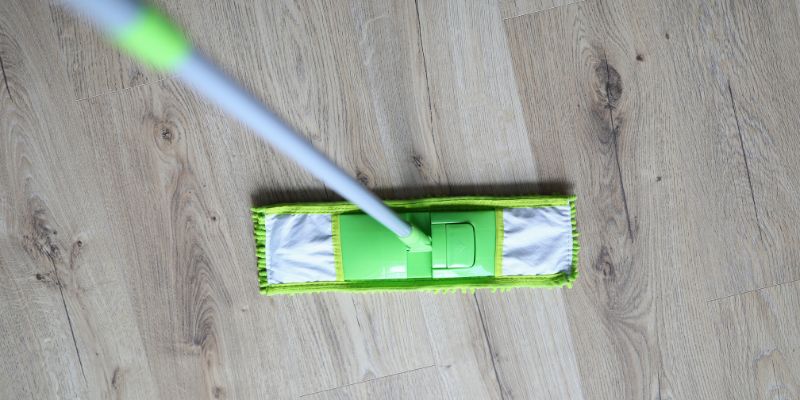
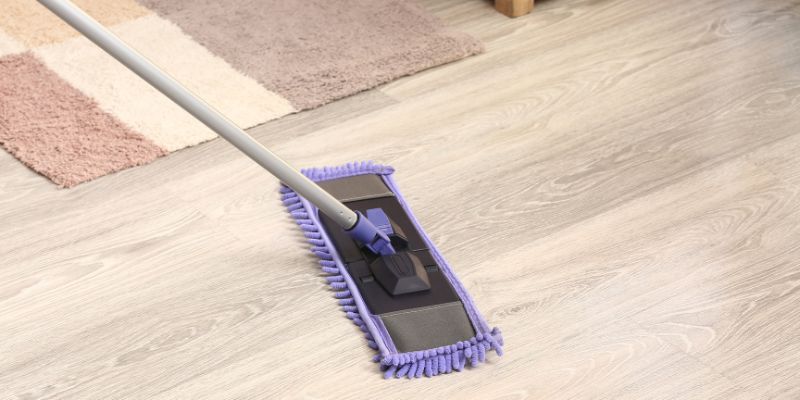
- Dip a microfiber mop or cloth into the cleaning solution.
- Wring it out until it’s barely damp. Laminate floors hate excess water!
- Mop in small sections, following the grain of the floor for a streak-free finish.
- Rinse the mop frequently in clean water to avoid spreading dirt.
If your floor is super sticky, you might need to mop twice—once to lift the residue and again to rinse it off. Change the water if it gets cloudy.
Step 4: Rinse with Clean Water
After mopping with your cleaning solution, go over the floor again with a mop dampened in plain warm water. This removes any leftover cleaner that could cause stickiness. I always dry the floor immediately with a clean microfiber cloth to prevent water spots or streaks.
Step 5: Tackle Stubborn Sticky Spots
If some areas are still sticky, don’t worry. I’ve dealt with stubborn spots from spilled juice or old cleaner buildup. Try this:
- Mix equal parts water and white vinegar in a spray bottle.
- Lightly mist the sticky spot.
- Let it sit for a minute, then wipe with a damp microfiber cloth.
- Dry the area with a clean cloth.
For really tough spots, I’ve used a tiny drop of rubbing alcohol on a cloth, but test it in a hidden area first to make sure it doesn’t dull the finish.
Step 6: Prevent Future Stickiness
Once your floor is clean, you’ll want to keep it that way. Here are my go-to tips for preventing sticky laminate floors:
- Clean spills right away to avoid sticky buildup.
- Use a clean mop and fresh water every time you mop.
- Stick to laminate-safe cleaners and avoid overusing them.
- Place doormats at entrances to reduce dirt and grime.
- Mop regularly (once a week or so) to prevent buildup.
I also keep a spray bottle of my vinegar-water mix handy for quick touch-ups. It’s a game-changer!
Best Cleaning Products for Laminate Floors
Choosing the right cleaner can be overwhelming with so many options out there. I’ve tested a bunch, and here’s a table of my favorite laminate-safe products, along with what I like about them:
| Product Name | Why I Like It | Where to Buy | Price (Approx.) |
|---|---|---|---|
| Bona Hard-Surface Floor Cleaner | Gentle, streak-free, and made for laminate | Amazon, Home Depot | $10–$15 |
| Black Diamond Laminate Floor Cleaner | Affordable, no-rinse formula, fresh scent | Walmart, Amazon | $8–$12 |
| White Vinegar (Generic) | Cheap, natural, cuts through sticky residue | Any grocery store | $3–$5 |
| Rejuvenate All Floors Cleaner | Works on laminate and other surfaces, no streaks | Target, Amazon | $12–$18 |
These products have saved my floors time and time again. If you’re on a budget, vinegar is hard to beat. Just dilute it properly to avoid a strong smell.
Mistakes to Avoid When Cleaning Laminate Floors
I’ve made plenty of mistakes cleaning my laminate floors, and I want to help you avoid them. Here’s what not to do:
- Don’t Use Too Much Water: Excess water can seep into the seams, causing swelling or warping. Always wring out your mop well.
- Avoid Steam Mops: Steam can damage the protective layer of laminate. I learned this after borrowing a friend’s steam mop—yikes!
- Skip Wax or Polish: These products create a sticky buildup and are hard to remove. Laminate doesn’t need them.
- Don’t Use Abrasive Tools: Steel wool or harsh scrubbers can scratch the surface. Stick to soft cloths or microfiber mops.
- Avoid Harsh Chemicals: Ammonia, bleach, or acidic cleaners can dull or damage the finish. I once used a bleach-based cleaner, and it left cloudy spots.
By avoiding these mistakes, you’ll keep your laminate floors looking brand-new for years.
How to Maintain Laminate Floors Long-Term
Keeping your laminate floors in top shape isn’t just about fixing stickiness—it’s about regular care. I’ve had my laminate floors for years, and they still look great because I follow a simple maintenance routine. Here’s what I do:
- Sweep or vacuum weekly to remove dust and dirt.
- Mop with a laminate-safe cleaner every 1–2 weeks, depending on foot traffic.
- Use felt pads under furniture to prevent scratches.
- Avoid dragging heavy items across the floor.
- Keep humidity levels moderate (40–60%) to prevent warping.
I also check for spills or stains daily, especially in high-traffic areas like the kitchen. A little effort goes a long way!
When to Call a Professional
Most sticky floor issues can be fixed at home, but sometimes you might need a pro. If your floors are still sticky after trying everything, or if you notice damage like warping or discoloration, it’s time to call in help. I once had a stubborn sticky patch that turned out to be old wax buildup from a previous owner. A professional floor cleaner removed it with specialized tools, and my floors looked amazing.
Look for a local flooring expert who specializes in laminate. They can assess the problem and recommend safe solutions. It’s worth the cost to protect your investment.
Conclusion
Dealing with sticky laminate floors after mopping can feel like a never-ending battle, but trust me—it’s fixable! I’ve been in your shoes, frustrated and wondering what I was doing wrong. By understanding why the stickiness happens, using the right cleaners, and mopping the right way, you can keep your floors smooth, shiny, and stick-free. Whether it’s a simple vinegar solution or a trusted store-bought cleaner, the key is consistency and care.
Your laminate floors are an investment in your home, and with a little effort, they’ll stay beautiful for years to come. So grab your mop, follow these tips, and enjoy walking on floors that feel as good as they look!
Frequently Asked Questions
Why does my laminate floor feel sticky even after cleaning?
Your floor might be sticky because of leftover cleaning product residue, hard water minerals, or improper mopping. I had this issue when I used too much cleaner. Try rinsing with plain water and drying thoroughly, or use a vinegar-water mix to cut through the residue.
Can I use vinegar to clean sticky laminate floors?
Yes, vinegar is my go-to for sticky floors! Mix 1/4 cup of white vinegar with a gallon of warm water. It’s safe, effective, and cuts through residue without damaging the laminate. Just don’t use it undiluted, as it can be too harsh.
Is it okay to use a steam mop on laminate floors?
No, steam mops are a bad idea for laminate. I made this mistake once, and the heat damaged the protective layer. Steam can also seep into seams, causing warping. Stick to a damp microfiber mop instead.
How often should I mop my laminate floors?
I mop my laminate floors every 1–2 weeks, depending on how much traffic they get. High-traffic areas like kitchens might need weekly mopping. Regular sweeping or vacuuming helps reduce the need for frequent mopping.
What’s the best cleaner for laminate floors?
I love Bona Hard-Surface Floor Cleaner for its streak-free finish, but white vinegar diluted with water is a budget-friendly option. Both are safe and effective. Avoid cleaners with wax or oil, as they can leave a sticky film.
Can sticky laminate floors be a sign of damage?
Usually, stickiness is just residue, but if your floors are sticky and show signs of warping or discoloration, there could be damage. I had a sticky spot that turned out to be wax buildup, but a pro fixed it. If home remedies don’t work, call a flooring expert.