Can You Use Microfiber Cloth to Stain Wood?
Yes—microfiber works for both applying and wiping off wood stain, and it won’t shed lint the way a cheap rag can. The exception: gel stain turns gummy on microfiber’s dense weave, and dry microfiber can burnish or scratch bare, unsealed wood. This guide covers when microfiber beats a cotton rag, when a foam brush works better, and how to dispose of stain-soaked cloths safely.
Quick Answer
Use microfiber for oil-based and water-based liquid stains — it holds more product than cotton and won’t leave lint. Switch to a cotton rag or foam brush for gel stain, since gel’s thicker consistency drags and gums up on microfiber’s dense fibers. Never wad up a stain-soaked cloth — let it dry flat outdoors first.
What Makes Microfiber Different From a Cotton Rag
Best Wood Stain Applicator Pick
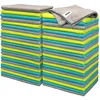
FIXSMITH Microfiber Cleaning Cloth — 50-Pack
Lint-free 16″x12″ cloths, sold in bulk so you always have a clean one for the next coat.
- Best for: everyday oil- and water-based stain application and wiping excess
- Why we picked it: lint-free weave, and a 50-pack means a fresh cloth for every coat instead of reusing a stained one
- Main drawback: not the right choice for gel stain — switch to cotton for that
Compare more stain applicator options
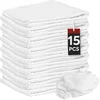 Option 1 Cotton Lint-Free Rags (15-Pack)
|
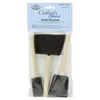 Option 2 Foam Brush Set (1″, 2″, 3″)
|
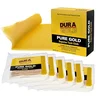 Option 3 Tack Cloth (6-Pack)
|
As an Amazon Associate we earn from qualifying purchases.
Microfiber is a synthetic cloth woven from ultra-fine polyester and polyamide fibers, usually blended around 80/20. The polyester gives the weave strength; the polyamide is what actually grabs and holds liquid. That split fiber structure creates far more surface area per square inch than a cotton weave, which is why a quality microfiber cloth absorbs roughly 98% of surface liquid on contact compared to about 70% for cotton.
In practice, that means a microfiber cloth picks up wet stain fast and holds more of it before you have to reach for a second cloth. It also means the fibers are too fine to shed — there’s no loose lint to trap in a wet finish, which is the main complaint people have about cheap terrycloth or old bath towels. For the full picture of how applicator choice fits into the rest of the finishing process, see our wood finishing guide covering stains, oils, sealers, and cure times.
The weight of the cloth matters too. Cloths are rated in GSM (grams per square meter): under 200 GSM is thin and better suited to dry dusting, while 300 GSM and up is thick enough to hold a real load of stain without soaking through to your hand. For staining, look for 300–400 GSM microfiber — thin enough to control, thick enough to work a whole panel before it dries out.
Microfiber vs Cotton Rag vs Foam Brush for Staining
All three tools can put stain on wood. They behave differently once the stain starts to set, which is where most staining mistakes actually happen.
| Tool | Best For | Lint Risk | Absorbency |
|---|---|---|---|
| Microfiber cloth | Oil- and water-based liquid stains, wiping excess, final dust pickup | None | High (~98%) |
| Cotton rag / T-shirt | Gel stain, dark heavy-bodied finishes, disposable one-time use | Moderate on rough wood | Moderate (~70%) |
| Foam brush | Corners, moldings, and detail work a flat cloth can’t reach | None | Uneven — soaks out fast |
When Microfiber Works Well for Staining Wood
- Oil-based and water-based liquid interior wood stains — microfiber loads evenly and releases the stain into the grain without dragging.
- Wiping off excess stain — the high absorbency pulls pooled stain off the surface fast, before it has a chance to skin over and blotch.
- Final dust removal after sanding — microfiber picks up fine sanding dust that a cotton rag or tack cloth can miss, so the stain goes on a cleaner surface.
- Buffing between coats — a dry, clean microfiber cloth won’t scratch a cured finish the way steel wool can.
When Microfiber Doesn’t Work (Gel Stain and Bare Wood)
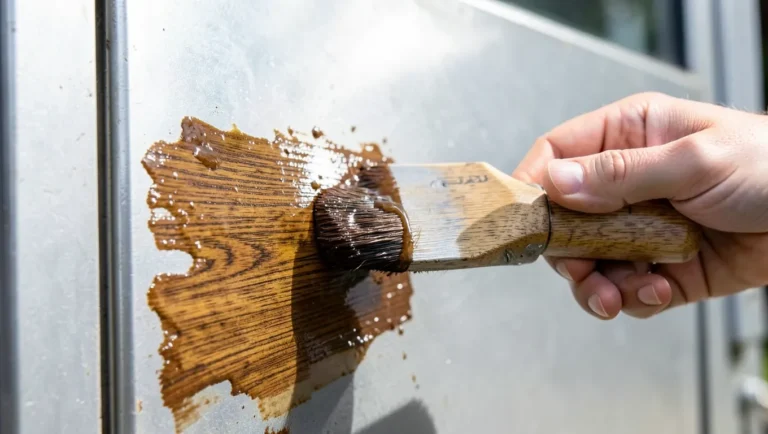
Gel stain is the main exception. Gel stains are formulated thick on purpose, so they sit on the surface instead of soaking in — that’s what makes them work on vertical surfaces and non-porous woods like pine or maple without blotching. That same thickness is the problem for microfiber: once the gel starts to skin over, the dense fibers grab and drag instead of gliding, and woodworkers who’ve made the switch report the gel turning sticky and hard to wipe smoothly. A cotton rag or a foam brush moves gel stain more predictably.
“In the shop, gel stain is the one product where we reach for a cotton rag instead of microfiber. Once gel starts to skin over, microfiber’s fibers grab and drag instead of gliding the way they do with a liquid stain.”
Bare, unsealed wood is the second exception. A dry microfiber cloth is slightly abrasive at the fiber level — fine for a sealed or finished surface, but it can burnish or leave faint scuff marks on raw, open-grain wood before any stain or sealer is on it. Dampen the cloth slightly, or use a soft cotton cloth instead, when you’re working bare wood that hasn’t been sealed yet.
How to Stain Wood With a Microfiber Cloth
- Sand and Tack the Surface: Sand to 220-grit, then wipe with a tack cloth or damp microfiber to pull off every trace of dust.
- Test the Stain on a Scrap Piece: Apply and wipe the stain on an offcut of the same wood species to check color and open time before committing to the real piece.
- Load the Cloth and Wipe With the Grain: Fold a clean microfiber cloth into a pad, load it with stain, and work it into the grain in the direction the wood runs.
- Remove the Excess Before It Skins Over: Wipe off pooled stain with a dry section of the cloth within the product’s open time — check the can, but most oil-based stains give you 5–15 minutes, and some fast-drying water-based stains give you far less.
- Let It Cure Before Recoating or Sealing: Give the stain its full recommended dry time (often 24 hours for oil-based) before adding a topcoat.
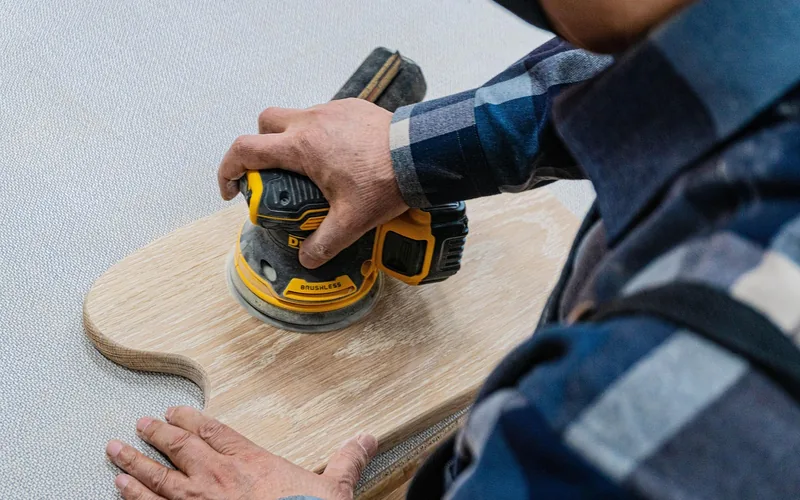
Preparing Wood Before You Stain
How the wood takes stain has more to do with the species and the sanding than the applicator you choose. Open-grained woods like oak take stain evenly; tight-grained, blotch-prone woods like maple and pine need a pre-stain conditioner first or the color comes out patchy no matter what you wipe it on with. Wipe with a slightly damp microfiber cloth right before staining — it lifts dust without leaving moisture behind the way a wet rag can.
If you’re deciding between gel stain and a standard oil-based stain, that choice actually matters more for your cloth selection than brand or color does — gel calls for cotton, liquid stain is where microfiber earns its keep.
Washing and Reusing a Microfiber Stain Cloth
A microfiber cloth can be washed and reused for staining as long as it’s fully clean and dry before the next use — leftover stain residue will bleed into your next coat and throw off the color. Wash separately in cold water with a small amount of detergent, and skip fabric softener entirely: it coats the fibers and makes them liquid-resistant, which defeats the whole point of the cloth. Air dry when possible; if you use a dryer, keep it on low heat, since overheating breaks down the fine fibers over time.
Why You Can’t Just Toss a Stain-Soaked Cloth in the Trash
📊 Oil-based stain, linseed oil, and varnish-soaked rags are a documented house-fire cause — OSHA Standard 1926.252(e) requires oily rags to be kept in a covered, fire-resistant metal container until disposal.
This is the part most staining guides skip, and it’s genuinely dangerous to ignore. As an oil-based stain cures, it oxidizes and gives off heat. Wad a stain-soaked cloth into a ball or toss it in a trash can, and that heat has nowhere to escape — the pile can climb to its ignition point with no spark or flame involved. This is exactly how a number of workshop and garage fires start, and it applies to microfiber and cotton alike.
- Never wad a stain-soaked cloth into a ball or pile it with sawdust, shavings, or other combustibles.
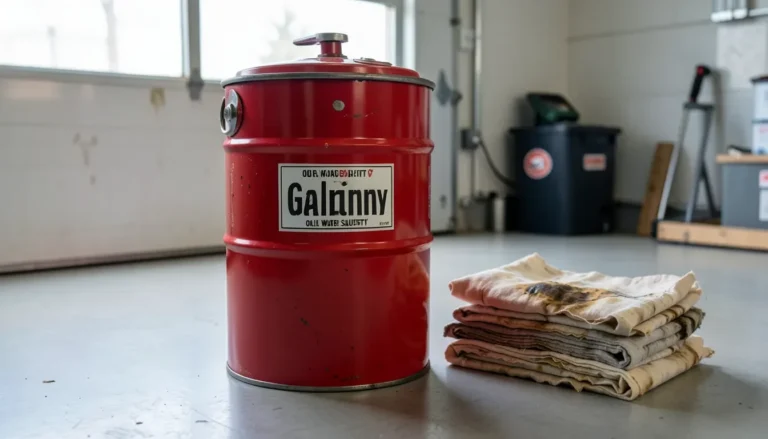
- Lay cloths flat outdoors on a metal rack or concrete surface, away from siding, until they’re stiff and fully dry — usually two full days.
- Once dry, oil-based stain residue is inert and the cloth can go in the regular trash.
- For ongoing shop use, keep a UL-listed metal rag can with a self-closing lid so a fire inside is starved of oxygen.
- Water-based stains don’t carry the same combustion risk, but keep soaked cloths away from open flame and let them dry before disposal anyway.
Frequently Asked Questions
Does a Microfiber Cloth Leave Lint on Stained Wood?
No. Microfiber’s fibers are split synthetic filaments woven too fine to shed, which is the main reason it’s preferred over cheap terrycloth or old towels for staining. Lint problems on stained wood almost always trace back to a low-quality cotton rag or a towel that’s already breaking down, not to microfiber.
Can You Use Microfiber Cloths With Gel Stain?
You can, but most woodworkers find it drags. Gel stain’s thick, non-drip consistency starts to skin over quickly, and microfiber’s dense weave grabs at that skin instead of gliding smoothly across it, leaving it sticky and hard to wipe evenly. A cotton rag or a foam brush handles gel stain more predictably.
Will a Dry Microfiber Cloth Scratch Raw Wood?
It can burnish or leave faint scuff marks on bare, unsealed wood, since dry microfiber is mildly abrasive at the fiber level. This isn’t a concern once a stain or sealer is on the wood — it only matters on raw, open grain. Dampen the cloth slightly or use soft cotton for that first pass.
Can You Reuse a Microfiber Cloth for Staining?
Yes, as long as it’s washed clean and fully dry before the next use. Wash it alone in cold water with no fabric softener, since softener coats the fibers and reduces absorbency. A cloth with leftover dried stain in it will bleed color into your next coat, so don’t skip the wash.
Is It Safe to Throw a Stain-Soaked Microfiber Cloth in the Trash?
Not while it’s still wet with oil-based stain. Lay it flat outdoors on a metal rack or concrete until it’s stiff and fully dry, usually about two days, or store it in a covered metal rag container. Wadding a wet, oil-stained cloth into a trash bag is a documented spontaneous-combustion fire risk.
Conclusion
Microfiber is a genuinely good default for staining wood — lint-free, highly absorbent, and reusable if you wash it right. Keep a cotton rag on hand for gel stain and a foam brush for corners, and you’ve got the full toolkit covered. The one step people skip is disposal: let a stain-soaked cloth dry flat before it goes anywhere near a trash can or a pile of sawdust.
Sponsored / affiliate links. As an Amazon Associate I earn from qualifying purchases. I may earn additional commission from eligible campaigns.