Laser Wood Cutter: Diode vs CO2, and What You Actually Need
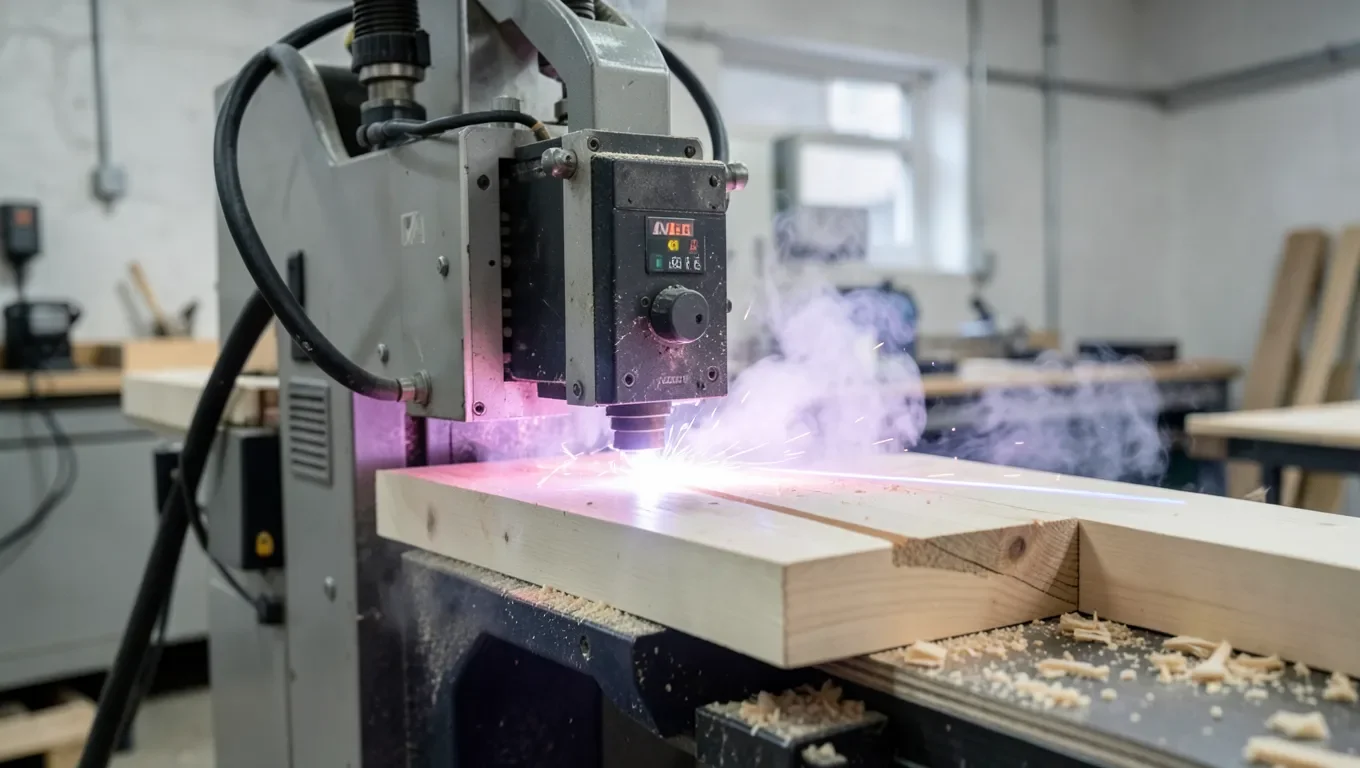
A laser wood cutter uses a focused beam to burn or vaporize a path through wood, and the real distinction that matters when buying one is diode vs. CO2, not brand marketing. Hobby diode lasers (commonly 5-20W optical output) handle engraving and cutting thinner wood (up to about 1/4″-3/8″ in one pass); CO2 tube lasers (40W and up) cut significantly thicker stock and cut faster, but cost substantially more and need more space.
Diode vs. CO2: The Real Capability Gap
A Real Entry-Level Diode Laser
 |
Longer RAY5 20W Diode Laser Engraver – $374.99 A real 20W optical output diode laser, enough to cut thinner plywood/hardwood and engrave deeply into thicker stock.
|
Diode lasers are smaller, cheaper, and don’t require a separate laser tube or chiller, making them the realistic entry point for most home hobbyists at roughly $200-$500 for a genuine 20W unit. CO2 lasers use a gas-filled tube to generate a more powerful, more precisely focused beam, enabling faster cuts through thicker material (1/2″ plywood and beyond) but starting around $1,000-$3,000+ for a real machine, plus the space and ventilation infrastructure a more powerful laser demands.
The Ventilation Issue Most Buying Guides Skip
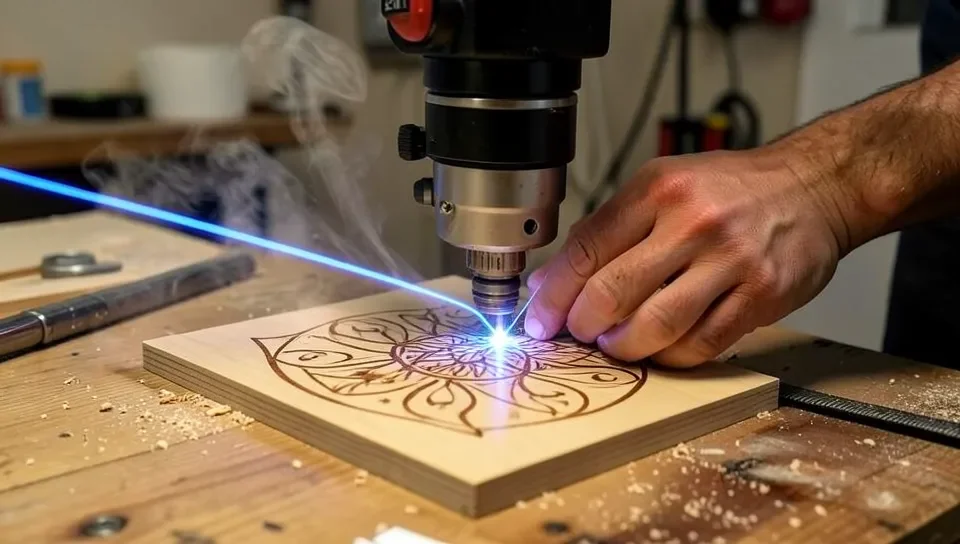
Cutting or engraving wood with a laser produces real smoke and fine particulate containing combustion byproducts, and running one in an unventilated room is a genuine air-quality and fire-safety concern, not a minor detail. A proper setup needs either a vented enclosure exhausting outside or a dedicated air filtration unit with real carbon/HEPA filtration — running a laser cutter on a bare table with a window cracked open is not adequate ventilation for regular use.
Wood Species Matters More Than People Expect
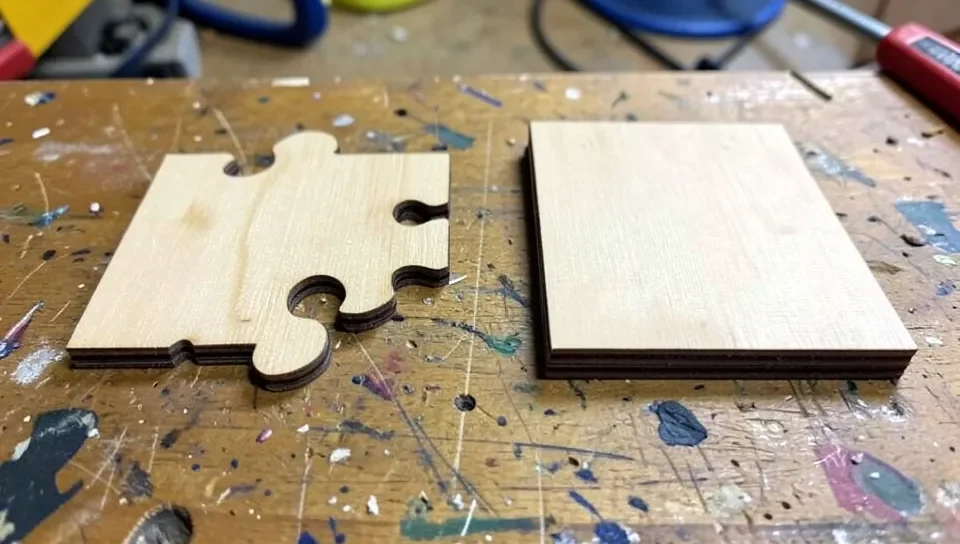
Lighter, more consistent woods (birch plywood, basswood) cut and engrave more predictably than resinous or oily woods (cedar, some exotic species), which can produce more flare-up and inconsistent burn depth. Real resin content in a species also means more soot and residue on the cut edge, often needing a light sanding pass afterward — this is a genuine material consideration, not something covered by a laser’s wattage spec alone.
Frequently Asked Questions
What’s the real difference between diode and CO2 laser cutters?
Diode lasers (5-20W) are cheaper and handle engraving plus thinner wood cutting. CO2 lasers (40W+) cost significantly more but cut thicker material faster with a more powerful, precisely focused beam.
Is ventilation actually necessary for a hobby laser cutter?
Yes, genuinely. Laser-cutting wood produces smoke with combustion byproducts. A vented enclosure or real carbon/HEPA air filtration is necessary for regular indoor use, not optional.
How thick a piece of wood can a 20W diode laser cut?
Roughly 1/4″ to 3/8″ in a single pass for most woods, depending on species and cut speed. Thicker material needs multiple passes or a more powerful CO2 laser.
Conclusion
A real 20W diode laser is the practical entry point for most home hobbyists, handling engraving and thinner wood cutting; step up to CO2 only if you genuinely need to cut thicker stock regularly. Whichever you choose, real ventilation isn’t optional — budget for it as part of the actual setup, not an afterthought.
Sponsored / affiliate links. As an Amazon Associate I earn from qualifying purchases. I may earn additional commission from eligible campaigns.