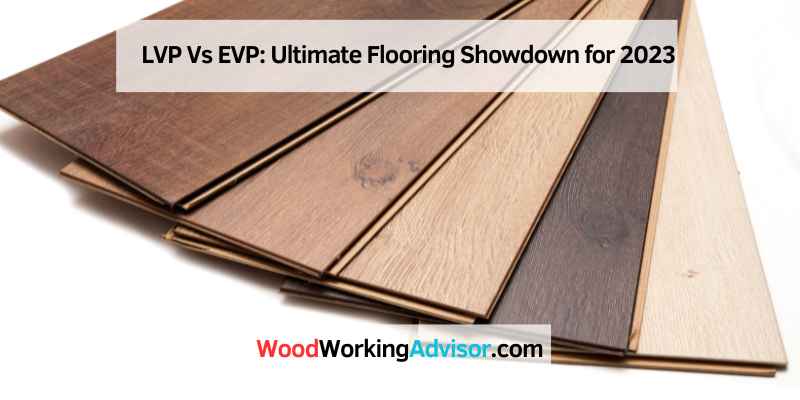
LVP Vs EVP: Ultimate Flooring Showdown for 2026
LVP and EVP are types of vinyl flooring. LVP is thinner, while EVP is thicker and more durable with added stability features.
Luxury Vinyl Plank (LVP) and Engineered Vinyl Plank (EVP) are popular choices for flooring due to their resemblance to hardwood and stone, easy maintenance, and water-resistant properties. LVP is known for its thinner construction, making it less durable and waterproof compared to EVP, which offers enhanced thickness and stability.
Both options have their unique benefits, with EVP being slightly more expensive but providing better durability and resistance to moisture, stains, and scratches. Understanding the differences between LVP and EVP can help homeowners make informed decisions when choosing the right flooring for their spaces.
Introduction To LVP And EVP
When it comes to choosing the perfect flooring for your space, Luxury Vinyl Plank (LVP) and Engineered Vinyl Plank (EVP) are popular options that offer durability, style, and versatility. Understanding the differences between LVP and EVP can help you make an informed decision when selecting the ideal flooring for your home or commercial space.
What Is LVP?
LVP, short for Luxury Vinyl Plank, is a type of vinyl flooring designed to mimic the look of traditional hardwood flooring. It is constructed with multiple layers, including a thick wear layer for added durability, a realistic photographic layer that replicates the look of wood, and a core layer for stability. LVP is available in various colors, textures, and plank sizes, making it a versatile choice for any interior design scheme.
What Is EVP?
Engineered Vinyl Plank (EVP) is a type of vinyl flooring that combines the waterproof properties of vinyl with a rigid core for enhanced stability. EVP typically features a click-lock installation system, allowing for easy and secure installation without the need for adhesive. This innovative flooring option offers exceptional resilience, making it suitable for high-traffic areas and spaces prone to moisture, such as kitchens and bathrooms.
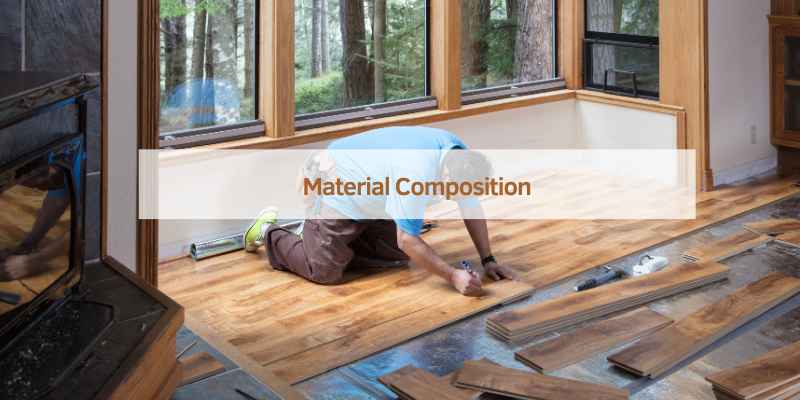
Material Composition
When comparing LVP (Luxury Vinyl Plank) and EVP (Engineered Vinyl Plank), understanding the material composition is crucial. Both types of flooring offer unique features based on their core structure and differences.
LVP Core Structure:
LVP typically consists of layers such as a wear layer, printed vinyl layer, core layer, and backing layer. The core layer in LVP is made of solid PVC (polyvinyl chloride) material, providing durability and stability.
EVP Core Differences:
EVP, on the other hand, features a unique core composition that includes a rigid core layer made of a composite material. This composite core enhances the strength and dimensional stability of EVP flooring.
Durability And Performance
When it comes to choosing between LVP (Luxury Vinyl Plank) and EVP (Engineered Vinyl Plank), durability and performance are key factors to consider. Both options have their own advantages and it’s important to understand how they differ in terms of scratch and wear resistance as well as waterproof features.
Scratch And Wear Resistance
One of the primary concerns when selecting flooring is its ability to withstand everyday wear and tear. Both LVP and EVP excel in this aspect, thanks to their protective wear layers. These wear layers act as a shield, making the flooring resistant to scratches, scuffs, and dents.
However, when comparing LVP and EVP, EVP takes the lead in terms of scratch and wear resistance. The engineered construction of EVP provides enhanced durability, making it more resistant to heavy foot traffic, pet claws, and other potential sources of damage. This makes EVP a great choice for high-traffic areas such as hallways, entryways, and living rooms.
Waterproof Features
Another crucial factor to consider is the waterproofing capability of the flooring. Both LVP and EVP are known for their water resistance, making them suitable for areas prone to moisture, such as kitchens, bathrooms, and basements.
However, EVP goes a step further and offers superior waterproof features compared to LVP. The engineered vinyl core of EVP ensures that it remains unaffected by water, spills, and humidity. This makes EVP an excellent choice for areas that are more prone to moisture and spills, providing peace of mind and easy maintenance.
In summary, when it comes to durability and performance, EVP surpasses LVP in terms of scratch and wear resistance as well as waterproof features. While both options offer great durability, EVP’s engineered construction provides additional strength and longevity. Additionally, EVP’s superior waterproofing capability makes it the ideal choice for areas where moisture is a concern.
Whether you choose LVP or EVP, both options offer a wide range of styles and designs to suit any aesthetic preference. Consider your specific needs, budget, and lifestyle when making your decision, and enjoy the benefits of a durable and high-performing vinyl flooring solution.
Aesthetic Appeal
When it comes to choosing between LVP and EVP, the aesthetic appeal is a key consideration. While both offer the look of hardwood or stone, LVP is slightly thinner and may not be as durable or waterproof as EVP, which often has an interlocking system for easy installation.
When it comes to choosing between Luxury Vinyl Plank (LVP) and Engineered Vinyl Plank (EVP), one of the most important factors to consider is the aesthetic appeal. Both LVP and EVP offer a wide range of designs and colors to choose from, but there are certain differences that set them apart.
Visual Realism in Flooring:
LVP is designed to mimic the look of natural hardwood, stone, and tile flooring. The visual realism in LVP is achieved through high-quality 3D printing technology that creates a realistic texture and pattern. On the other hand, EVP offers a wider range of design options, including unique and abstract patterns that cannot be achieved with LVP.
Texture and Feel:
Texture and feel are also important factors when choosing between LVP and EVP. LVP is known for its smooth and glossy surface, while EVP offers a more textured and realistic feel. The texture and feel of EVP make it a great option for high-traffic areas, as it provides better traction and slip resistance.
In conclusion, when it comes to the aesthetic appeal of LVP vs EVP, both options have their strengths and weaknesses. LVP offers a more realistic look, while EVP offers a wider range of design options and a more textured feel. Ultimately, the decision between LVP and EVP will come down to personal preference and the specific needs of your space.
Installation Techniques
LVP and EVP are both types of vinyl planks that mimic hardwood and stone. LVP is slightly thinner and often glued to the subfloor, while EVP has a rigid-core construction that clicks together. Both options have their advantages and differences in composition and installation methods.
When it comes to choosing between Luxury Vinyl Plank (LVP) and Engineered Vinyl Plank (EVP), there are several factors to consider. One of the most important factors is the installation technique. In this section, we will discuss the two most common installation techniques for LVP and EVP: Glue-Down vs. Interlocking Systems.
Glue-Down vs. Interlocking Systems
LVP and EVP can both be installed using either a glue-down or an interlocking system. Glue-down installation involves applying adhesive to the subfloor and then placing the vinyl planks directly on top of the adhesive. Interlocking system installation, on the other hand, involves the vinyl planks locking together without the need for adhesive.
Glue-down installation is a more traditional method and can be a good choice for areas with high foot traffic. It provides a more stable installation and can be more resistant to water damage. Interlocking system installation, however, is easier to install and can be a good choice for DIY projects. It also allows for easier replacement of damaged planks.
Subfloor Requirements
When it comes to subfloor requirements, both LVP and EVP have similar requirements. The subfloor should be clean, dry, and level. It should also be free from any bumps, ridges, or depressions. Any imperfections in the subfloor can cause problems with the installation and can lead to issues with the vinyl planks later on.
It is important to note that EVP is typically thicker than LVP, so it may require a more level subfloor. This is because any imperfections in the subfloor may be more noticeable with EVP than with LVP. It is important to follow the manufacturer’s recommendations for subfloor preparation to ensure a successful installation.
In conclusion, both LVP and EVP have their pros and cons when it comes to installation techniques. The choice between glue-down and interlocking system installation will depend on factors such as foot traffic, water resistance, ease of installation, and personal preference. Regardless of the installation technique, it is important to properly prepare the subfloor to ensure a successful installation and a long-lasting, beautiful floor.
Cost Analysis
Comparing the costs of LVP versus EVP is essential when deciding on flooring options. EVP is typically pricier due to its enhanced features like waterproofing and durability, while LVP offers a more budget-friendly choice for similar aesthetics. Conducting a thorough cost analysis helps in making a well-informed decision.
Price Comparison
When comparing the costs of Luxury Vinyl Plank (LVP) and Engineered Vinyl Plank (EVP), it’s important to consider the initial price as well as the long-term value. LVP is generally more affordable upfront, making it a budget-friendly option for homeowners looking for a cost-effective flooring solution.
Long-term Value
Despite the lower initial cost of LVP, it’s essential to weigh the long-term value of both LVP and EVP. While EVP may have a higher initial investment, its durability and longevity can result in cost savings over time. This is particularly beneficial for high-traffic areas and homes with pets or children, where the long-term durability of EVP can outweigh its initial cost.
Considering the long-term value, EVP’s higher initial cost can be justified by its superior durability and resistance to wear and tear, providing homeowners with a cost-effective flooring option in the long run.
Suitability For Various Environments
When it comes to choosing between LVP and EVP, it’s essential to consider their suitability for different environments. Each type of flooring has unique characteristics that make it more suitable for specific settings. Let’s take a closer look at their suitability for various environments.
Residential Use
LVP and EVP are both popular choices for residential use due to their durability and versatility. They are suitable for various rooms in the home, including the living room, bedrooms, and kitchens. LVP is known for its water resistance, making it an excellent option for areas prone to moisture, such as bathrooms and basements. On the other hand, EVP offers enhanced stability and can withstand fluctuations in temperature, making it suitable for areas with varying climate conditions.
Commercial Applications
In commercial settings, LVP and EVP have their own advantages. LVP is often preferred for high-traffic areas such as retail spaces and offices due to its scratch and stain resistance. It offers easy maintenance and can withstand heavy foot traffic without showing signs of wear. EVP, with its rigid core construction, is well-suited for commercial spaces that require a durable and long-lasting flooring solution. It provides a stable and sturdy surface that can endure the demands of commercial environments.
Environmental Impact And Sustainability
When it comes to choosing between LVP and EVP flooring, it’s important to consider the environmental impact and sustainability of the materials. Both LVP and EVP offer various benefits in terms of eco-friendliness and recyclability, making them favorable options for environmentally conscious consumers.
Eco-friendly Manufacturing
Both LVP and EVP are manufactured using eco-friendly processes that minimize environmental impact. The production of these flooring materials involves sustainable practices and the use of recycled materials, reducing the overall carbon footprint associated with their manufacturing.
Recyclability Of Materials
One of the key sustainability features of LVP and EVP is their recyclability. These flooring materials are designed to be recyclable at the end of their lifespan, contributing to a circular economy and minimizing waste sent to landfills. This makes them a responsible choice for environmentally conscious consumers looking to reduce their ecological footprint.
Consumer Considerations
When choosing between LVP and EVP flooring, there are several important consumer considerations to take into account. These factors can greatly impact the overall satisfaction and performance of the chosen flooring option. Let’s explore the key considerations that consumers should keep in mind when deciding between LVP and EVP.
Ease Of Maintenance
One crucial aspect for consumers to consider is the ease of maintenance of the flooring options. Both LVP and EVP are known for their low-maintenance characteristics, making them popular choices for busy households. However, there are subtle differences that can influence the decision-making process.
For instance, LVP is generally easier to clean and maintain due to its thicker wear layer, which provides enhanced scratch and stain resistance. On the other hand, EVP may require more attention to prevent damage to its surface, especially in high-traffic areas.
Warranty And Brand Reputation
Another significant consideration for consumers is the warranty and brand reputation associated with the flooring products. It’s essential to evaluate the warranty coverage offered by manufacturers and the reputation of the brands in the industry.
LVP and EVP manufacturers often provide warranties that vary in terms of coverage and duration. Consumers should carefully review the warranty details, including provisions for wear, fading, and structural integrity. Additionally, researching the brand’s reputation and customer reviews can offer valuable insights into the overall quality and reliability of the flooring.
The Verdict
LVP and EVP are both vinyl flooring options that mimic hardwood and stone. While LVP is slightly thinner, EVP, also known as rigid-core LVP, offers enhanced durability and waterproofing with an interlocking system for easy installation. Consider the differences in composition and installation methods when choosing between LVP and EVP for your space.
After considering all the factors, it’s clear that both LVP and EVP have their advantages and disadvantages. The decision ultimately comes down to personal preference and the specific needs of your space.
Factors Influencing Decision
When deciding between LVP and EVP, there are a few key factors to consider:
- Thickness: Rigid Vinyl Plank (RVP) is thicker than LVP, making it a better option for hiding subfloor imperfections.
- Stability and insulation: Some RVP options come with a pre-attached pad for added stability and insulation.
- Installation: EVP is often interlocking, while LVP is often glued to the subfloor.
- Durability: Both LVP and EVP are highly durable, but EVP may be slightly more resistant to moisture, stains, and scratches due to its composition.
- Cost: EVP is generally more expensive than LVP, but the added benefits may be worth the extra cost for some.
Final Recommendations
In the end, the decision between LVP and EVP comes down to your specific needs and preferences. If you’re looking for a budget-friendly option that still looks great and is easy to install, LVP may be the way to go. However, if you’re willing to spend a bit more for added stability, insulation, and durability, EVP may be the better choice. Whatever you decide, be sure to choose a reputable brand and work with a professional installer to ensure the best results.
Frequently Asked Questions
What Is Better LVP Vs Rvp?
LVP (Luxury Vinyl Plank) and RVP (Rigid Vinyl Plank) have some differences. RVP is thicker and better for hiding subfloor imperfections. LVP can contour to imperfections but is thinner. Some RVP options come with a pre-attached pad for added stability and insulation.
How Much Does EVP Flooring Cost?
EVP flooring costs vary, but on average, it is more expensive than LVP flooring. Prices depend on the brand and specific product line.
Is Evp The Same As Engineered Hardwood?
EVP is not the same as engineered hardwood. EVP is a type of vinyl flooring, while engineered hardwood is made of wood layers.
Is EVP Flooring Waterproof?
Yes, EVP flooring is waterproof, making it resistant to moisture, stains, and scratches for durable and low-maintenance flooring.
Conclusion
When choosing between LVP and EVP flooring, consider your specific needs and preferences. LVP is thinner and contours to imperfections, while EVP offers added stability and insulation. Although EVP is generally more expensive, both options provide durable and waterproof solutions for your flooring needs.