Mahogany Hardwood Essentials: Elevate Your Home Decor
Mahogany hardwood is a premium wood known for its rich color and durability. It is commonly used in furniture, cabinetry, and flooring.
Mahogany hardwood has captivated artisans and homeowners alike for centuries. Originating from tropical regions, it boasts a deep reddish-brown hue that adds warmth to any space. Its fine grain and natural luster make it a favorite for high-end furniture and decorative pieces.
Beyond aesthetics, mahogany is prized for its strength and resistance to decay, making it ideal for both indoor and outdoor applications. This hardwood is also relatively easy to work with, allowing craftsmen to create intricate designs. As sustainability becomes a priority, eco-friendly sourcing of mahogany is gaining traction, ensuring future generations can appreciate its beauty and utility.
The Allure Of Mahogany
Mahogany hardwood captures attention with its stunning beauty. This wood has a rich history and unique qualities. Homeowners and designers love using mahogany in various projects. Its appeal lies in its elegance and durability.
Timeless Elegance
Mahogany stands out for its timeless elegance. It complements both traditional and modern styles. Here are some key features:
- Classic Look: Mahogany has a refined appearance.
- Versatile Design: Works well in furniture, cabinets, and flooring.
- Natural Grain: Each piece has a unique pattern.
Many choose mahogany for its luxurious feel. It enhances the beauty of any space. From homes to offices, mahogany adds a touch of sophistication.
Rich Color Palette
The rich color palette of mahogany is captivating. It ranges from deep red to warm brown tones. This variety allows for diverse design choices. Some popular shades include:
| Shade | Description |
|---|---|
| Dark Mahogany | Deep, rich red-brown with a classic appeal. |
| Light Mahogany | Warm, golden tones that brighten spaces. |
| Red Mahogany | Vibrant red tones that add warmth. |
This variety makes mahogany suitable for any decor. It pairs well with many colors and styles. Mahogany maintains its beauty over time, making it a wise investment.
History And Origins
Mahogany hardwood has a rich and vibrant history. This stunning wood has roots in ancient cultures. Its unique characteristics made it highly sought after.
From Rainforests To Royalty
Mahogany trees grow in dense rainforests. They thrive in Central and South America. The most famous species is Swietenia macrophylla. This species produces the best quality wood.
Indigenous people valued mahogany for its strength. They used it for tools and canoes. European explorers discovered mahogany in the 16th century. They admired its beauty and durability.
By the 18th century, mahogany became a symbol of luxury. Wealthy individuals used it for furniture and decorative items. Famous furniture makers like Thomas Chippendale crafted exquisite pieces from mahogany.
Global Trade And Mahogany
Mahogany’s popularity fueled global trade. It became an important export for countries like Honduras and Jamaica. Traders shipped mahogany to Europe and North America.
| Country | Export Volume (in tons) |
|---|---|
| Honduras | 50,000 |
| Jamaica | 30,000 |
| Brazil | 20,000 |
Over time, mahogany became endangered. Deforestation and overharvesting threatened its survival. Conservation efforts began in the 20th century. Today, regulations help protect mahogany forests.
- Mahogany is known for its reddish-brown color.
- It resists warping and swelling.
- Mahogany is easy to work with and finishes well.
Characteristics Of Mahogany Wood
Mahogany wood is celebrated for its unique features. It stands out for durability, beauty, and versatility. Understanding its characteristics helps in choosing the right wood for projects.
Durability And Resistance
Mahogany is known for its strength and durability. It can resist wear and tear, making it ideal for furniture and flooring. Here are some key points:
- Long-lasting: Mahogany can last for decades with proper care.
- Water-resistant: Its natural oils help resist moisture.
- Bug-resistant: Mahogany naturally deters pests.
These qualities make mahogany a preferred choice for high-quality items.
Grain Patterns And Texture
The grain patterns of mahogany are truly stunning. Each piece has a unique appearance. Here are some characteristics:
| Feature | Description |
|---|---|
| Grain | Straight and interlocking, with a rich texture. |
| Color | Ranges from golden to deep reddish-brown. |
| Finish | Polishes beautifully, enhancing its natural beauty. |
Mahogany’s grain and color make it a favorite for fine woodworking. It adds warmth and elegance to any space.
Sustainable Sourcing
Sustainable sourcing of Mahogany hardwood is crucial for our planet. This approach ensures that the wood is harvested responsibly. It protects forests and maintains biodiversity. Sustainable practices help reduce deforestation and promote eco-friendly alternatives.
Environmental Impact
The environmental impact of Mahogany hardwood is significant. Unsustainable logging harms ecosystems and wildlife. Here are key points about its impact:
- Deforestation leads to habitat loss.
- Soil erosion increases without tree cover.
- Carbon emissions rise from cutting trees.
- Water cycles are disrupted.
Choosing sustainably sourced Mahogany helps minimize these effects. It supports forest regeneration and protects wildlife habitats.
Certified Mahogany Options
Opt for certified Mahogany to ensure responsible sourcing. Certification bodies verify sustainable practices. Here are some well-known certifications:
| Certification | Details |
|---|---|
| FSC (Forest Stewardship Council) | Ensures responsible forest management. |
| PEFC (Programme for the Endorsement of Forest Certification) | Promotes sustainable forestry worldwide. |
| Rainforest Alliance | Focuses on conservation and sustainable livelihoods. |
Purchasing certified Mahogany promotes sustainable forestry. It encourages responsible practices and protects our environment.
Types Of Mahogany
Mahogany is a popular hardwood known for its beauty and durability. Different types of mahogany exist, each with unique characteristics. Understanding these types helps in choosing the right one for your needs.
Genuine Mahogany Vs. Alternatives
Genuine mahogany comes from the Swietenia macrophylla tree. It is prized for its rich color and grain. Here’s how it compares to alternatives:
| Type | Characteristics | Common Uses |
|---|---|---|
| Genuine Mahogany | Rich color, smooth grain, durable | Furniture, cabinetry, musical instruments |
| Khaya Mahogany | Similar look, slightly less durable | Affordable furniture, decorative items |
| Sapele | Light reddish-brown, unique grain patterns | Flooring, cabinetry, veneers |
Choosing the right type depends on your project. Genuine mahogany offers the best quality, while alternatives provide cost-effective options.
Regional Varieties
Mahogany trees grow in various regions. Each region produces slightly different types. Here are some notable regional varieties:
- Cuban Mahogany: Known for its deep color and fine grain.
- Honduran Mahogany: Favored for its hardness and stability.
- Philippine Mahogany: Often used in plywood and inexpensive furniture.
These varieties each have unique traits. Their differences can affect your choice based on appearance and durability.
Mahogany In Home Decor
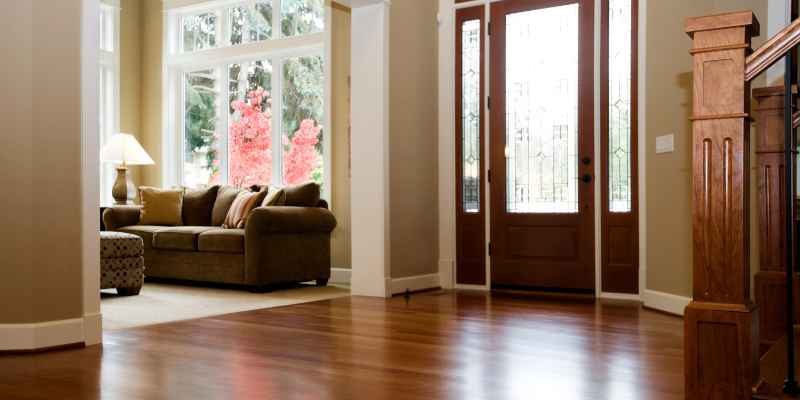
Mahogany hardwood shines in home decor. Its rich color and durability make it a favorite. This wood adds warmth and elegance to any space. Many choose mahogany for furniture and accents.
Furniture And Craftsmanship
Mahogany is perfect for high-quality furniture. Its strength supports intricate designs and fine craftsmanship. Here are some popular furniture types made from mahogany:
- Dining tables
- Chairs
- Coffee tables
- Cabinets
- Desks
Each piece showcases the natural beauty of the wood. Mahogany ages gracefully, maintaining its charm over time.
Accentuating Interiors With Mahogany
Using mahogany in decor elevates the interior style. It pairs well with many color schemes. Here are ways to accentuate your space:
- Wall Panels: Create a warm atmosphere with mahogany paneling.
- Trim and Molding: Use mahogany for window and door frames.
- Decorative Accents: Add mahogany shelves or picture frames.
- Lighting Fixtures: Choose mahogany lamps for a cozy feel.
Mahogany complements both modern and traditional styles. Its versatile nature makes it a top choice for designers.
Care And Maintenance
Maintaining mahogany hardwood enhances its beauty and extends its life. Proper care keeps your floors looking new. Follow these tips for effective cleaning and longevity.
Cleaning Tips
Regular cleaning is essential for mahogany hardwood. Dust and dirt can scratch the surface. Use the following methods:
- Dusting: Use a microfiber mop or cloth.
- Vacuuming: Use a vacuum with a hardwood floor attachment.
- Mopping: Use a damp mop with a pH-neutral cleaner.
Avoid using water excessively. Too much moisture can damage the wood. Follow these steps for a safe cleaning routine:
- Remove loose dirt with a broom or vacuum.
- Dampen the mop slightly with a cleaner.
- Wipe the floor in the direction of the grain.
Use rugs in high-traffic areas. This protects the wood from scratches and wear.
Longevity Practices
To keep mahogany hardwood looking great, follow these longevity practices:
| Practice | Description |
|---|---|
| Humidity Control | Maintain indoor humidity between 30% and 50%. |
| Furniture Pads | Use pads under furniture legs to avoid scratches. |
| Regular Inspections | Check for scratches or damage often. |
| Refinishing | Consider refinishing every 5-10 years. |
These practices ensure your mahogany hardwood remains beautiful and durable. Enjoy your stunning floors for years to come!
Future Of Mahogany
The future of Mahogany hardwood looks promising. As trends evolve, so does the demand for this beautiful wood. Its rich color and durability make it a popular choice. However, sustainability and conservation efforts are crucial for its future. Let’s explore the key aspects shaping Mahogany’s future.
Trends In Home Design
Mahogany hardwood is a favorite in modern home design. It offers a touch of elegance and sophistication. Here are some notable trends:
- Open Floor Plans: Mahogany enhances large spaces with its warm tones.
- Minimalist Designs: Its natural beauty complements simple, clean lines.
- Mixed Materials: Combining Mahogany with metals or glass creates stunning contrasts.
- Eco-Friendly Choices: Sustainable Mahogany options appeal to eco-conscious homeowners.
Conservation Efforts
Conservation is essential for the future of Mahogany. Overharvesting threatens its availability. Various organizations work to protect this valuable resource. Here are key conservation efforts:
| Organization | Focus Area | Impact |
|---|---|---|
| Rainforest Alliance | Sustainable forestry practices | Promotes eco-friendly Mahogany sourcing |
| World Wildlife Fund | Habitat conservation | Protects Mahogany habitats |
| Forest Stewardship Council | Certification of sustainable wood | Ensures responsible sourcing |
Supporting these organizations helps ensure Mahogany remains available for future generations. Choose certified Mahogany for your projects. This supports sustainable practices and protects our forests.
Frequently Asked Questions
What Is Mahogany Hardwood?
Mahogany hardwood is a premium tropical wood known for its durability and rich color. It is often used in furniture, cabinetry, and flooring. This wood is prized for its fine grain and resistance to warping. Mahogany is also relatively easy to work with, making it a favorite among woodworkers.
How To Maintain Mahogany Hardwood?
To maintain mahogany hardwood, regularly clean it with a soft, damp cloth. Avoid harsh chemicals that can damage the finish. Applying a high-quality wood conditioner every few months can help preserve its natural luster. Additionally, keep it away from direct sunlight to prevent fading.
Is Mahogany Hardwood Expensive?
Yes, mahogany hardwood is considered a premium wood and can be pricey. Factors like availability and quality influence its cost. While it may be more expensive than other hardwoods, its durability and beauty often justify the investment. It adds value to any home or project.
Where Is Mahogany Hardwood Sourced From?
Mahogany hardwood is primarily sourced from tropical regions in Central and South America. The most popular species include Honduras and African mahogany. Sustainable sourcing practices are essential to protect these valuable forests. Always look for certified suppliers to ensure responsible harvesting methods are used.
Conclusion
Mahogany hardwood is a timeless choice for any home. Its rich color and durability make it ideal for furniture and flooring. Investing in mahogany not only enhances aesthetics but also adds value. Choose this elegant wood to create lasting beauty and warmth in your space.
Experience the charm of mahogany today.