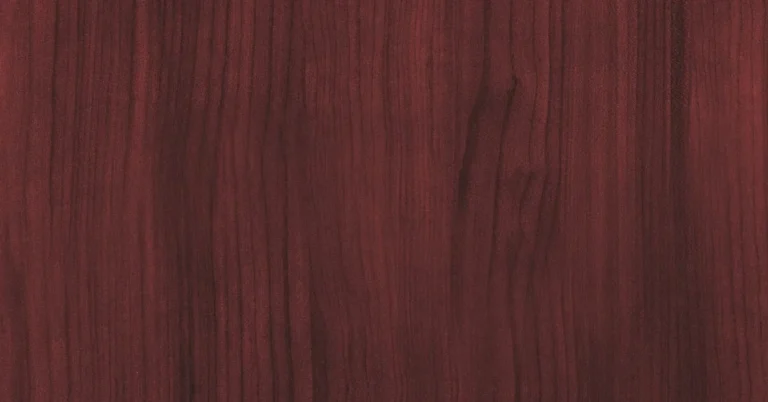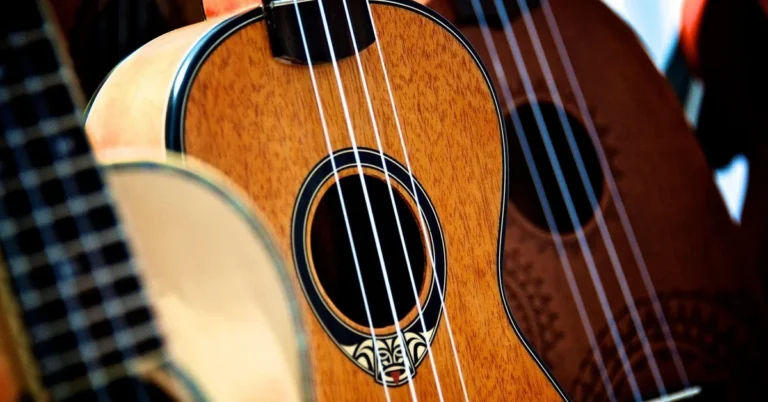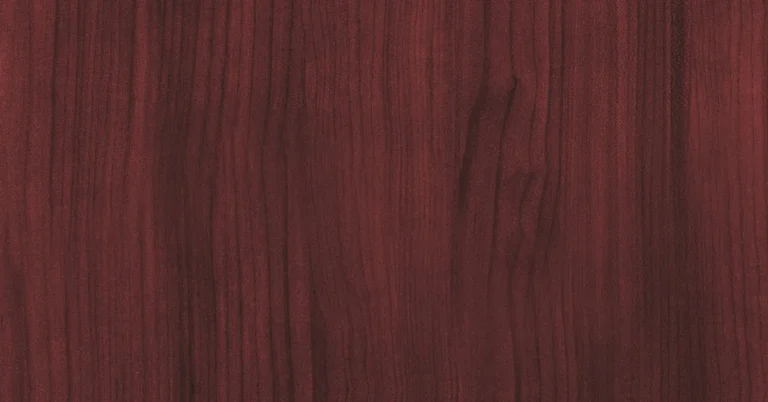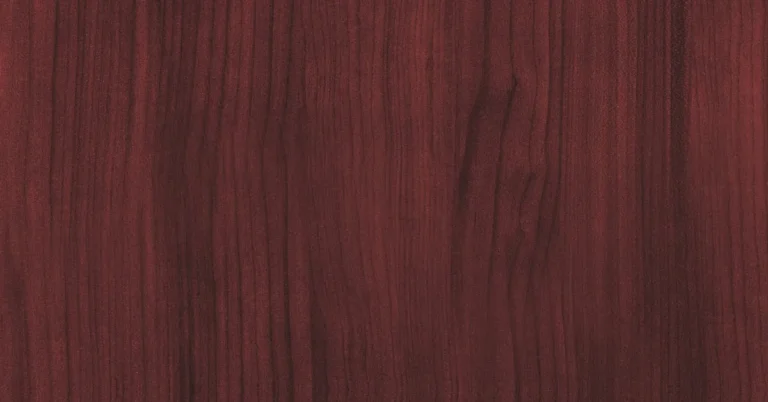
Mahogany Wood for Exteriors: Real Durability, Real Maintenance (Not Maintenance-Free)
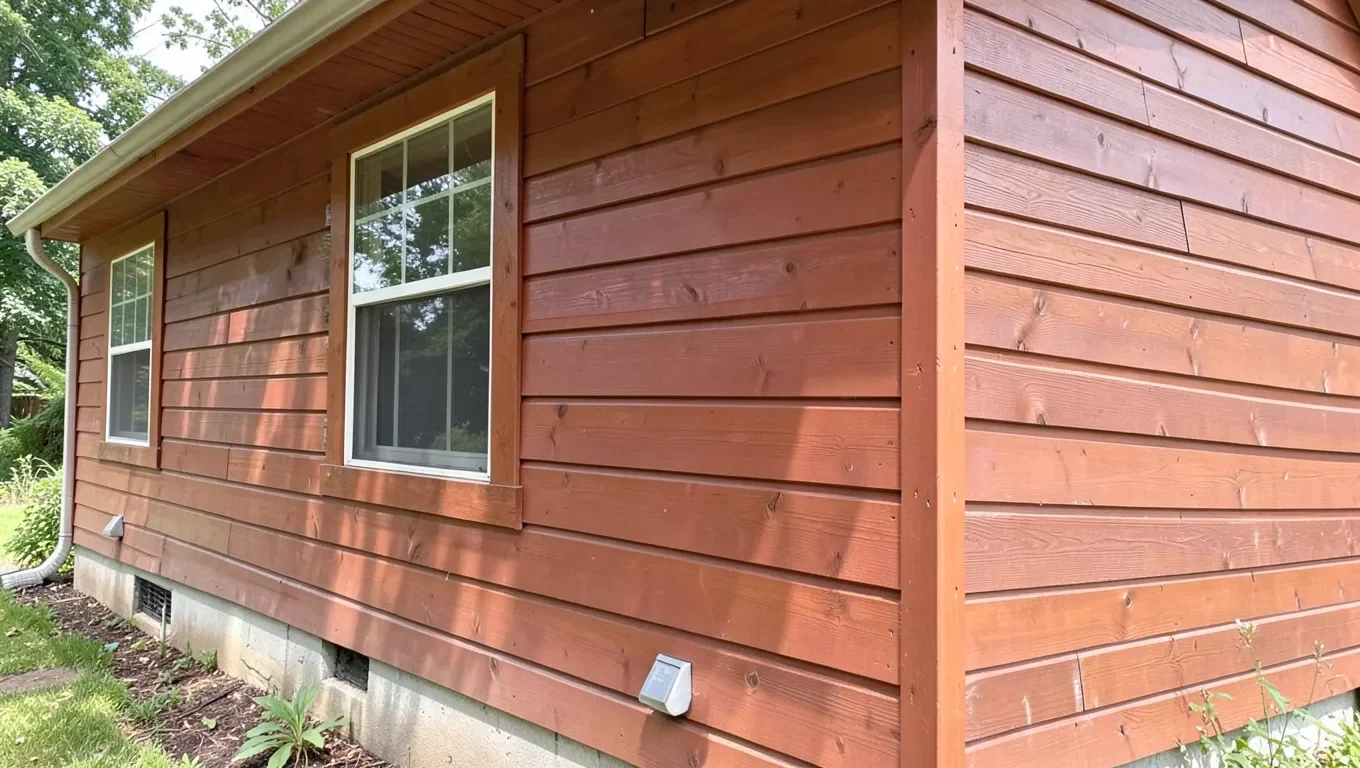
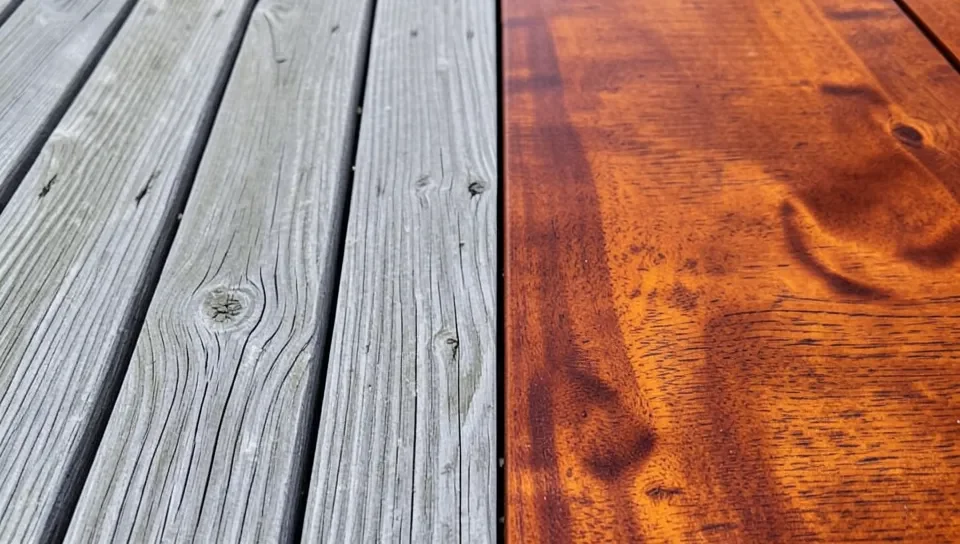
Mahogany genuinely resists rot and insects well enough for real exterior use — siding, trim, decking, millwork — but it is not maintenance-free, and it will gray from UV exposure just like any other wood without a protective finish. That’s the honest version of a claim often oversold: mahogany’s natural oils help with moisture and pest resistance, but they don’t block UV light, which is what actually causes exterior wood to fade and turn silvery-gray over time.
What Mahogany Actually Does Well Outdoors
The Finish That Actually Prevents Graying
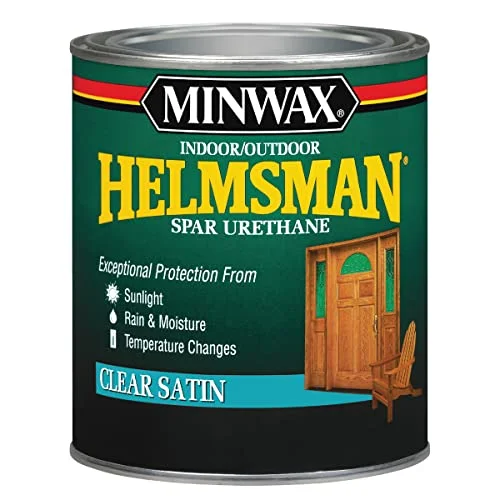 |
Minwax Helmsman Indoor/Outdoor Spar Urethane, Quart – $23.49 A genuine UV-blocking spar formula — the actual product category that keeps exterior mahogany’s color, not the wood’s natural oils alone.
|
Genuine mahogany (African/Khaya or Honduran/Swietenia) has real, measurable rot resistance from natural extractives in the wood, plus a tight, stable grain that resists warping and splitting better than many softwoods used for exterior trim. This is why it’s a legitimate choice for siding, window and door trim, and outdoor millwork — the durability claim itself holds up. What doesn’t hold up is any claim that this durability extends to color retention without help: rot resistance and UV resistance are two completely different properties, and mahogany only has the first one built in.
Why Unfinished Exterior Wood Grays
UV light breaks down lignin, the compound that gives wood its color, at the surface layer — this happens to every wood species left unfinished outdoors, including teak, cedar, and mahogany, regardless of natural oil content. The graying isn’t a sign of decay or structural failure; it’s a surface-level cosmetic change. But if the original reddish-brown color matters to the look you want, a UV-rated finish reapplied on a real schedule (roughly every 2-4 years depending on sun exposure, similar to the maintenance interval covered in our mahogany exterior doors guide) is what actually prevents it — not the species choice alone.
Real Exterior Applications
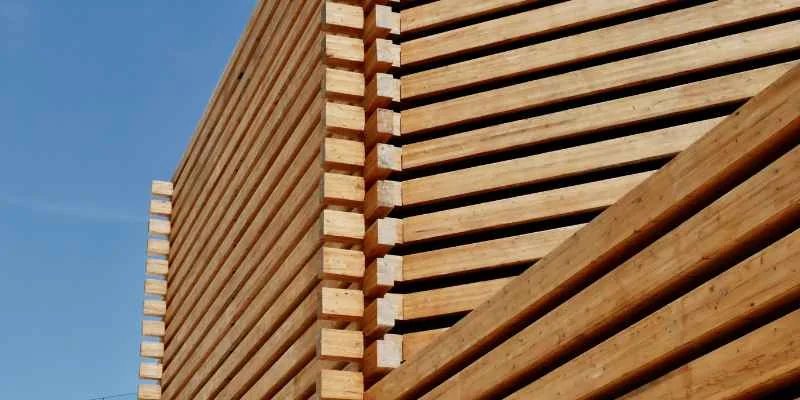
- Siding and slat screens: a genuinely popular modern application, using the wood’s natural resistance and letting it either weather to gray intentionally or maintaining color with regular finishing.
- Window and door trim, millwork: stable, tight grain resists the warping that causes trim to gap and let water in over time.
- Decking: viable, though it requires the same finish maintenance as any wood deck to prevent graying and surface checking.
- Exterior doors: a common high-visibility use — see our dedicated mahogany exterior doors guide for the specific maintenance schedule and real cost breakdown.
Which Mahogany You’re Actually Getting
Most exterior mahogany products today use African mahogany (Khaya species) rather than genuine Honduran mahogany (Swietenia macrophylla), and that’s a real, reasonable substitution rather than a downgrade. Honduran mahogany has been listed under CITES Appendix II since 2003, which restricts and slows its export, pushing suppliers toward African mahogany for volume exterior applications like siding and millwork. African mahogany shares the same real rot resistance and workability, with a slightly coarser grain and lighter color — a legitimate, more available alternative rather than an inferior one.
Realistic Cost Expectations
Genuine mahogany lumber typically runs meaningfully more per board foot than common exterior softwoods like cedar or pressure-treated pine, reflecting real material cost rather than marketing premium. Factor the ongoing finish maintenance into the real lifetime cost comparison too — a lower-maintenance-marketed material that still needs periodic refinishing doesn’t save the labor cost some buyers expect, it just shifts when that cost shows up.
Weathering To Gray On Purpose Vs. Maintaining Color
Some homeowners and architects choose to let exterior mahogany gray intentionally rather than fight it — the weathered silver-gray look is a real, popular aesthetic choice in modern architecture, not just neglect. If that’s the plan, mahogany’s real advantage is that it weathers evenly and stays structurally sound while doing so, thanks to the same rot resistance discussed above; a species without that resistance would decay rather than just gray. If you want to keep the original reddish-brown color instead, that’s the scenario where the finish maintenance schedule genuinely matters — there’s no way to have both the low-maintenance reputation and the original color without the upkeep.
Common Buying Mistakes
- Assuming “resists decay” means “no maintenance”: rot resistance and UV/color resistance are unrelated properties — check for both separately.
- Skipping the finish because the wood is naturally durable: the wood will survive without a finish; the color won’t.
- Not confirming the actual species: “mahogany-look” or “mahogany-stained” products on lower-cost lumber don’t carry the real rot resistance of genuine mahogany.
Frequently Asked Questions
Does mahogany really resist weather without any maintenance?
No. It genuinely resists rot and insects better than many woods, but it still grays from UV exposure without a protective finish, the same as any exterior wood. Rot resistance and color retention are separate properties.
How often does exterior mahogany need refinishing?
Roughly every 2-4 years depending on sun exposure, similar to any exterior wood finish schedule. A south- or west-facing surface in full sun needs it more often than a shaded or covered one.
Is mahogany a good choice for exterior siding?
Yes, it’s a legitimate choice thanks to real rot resistance and grain stability. Whether it’s worth the cost over cedar or pressure-treated alternatives depends on your budget and whether you’re willing to maintain the finish to keep the original color.
Conclusion
Mahogany is a real, durable exterior wood choice — its rot and insect resistance are genuine advantages. What it isn’t is maintenance-free: without a UV-rated finish reapplied on a real schedule, it grays like any other exterior wood. Budget for that maintenance up front rather than being surprised by it later.
Sponsored / affiliate links. As an Amazon Associate I earn from qualifying purchases. I may earn additional commission from eligible campaigns.