Mahogany Wood Janka Rating: Unveiling Hardness Facts
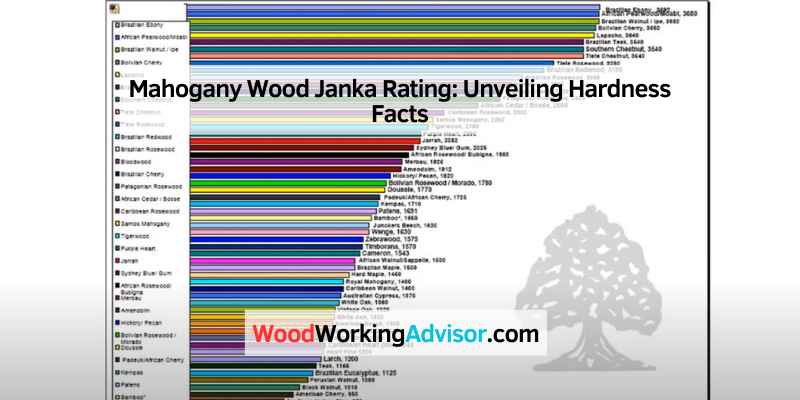
Mahogany wood has a Janka hardness rating of approximately 1,500 lbf. This rating indicates its strength and durability, making it a popular choice for furniture and flooring.
Mahogany is renowned for its stunning appearance and impressive durability. This hardwood features a rich, reddish-brown color that deepens over time, adding elegance to any space. Its fine grain and smooth texture enhance its aesthetic appeal, making it a sought-after material for high-end furniture and cabinetry.
Beyond beauty, mahogany wood’s Janka hardness rating reflects its strength, making it resistant to wear and tear. This quality ensures that mahogany furniture can withstand the demands of daily use. Choosing mahogany not only elevates your interior design but also provides a reliable, long-lasting investment.
Introduction To Mahogany Wood
Mahogany wood is renowned for its beauty and durability. It is a popular choice for furniture, cabinetry, and musical instruments. Understanding its origins and uses can help you appreciate this remarkable material.
Origins And Popularity
Mahogany comes from tropical trees. These trees grow mainly in Central and South America. Some species also thrive in Africa and the Caribbean. Mahogany has been prized for centuries.
Its rich color and fine grain make it highly sought after. This wood is often associated with luxury and elegance. Many artisans prefer mahogany for its workability and stability.
Typical Uses In Crafting And Construction
Mahogany wood is versatile. Here are some common uses:
- Furniture: Chairs, tables, and cabinets.
- Cabinetry: Kitchen and bathroom cabinets.
- Musical Instruments: Guitars, pianos, and drums.
- Boat Building: Hulls and interiors of boats.
- Interior Trim: Moldings and paneling.
Its properties make mahogany ideal for many projects:
- Durability: Resists wear and tear.
- Stability: Less prone to warping.
- Aesthetic Appeal: Rich color and smooth texture.
Craftsmen appreciate mahogany for its easy finishing. It takes stain and varnish well, enhancing its natural beauty.
What Is The Janka Hardness Test?
The Janka Hardness Test measures wood’s resistance to wear and denting. It helps determine the durability of different wood species. The test uses a steel ball and measures how much force is needed to embed the ball into the wood. This information is crucial for choosing the right wood for various applications.
Measuring Wood Durability
Wood durability is vital for many projects. It impacts the lifespan of furniture, flooring, and more. The Janka rating indicates how hard or soft a wood species is. Here’s a simple breakdown:
- High Janka Rating: More durable, suitable for heavy use.
- Low Janka Rating: Softer, better for light use.
Common Janka ratings for popular woods:
| Wood Type | Janka Rating (LBF) |
|---|---|
| Mahogany | 800 |
| Oak | 1290 |
| Pine | 690 |
Janka Test Procedure
The Janka Test follows a straightforward procedure:
- Prepare a sample of the wood.
- Place the sample on a stable surface.
- Use a 0.444-inch diameter steel ball.
- Apply force until the ball is half embedded.
- Measure the force in pounds-force (lbf).
This process ensures accuracy in measuring wood hardness. The results help consumers make informed choices.
Mahogany Wood Janka Rating
The Mahogany Wood Janka Rating measures the hardness of mahogany wood. This rating helps buyers understand its durability and suitability for various uses. Mahogany is popular for furniture, cabinetry, and flooring. Knowing its Janka rating is essential for making informed choices.
Comparative Hardness
The Janka hardness test measures how resistant wood is to denting and wear. Mahogany has a Janka rating ranging from 800 to 1,200 LBF. This rating places mahogany in the moderate hardness category.
Here’s how mahogany compares with other popular woods:
| Wood Type | Janka Rating (LBF) |
|---|---|
| Mahogany | 800 – 1,200 |
| Oak | 1,200 – 1,400 |
| Pine | 300 – 900 |
| Maple | 1,450 |
Mahogany is softer than oak and maple but harder than pine. This balance makes it versatile for many projects.
Factors Influencing The Rating
- Species: Different species of mahogany have varying hardness levels.
- Moisture Content: Higher moisture levels can soften the wood.
- Growth Conditions: Trees grown in harsh conditions tend to be denser.
- Aging: Older wood may become harder over time.
Understanding these factors helps in selecting the right mahogany for your needs. Always consider the specific type of mahogany and its characteristics. This ensures a successful project with lasting results.
Types Of Mahogany And Their Hardness Ratings
The Janka rating measures wood hardness. For Mahogany, this rating is crucial. It indicates the wood’s resistance to wear and denting. Knowing the Janka rating helps consumers choose the right type of Mahogany for their needs.
Selection For Flooring
Choosing Mahogany for flooring? The Janka rating helps you make smart choices. Mahogany typically has a Janka rating of around 1,800 lbf. This means it is durable and suitable for high-traffic areas.
- High Janka rating ensures long-lasting floors.
- Resistant to scratches and dents.
- Maintains beauty over time.
Consider these factors:
- Traffic level in your home.
- Presence of pets.
- Overall design aesthetics.
Impact On Furniture Durability
Furniture made from Mahogany benefits from its Janka rating. A higher rating indicates better durability. Mahogany furniture withstands daily use effectively.
Key points about Mahogany furniture:
- Resistant to wear and tear.
- Stays beautiful with minimal maintenance.
- Can last for generations.
For comparison:
| Wood Type | Janka Rating (LBF) |
|---|---|
| Mahogany | 1,800 |
| Oak | 1,290 |
| Pine | 690 |
Higher Janka ratings mean better performance for furniture. Mahogany stands out for its strength and beauty.
Importance Of Janka Rating For Mahogany
Mahogany wood is known for its beauty and durability. Its rich color and fine grain make it a favorite among woodworkers. Working with mahogany requires specific techniques. Below are practical tips to ensure the best results.
Machining And Sanding
Mahogany is relatively easy to machine. Here are some tips for machining and sanding:
- Use sharp tools: Sharp blades reduce tear-out.
- Set your router: A slower speed works best.
- Sand in stages: Start with coarse grit, then move to fine.
Use the following grit sizes for sanding:
| Grit Size | Purpose |
|---|---|
| 80 | Remove rough spots |
| 120 | Prepare surface for finishing |
| 220 | Smooth final surface |
Finishing Techniques
Finishing mahogany enhances its natural beauty. Here are effective finishing techniques:
- Use a wood conditioner: This helps prevent blotching.
- Choose the right stain: Gel stains work well.
- Apply multiple coats: Thin layers provide a smooth finish.
- Seal with polyurethane: This adds protection and shine.
Always test your finish on a scrap piece. This ensures the desired look before applying it to your project.
Working With Mahogany: Practical Tips
Understanding the Janka rating of mahogany helps in comparing it to other woods. This rating measures the wood’s hardness and durability. Hardwoods like mahogany offer unique advantages for various projects. Let’s see how mahogany stacks up against other popular woods.
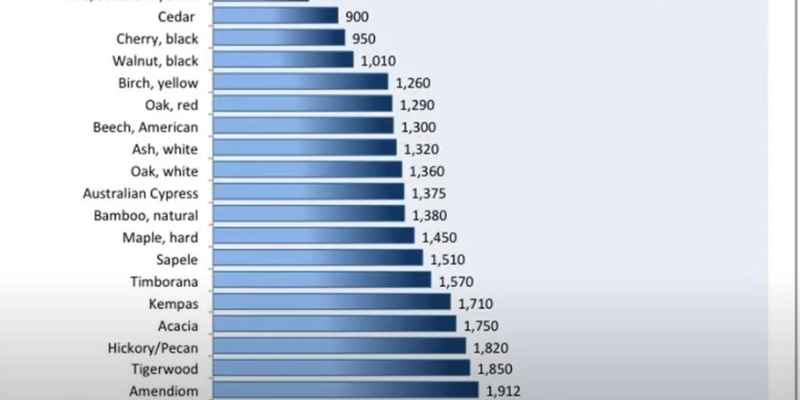
Janka Ratings Of Popular Woods
| Wood Type | Janka Rating (LBF) |
|---|---|
| Mahogany | 900 |
| Oak | 1290 |
| Maple | 1450 |
| Pine | 690 |
| Cherry | 950 |
The table above shows the Janka ratings of some popular woods. Mahogany has a rating of 900 lbs. It is softer than oak and maple but harder than pine. This makes mahogany a great option for furniture and cabinetry.
Choosing The Right Wood For Your Project
Select the wood based on your needs. Consider these factors:
- Durability: Choose harder woods for high-traffic areas.
- Appearance: Mahogany has a rich color and smooth grain.
- Cost: Some woods like pine are cheaper.
- Workability: Mahogany is easy to cut and shape.
Evaluate your project requirements. Use the Janka rating to find the best wood. Mahogany is suitable for many applications, but other woods may be better for specific uses.
Comparing Mahogany To Other Woods
Mahogany wood is beautiful and durable. Its popularity raises questions about sustainability. Understanding its environmental impact is essential for responsible choices.
Conservation Efforts
Many organizations work to protect mahogany forests. These efforts focus on:
- Preventing illegal logging
- Restoring damaged ecosystems
- Educating local communities
- Promoting eco-friendly practices
Conservation programs aim to keep mahogany forests healthy. This helps maintain biodiversity and protects wildlife habitats.
Sustainable Sourcing Of Mahogany
Sustainable sourcing ensures mahogany is harvested responsibly. Here are key aspects:
- Certifications: Look for FSC or PEFC labels.
- Responsible Suppliers: Choose companies that follow sustainable practices.
- Replanting: Support businesses that plant trees after harvesting.
By choosing sustainably sourced mahogany, you help protect the environment. This choice supports both the forests and local communities.
| Aspect | Details |
|---|---|
| Certification | FSC and PEFC ensure responsible sourcing. |
| Local Communities | Engage locals in sustainable practices. |
| Ecological Impact | Maintains biodiversity and wildlife habitats. |
Frequently Asked Questions
What Is The Janka Rating Of Mahogany Wood?
The Janka rating of mahogany wood typically ranges from 1,200 to 1,500 lbf. This rating measures the wood’s resistance to denting and wear. Mahogany is considered a moderately durable hardwood, making it ideal for furniture and flooring. Its strength and beauty are highly valued in woodworking.
Why Is Janka Rating Important For Wood?
The Janka rating is crucial for understanding a wood’s hardness. It helps consumers choose the right wood for their projects. A higher rating means greater durability and resistance to wear. This information is essential for ensuring longevity in furniture, flooring, and other applications.
How Does Mahogany Compare To Other Woods?
Mahogany has a Janka rating that is higher than some softwoods but lower than harder hardwoods like oak. This makes it suitable for various applications. Its natural beauty and workability set it apart, making it a popular choice in woodworking.
Comparing ratings helps in selecting the best wood for specific needs.
Can Mahogany Wood Be Used For Outdoor Projects?
While mahogany is durable, it is best suited for indoor use. It can withstand some outdoor conditions but may require treatment. Regular maintenance can help protect it from moisture and UV damage. For outdoor projects, consider using a more weather-resistant wood species instead.
Conclusion
Mahogany wood boasts an impressive Janka rating, making it a durable choice for various applications. Its strength and beauty add value to any project. Understanding its properties helps in making informed decisions for furniture and flooring. Choose mahogany for a blend of aesthetics and lasting performance in your home or office.